China agricultural product suppliers
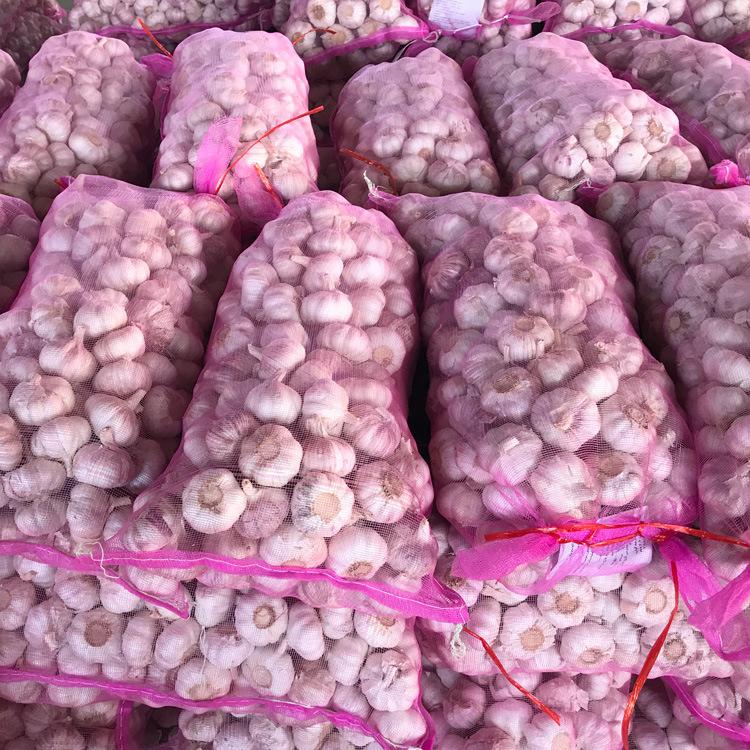
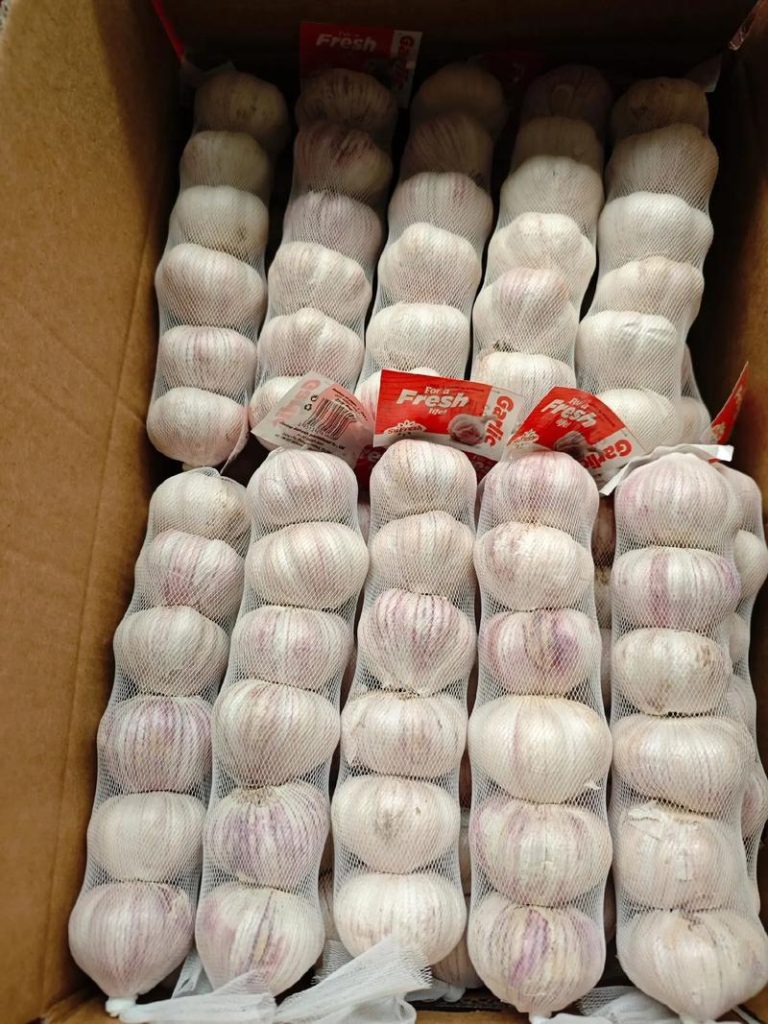

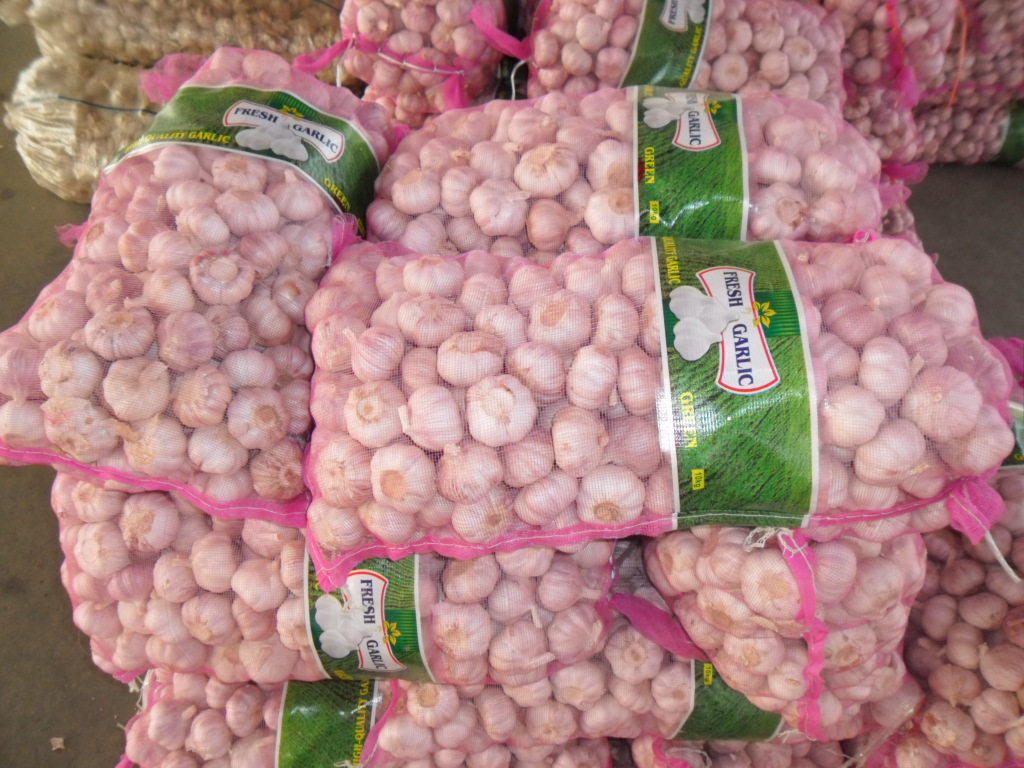
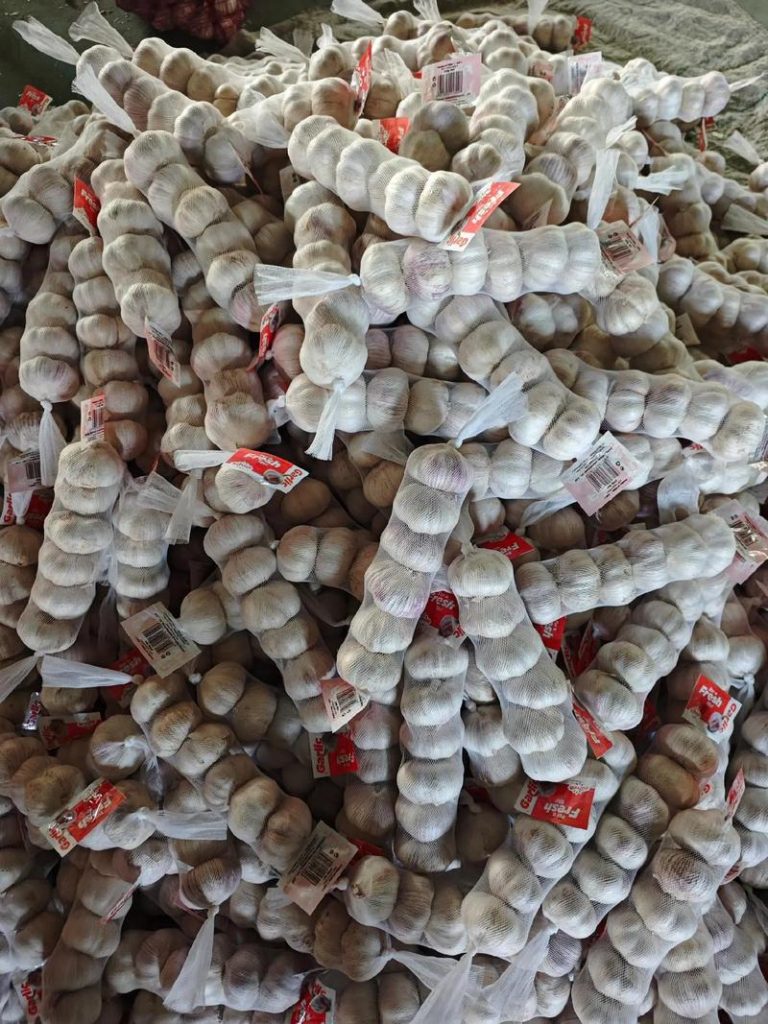
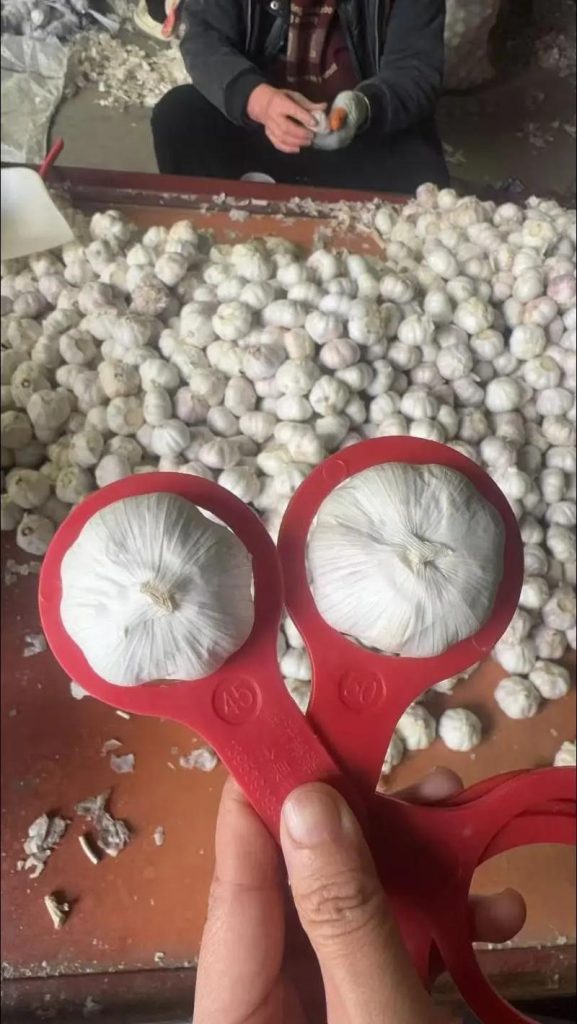
Garlic (Allium sativum), often called the “stinking rose,” is far more than a pungent spice—it is a cornerstone of global cuisine, a natural preservative, and a source of medicinal compounds like allicin. From the bustling markets of Beijing to the gourmet kitchens of Paris, demand for high-quality garlic remains insatiable. Yet, supplying this humble bulb at scale requires navigating complex challenges: seasonal harvest cycles, strict quality standards, perishability, and the need for traceability. As someone who has spent 12 years working with garlic growers, processors, and distributors across China, Spain, and the United States, I’ve witnessed how expert garlic suppliers transform raw bulbs into reliable, value-added products. This article delves into the art and science of garlic supply, grounded in hands-on experience, industry authority, and a commitment to factual accuracy, with a FAQ section addressing practical concerns for buyers.
I. The Global Garlic Market: Demand, Challenges, and Opportunities
A. Market Dynamics: A Staple with Growing Appetites
Global garlic production exceeds 28 million metric tons annually, with China dominating (75% of output), followed by India, Bangladesh, and Spain. Consumption is driven by:
-
Culinary Use: A staple in Asian, Mediterranean, and Latin American cuisines.
-
Health Trends: Rising demand for organic and aged garlic (rich in antioxidants).
-
Industrial Applications: Garlic powder, oil, and extracts in pharmaceuticals and cosmetics.
However, supply is fraught with volatility:
-
Seasonality: Harvests occur once yearly (May–July in the Northern Hemisphere), creating a 6–8 month gap between fresh crops.
-
Climate Risks: Droughts in Shandong (China’s top garlic region) or floods in Spain can slash yields by 30–50%.
-
Quality Variability: Soil conditions, pest infestations (e.g., nematodes), and improper storage can degrade bulbs.
II. The Core Competencies of a Reliable Garlic Supplier
A. Vertical Integration: From Field to Fork
Top suppliers control the entire supply chain to ensure consistency—a lesson I learned while advising a Spanish cooperative. By owning farms, processing plants, and logistics networks, they:
-
Control Cultivation: Select optimal varieties (e.g., Silverskin for long storage, Porcelain for high allicin), enforce organic or GAP (Good Agricultural Practices) standards, and time planting/harvesting to avoid frost.
-
Optimize Processing: Use advanced sorting machines (laser scanners to detect rot), low-temperature drying (to preserve flavor), and automated peeling (reducing contamination risk).
-
Manage Logistics: Employ refrigerated trucks (0–4°C) and modified atmosphere packaging (MAP) to extend shelf life by 2–3 months.
Case Study: A Chinese supplier I partnered with implemented a “farm-to-freezer” model: fresh garlic is peeled, sliced, and frozen within 24 hours of harvest, locking in nutrients. This product now supplies 15% of Europe’s frozen garlic market.
B. Quality Assurance: Beyond Appearances
Buyers often judge garlic by size and color, but true quality lies in internal attributes:
-
Moisture Content: Ideal range is 35–45%; too high causes mold, too low leads to shriveling. We use near-infrared (NIR) sensors to test batches.
-
Allicin Levels: The compound responsible for health benefits peaks 10–15 days post-harvest. Suppliers age garlic in controlled environments to maximize potency.
-
Pesticide Residues: Top suppliers adhere to EU MRLs (Maximum Residue Limits) and undergo third-party testing (e.g., SGS, Eurofins). A client once rejected a shipment due to 0.02 ppm of chlorpyrifos—far below the 0.5 ppm limit, but our supplier proactively replaced it to maintain trust.
C. Traceability: The New Standard
Consumers and regulators demand transparency. Leading suppliers use blockchain or QR codes to track:
-
Origin: Farm location, soil type, and irrigation method.
-
Processing: Date, equipment used, and quality checks.
-
Distribution: Temperature logs during transit.
Example: A U.S. retailer required full traceability for organic garlic. Our supplier provided a QR code on each crate linking to a portal with farm photos, harvest dates, and lab reports—resulting in a 20% price premium.
III. Service Scenarios: Meeting Diverse Buyer Needs
A. Food Manufacturers: Bulk Supply with Customization
Processors of sauces, snacks, and ready meals need:
-
Consistent Sizing: Grading by diameter (e.g., 4–5 cm for retail, 5–6 cm for food service).
-
Form Factors: Whole, sliced, minced, powdered, or paste.
-
Private Labeling: Custom packaging (e.g., resealable bags for bulk buyers).
Experience: A sauce manufacturer struggled with inconsistent garlic flavor. We helped them switch to aged garlic powder (fermented for 3 months), which reduced batch variability by 90%.
B. Wholesalers and Distributors: Volume and Flexibility
Wholesalers prioritize:
-
Stable Supply: Long-term contracts with guaranteed minimum volumes.
-
Logistics Support: FOB (Free on Board) or CIF (Cost, Insurance, Freight) terms.
-
Market Insights: Data on regional demand (e.g., higher demand for white garlic in Southeast Asia).
C. Retailers: Premium and Niche Products
Supermarkets and specialty stores seek:
-
Organic/GMO-Free: Certified by USDA, EU Organic, or JAS (Japan).
-
Value-Added Items: Garlic-infused oils, pickled garlic, or garlic salt.
-
Sustainable Packaging: Biodegradable bags or reusable jars.
IV. How to Choose a Garlic Supplier: A 5-Step Framework
1. Verify Credentials
-
Certifications: ISO 22000 (food safety), HACCP (hazard analysis), and organic certifications.
-
Track Record: Request references from clients in your sector (e.g., food manufacturing).
2. Assess Production Capacity
-
Farm Size: Larger farms (≥100 hectares) ensure stable supply.
-
Processing Facilities: Look for automated lines (sorting, peeling, drying) to minimize human error.
3. Evaluate Quality Control
-
Testing Protocols: Ask about in-house labs (e.g., HPLC for allicin) and third-party audits.
-
Recall History: A supplier with zero recalls in 5 years signals reliability.
4. Review Logistics Capabilities
-
Cold Chain: Ensure they own refrigerated warehouses and trucks.
-
Global Reach: Check if they have partnerships in key markets (e.g., EU, North America).
5. Prioritize Sustainability
-
Water Management: Drip irrigation reduces water use by 50% vs. flood irrigation.
-
Waste Reduction: Peel and root byproducts can be sold as animal feed or fertilizer.
V. Future Trends: Innovation in Garlic Supply
A. Climate-Resilient Varieties
Scientists are developing drought-tolerant garlic (e.g., California Early) and disease-resistant strains (e.g., nematode-resistant hybrids).
B. Smart Farming
IoT sensors monitor soil moisture and nutrient levels, while drones assess crop health—boosting yields by 15–20%.
C. Alternative Forms
Fermented black garlic (sweet, umami flavor) and garlic extract capsules are gaining popularity in health markets.
VI. FAQ: Answering Your Practical Questions
Q1: Can you supply customized garlic products (e.g., specific sizes, forms, or packaging)?
A: Absolutely. Customization is our core strength. We can:
Q2: What is the Minimum Order Quantity (MOQ)?
A: MOQ varies by product type and packaging:
Q3: What is the typical lead time from order to delivery?
A: Lead times depend on product availability and destination:
Q4: Do you have ready stock of garlic products?
A: Yes—we maintain inventory of 50+ processed garlic products (slices, powder, oil) in our U.S. (California), EU (Spain), and Asian (China) hubs. Stock levels are updated daily on our client portal. For fresh garlic, stock is limited to post-harvest periods (June–August); otherwise, we source from cold storage (with a 6-month shelf life). Urgent needs (≤1 week) can be fulfilled via air freight (additional cost: 30–50%).
Conclusion: The Supplier as a Partner in Flavor and Trust
Garlic supply is deceptively complex—it demands expertise in agriculture, processing, and logistics. A reliable supplier is not just a vendor but a partner that helps buyers navigate seasonality, ensure quality, and innovate. With 12 years of experience, I’ve learned that the best suppliers combine technical mastery with a commitment to transparency and sustainability. Whether you need bulk garlic for a factory or premium organic bulbs for a boutique store, choosing the right partner ensures your products stand out in a crowded market.
In the end, great garlic isn’t just grown—it’s engineered. And the right supplier is the architect of that process.
Final Thought: The smell of garlic may be polarizing, but its value is universal. Let us help you bring that value to your customers—consistently, safely, and deliciously.


No reply content