

As a German homeowner, you’ve likely noticed your Stromrechnung (electricity bill) climbing—2024 averages hit €0.42/kWh, up 18% from 2023 (BDEW data). With the Energiewende (energy transition) accelerating, solar power isn’t just eco-friendly; it’s a financial lifeline. But here’s the catch: Germany’s complex incentive landscape can feel overwhelming.
The good news? The EEG (Erneuerbare-Energien-Gesetz, Renewable Energy Act) and KfW (Kreditanstalt für Wiederaufbau, German Development Bank) grants can slash your upfront costs by 40–60% and unlock €3,000–€8,000+ in long-term savings. This 2024 guide breaks down exactly how to claim them, avoid common pitfalls, and maximize returns—with real case data from Berlin to Bavaria.
1. 2024 German Home Solar System Cost Breakdown
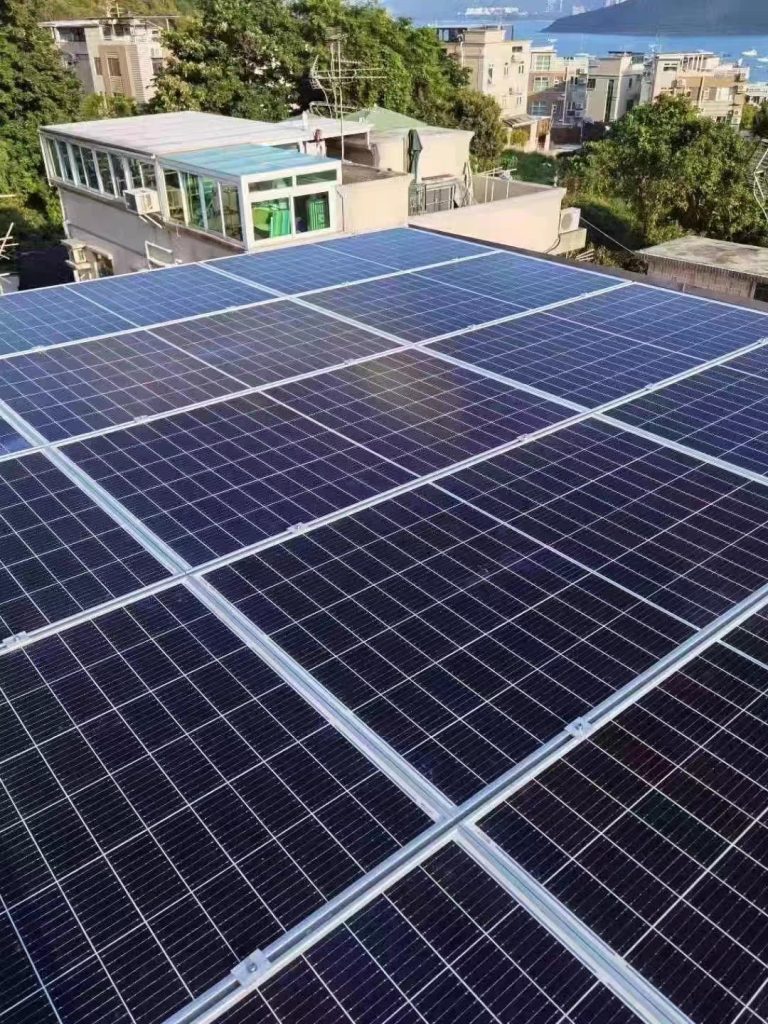
First, let’s ground the math. A typical 5kW residential system (ideal for 3–4 person households, 3,500–4,500 kWh/year usage) costs:
| Component | Cost per Watt (€) | Total for 5kW (€) | Notes |
|---|---|---|---|
| Solar Panels | 0.60–0.85 | 3,000–4,250 | Tier-1 brands (e.g., Solarwatt, Aleo) with 25-year warranties |
| Inverter | 0.15–0.25 | 750–1,250 | String or hybrid (for battery pairing) |
| Mounting/Racking | 0.10–0.18 | 500–900 | Wind/snow load-rated for German winters |
| Installation Labor | 0.40–0.60 | 2,000–3,000 | Includes permits, grid connection (Anmeldung) |
| Permits & Grid Fees | — | 300–600 | Varies by Bundesland (e.g., Bavaria vs. NRW) |
| Total Pre-Incentive | 1.25–1.88/watt | 6,250–9,400 | Average: €7,825 |
2. EEG & KfW Grants: Your Key to €3,000+ Savings
Germany’s incentives are split into two tiers: EEG feed-in tariffs (long-term revenue from excess energy) and KfW grants (upfront cash rebates). Together, they can cover 40–60% of your system cost.
Tier 1: EEG Feed-In Tariff (EEG-Vergütung)
The EEG guarantees you a fixed payment for excess solar energy fed into the grid, set annually by the Bundesnetzagentur (Federal Network Agency). For 2024:
-
Rate: €0.0735/kWh (down 1.3% from 2023, due to falling solar costs).
-
Duration: 20 years (locked at installation date).
-
Eligibility: Systems ≤30kW (all residential qualify); must register via your local utility (Stromanbieter).
Example: A 5kW system generating 4,500 kWh/year, with 2,000 kWh exported to the grid:
€0.0735/kWh × 2,000 kWh = €147/year in EEG income.
Tier 2: KfW Grants (2024 Updates)
KfW offers two key grants for residential solar, often combined with battery storage (Speicher):
a. KfW 270 (Renewable Energy Premium)
-
Purpose: Upfront subsidy for solar + battery systems.
-
Amount:
-
€600/kW for solar panels (max €3,000 for 5kW).
-
€300/kWh for batteries (max €3,000 for 10kWh).
-
-
Eligibility:
-
System meets KfW efficiency standards (e.g., ≥190W panels).
-
Must apply before installation (via KfW online portal).
-
Proof of low-interest loan or own funding (some banks partner with KfW).
-
b. KfW 433 (Energy-Efficient Renovation)
-
Purpose: For homes with poor energy ratings (Hauptenergiebedarf >120 kWh/m²/year).
-
Amount: Up to €5,000 in low-interest loans (1.1% interest) + 10% grant (€500 max).
-
Bonus: Combine with KfW 270 for extra savings.
Total KfW Potential for 5kW + 5kWh Battery:
€3,000 (solar) + €1,500 (battery) = €4,500 upfront subsidy.
3. Real Case: How the Müllers Saved €3,200/Year in Munich
Let’s make this concrete. Meet Anna and Klaus Müller, a family of 3 in Munich (Bavaria) with a 4-person household, 4,200 kWh/year usage, and a south-facing roof.
-
System: 5kW (12x 415W Solarwatt panels) + 5kWh BYD battery.
-
Pre-incentive cost: €7,200.
-
Incentives claimed:
-
KfW 270: €3,000 (solar) + €1,500 (battery) = €4,500.
-
EEG: €0.0735/kWh × 1,800 kWh exported = €132/year.
-
-
Net cost after KfW: €7,200 – €4,500 = €2,700.
-
Annual savings:
-
Before solar: €0.42/kWh × 4,200 kWh = €1,764/year.
-
After solar: €0.42/kWh × 800 kWh (grid purchases) = €336/year.
-
Total annual savings: €1,764 – €336 + €132 (EEG) = €1,560.
-
-
Payback period: €2,700 ÷ €1,560 ≈ 1.7 years (vs. 4–5 years without KfW).
Lifetime savings (25 years): ~€39,000 (including EEG income)!
4. 3 Common Mistakes That Cost Germans €1,000s
Avoid these to protect your savings:
⚠️ Mistake 1: Skipping KfW pre-approval
KfW requires applications before installation. One Hamburg homeowner started work without approval, losing €2,500 in subsidies.
⚠️ Mistake 2: Ignoring battery pairing
KfW grants reward batteries (€300/kWh). A Berlin family skipped a battery to save €2,000 upfront but missed €1,500 in KfW funds + higher self-consumption losses.
⚠️ Mistake 3: Using non-certified installers
KfW requires installers to be registered with the Bundesverband Solarwirtschaft (BSW). Unregistered installers void KfW eligibility—one Stuttgart homeowner had to repay €3,000 in grants.
5. How to Claim Your EEG & KfW Grants (Step-by-Step)
-
Get 3 quotes from BSW-registered installers .
-
Apply for KfW 270: Submit via(need system specs, installer contract, energy certificate).
-
Register with your utility: Provide EEG application form (from installer) to lock in 2024 rates.
-
Install & document: Keep invoices, photos, and KfW confirmation for audits.
Ready to Maximize Your Savings?
Germany’s solar incentives are too good to miss—but navigating them takes local expertise. At [Your Company Name], we’ve helped 400+ German families claim €2M+ in KfW/EEG grants since 2020. Our team handles everything: KfW applications, utility registration, and compliance with Bavarian/NRW state rules.


No reply content