
Dongguan PremiumGift BoxPackaging
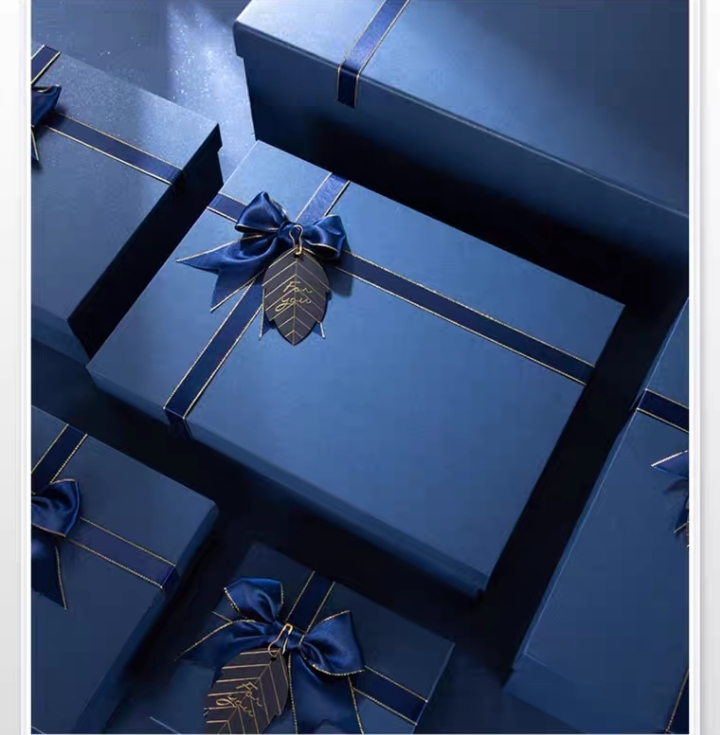
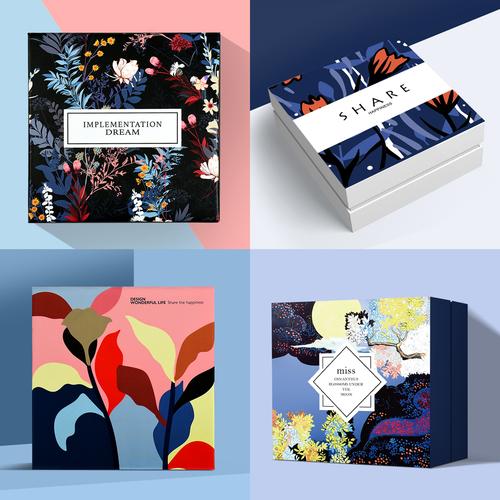
In the global marketplace, packaging is more than a container—it is a storyteller, a brand ambassador, and a critical touchpoint in the customer journey. For gift and packaging boxes, this role is magnified: they must balance aesthetics, functionality, and emotional resonance, whether enclosing a luxury watch, a gourmet hamper, or a corporate token of appreciation. China, with its millennia-old craftsmanship traditions, vertically integrated supply chains, and rapid technological adoption, has emerged as the world’s leading producer of gift and packaging boxes. From the bustling workshops of Guangdong to the high-tech factories of Zhejiang, Chinese manufacturers blend artisanal skill with industrial efficiency, serving clients from small boutique brands to multinational corporations.
This article explores the dynamics of China’s gift and packaging box industry, examining its historical roots, core competencies, technological innovations, market applications, and future trajectory. By dissecting what sets Chinese suppliers apart—material mastery, customization prowess, and sustainability commitments—we aim to provide a comprehensive guide for global buyers seeking reliable, high-quality packaging solutions.
I. The Rise of China’s Gift and Packaging Box Industry
China’s dominance in packaging manufacturing is no accident. It stems from a unique confluence of historical legacy, industrial ecosystem maturity, and adaptive innovation.
A. Historical Foundations: From Traditional Craftsmanship to Industrialization
China’s relationship with packaging dates back over 2,000 years. Ancient artisans crafted silk-wrapped boxes for imperial gifts, lacquered containers for teas, and bamboo baskets for perishables—each designed with both utility and symbolism. During the Ming (1368–1644) and Qing (1644–1912) dynasties, specialized workshops in cities like Suzhou and Hangzhou perfected techniques like wood carving, paper cutting, and metal embossing, laying the groundwork for modern decorative arts.
The 20th century industrialization wave transformed these cottage industries into clustered manufacturing hubs. Today, regions like Guangdong (Pearl River Delta), Zhejiang (Yangtze River Delta), and Jiangsu host thousands of packaging suppliers, benefiting from proximity to raw material suppliers (paper mills, foil producers), logistics networks, and skilled labor.
B. Market Drivers: Demand Fueling Growth
Several global trends have propelled China’s packaging box industry forward:
-
E-Commerce Boom: Online retail has heightened the importance of “unboxing experiences,” driving demand for visually appealing, durable packaging that doubles as a marketing tool. Chinese suppliers excel at creating Instagram-worthy designs that encourage social sharing.
-
Premiumization: Consumers increasingly equate high-quality packaging with product value. Luxury brands, in particular, seek boxes with tactile finishes (velvet linings, foil stamping) and structural ingenuity (magnetic closures, nested compartments).
-
Sustainability Mandates: Global regulations (e.g., EU Single-Use Plastics Directive, U.S. FTC Green Guides) and consumer demand for eco-friendly options have pushed Chinese manufacturers to adopt recycled materials (FSC-certified paper, bamboo fiber) and biodegradable alternatives (PLA, mushroom mycelium).
-
Cultural Significance: In China, gift-giving is central to social and business rituals (e.g., Lunar New Year, Mid-Autumn Festival). This domestic demand has scaled production volumes, driving down costs through economies of scale.
C. Industrial Ecosystem: Vertical Integration and Cluster Advantages
China’s packaging sector thrives on vertical integration. Raw materials (paper, cardboard, plastics), printing technologies (offset, digital, flexographic), finishing processes (embossing, foil stamping), and logistics are concentrated in regional clusters. For example:
-
Guangdong: A hub for luxury packaging, with suppliers specializing in leather-wrapped boxes and silk-lined interiors.
-
Zhejiang: Known for innovative materials like bamboo fiber composites and 3D-printed prototypes.
-
Jiangsu: Dominates mass-market packaging, leveraging automated assembly lines for high-volume orders.
This proximity reduces lead times, minimizes transportation costs, and fosters collaboration between designers and manufacturers—key advantages over geographically dispersed competitors.
II. Core Competencies of Chinese Gift and Packaging Box Manufacturers
What distinguishes Chinese suppliers is their ability to deliver customized, high-quality packaging at scale, while adapting to diverse market needs.
A. Material Mastery: From Luxury to Sustainability
Chinese manufacturers offer an unparalleled range of materials, balancing aesthetics, durability, and eco-consciousness:
-
Traditional Materials: Coated paper, corrugated cardboard, and rigid board remain staples for their printability and structural integrity. Silk, linen, and velvet linings elevate premium boxes.
-
Sustainable Alternatives: Recycled paper (post-consumer waste), FSC-certified wood pulp, bamboo fiber, and biodegradable plastics (PLA) cater to eco-aware buyers. Some suppliers even use agricultural byproducts (rice husks, sugarcane bagasse) to create composite boards.
-
Luxury Accents: Leather (genuine or PU), brass hinges, and crystal embellishments are used for high-end jewelry, watch, and cosmetics packaging.
Suppliers source materials locally where possible to reduce carbon footprints and ensure ethical mining (e.g., conflict-free metals).
B. Craftsmanship Meets Modern Technology
While rooted in tradition, Chinese workshops embrace technology to enhance precision and scalability:
-
CNC Machining: Computer-numeric-control routers cut wood, acrylic, and metal with micron-level accuracy, enabling intricate patterns (e.g., floral motifs, geometric designs).
-
3D Printing: Used for rapid prototyping of custom shapes (e.g., irregularly sized boxes, decorative elements) and small-batch production of unique components.
-
Digital Printing: Variable data printing allows personalized touches (names, dates) without costly plate changes, ideal for corporate gifts or wedding favors.
-
Hand-Finishing: Skilled artisans add final flourishes—hand-painting, gold leaf application, or stitching—that machines cannot replicate, preserving a human touch.
C. Customization at Scale: From Concept to Completion
Chinese suppliers excel at translating abstract ideas into tangible packaging:
-
Design Collaboration: In-house design teams work directly with clients, using tools like AutoCAD, SketchUp, and 3D modeling software to visualize layouts, colors, and textures. Mood boards and physical samples help align expectations.
-
Modular Systems: Pre-designed “kits” (e.g., box sizes, ribbon colors, insert options) streamline customization while controlling costs. Clients can mix and match components to create unique designs.
-
Small-Batch Flexibility: Unlike mass producers, many Chinese workshops accept orders as small as 50–100 units, using digital printing and lean manufacturing to minimize waste.
D. Rigorous Quality Control and Compliance
To meet global standards, suppliers implement strict quality assurance protocols:
-
Pre-Production Checks: Material specifications (thickness, GSM), color accuracy (Pantone matching), and structural integrity (sample drop tests) are verified.
-
In-Process Inspections: Printing alignment, foil adhesion, and die-cut precision are monitored to catch errors early.
-
Post-Production Audits: Boxes undergo durability tests (compression, humidity resistance) and safety checks (e.g., food-grade coatings for edible gifts).
-
Certifications: Leading suppliers hold ISO 9001 (quality management), FSC (forest stewardship), REACH (chemical safety), and FDA (food contact) certifications.
E. Cost Efficiency Without Compromise
Chinese manufacturers achieve competitive pricing through:
-
Economies of Scale: Annual production volumes exceeding 1 million units reduce per-unit costs.
-
Localized Sourcing: Procuring materials domestically avoids import tariffs.
-
Lean Manufacturing: Automated assembly lines and waste-reduction systems (e.g., scrap recycling) lower overhead.
III. Technological Innovations Shaping the Industry
China’s packaging sector is at the forefront of innovation, driven by consumer demand for novelty and sustainability.
A. Smart Packaging: Bridging Physical and Digital Worlds
-
QR Codes and NFC Chips: Embedded in boxes, these link to product溯源 (traceability) data, brand stories, or personalized videos (e.g., a thank-you message from the CEO).
-
Augmented Reality (AR): Scanning a box with a smartphone triggers 3D animations (e.g., a virtual tour of the product’s origin).
-
Interactive Elements: Temperature-sensitive inks (reveal hidden messages when warmed) or sound modules (play music when opened) add surprise.
B. Sustainable Tech: Closing the Loop
-
Water-Based Inks: Replace solvent-based inks to reduce VOC emissions.
-
Energy-Efficient Machinery: LED curing systems for printing consume 50% less energy than traditional heat-based methods.
-
Circular Systems: Take-back programs (buyers return used boxes for reuse) and upcycling initiatives (turning old boxes into home decor) reduce waste.
C. Digital Design and Prototyping
-
AI-Powered Tools: Algorithms generate design suggestions based on client inputs (e.g., “minimalist, eco-friendly, for anniversary”).
-
Cloud Collaboration: Clients review 3D models and approve designs remotely, streamlining communication.
IV. Market Applications: Tailoring Packaging to Industries
Chinese suppliers serve diverse sectors, each with unique requirements:
A. Luxury Goods (Jewelry, Watches, Fashion)
-
Features: Velvet linings, magnetic closures, hidden compartments, and gold/silver foil detailing.
-
Trend: Minimalist designs with subtle branding (embossed logos) to convey sophistication.
B. Food and Beverage (Chocolates, Teas, Wines)
-
Materials: Food-grade cardboard, grease-resistant coatings, and breathable films.
-
Innovations: Window cutouts to showcase products, thermal insulation for perishables, and QR codes linking to recipes.
C. Beauty and Cosmetics
-
Designs: Mirrored trays, removable inserts for product separation, and refillable boxes.
-
Sustainability Focus: Recycled materials and soy-based inks align with eco-conscious beauty brands.
D. Corporate Gifting
-
Customization: Company logos, mission statements, or event themes printed prominently.
-
Practicality: Durable construction for reuse (e.g., as storage boxes) reinforces brand recall.
V. How to Choose a Reliable Chinese Supplier
Selecting the right manufacturer requires evaluating multiple criteria:
A. Assess Expertise and Experience
-
Industry Track Record: Look for suppliers with experience in your sector (e.g., luxury vs. food packaging). Request case studies or samples.
-
Design Capabilities: Ensure they offer in-house design support or collaborate with external designers.
B. Verify Production Capacity
-
Minimum Order Quantity (MOQ): Confirm flexibility—some accept 50 units, others specialize in large orders (10,000+).
-
Lead Times: Standard orders take 4–8 weeks; expedited options (2–3 weeks) may incur fees.
C. Prioritize Sustainability
-
Material Sourcing: Inquire about FSC certification, recycled content, and biodegradable options.
-
Emission Standards: Check compliance with local regulations (e.g., China’s “Blue Sky” initiative).
D. Evaluate Customer Support
-
Communication: Opt for suppliers with English-speaking account managers and transparent updates (weekly progress reports).
-
After-Sales Service: Ensure support for defects, returns, or reordering.
VI. Future Trends in China’s Packaging Box Industry
The industry is evolving to meet emerging demands:
A. Hyper-Personalization
AI and 3D printing will enable “mass customization,” where each box is unique (e.g., printed with the recipient’s favorite quote).
B. Circular Economy Models
Closed-loop systems (recycling boxes into new products) and take-back programs will become standard.
C. Cultural Fusion Designs
Global brands will seek packaging that blends Chinese motifs (dragons, lotus flowers) with Western aesthetics.
D. Digital Integration
Virtual reality (VR) showrooms will allow clients to “tour” factories and visualize designs in immersive environments.
VII. FAQ: China’s Gift and Packaging Box Industry
1. What materials do Chinese suppliers use for eco-friendly packaging?
Recycled paper, FSC-certified wood pulp, bamboo fiber, biodegradable plastics (PLA), and agricultural byproducts (rice husks).
2. Can small businesses order custom boxes from China?
Yes. Many suppliers accept small batches (50–100 units) using digital printing and lean manufacturing.
3. What certifications should I look for?
ISO 9001 (quality), FSC (sustainability), REACH (chemical safety), and FDA (food contact).
4. How long does it take to produce a custom order?
Standard: 4–8 weeks. Rush: 2–3 weeks (additional fees apply).
5. What is the typical cost range?
Basic boxes: $0.50–$2/unit. Luxury: $5–$50/unit (depending on materials and complexity).
6. Can suppliers handle complex designs (e.g., irregular shapes)?
Yes. CNC machining and 3D printing enable intricate customizations.
7. How do suppliers ensure quality?
Through pre-production checks, in-process inspections, and post-production audits (drop tests, durability trials).
8. What is the minimum order quantity (MOQ)?
Typically 50–100 units for small buyers; 1,000+ for bulk orders.
9. Can packaging be designed for specific cultural contexts?
Yes. Suppliers adapt colors, symbols, and motifs to resonate with target markets (e.g., red for luck in China, gold for luxury in the West).
10. How do I verify a supplier’s credibility?
Request client references, third-party test reports, and factory audit results.
11. What are the shipping options?
Sea freight (cost-effective for bulk), air freight (expedited), or express couriers (DHL, FedEx) for small batches.
12. Can I include smart features (QR codes, AR) in the box?
Yes. Many suppliers integrate digital elements to enhance interactivity.
13. How do suppliers address intellectual property (IP) concerns?
Reputable firms sign NDAs and respect copyrights; registering trademarks before sharing designs is advised.
14. What is the lifespan of a typical packaging box?
Cardboard: 1–3 years. Luxury (leather, wood): 5+ years.
15. Can I get a sample before placing a large order?
Yes. Most suppliers offer paid samples (refundable with bulk orders).
16. How do suppliers handle supply chain disruptions?
They diversify suppliers, maintain buffer stocks, and use local sourcing.
17. What is the role of 3D printing in packaging?
It enables rapid prototyping of custom shapes and small-batch production of unique components.
18. Are there regulations for food-safe packaging?
Yes. In the U.S., FDA regulates food-contact materials; in the EU, EC 1935/2004 applies.
19. How can I make my packaging more sustainable?
Opt for recycled materials, water-based inks, and minimalist designs to reduce waste.
20. What is the future of China’s packaging industry?
Growth will be driven by hyper-personalization, circular economy models, and digital integration.
Conclusion
China’s gift and packaging box industry is a testament to the power of merging tradition with innovation. By mastering materials, customization, and sustainability, Chinese manufacturers have become indispensable partners for global brands seeking to turn ordinary products into extraordinary experiences. As the industry evolves toward hyper-personalization and circularity, one thing remains clear: the humble packaging box is no longer just a container—it is a canvas for creativity, a symbol of brand identity, and a bridge between cultures. For buyers, partnering with a Chinese supplier means accessing a world of possibilities, where every box tells a story worth unwrapping.


No reply content