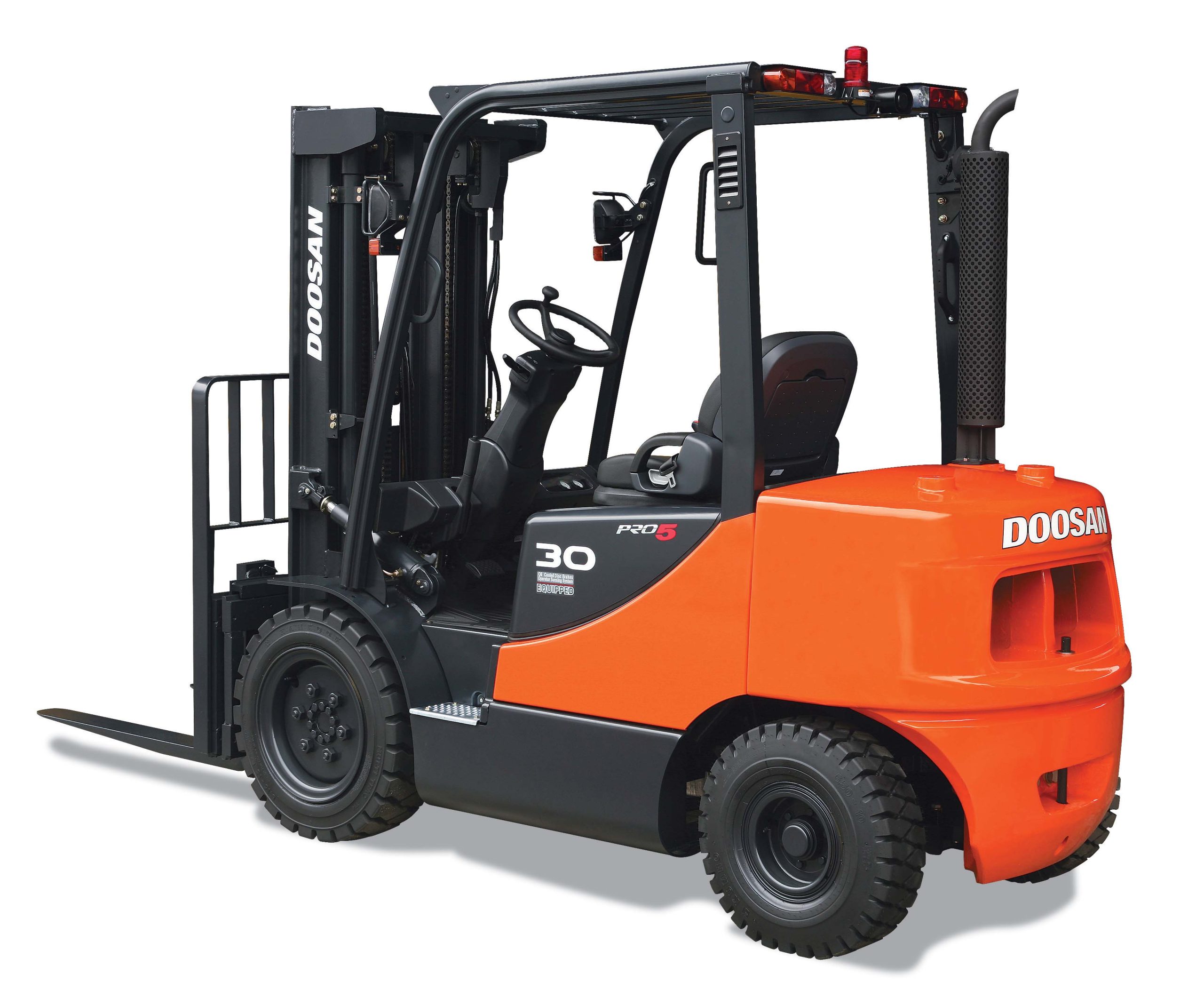
Guangzhou Forklift Manufacturing Factory
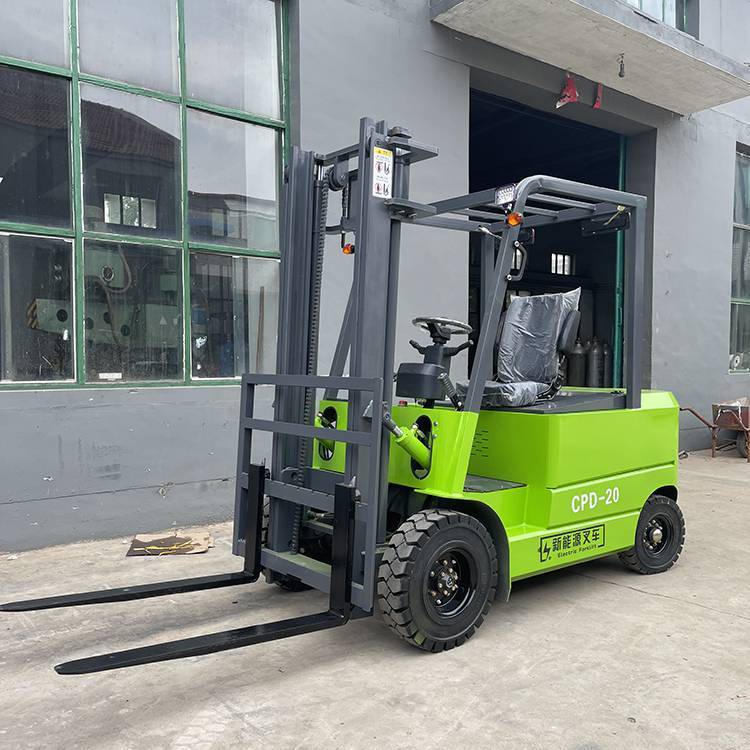
When you are sourcing a good quality forklift, whether for warehouse, logistics, manufacturing, or construction use, choosing the right machine can significantly improve productivity, safety, and cost efficiency. With many manufacturers and models on the market, understanding what makes a forklift truly high‑quality is critical for buyers.
In this guide, we’ll explain the key features of a good quality forklift, how to evaluate suppliers, important technical specifications, and common buyer questions — helping you make an informed purchasing decision.
What Does “Good Quality Forklift” Mean?
A good quality forklift should offer:
✔ Durability and reliability in everyday use
✔ Strong load capacity suitable for your application
✔ Safe operation with advanced safety features
✔ Ease of maintenance and cost‑effective parts
✔ Energy efficiency (especially for electric models)
A forklift that meets these criteria not only lasts longer but also reduces downtime and operating cost.
Key Features of a Good Quality Forklift
1. Strong and Sturdy Build
High‑quality forklifts use:
-
Heavy‑duty steel frames
-
Reinforced mast and fork assemblies
-
Durable tires (pneumatic or solid rubber)
These ensure the machine can withstand heavy loads, frequent use, and harsh working environments.
2. Reliable Power System
Depending on your application, common power systems include:
✔ Electric Forklifts
-
Quiet operation
-
Zero emissions
-
Ideal for indoor warehouses
✔ Diesel Forklifts
-
High torque and power
-
Suitable for outdoor and heavy‑load tasks
✔ LPG Forklifts
-
Balanced performance
-
Lower emissions than diesel
A forklift with a stable and efficient power system enhances productivity and reduces operating cost.
3. Safety Features
Safety should never be compromised. Quality forklifts include:
-
Overhead guard and operator protection
-
Seat belt and ergonomic controls
-
Load backrest and visibility mast
-
Automatic braking or anti‑rollback functions
These features help prevent accidents and protect both operators and goods.
4. Comfortable Operator Cabin
A good quality forklift also focuses on operator ergonomics:
-
Adjustable seat and steering wheel
-
Intuitive dashboard and control levers
-
Smooth steering and responsive handling
Comfort matters because operators often work long hours — and fatigue increases risk.
5. Easy Maintenance and Parts Availability
Maintenance can make or break forklift ownership cost.
Good quality forklifts have:
-
Modular design for quick maintenance
-
Widely available spare parts
-
Clear technical documentation
This minimizes downtime and long‑term expense.
How to Evaluate a Forklift Supplier
When sourcing a good quality forklift, consider the following:
Supplier Experience
Choose suppliers with:
-
Years of production experience
-
Export experience to your region
-
Strong customer reviews and references
A supplier with a proven track record delivers consistent quality.
Certifications and Quality Control
Important certifications include:
-
ISO 9001 Quality Management
-
CE / UL / OSHA compliance
-
Emission standards for engine models
Factories with strict quality control processes ensure reliable products.
Production Capacity
A good supplier should have:
-
Sufficient manufacturing lines
-
Stable delivery times
-
Testing labs for product performance
Large capacity ensures you receive orders on time.
Forklift Types and Their Applications
Forklift Type |
Best Used For |
Key Advantage |
|---|---|---|
Electric Forklift |
Indoor warehouses |
Low noise & zero emissions |
Diesel Forklift |
Outdoor loading |
High power & durability |
LPG Forklift |
Mixed environments |
Balanced performance |
Reach Truck |
Narrow aisles |
High stacking efficiency |
Pallet Truck |
Short distance moves |
Cost‑effective and simple |
Choose the type based on your operational environment and workload.
Tips for Buying a Good Quality Forklift
❗ 1. Match Capacity to Your Needs
Don’t just pick the biggest capacity — choose one that matches your:
-
Load weight
-
Operating temperature
-
Floor and surface type
Over‑spec or under‑spec machines both reduce efficiency.
❗ 2. Ask for Real Test Videos
Reliable suppliers should share:
-
Factory videos
-
Performance test reports
-
Operator videos
These help verify product quality before ordering.
❗ 3. Compare Warranty and Support
Good suppliers offer:
-
Warranty coverage on major components
-
Fast spare parts delivery
-
Technical support channels
These factors protect your investment.
FAQ: Good Quality Forklift
Q1: What’s a good forklift lifting capacity?
A: Typical capacities range from 1.5 to 5 tons for general warehouse use. Heavy‑duty models can go beyond 10 tons.
Q2: Electric or diesel forklift — which is better?
A: It depends on your environment. Electric serves indoor spaces better, while diesel excels outdoors or for heavy loads.
Q3: How long is the delivery lead time?
A: Standard delivery can be 30–60 days after order confirmation and payment, depending on customization and factory capacity.
Q4: Can I customize my forklift?
A: Yes. Many suppliers provide OEM/ODM options — such as color, attachments, and control configurations.
Q5: What’s the main maintenance cost?
A: Costs include battery replacement (for electric), filters/oil (for combustion), and regular check‑ups. Choose suppliers with easy parts availability.
Conclusion
Choosing a good quality forklift is about balancing performance, safety, cost, and long‑term support. By understanding key features, evaluating suppliers carefully, and matching your operational needs, you can make a purchase that delivers value and reliability.
If you want personalized recommendations, forklift model comparisons, or quotes from certified suppliers — I can help you generate them. Just let me know your operational needs and target market! 🚜📦
Article Link:
Good Quality Forklift: Complete Buyer’s Guide


No reply content