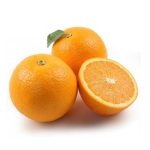
Gannan Navel Orange Orchard China
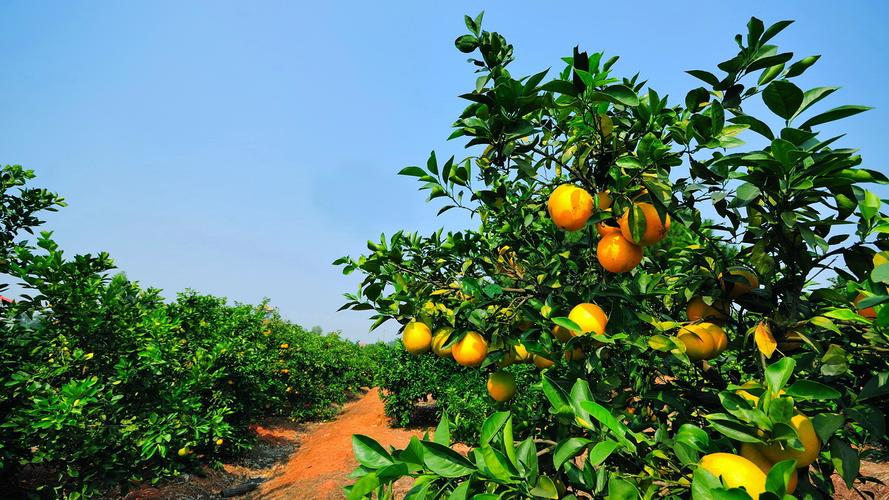
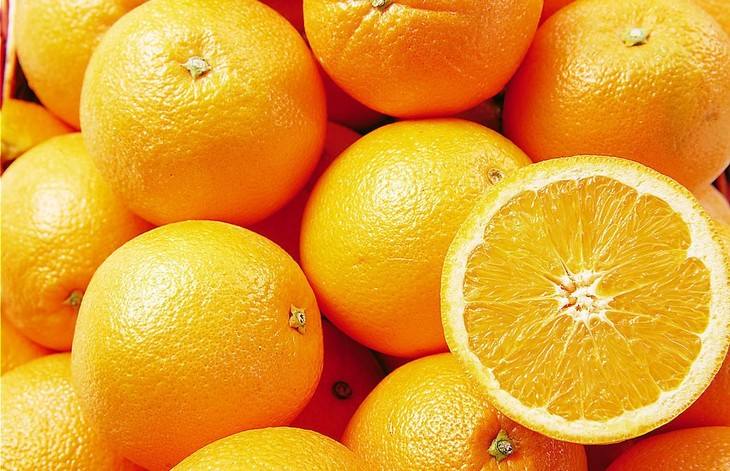
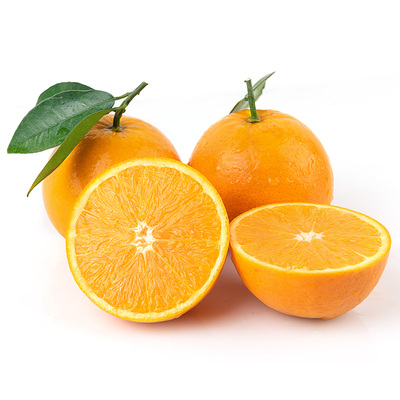
Nestled in sun-drenched groves, the navel orange stands as a testament to nature’s ability to combine beauty, flavor, and practicality. Revered for its vibrant color, effortless peeling, and luscious sweetness, this citrus gem has become a global favorite—from breakfast tables to gourmet kitchens. But what makes a navel orange truly exceptional? The trifecta of good taste, thin skin, and sweetness defines the pinnacle of this fruit, and understanding these traits can transform how you select, enjoy, and even grow this beloved citrus.
In this comprehensive guide, we’ll explore the science behind the navel orange’s unique characteristics, its history, cultivation secrets, health benefits, and tips for savoring every bite. Whether you’re a home cook, a health enthusiast, or simply a fan of fresh, juicy fruit, this article will deepen your appreciation for the world’s most iconic orange.
1. The Anatomy of a Perfect Navel Orange: What Makes It Stand Out?
To understand why the navel orange is celebrated, we must first break down its physical and sensory attributes. Unlike other oranges, the navel variety boasts three distinct features that set it apart: its signature “navel” (a small, undeveloped fruit at the blossom end), a thick rind with a thin, easy-to-peel outer layer, and a perfectly balanced sweet-tart flavor.
1.1 The “Navel”: A Quirky Genetic Trait
The navel orange’s most recognizable feature is the small, button-like protrusion at one end, which resembles a human belly button. This is actually a second, tiny, seedless orange that failed to develop fully, growing inside the larger fruit. Botanically, this mutation is a result of a genetic anomaly called parthenocarpy (fruit development without fertilization), which also renders the navel orange seedless.
This trait is not only visually distinctive but also functional: the navel’s presence creates a natural indentation, making the fruit easier to hold and peel. While all navel oranges share this feature, the size and prominence of the navel can vary by variety and growing conditions.
1.2 Thin Skin: The Secret to Effortless Peeling
One of the navel orange’s most user-friendly qualities is its thin, loose skin. Unlike some oranges (e.g., Valencia) that have thick, tightly adhered rinds, the navel’s skin separates easily from the juicy segments. This is due to two factors:
-
Rind Structure: The navel orange’s rind consists of a thin outer layer (flavedo) and a spongy inner layer (albedo) that is less dense than in other varieties.
-
Harvest Timing: Navel oranges are typically picked when fully ripe, at which point the albedo begins to shrink slightly, creating space between the rind and the flesh.
A thin skin means less pith (the bitter white membrane under the rind) to remove, saving time and reducing waste. For busy mornings or on-the-go snacking, this convenience is a game-changer.
1.3 Sweetness: The Science of Flavor Perfection
The navel orange’s reputation for sweetness is no accident. Its sugar content (measured in Brix, a unit of dissolved solids) typically ranges from 10–14%, compared to 8–12% in many other orange varieties. This sweetness is balanced by a subtle tartness (from citric acid), creating a complex, refreshing flavor profile.
Several factors influence a navel orange’s sweetness:
-
Sunlight: Oranges convert sunlight into sugars via photosynthesis. Groves in regions with 200+ sunny days per year (e.g., California, Spain) produce sweeter fruit.
-
Temperature: Cool nights (10–15°C) slow down respiration, allowing sugars to accumulate in the fruit.
-
Soil: Well-drained, loamy soil rich in organic matter provides essential nutrients (e.g., potassium, which enhances sweetness).
-
Maturity: Navel oranges are non-climacteric, meaning they do not ripen further after harvest. Picking them at peak maturity is critical for maximum sweetness.
2. A Brief History: How the Navel Orange Conquered the World
The navel orange’s journey from a single mutant tree to a global phenomenon is a story of chance, innovation, and agricultural expansion.
2.1 The Brazilian Discovery: A Mutant Tree in Bahia
The navel orange’s origin dates back to the early 19th century in Bahia, Brazil. A sweet orange tree in a monastery garden mutated, producing fruit with a small, undeveloped twin at the base. This “navel” orange was seedless, as the mutation prevented normal pollination, and it was propagated through grafting (since seeds were non-viable).
Local farmers recognized the tree’s value: seedlessness meant no messy seeds, and the sweet flavor made it a hit. By the 1820s, the Bahia navel orange had become a regional specialty.
2.2 The U.S. Introduction: A Game-Changer for California
In 1873, the U.S. Department of Agriculture (USDA) sent two cuttings of the Bahia navel orange to William Saunders, a horticulturist in Washington, D.C. Saunders shared one cutting with Eliza Tibbets, a homesteader in Riverside, California. Tibbets planted the cutting in her garden, and the tree thrived in Southern California’s Mediterranean climate.
By 1880, the “Washington navel” (as it came to be known) was being grafted onto rootstocks and sold to other growers. The region’s fertile soil, abundant sunshine, and cool winters created ideal conditions, and the navel orange quickly became California’s signature crop. By the 1930s, California was producing 90% of the world’s navel oranges, and the fruit became synonymous with the state’s identity.
2.3 Global Expansion: From Spain to Australia
Today, navel oranges are grown in over 50 countries, with major producers including Spain, South Africa, Australia, and Morocco. Each region has developed its own cultivars:
-
Spain: The “Valencia Late” navel is prized for its late-season harvest (spring) and extended shelf life.
-
Australia: The “Leng” navel, developed in New South Wales, is known for its deep orange color and intense sweetness.
-
South Africa: The “Navelate” variety, a cross between a navel and a Valencia, offers a longer harvest window.
3. Cultivation Secrets: How Growers Achieve Thin Skin and Maximum Sweetness
Growing a navel orange with thin skin and exceptional sweetness requires precision, patience, and a deep understanding of the tree’s needs. Let’s explore the key practices that separate mediocre fruit from perfection.
3.1 Climate: The Sun and Temperature Equation
Navel oranges thrive in subtropical climates with:
-
Warm Summers (25–35°C): To fuel photosynthesis and sugar production.
-
Cool Winters (5–15°C): To slow down metabolism and allow sugars to accumulate.
-
Low Humidity (40–60%): To reduce fungal diseases and improve fruit quality.
Regions like California’s San Joaquin Valley, Spain’s Valencia region, and parts of South Africa’s Western Cape meet these criteria, making them prime growing areas.
3.2 Soil: The Foundation of Flavor
Navel orange trees prefer well-drained, loamy soil with a pH of 6.0–7.0 (slightly acidic to neutral). Key soil components include:
-
Organic Matter: Decomposed leaves, compost, or manure add nutrients and improve water retention.
-
Potassium: Essential for sugar transport and storage. Growers often apply potassium sulfate to boost sweetness.
-
Calcium: Strengthens cell walls, reducing the risk of rind splitting (which can lead to thicker, tougher skin).
Poorly drained soil can lead to root rot, stunting growth and reducing fruit quality. In such cases, growers use raised beds or install drainage systems.
3.3 Pruning: Shaping the Tree for Optimal Sun Exposure
Pruning is critical for maximizing sunlight penetration, which directly impacts sweetness. Key pruning techniques include:
-
Thinning Canopies: Removing excess branches ensures that each fruit receives 6–8 hours of direct sunlight daily.
-
Removing Suckers: Shoots that grow from the base of the tree compete for nutrients and can lead to smaller, less sweet fruit.
-
Shaping for Airflow: Open canopies reduce humidity around the fruit, lowering the risk of mold and mildew.
3.4 Irrigation: Balancing Water for Flavor
Navel orange trees require consistent moisture, but overwatering can dilute sugar content. Modern irrigation systems (drip or micro-sprinklers) deliver water directly to the roots, minimizing waste and maintaining optimal soil moisture.
Growers adjust watering schedules based on:
-
Season: More water is needed during hot summers; less in cool winters.
-
Fruit Development: During the 3–4 months before harvest, water is reduced slightly to concentrate sugars.
3.5 Pest and Disease Management: Protecting the Harvest
Pests like aphids, scale insects, and fruit flies, and diseases like citrus greening (Huanglongbing) and root rot, can damage fruit and reduce quality. Sustainable practices include:
-
Biological Control: Introducing beneficial insects (e.g., ladybugs) to prey on pests.
-
Resistant Rootstocks: Grafting onto rootstocks that resist common diseases.
-
Regular Monitoring: Inspecting trees weekly for signs of infestation or disease.
4. Health Benefits: More Than Just a Sweet Treat
Beyond its delicious taste, the navel orange is a nutritional powerhouse, packed with vitamins, minerals, and antioxidants that support overall health.
4.1 Vitamin C: The Immune System Booster
A single navel orange provides ~70 mg of vitamin C—more than 70% of the daily recommended intake. Vitamin C:
-
Supports immune function by stimulating white blood cell production.
-
Acts as a powerful antioxidant, protecting cells from damage by free radicals.
-
Enhances iron absorption, reducing the risk of anemia.
4.2 Fiber: Digestive Health and Satiety
Navel oranges contain 3–4 grams of fiber per fruit, mostly in the form of soluble fiber (pectin). Soluble fiber:
-
Regulates digestion by adding bulk to stool.
-
Slows glucose absorption, helping to stabilize blood sugar levels.
-
Promotes satiety, aiding in weight management.
4.3 Antioxidants: Fighting Oxidative Stress
Navel oranges are rich in flavonoids (e.g., hesperidin, naringenin) and carotenoids (e.g., beta-carotene, lutein). These compounds:
-
Reduce inflammation linked to chronic diseases (e.g., heart disease, diabetes).
-
Protect eye health by filtering harmful blue light.
-
May lower the risk of certain cancers (e.g., lung, breast) by inhibiting tumor growth.
4.4 Hydration: A Natural Source of Electrolytes
With ~87% water content, navel oranges are excellent for hydration. They also contain electrolytes like potassium, which helps maintain fluid balance and muscle function.
5. How to Select, Store, and Enjoy the Perfect Navel Orange
Choosing a ripe, sweet navel orange with thin skin is easier when you know what to look for. Follow these tips to get the most out of your fruit.
5.1 Selection: The 3-Step Test
-
Weight: A heavy orange (for its size) indicates high juice content.
-
Skin Texture: Look for smooth, firm skin with a slight give (not mushy). Avoid oranges with soft spots or blemishes.
-
Color: A deep, uniform orange hue is ideal, but some varieties (e.g., “Cara Cara”) have pinkish-red flesh. Avoid green patches, which may indicate immaturity.
5.2 Storage: Extending Freshness
-
Room Temperature: Store at 15–20°C for up to 1 week. Keep in a cool, dry place away from direct sunlight.
-
Refrigerator: For longer storage (2–3 weeks), place in a perforated plastic bag in the crisper drawer. The cold temperature slows down ripening.
-
Freezing: Peel and segment the orange, then freeze in an airtight container for up to 6 months. Use frozen segments in smoothies or desserts.
5.3 Creative Ways to Enjoy Navel Oranges
-
Breakfast: Add segments to yogurt, oatmeal, or avocado toast.
-
Salads: Toss with mixed greens, feta cheese, and a citrus vinaigrette.
-
Desserts: Make orange sorbet, marmalade, or a zesty cake.
-
Beverages: Squeeze for fresh juice, or infuse into water, tea, or cocktails.
-
Savory Dishes: Use zest in marinades for chicken or fish, or add segments to salsas.
6. The Future of Navel Oranges: Sustainability and Innovation
As consumer demand for sustainably grown, high-quality fruit grows, growers are adopting new practices to reduce environmental impact and enhance flavor.
6.1 Organic Farming: A Chemical-Free Approach
Many growers are transitioning to organic methods, avoiding synthetic pesticides and fertilizers. Instead, they use:
-
Compost Tea: A liquid fertilizer made from decomposed organic matter.
-
Cover Crops: Plants like clover or rye planted between orange rows to suppress weeds and enrich soil.
-
Beneficial Insects: Ladybugs and parasitic wasps to control pests naturally.
6.2 Precision Agriculture: Technology Meets Tradition
GPS-guided tractors, drones, and soil sensors allow growers to monitor tree health and nutrient levels in real time. This data-driven approach reduces waste and optimizes inputs (water, fertilizer), improving both sustainability and fruit quality.
6.3 New Varieties: Breeding for Better Traits
Researchers are developing navel orange cultivars with enhanced traits:
-
Thinner Skin: Easier peeling for consumers.
-
Higher Sugar Content: Up to 16 Brix for ultra-sweet fruit.
-
Disease Resistance: To combat threats like citrus greening.
Conclusion
The navel orange’s enduring popularity stems from its perfect blend of good taste, thin skin, and sweetness—qualities shaped by centuries of cultivation, adaptation, and innovation. Whether enjoyed fresh, juiced, or incorporated into a recipe, this citrus fruit brings joy to millions worldwide.
By understanding the science behind its flavor, the history of its spread, and the care required to grow it, we can better appreciate the humble navel orange. So next time you peel one, take a moment to savor not just its sweetness, but the story of how it became a global treasure.
For those lucky enough to live near a grove, consider visiting during harvest season—there’s nothing quite like picking a warm, sun-kissed navel orange straight from the tree. And for everyone else, seek out locally grown or organic options to support sustainable agriculture and enjoy the freshest, most flavorful fruit possible.
In the world of citrus, the navel orange reigns supreme—and once you’ve tasted a truly perfect one, you’ll understand why.


No reply content