
China Hair Dryer Manufacturing Co., Ltd.
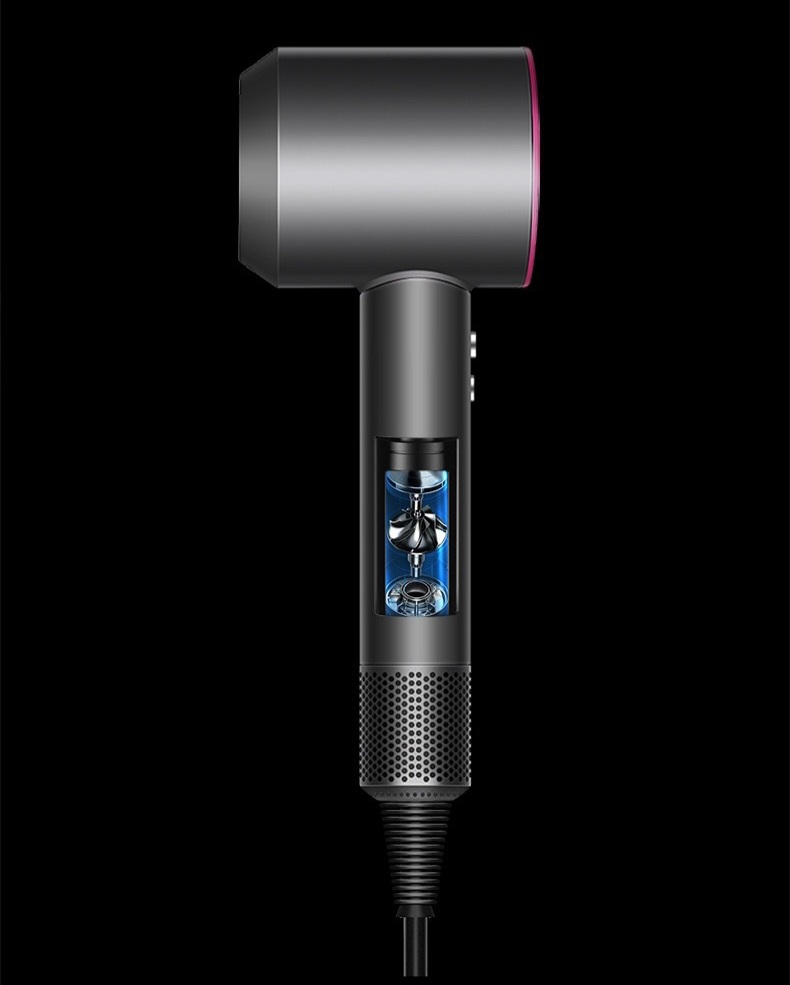
If you are looking for a reliable hair dryer manufacturer in China, the lowest quotation should not be the only factor in your purchasing decision. A hair dryer is a small electrical appliance, but its manufacturing process involves multiple components and quality-control requirements. Motor performance, heating elements, airflow, temperature control, electrical safety, housing materials, assembly accuracy, packaging, and market-specific requirements can all affect the final product.
For importers, wholesalers, distributors, retailers, salon-equipment suppliers, and private-label brands, choosing the right professional hair dryer factory can have a direct impact on product quality, customer satisfaction, returns, and long-term purchasing costs.
China has a mature supply chain for small electrical appliances, including plastic injection molding, motors, heating components, electronic components, cables, plugs, PCB assemblies, packaging, and final assembly. This makes China an important manufacturing base for hair dryers and other personal-care appliances.
What Makes a Professional Hair Dryer Factory?
A professional hair dryer factory should be able to do more than assemble products and provide a price list.
The factory’s manufacturing capabilities, engineering experience, quality-control procedures, production capacity, customization capabilities, and communication should all be considered before placing an order.
A serious B2B buyer should ask questions such as:
-
Does the factory manufacture the product directly?
-
What types of hair dryers does the factory produce?
-
Can the factory provide OEM and ODM services?
-
Can the voltage and plug be customized?
-
What motor options are available?
-
What heating technologies are available?
-
How is product safety tested?
-
Does the factory perform aging tests?
-
How are finished products inspected?
-
Can the factory provide samples before mass production?
-
Can packaging and labeling be customized?
-
What is the MOQ for customized products?
-
What documents and certifications are available for the target market?
These questions can help distinguish an experienced manufacturer from a supplier that simply sources products from other factories.
Hair Dryer Manufacturing Process
The production of a hair dryer normally involves several stages. The exact process depends on the product design, motor type, heating system, electronic functions, materials, and target market.
1. Product Design and Engineering
Before mass production begins, engineers need to define the product structure and specifications.
Important parameters may include:
-
Rated voltage
-
Rated power
-
Motor type
-
Airflow
-
Speed settings
-
Temperature settings
-
Cool-shot function
-
Heating element
-
Temperature protection
-
Housing material
-
Cable specification
-
Plug type
-
Product dimensions
-
Product weight
-
Noise requirements
-
Accessories
-
Packaging
For an OEM or ODM project, the process may also involve industrial design, logo placement, color selection, mold development, packaging design, and customized product functions.
The internal structure is particularly important. The motor, heating element, airflow path, electronic components, and thermal protection system need to work together rather than being designed independently.
2. Plastic Injection Molding
Many hair dryer housings are manufactured using injection molding.
Depending on the design and performance requirements, manufacturers may use materials such as ABS, PC, PP, or other suitable plastics.
The quality of injection molding affects more than appearance. It can also influence:
-
Housing strength
-
Dimensional accuracy
-
Assembly fit
-
Button operation
-
Airflow structure
-
Heat resistance
-
Surface finish
-
Overall product durability
For a completely new housing design, a buyer may need to invest in a new mold. Mold design, testing, modification, and approval should therefore be discussed before production begins.
3. Motor and Heating System
The motor is one of the most important components of a hair dryer.
Different product levels can use different motor technologies. A basic household model has different requirements from a professional salon dryer or a high-speed model.
Buyers should consider several factors rather than looking only at motor power.
These include:
-
Airflow
-
Operating speed
-
Noise
-
Heat generation
-
Energy consumption
-
Service life
-
Operating stability
The heating system is equally important. A higher electrical power rating does not automatically mean a better hair dryer.
The product needs to provide sufficient heat while maintaining appropriate temperature control and protection. Poor coordination between airflow and heating can result in excessive temperatures, unstable performance, or an uncomfortable user experience.
4. Electronic Components and Controls
Modern hair dryers can contain considerably more electronics than traditional models.
Depending on the design, a product may include:
-
Multiple speed settings
-
Multiple temperature settings
-
Cool air
-
Electronic controls
-
Temperature monitoring
-
Thermal protection
-
Ionization functions
-
LED indicators
-
Digital displays
-
Memory functions
The electronic system needs to be designed around the electrical specifications of the target market.
For international orders, buyers should confirm voltage and frequency requirements before production.
For example, a product intended for one market may require a different electrical configuration from a product intended for another market.
5. Final Assembly
After individual components have been prepared, the factory assembles the complete hair dryer.
A typical assembly process can involve:
-
Installing the motor
-
Installing the heating assembly
-
Connecting electrical components
-
Installing the PCB or control system
-
Connecting internal wiring
-
Installing the housing
-
Installing switches or buttons
-
Installing the air inlet and outlet components
-
Installing accessories
-
Completing the final assembly
Assembly accuracy is important because improperly positioned components can affect airflow, noise, electrical safety, heat distribution, or the appearance of the finished product.
6. Testing and Quality Control
Quality control should not begin only when the finished products are ready for shipment.
A professional manufacturing process should involve inspection at different stages.
Depending on the product, testing may include:
-
Power testing
-
Voltage testing
-
Current testing
-
Motor operation
-
Heating performance
-
Airflow performance
-
Temperature testing
-
Switch testing
-
Cable inspection
-
Plug inspection
-
Insulation and electrical safety testing
-
Overheating protection
-
Noise testing
-
Appearance inspection
-
Assembly inspection
-
Aging or endurance testing
The exact tests required depend on the product design and destination market.
For B2B buyers, it is useful to request information about the manufacturer’s inspection process before placing a large order.
OEM and ODM Hair Dryer Manufacturing
OEM and ODM services are particularly important for brands that do not want to sell a standard factory product.
With OEM manufacturing, the buyer may provide branding, packaging, specifications, or other requirements while the manufacturer produces the product according to the agreed specifications.
ODM projects can involve more extensive product development, including:
-
Product appearance
-
Housing design
-
Color
-
Logo
-
Motor configuration
-
Heating system
-
Control system
-
Accessories
-
Packaging
-
User manual
-
Product functions
However, customization normally increases development requirements.
A buyer should establish the specifications before requesting a final quotation. Changing the mold, motor, electronics, packaging, or accessories after production has started can increase both cost and lead time.
How Much Does a Hair Dryer Cost?
There is no single price for a wholesale hair dryer.
The factory price can vary considerably depending on the product design and order requirements.
Important cost factors include:
-
Motor type
-
Power rating
-
Heating system
-
Housing material
-
Electronics
-
Product design
-
Accessories
-
Packaging
-
Custom mold
-
Logo printing
-
Order quantity
-
Testing requirements
-
Destination-market specifications
A basic model and a professional high-speed hair dryer should not be compared only by unit price because their internal components and manufacturing requirements can be substantially different.
For a serious quotation, the buyer should provide the manufacturer with the expected quantity, target market, voltage, plug type, desired functions, packaging requirements, logo requirements, and any applicable compliance requirements.
MOQ for Wholesale Hair Dryers
Minimum order quantity depends on the manufacturer and the level of customization.
For an existing model, the MOQ may be lower because the product and mold are already available.
For a completely customized product, the manufacturer may require a higher MOQ because of:
-
Mold costs
-
Material purchasing
-
Custom packaging
-
Printing
-
Special components
-
Production-line setup
-
Testing and development
If you are launching a new brand, it is often better to discuss your expected annual purchasing volume rather than focusing only on the first order.
A manufacturer may be able to suggest a more practical production solution based on your projected demand.
How to Choose a Hair Dryer Manufacturer in China
Before choosing a supplier, buyers should conduct a basic supplier evaluation.
Manufacturing Capability
Ask whether the company actually operates a manufacturing facility and what production processes are handled internally.
Product Experience
A factory with experience producing the specific type of hair dryer you need may be better positioned to understand the technical requirements.
Quality Control
Ask how incoming materials, components, semi-finished products, and finished products are inspected.
Customization
If you need your own brand, check whether the manufacturer can support logo printing, packaging, color customization, product design, and other OEM/ODM requirements.
Communication
Good communication is particularly important for customized products. Technical specifications should be confirmed in writing rather than relying only on product photographs or verbal descriptions.
Samples
Always evaluate samples before committing to a large production order.
The sample should be tested for actual performance rather than judged only by appearance.
Export Considerations for International Buyers
A hair dryer manufactured for export needs to match the requirements of its destination market.
Before production, buyers should confirm:
-
Voltage
-
Frequency
-
Plug type
-
Product labeling
-
Packaging language
-
User manual
-
Electrical safety requirements
-
Applicable testing or certification requirements
-
Shipping restrictions
-
Import documentation
The specific requirements can differ between countries and product configurations.
Therefore, buyers should identify the destination market at the beginning of the project rather than asking the factory to modify the product after production has started.
Why Work Directly With a Hair Dryer Factory?
Buying directly from a manufacturer can provide better communication between the buyer and the production team.
It can also make it easier to discuss:
-
Product specifications
-
OEM requirements
-
ODM development
-
Production schedules
-
Quality control
-
Packaging
-
Product modifications
-
Future orders


No reply content