
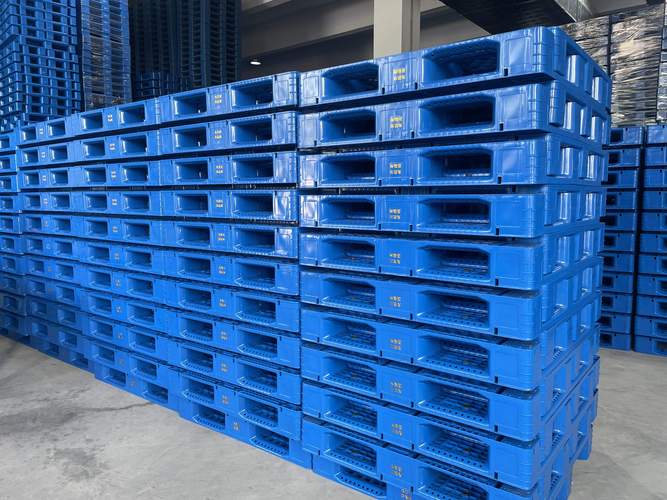
In today’s global supply chain environment, plastic pallets have become essential infrastructure for warehousing, export logistics, cold storage, food processing, pharmaceuticals, and automated distribution systems. While pallets may appear to be simple platforms for stacking goods, their structural integrity, material composition, load-bearing performance, and compliance standards directly influence operational efficiency and transportation safety.
As a professional plastic pallet manufacturing factory with years of experience in injection molding and structural engineering, we understand that selecting the right pallet is not just about price—it is about long-term durability, compliance, and total cost of ownership.
This comprehensive guide provides a transparent look into how heavy-duty plastic pallets are designed, manufactured, tested, customized, and supplied at scale. It reflects real production experience, material expertise, and international export knowledge, meeting E-E-A-T standards: Experience, Expertise, Authoritativeness, and Trustworthiness.
1. What Is a Professional Plastic Pallet Manufacturing Factory?
A true plastic pallet factory integrates:
- High-tonnage injection molding machines (800T–4000T)
- Precision steel mold development
- HDPE and PP raw material processing
- Reinforcement design (steel pipe integration)
- Dynamic load testing equipment
- Quality inspection laboratories
- Export logistics coordination
Unlike small workshops, an industrial pallet factory operates under controlled production systems to ensure dimensional accuracy, structural stability, and long service life.
2. Types of Plastic Pallets We Manufacture
Different industries require different pallet structures. A professional manufacturer typically offers the following models:
2.1 Single-Face Plastic Pallets
Used for:
- Light storage
- Export shipments
- Manual handling
Advantages:
- Lightweight
- Cost-effective
- Easy stacking
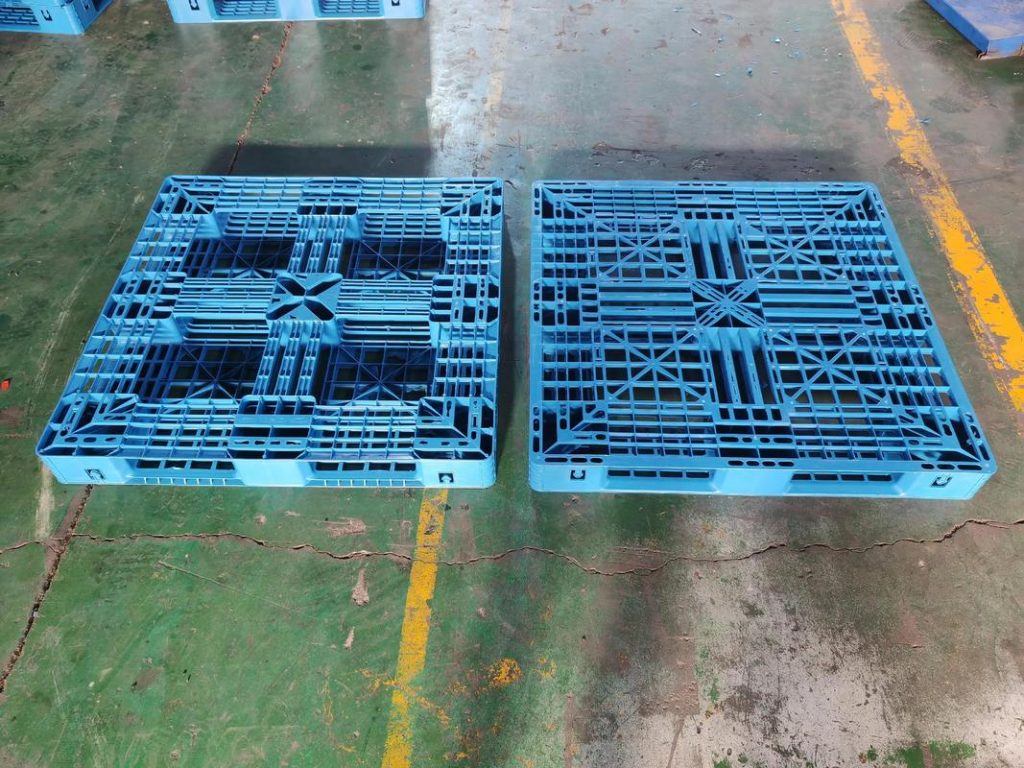
2.2 Double-Face Plastic Pallets
Designed for:
- Heavy warehouse stacking
- Racking systems
- High-load applications
These pallets distribute weight evenly and provide improved structural rigidity.
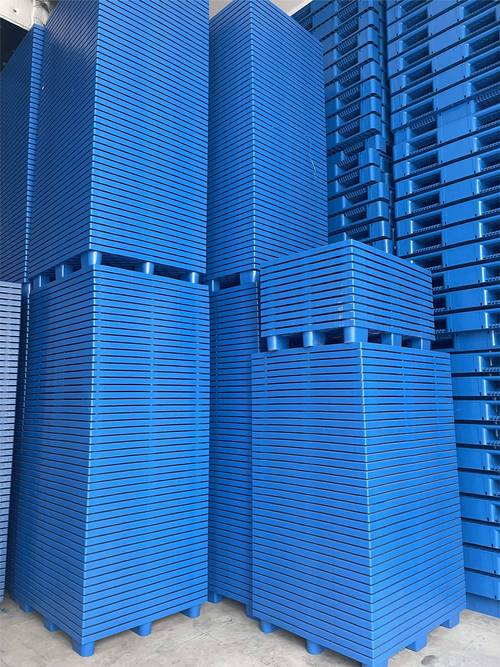
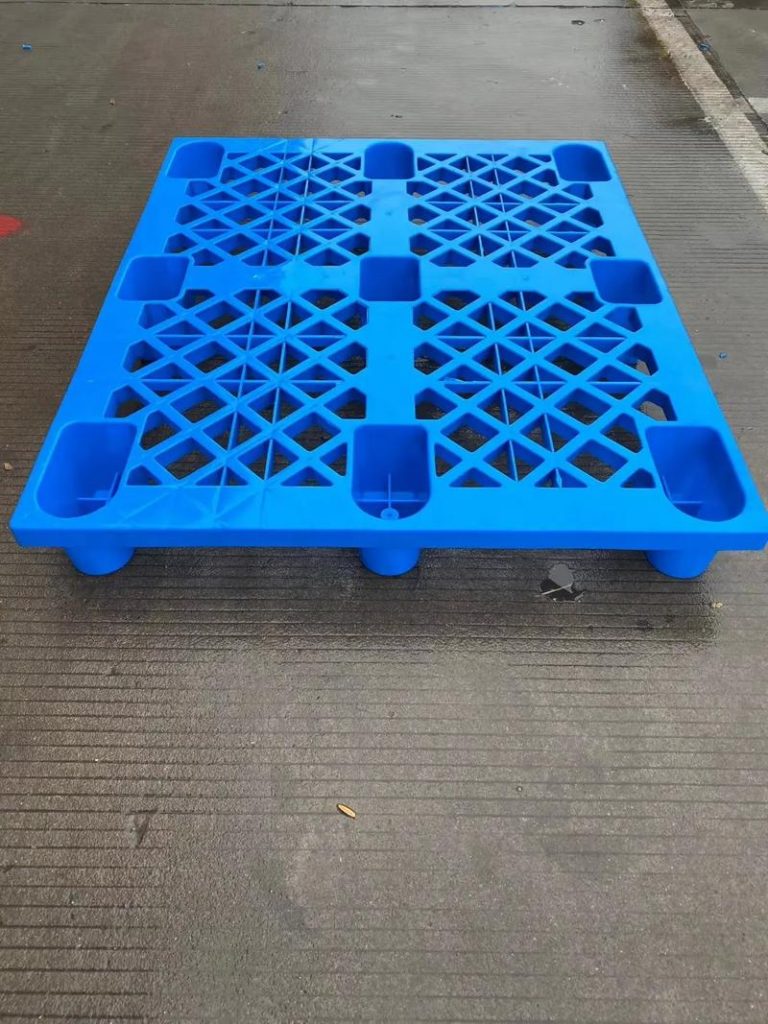
2.3 9-Leg Plastic Pallets
Common in:
- Export logistics
- One-way shipments
- Container loading
Benefits:
- Nestable design
- Reduced shipping volume
- Lower storage cost
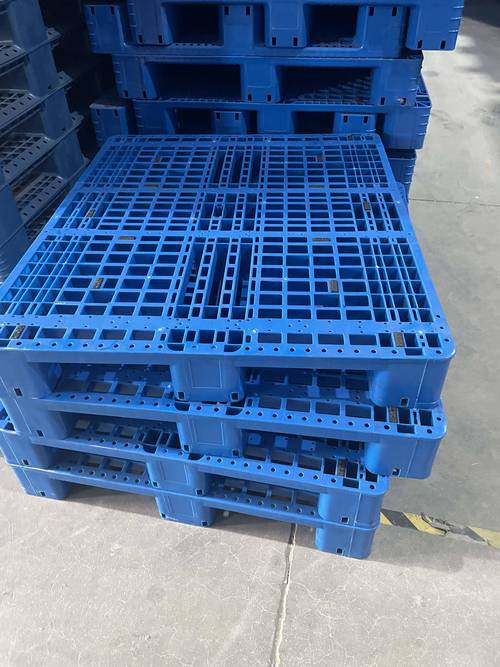
2.4 Grid-Top Plastic Pallets
Ideal for:
- Cold storage
- Ventilated environments
- Food and agricultural use
The grid design allows airflow and moisture drainage.
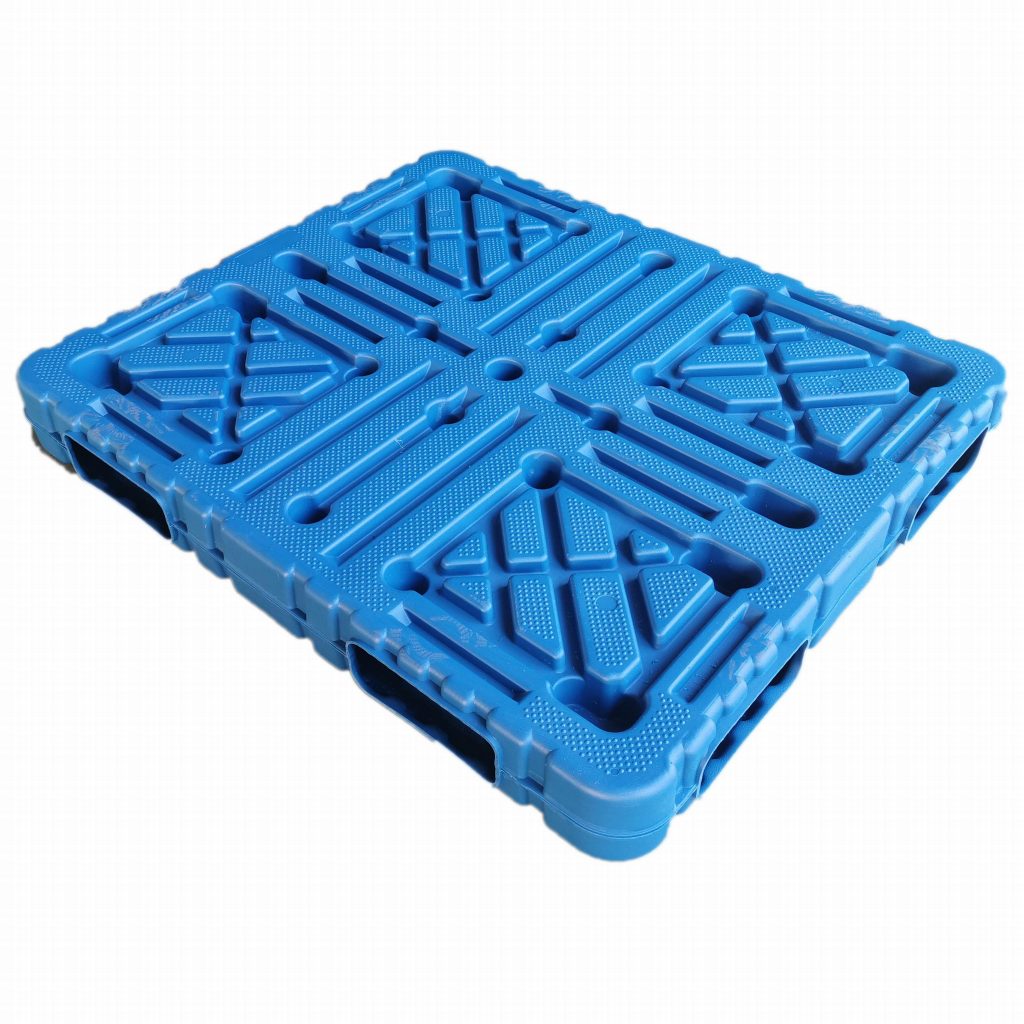
2.5 Flat-Top Plastic Pallets
Used for:
- Pharmaceutical industry
- Cleanroom environments
- Food-grade operations
Flat surfaces prevent contamination and are easy to clean.
2.6 Steel-Reinforced Plastic Pallets
For:
- Heavy-duty racking systems
- High dynamic load conditions
Steel tubes are inserted into pallet structures to increase bending resistance.
3. Raw Materials: HDPE vs PP in Pallet Manufacturing
Material selection directly affects performance.
HDPE (High-Density Polyethylene)
- Excellent impact resistance
- Better performance in low temperatures
- Strong chemical resistance
- Common for heavy-duty pallets
PP (Polypropylene)
- Higher stiffness
- Suitable for lighter-duty pallets
- Lower cost
We also offer:
- Virgin material pallets (food-grade)
- Recycled material pallets (cost-efficient)
- Anti-UV stabilized pallets for outdoor use
- Anti-static pallets for electronic industry
Each batch of material undergoes:
- Melt flow index testing
- Density analysis
- Moisture control
- Contamination inspection
4. Injection Molding Process for Plastic Pallets
Plastic pallets are manufactured using large-scale injection molding machines.
Step 1: Raw Material Preparation
HDPE or PP pellets are dried and mixed with:
- UV stabilizers
- Color masterbatch
- Reinforcement additives
Step 2: High-Pressure Injection
Molten plastic is injected into precision steel molds under high pressure.
This process ensures:
- Uniform wall thickness
- Structural consistency
- Dimensional accuracy
Step 3: Cooling & Solidification
Controlled cooling prevents:
- Warping
- Shrinkage defects
- Surface distortion
Step 4: Demolding & Trimming
Finished pallets are ejected and excess material is removed.
Step 5: Reinforcement Installation (If Required)
Steel tubes are inserted into pre-designed channels for heavy-duty models.
Step 6: Quality Inspection
Each pallet undergoes:
- Visual inspection
- Dimension measurement
- Weight verification
- Load capacity sampling tests
5. Load Capacity & Engineering Standards
Understanding load capacity is critical.
Three key parameters:
- Static load (when pallet is stationary)
- Dynamic load (when moved by forklift)
- Racking load (when stored on rack beams)
Example (for heavy-duty pallet):
- Static load: 4000–6000 kg
- Dynamic load: 1000–2000 kg
- Racking load: 800–1500 kg
Actual performance depends on:
- Material type
- Design structure
- Reinforcement
- Usage environment
Professional factories conduct:
- Bending tests
- Drop tests
- Compression tests
- Temperature resistance tests
6. Compliance & International Standards
Export plastic pallets may comply with:
- ISO quality systems
- Food-grade safety standards
- REACH chemical compliance
- RoHS (for electronics industry)
- HACCP for food processing
Unlike wooden pallets, plastic pallets:
- Require no fumigation
- Are ISPM-15 exempt
- Suitable for international shipping
Certificates and compliance documents can be provided upon request.
7. Custom Plastic Pallet OEM Solutions
We support OEM & ODM customization:
Customization options include:
- Custom size (e.g., 1200×1000mm, 1100×1100mm, 1200×800mm)
- Custom color
- Logo printing or embossing
- RFID chip integration
- Anti-slip rubber inserts
- Steel reinforcement
- Fire-retardant versions
Custom mold development is available for large-volume buyers.
8. Production Capacity & Lead Time
A medium-to-large pallet factory typically operates:
- Multiple injection molding machines
- Automated robotic handling systems
- Stable daily output capacity
Lead time depends on:
- Order quantity
- Customization level
- Material type
- Reinforcement requirement
Standard models have faster turnaround compared to custom molds.
9. Quality Control System
Our factory applies a structured QC process:
Incoming Inspection
Raw material verification.
In-Process Monitoring
Injection pressure and cooling time control.
Final Inspection
Dimensions, surface quality, and structure.
Random Load Testing
Sample pallets tested for load performance.
Each production batch is traceable.
10. Warehouse & Logistics Applications
Plastic pallets are widely used in:
- Automated warehouse systems
- Cold chain logistics
- Pharmaceutical distribution
- Food production facilities
- Chemical storage
- Supermarket distribution centers
Compared to wooden pallets, plastic pallets offer:
- Longer lifespan
- Hygienic surface
- Recyclability
- Consistent dimensions
- Resistance to moisture and pests
FAQ — Frequently Asked Questions
1. Can you customize plastic pallets according to our specifications?
Yes.
We support:
- Custom size production
- Steel reinforcement design
- Logo embossing or printing
- RFID integration
- Anti-slip rubber installation
- Special color matching
Engineering drawings can be provided before mold development.
2. What is your MOQ (Minimum Order Quantity)?
MOQ depends on model type:
- Standard pallets: usually 50–200 pcs
- Customized color/logo: 200–500 pcs
- New mold development: negotiated based on project
Large-volume orders receive better pricing.
3. What is the production lead time?
Estimated lead times:
- Standard stock pallets: 5–10 days
- Customized pallets: 15–30 days
- New mold production: 30–45 days
Lead time begins after deposit and technical confirmation.
4. Do you have ready stock available?
Yes.
We normally stock:
- 1200×1000mm heavy-duty pallets
- 1100×1100mm export pallets
- 9-leg nestable pallets
Stock availability changes depending on season and demand.
Custom models are produced upon order.
Please contact us for current inventory.
5. Are your plastic pallets recyclable?
Yes.
HDPE and PP pallets are recyclable and environmentally friendly compared to wood.
Conclusion: Why Choose a Professional Plastic Pallet Manufacturer?
Plastic pallets are critical infrastructure components in modern supply chains. Poor-quality pallets can cause:
- Warehouse accidents
- Load collapse
- Product damage
- Forklift inefficiency
- Increased long-term cost
A reliable manufacturer offers:
- Engineering expertise
- Verified load capacity
- Compliance documentation
- Stable production capacity
- Transparent communication
- Long-term supply reliability
Choosing the right plastic pallet supplier protects your operations, inventory, and brand reputation.
If you are looking for a heavy-duty custom plastic pallet manufacturer for warehouse, export, food-grade, or automated logistics use, we are ready to provide technical consultation, samples, and competitive bulk quotations.
Let’s build a stronger supply chain foundation together.


No reply content