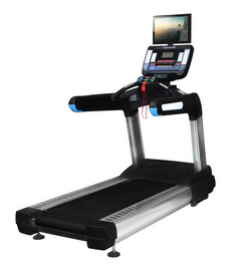
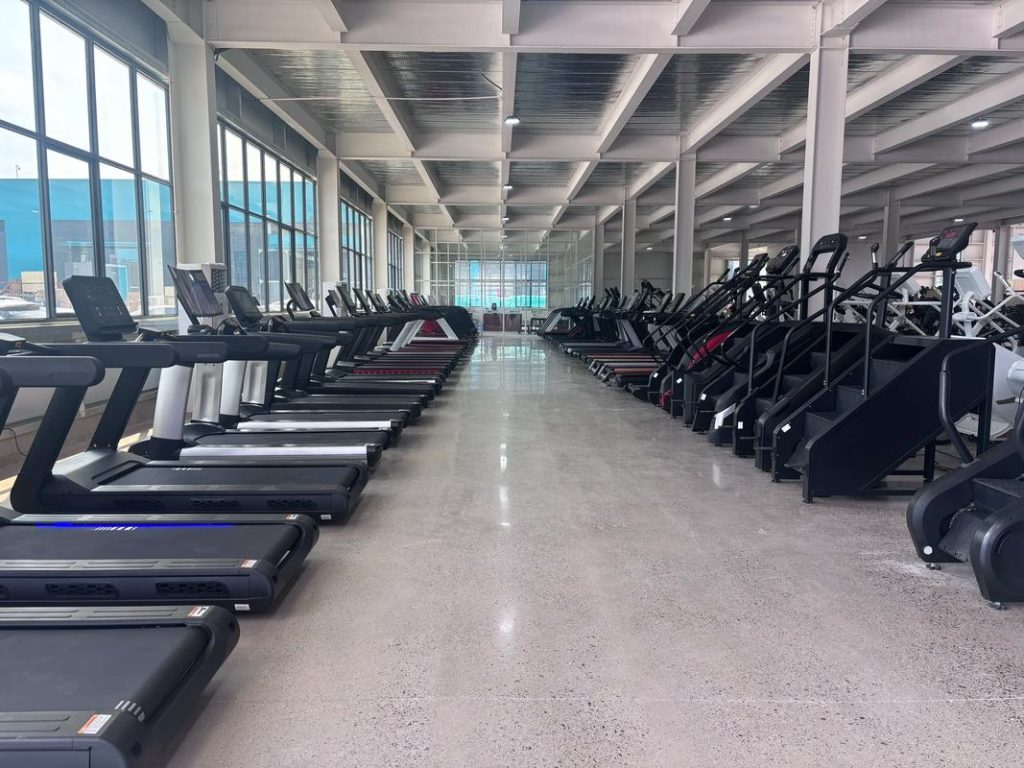
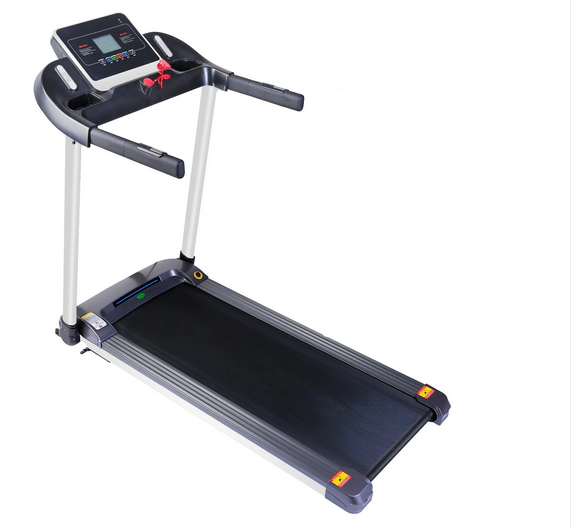
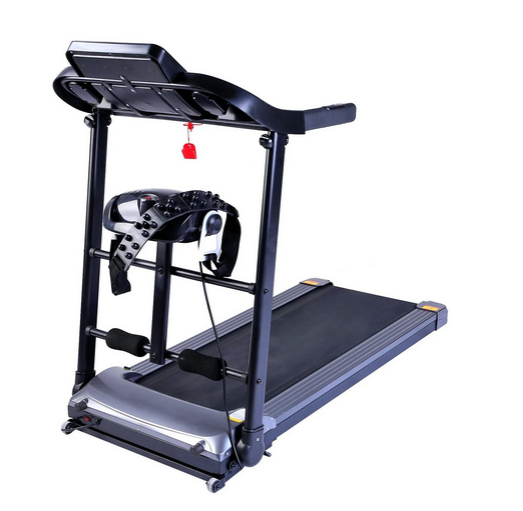
Introduction: Why “Heavy Duty” Matters More Than Ever
The global fitness equipment market has evolved rapidly, but one category continues to stand apart for professional buyers, serious users, and high-load environments: the heavy duty motorized treadmill.
Unlike standard residential treadmills designed for light daily use, heavy duty motorized treadmills are engineered for high torque output, structural reinforcement, continuous operation, and long-term mechanical stability. They are commonly used in commercial gyms, corporate wellness centers, training facilities, rehabilitation clinics, hotels, and demanding home gyms where reliability is non-negotiable.
This article provides a technical, experience-driven, and buyer-focused deep dive into heavy duty motorized treadmills—covering design principles, motor systems, load-bearing engineering, performance specifications, real-world applications, and how to evaluate manufacturer credibility under E-E-A-T standards.
What Is a Heavy Duty Motorized Treadmill?
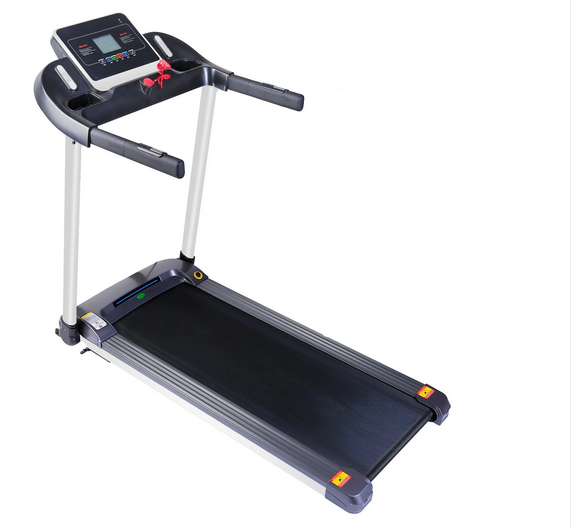
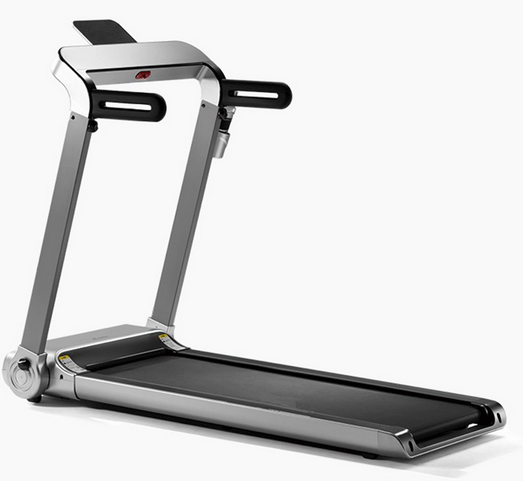
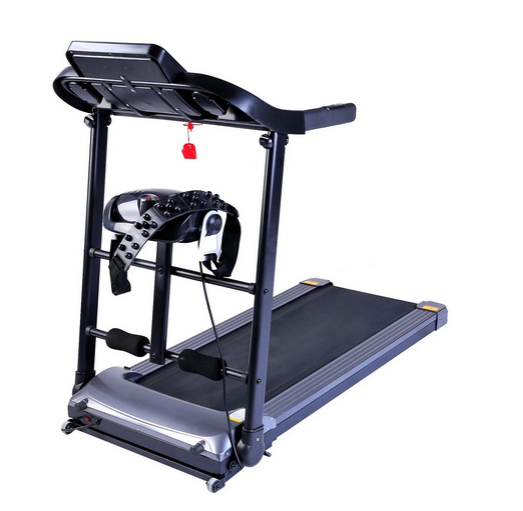
A heavy duty motorized treadmill is a treadmill built with reinforced mechanical components, a high-output motor system, and a load-rated structural frame, allowing it to support higher user weights, longer daily operating hours, and more intense training conditions than conventional treadmills.
Defining Characteristics
- High-power motor (AC or high-capacity DC)
- Reinforced steel frame construction
- Extra-thick running deck and belt
- High maximum user weight rating
- Advanced cooling and motor control systems
- Designed for long duty cycles
In professional terminology, “heavy duty” refers not to size alone, but to mechanical endurance, electrical stability, and structural fatigue resistance.
Core Advantages of Heavy Duty Motorized Treadmills
1. Superior Motor Output and Torque Stability
The motor is the defining component of any heavy duty treadmill. These machines are designed to maintain stable torque at low and high speeds, even under maximum load.
Key benefits include:
- No speed drop during incline or sprint phases
- Smooth belt acceleration and deceleration
- Reduced motor overheating
- Extended motor lifespan
This stability is critical for interval training, incline workouts, and high-weight users.
2. Structural Strength for High Load Capacity
Heavy duty treadmills typically support:
- 150–200 kg (330–440 lbs) user weight
- Continuous multi-hour daily operation
- High-impact foot strike forces
This is achieved through:
- Thick-wall steel tubing
- Reinforced weld joints
- Multi-point deck support systems
3. Long-Term Cost Efficiency
While initial cost is higher, heavy duty treadmills reduce:
- Motor replacement frequency
- Belt and deck wear
- Downtime due to mechanical failure
For commercial buyers and serious home users, this results in a lower total cost of ownership (TCO) over time.
Motor Systems: The Engineering Core
AC Motor vs Heavy-Duty DC Motor
| Motor Type | AC Motor | Heavy-Duty DC Motor |
|---|---|---|
| Continuous Power | 3.0–5.0 HP | 2.5–4.0 HP |
| Peak Power | 6.0–7.0 HP | 5.0–6.0 HP |
| Duty Cycle | Continuous | High but limited |
| Noise Level | Moderate | Lower |
| Lifespan | Very long | Long |
| Typical Use | Commercial | Premium home / light commercial |
Most true heavy duty motorized treadmills for commercial use rely on AC motors due to their superior durability and load handling.
Recommended Motor Specifications
- Continuous Duty Power: ≥ 3.0 HP
- Peak Output: ≥ 6.0 HP
- Voltage: 220–240V (or 110V US models)
- Cooling: Independent fan-assisted system
- Controller: IGBT-based motor controller
Speed and Incline Performance
Speed Capability
| Parameter | Heavy Duty Standard |
|---|---|
| Speed Range | 0.8 – 20 km/h |
| Speed Accuracy | ±0.1 km/h |
| Acceleration Control | Soft-start algorithm |
High-end models maintain speed consistency even under maximum load.
Incline System
- Incline Range: 0–15%
- Incline Motor: Independent high-torque motor
- Load Rating: Full user weight + deck mass
Incline motors in heavy duty treadmills are rated for continuous lifting cycles, not intermittent residential use.
Running Belt and Deck Engineering
Running Surface Dimensions
- Length: 1500–1600 mm
- Width: 550–600 mm
A wider belt improves:
- Running stability
- Safety for high-speed users
- Comfort for taller or heavier runners
Deck Construction
- Multi-layer phenolic or laminated deck
- Thickness: 18–25 mm
- Moisture-resistant coating
- Anti-static surface treatment
Shock Absorption System
Heavy duty treadmills use:
- 8–12 point cushioning systems
- Variable-density elastomers
- Impact dispersion zones
This reduces joint stress and extends deck lifespan.
Structural Frame and Load-Bearing Design
Frame Materials
- High-carbon steel (Q235 / Q345)
- Laser-cut steel plates
- Robotic or precision welding
Weight and Stability
| Parameter | Typical Range |
|---|---|
| Net Weight | 180–250 kg |
| Max User Weight | 150–200 kg |
| Frame Type | Welded steel |
Heavier frames reduce vibration and noise during high-speed operation.
Control Console and Interface Options
While heavy duty treadmills focus on mechanics, modern models often integrate digital interfaces.
Console Options
- LED matrix displays
- LCD screens
- Touchscreen consoles (optional)
Displayed Metrics
- Speed
- Incline
- Time
- Distance
- Calories (MET-based)
- Heart rate
Commercial-grade electronics are designed for sweat resistance and electrical stability.
Comparison: Heavy Duty vs Standard Motorized Treadmill
| Feature | Heavy Duty | Standard |
|---|---|---|
| Motor Type | AC / High-capacity DC | DC |
| Load Capacity | 150–200 kg | 100–120 kg |
| Frame Weight | Very heavy | Moderate |
| Daily Use | 8–16 hours | 1–2 hours |
| Lifespan | Long-term | Limited |
| Price | Higher | Lower |
For demanding users, the performance gap is substantial.
Typical Application Scenarios
Commercial Gyms
- High traffic
- Continuous operation
- Multiple user profiles
Corporate Fitness Centers
- Reliability
- Low maintenance
- Long service cycles
Rehabilitation Facilities
- Smooth speed control
- Structural safety
- Stable incline systems
High-End Home Gyms
- Heavy users
- Long sessions
- Professional expectations
Maintenance and Longevity
Routine Maintenance
- Weekly belt inspection
- Monthly lubrication
- Quarterly bolt tightening
- Annual motor inspection
Expected Service Life
- Motor: 8–12 years (commercial use)
- Deck & belt: 4–6 years
- Electronics: Software-supported
Technical Specification Table (Sample)
| Parameter | Specification |
|---|---|
| Motor Type | AC Motor |
| Continuous Power | 4.0 HP |
| Peak Power | 7.0 HP |
| Speed Range | 0.8–20 km/h |
| Incline | 0–15% |
| Running Area | 1600 × 580 mm |
| Max User Weight | 180 kg |
| Net Weight | 220 kg |
| Power Supply | 220–240V |
| Certifications | CE / RoHS / ISO |
Evaluating Manufacturer Credibility (E-E-A-T Framework)
Experience
- Years of treadmill manufacturing
- Export history to regulated markets
Expertise
- In-house motor and control system development
- Structural engineering capability
Authoritativeness
- ISO-certified production facilities
- Third-party testing reports
Trustworthiness
- Transparent specifications
- Clear warranty policies
- Long-term spare parts support
Frequently Asked Questions (FAQ)
Q1: What qualifies a treadmill as “heavy duty”?
A heavy duty treadmill features a reinforced frame, high-power motor, and high load rating designed for continuous use.
Q2: Is an AC motor necessary?
For commercial or high-load use, yes. AC motors offer superior durability and torque stability.
Q3: Can heavy duty treadmills be used at home?
Yes, especially in premium home gyms with space and electrical capacity.
Q4: How much maintenance is required?
Similar to standard treadmills, but with longer service intervals due to stronger components.
Q5: What certifications should I look for?
CE, RoHS, ISO9001, and electrical safety certifications are essential.
Final Thoughts: Investing in True Heavy Duty Performance
A heavy duty motorized treadmill is not defined by appearance or marketing language, but by engineering discipline, component quality, and real-world durability.
For buyers who value:
- Stable performance
- Long service life
- Safety under high load
- Professional-grade reliability
Heavy duty treadmills deliver unmatched value over time.
When selected correctly, they become a long-term asset—not a recurring maintenance problem.


No reply content