
Looking for a reliable heavy duty plastic pallet manufacturer for bulk purchase, warehouse projects, or OEM private label distribution?
This comprehensive guide is written based on real-world manufacturing, export logistics experience, and industrial packaging knowledge. It is designed for logistics companies, warehouse operators, distributors, FMCG suppliers, food processing plants, pharmaceutical manufacturers, and industrial project contractors seeking durable, cost-effective plastic pallet solutions.In this article, we provide professional insights into plastic pallet types, materials, load capacity standards, production processes, quality control systems, customization options, certifications, pricing structure, MOQ, lead time, and stock availability. The content follows E-E-A-T principles (Experience, Expertise, Authoritativeness, Trustworthiness) to help global buyers make informed and secure purchasing decisions.
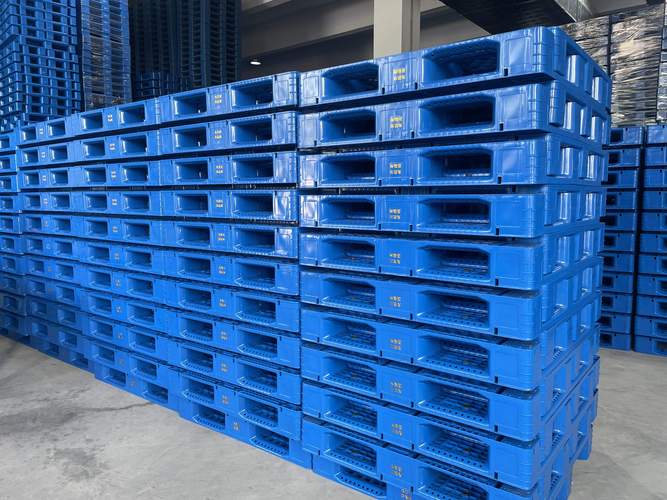
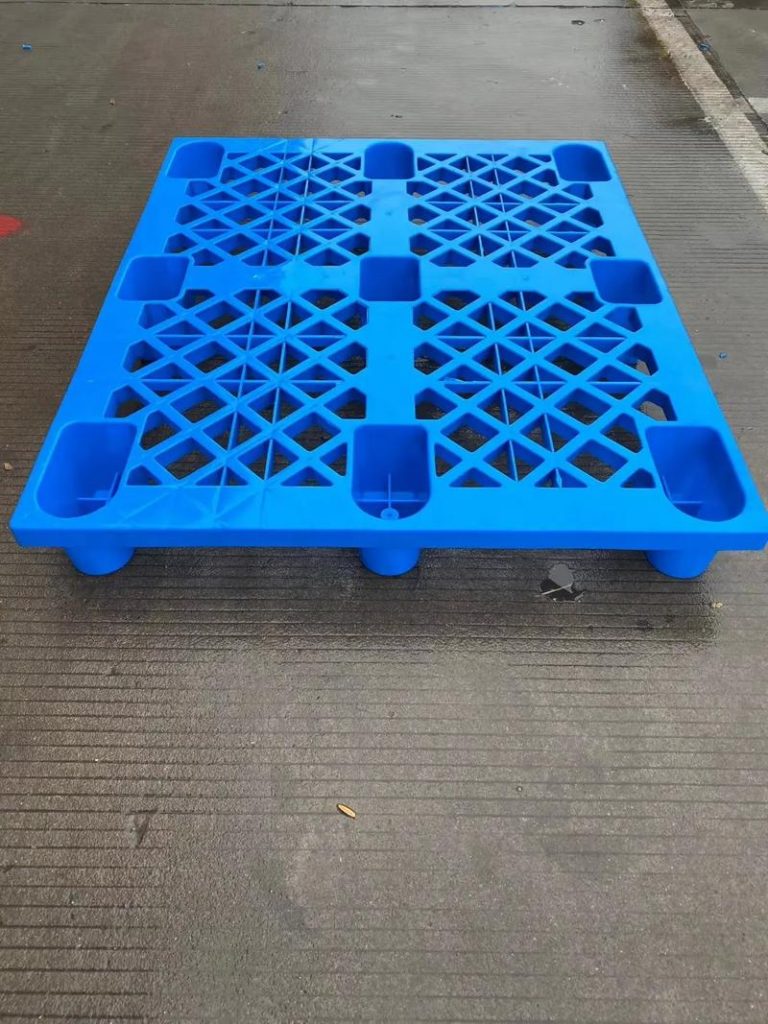
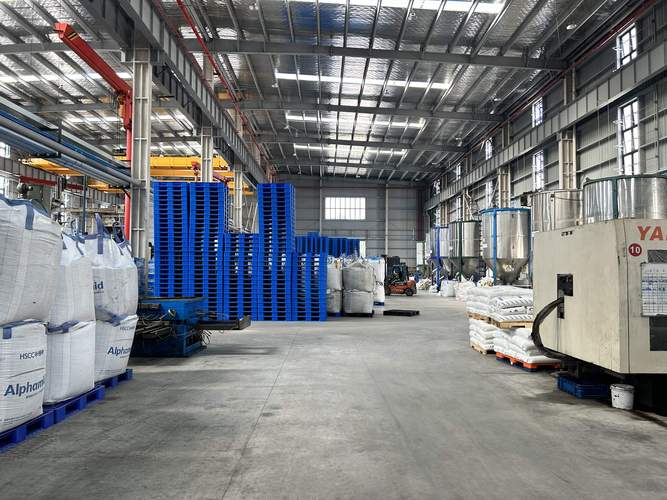
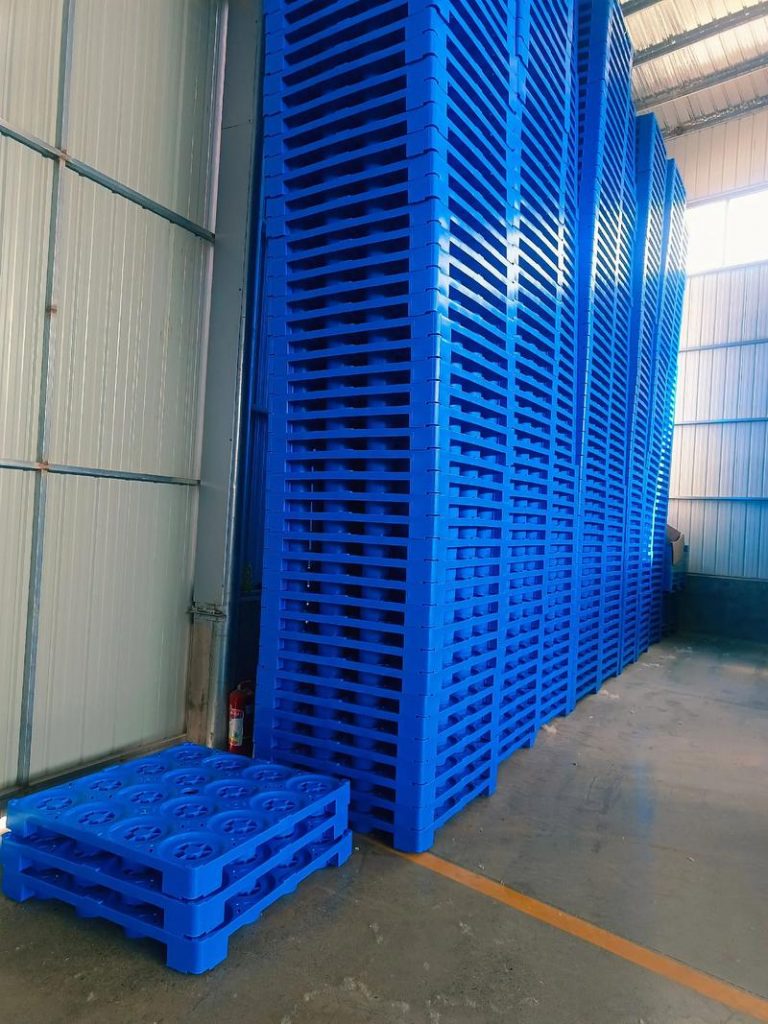

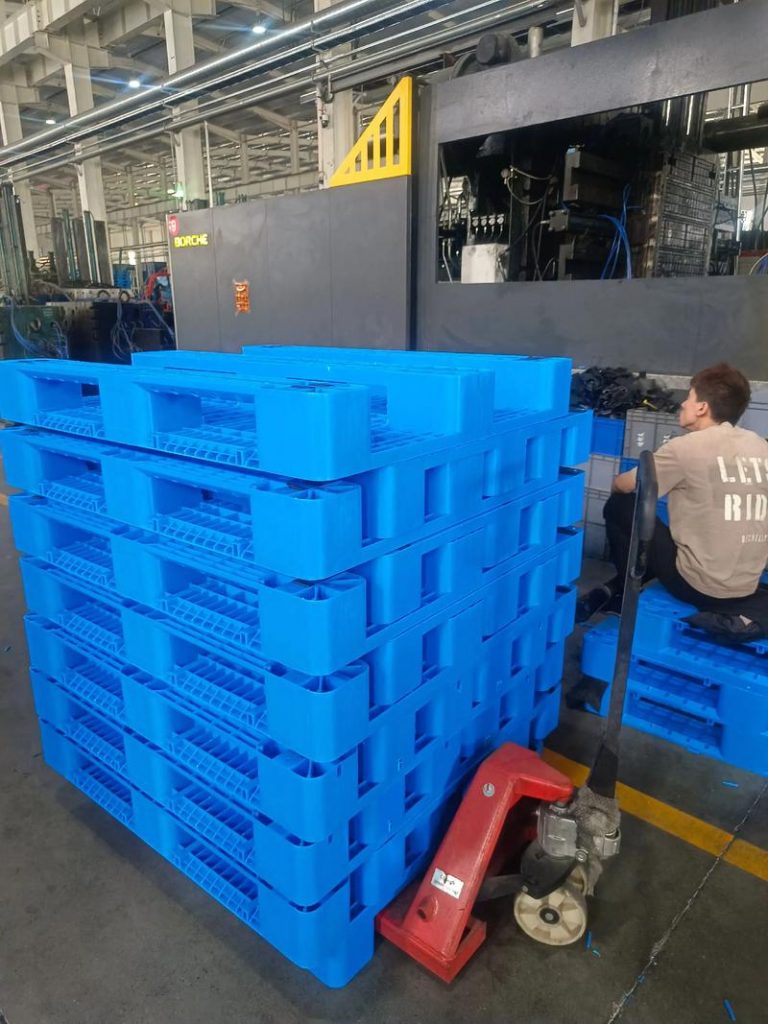
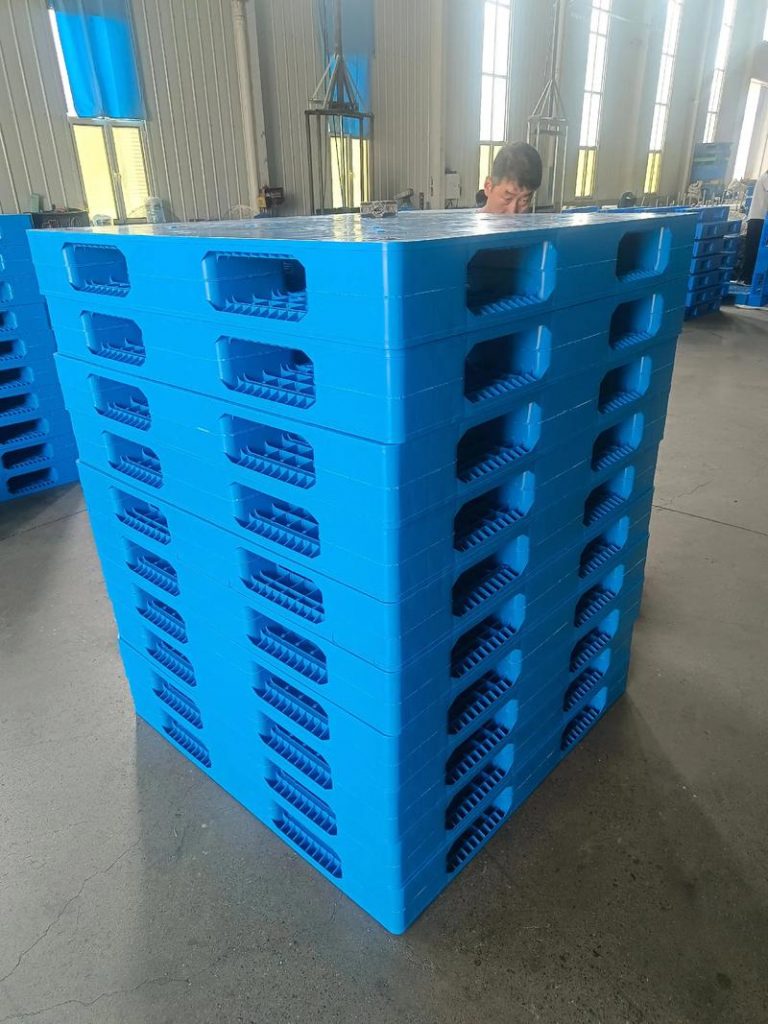
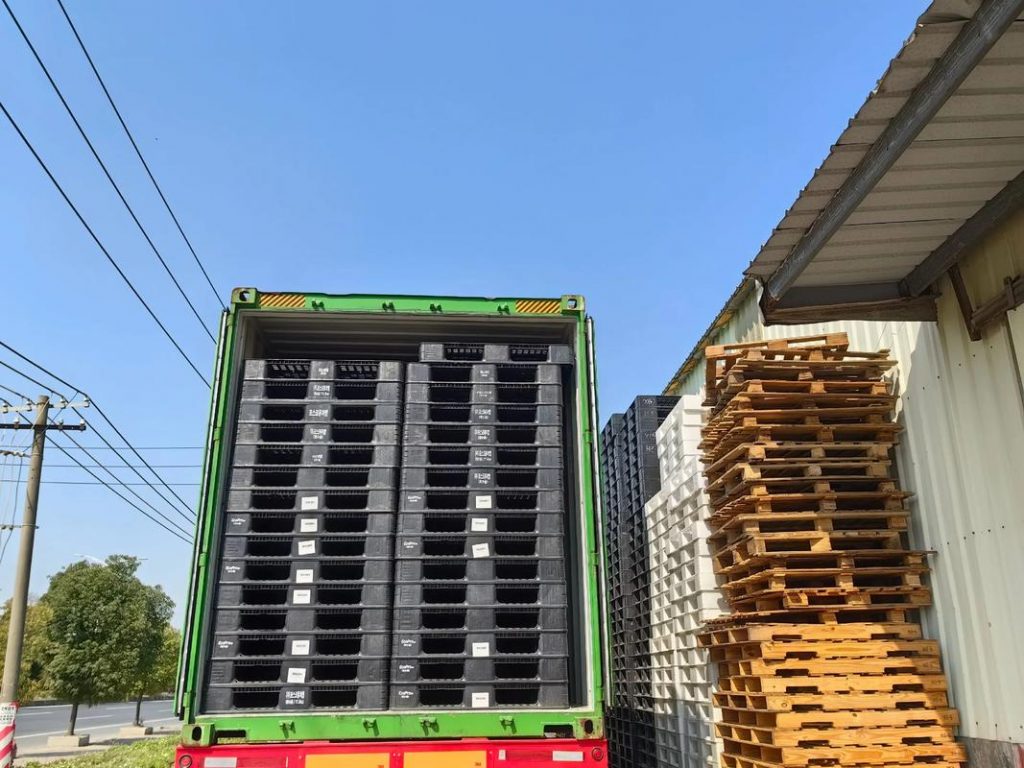
Why Plastic Pallets Are Replacing Traditional Wooden Pallets Worldwide
In modern supply chains, efficiency, hygiene, and durability matter more than ever. Plastic pallets are increasingly preferred over wood pallets because they offer:
- Longer lifespan
- Resistance to moisture and insects
- Consistent dimensions
- Easier cleaning and sanitation
- Lower long-term maintenance cost
- Export compliance without fumigation
Common long-tail search keywords include:
- Heavy duty plastic pallet manufacturer
- Industrial HDPE plastic pallet supplier
- Warehouse racking plastic pallet wholesale
- Export plastic pallet factory
- Custom size plastic pallet OEM
Plastic pallets are widely used in:
- Warehousing & logistics
- FMCG distribution
- Food & beverage industry
- Pharmaceutical sector
- Cold chain storage
- Chemical transportation
Selecting the right manufacturer ensures long-term performance, safety compliance, and cost efficiency.
1. Types of Plastic Pallets
1.1 Rackable Plastic Pallets
Designed for warehouse racking systems.
Features:
- High static and dynamic load capacity
- Reinforced steel bars (optional)
- Anti-slip surface
- Durable bottom structure
Suitable for:
- High-bay storage
- Automated warehouse systems
- Long-term shelf storage
1.2 Nestable Plastic Pallets
Advantages:
- Space-saving design
- Lower shipping cost
- Lightweight
Commonly used for:
- Export shipping
- One-way transportation
- Retail distribution
1.3 Stackable Plastic Pallets
Features:
- Solid deck design
- High load-bearing capacity
- Strong bottom runners
Ideal for:
- Heavy industrial storage
- Manufacturing facilities
- Distribution centers
1.4 Hygienic Plastic Pallets
Designed for:
- Food processing plants
- Pharmaceutical warehouses
- Clean room environments
Characteristics:
- Smooth surface
- Easy cleaning
- No contamination risk
- Food-grade material available
2. Raw Materials: HDPE vs PP
Material selection determines durability and application suitability.
2.1 HDPE (High-Density Polyethylene)
- High impact resistance
- Strong load-bearing capacity
- Excellent cold resistance
- Ideal for heavy-duty industrial pallets
2.2 PP (Polypropylene)
- Lightweight
- Cost-effective
- Suitable for light-duty applications
Professional manufacturers control raw material quality to ensure consistent mechanical performance.
3. Manufacturing Process of Plastic Pallets
Plastic pallets are typically produced using injection molding or blow molding.
Step 1: Raw Material Preparation
Virgin or recycled HDPE/PP granules prepared.
Step 2: High-Tonnage Injection Molding
Large injection machines (1,000–4,000 tons) mold pallet structure.
Step 3: Cooling & Structural Stabilization
Proper cooling ensures dimensional accuracy.
Step 4: Steel Reinforcement (Optional)
Metal reinforcement bars inserted for rackable models.
Step 5: Quality Testing
Load tests, impact tests, and dimensional inspection conducted.
Advanced machinery ensures consistent mass production capability.
4. Key Technical Specifications Buyers Must Consider
4.1 Static Load Capacity
Weight pallet can support when stationary.
Typical range:
- 1,000kg–6,000kg
4.2 Dynamic Load Capacity
Weight supported during forklift movement.
Typical range:
- 500kg–2,000kg
4.3 Racking Load Capacity
Weight supported on racking beams.
Critical for warehouse applications.
4.4 Dimensions
Common sizes:
- 1200x1000mm
- 1200x800mm (Euro pallet size)
- 1100x1100mm
- Custom sizes available
5. OEM & Custom Plastic Pallet Services
Professional manufacturers provide:
5.1 Logo & Branding
- Silk screen printing
- Embossed logo
- RFID tag integration
5.2 Color Customization
Pantone color matching available.
5.3 Size Customization
Custom molds developed for specific warehouse systems.
5.4 Anti-Slip & Reinforcement Options
- Anti-slip rubber inserts
- Steel reinforcement bars
- UV-resistant additives
6. Quality Control & Testing Procedures
Reliable factories conduct:
- Static load test
- Dynamic load test
- Impact drop test
- Temperature resistance test
- Dimension accuracy check
Strict QC reduces pallet deformation and cracking risk.
7. Applications Across Industries
Plastic pallets are widely used in:
- Supermarkets
- Beverage distribution
- Pharmaceutical storage
- Automotive manufacturing
- Cold chain logistics
- Chemical plants
- Agriculture product export
Their reusable nature reduces long-term operating costs.
8. Cost Structure & Pricing Factors
Pricing depends on:
- Material type (virgin vs recycled)
- Weight of pallet
- Reinforcement structure
- Size and design
- Order quantity
- Certification requirements
Bulk orders significantly reduce unit cost.
9. Export & Logistics Expertise
Professional manufacturers support:
- Container loading optimization
- Pallet stacking strategy
- Export documentation
- Global freight coordination
Plastic pallets eliminate fumigation requirements, reducing export complexity.
10. How to Choose a Reliable Plastic Pallet Manufacturer
Evaluate:
1. Injection Machine Tonnage Capacity
Larger machines indicate higher production capability.
2. Material Control System
Consistent raw material supply ensures stable quality.
3. Engineering Design Capability
Ability to develop custom molds.
4. Load Testing Equipment
Professional testing equipment ensures reliability.
5. Production Capacity
Ability to meet high-volume orders.
Frequently Asked Questions (FAQ)
Q1: Can you manufacture customized plastic pallets?
Yes. We provide OEM and ODM services including custom size, reinforcement structure, color, logo printing, RFID integration, and load capacity adjustment.
Q2: What is your MOQ (Minimum Order Quantity)?
MOQ depends on model:
- Standard pallet models: 50–200 pcs
- Custom color or logo: 200–500 pcs
- New mold development: Negotiable
Flexible MOQ available for distributors and project buyers.
Q3: What is the production lead time?
- Standard models: 7–15 days
- Custom orders: 20–30 days
- New mold development: 30–45 days
Lead time varies depending on quantity and season.
Q4: Do you have stock available?
Yes. Certain standard sizes and load capacities are available in stock for fast shipment.
Custom specifications are produced upon order confirmation.
Q5: Are food-grade certifications available?
Yes. Food-grade HDPE materials and compliance documentation can be provided when required.
Final Thoughts: Partner with a Professional Plastic Pallet OEM Manufacturer
Choosing the right plastic pallet manufacturer ensures:
- Long service life
- High load-bearing performance
- Compliance with international standards
- Competitive wholesale pricing
- Stable long-term supply
If you are sourcing heavy duty warehouse plastic pallets, hygienic food-grade pallets, export shipping pallets, or customized industrial pallet solutions, we are ready to support your bulk procurement needs with professional manufacturing expertise and global export experience.
If needed, I can also provide:
- Load capacity comparison chart
- Cost analysis per container
- Distributor cooperation proposal
- 1500-word website landing page version
- Technical specification template
Please share your target market and estimated quantity for a tailored solution.


No reply content