

📦 Reliable Plastic Pallet Solutions for Modern Logistics and Storage Systems
Plastic pallets are essential tools used in warehousing, transportation, and supply chain management. Designed for durability, hygiene, and long-term use, plastic pallets provide stable support for goods during storage and shipment.📦 Strong load-bearing structure
🚚 Suitable for logistics and transportation
🏭 Ideal for industrial and warehouse use
🌱 Reusable and long-lasting material
🔄 Compatible with forklifts and pallet systemsWith increasing demand for efficient logistics and global trade, plastic pallets have become a key component in modern supply chain operations.
📦 What Is a Plastic Pallet?
A plastic pallet is a flat transport structure made from durable plastic materials, used to support goods during storage and transportation. It allows products to be easily lifted and moved using forklifts, pallet jacks, or automated systems.
Key characteristics include:
📦 flat and stable platform
🔄 reusable structure
🚚 easy handling and transport
🏭 suitable for industrial environments
Plastic pallets improve efficiency in logistics and warehouse operations.
🏭 Materials Used in Plastic Pallets
Plastic pallets are manufactured using high-strength polymer materials designed for durability and long-term use.
Common materials include:
🧪 high-density polyethylene (HDPE)
⚙️ polypropylene (PP) materials
🧱 reinforced plastic composites
Material advantages include:
✔ resistance to moisture and chemicals
✔ long service life
✔ strong load-bearing capacity
✔ easy cleaning and maintenance
These properties make plastic pallets suitable for demanding industrial environments.
🧱 Structural Design of Plastic Pallets
Plastic pallets are engineered to provide stability, strength, and compatibility with handling equipment.
Important design features include:
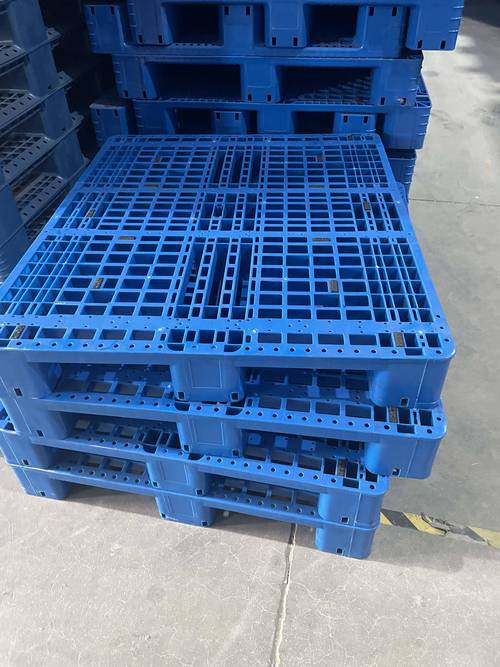
🧱 reinforced deck surface
🔩 ribbed bottom support structure
📦 anti-slip surface design
⚙️ forklift entry openings
These features ensure safe handling and efficient stacking during storage and transport.
⚖️ Load Capacity and Performance
Load capacity is one of the most important factors when selecting a plastic pallet.
Typical performance parameters include:
📦 static load capacity (stationary load)
🚚 dynamic load capacity (moving load)
🏗️ racking load capacity (shelf storage)
Choosing the correct load capacity ensures safe and efficient use in warehouse operations.
🏗️ Types of Plastic Pallets
Different pallet designs are available to meet various industrial and logistics requirements.
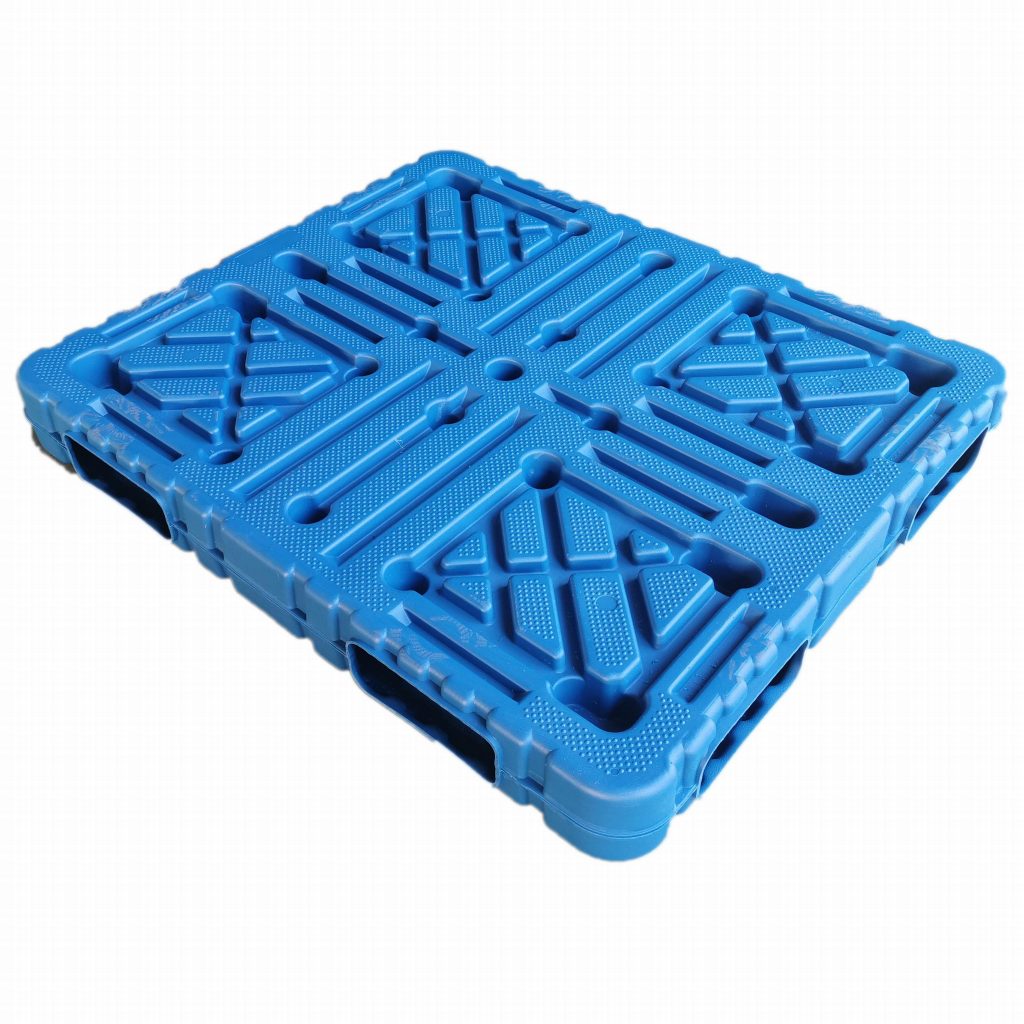
📦 Solid Deck Pallets
Solid deck pallets feature a closed surface that prevents small items from falling through.
Advantages include:
📦 stable surface for goods
🧼 easy cleaning and hygiene maintenance
🏭 suitable for food and pharmaceutical industries
🔄 Open Deck Pallets
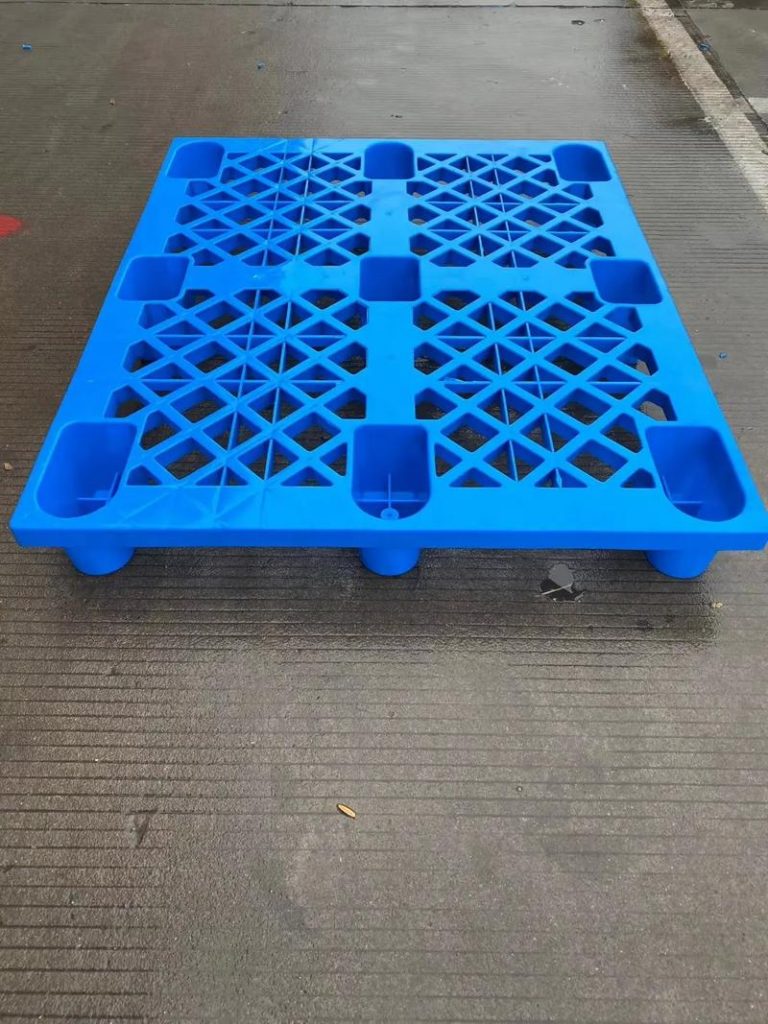
Open deck pallets have a ventilated surface design.
Key features include:
🌬️ improved airflow
⚖️ lighter weight
📦 cost-effective structure
These pallets are widely used in general logistics applications.
🧱 Rackable Pallets
Rackable pallets are designed for use in warehouse racking systems.
Important characteristics include:
🏗️ high structural strength
📦 stable support for shelving systems
🔩 reinforced bottom structure
They are ideal for high-density warehouse storage.
🚚 Applications in Logistics and Transportation
Plastic pallets are widely used in logistics systems for handling and transporting goods.
Common applications include:
🚚 cargo transportation
📦 warehouse storage
🏭 production line material handling
🌍 export shipping operations
They help improve efficiency and reduce manual handling.
🏭 Industrial Applications of Plastic Pallets
Plastic pallets are used across multiple industries due to their durability and hygiene properties.
Typical industries include:
🍎 food processing and storage
💊 pharmaceutical distribution
⚙️ manufacturing industries
📦 retail and wholesale distribution
Their resistance to moisture and contamination makes them suitable for sensitive environments.
🔄 Advantages Over Traditional Pallets
Plastic pallets offer several advantages compared to traditional materials.
Key benefits include:
🌱 longer lifespan
🧼 easy cleaning and sanitation
🚫 no splinters or nails
💧 resistance to moisture and chemicals
These advantages make plastic pallets a preferred choice in modern logistics systems.
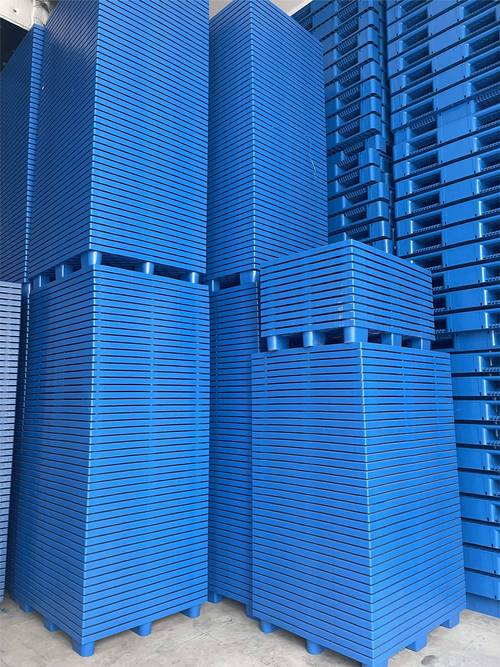
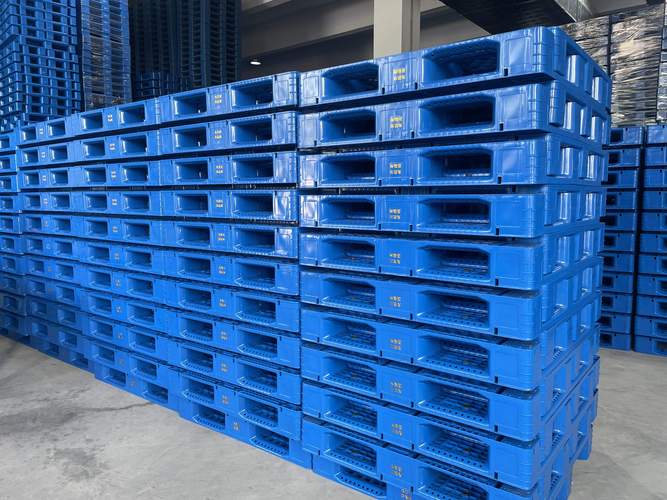
📦 Storage and Space Optimization
Plastic pallets are designed to improve storage efficiency in warehouses.
Benefits include:
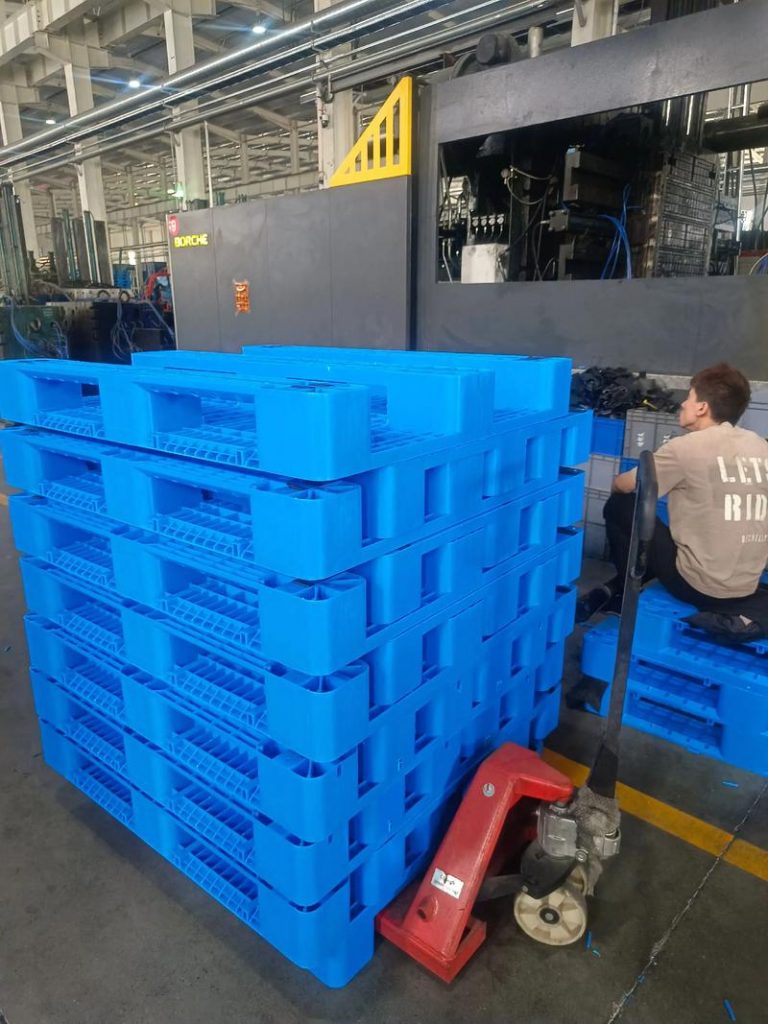
📦 stackable design
🏭 space-saving storage
🚛 easy transport handling
🔄 reusable system integration
Efficient storage helps reduce operational costs.
🌱 Environmental Benefits of Plastic Pallets
Reusable plastic pallets contribute to sustainable logistics operations.
Environmental advantages include:
♻️ long-term reuse
🌱 reduced waste generation
📦 recyclable materials
⚙️ durable design for extended use
These features support eco-friendly supply chain management.
🏭 Manufacturing Process of Plastic Pallets
Plastic pallets are produced using advanced molding technologies.
Typical production steps include:
🔥 plastic material melting
⚙️ injection or blow molding
🧱 structural forming
🔍 quality inspection and testing
Precision manufacturing ensures consistent quality and performance.
📈 Global Demand for Plastic Pallets
The demand for plastic pallets continues to grow due to expansion in logistics and global trade.
Key demand drivers include:
🌍 international shipping growth
🏭 warehouse automation systems
📦 increasing e-commerce activity
🚚 global supply chain development
These factors contribute to stable market demand.
📊 Benefits of Wholesale Plastic Pallet Supply
Wholesale supply offers advantages for distributors and industrial buyers.
Key benefits include:
📦 large volume availability
🚚 consistent product supply
💰 cost efficiency in bulk purchasing
🏭 support for industrial operations
Bulk supply helps businesses maintain stable logistics operations.
📩 Choosing the Right Plastic Pallet Supplier
Selecting a reliable supplier is important for ensuring product quality and long-term performance.
Key evaluation factors include:
🏭 manufacturing capacity
🔍 strict quality control
📦 export packaging capability
🚚 logistics support
Reliable suppliers ensure consistent product standards and delivery performance.
🔮 Future Trends in Plastic Pallet Industry
The plastic pallet industry continues to evolve with new materials and design innovations.
Future trends may include:
🌱 eco-friendly materials
⚙️ enhanced structural strength
📦 smarter logistics integration
🏭 compatibility with automated warehouse systems
These developments will improve efficiency and sustainability in logistics operations.
❓ FAQ – Plastic Pallets
1. What are plastic pallets used for?
Plastic pallets are used to store, transport, and handle goods in warehouses, factories, and logistics operations.
2. What materials are plastic pallets made from?
They are typically made from high-strength plastic materials such as HDPE or polypropylene.
3. Are plastic pallets better than traditional pallets?
Plastic pallets offer advantages such as durability, hygiene, and resistance to moisture and chemicals.
4. Can plastic pallets be reused?
Yes. Plastic pallets are designed for long-term reuse and can be used multiple times.
5. What industries use plastic pallets?
They are widely used in food processing, pharmaceuticals, manufacturing, logistics, and retail distribution.
6. How do you choose the right plastic pallet?
Buyers should consider load capacity, pallet size, material quality, and compatibility with handling equipment.


No reply content