

🪣 Durable Water Buckets Designed for Everyday and Industrial Applications
A water bucket is one of the most practical and widely used tools for carrying, storing, and transporting liquids. From household cleaning to agricultural irrigation and commercial work environments, durable water buckets play an important role in daily tasks.🪣 Strong and impact-resistant structure
💧 Designed for water storage and liquid transport
🏡 Suitable for homes, farms, and workplaces
🌱 Easy to clean and reuse
📦 Ideal for wholesale buyers and distributorsHigh-quality water buckets are designed with durable materials and ergonomic handles, making them reliable tools for both domestic and industrial use.
🪣 What Is a Water Bucket?
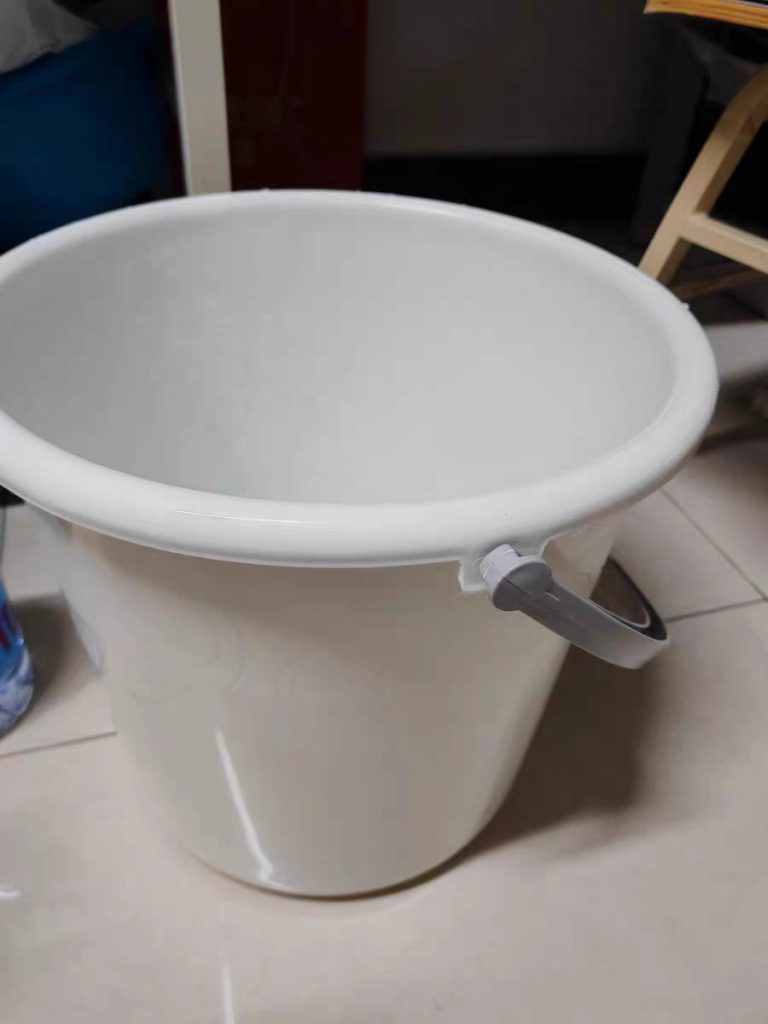
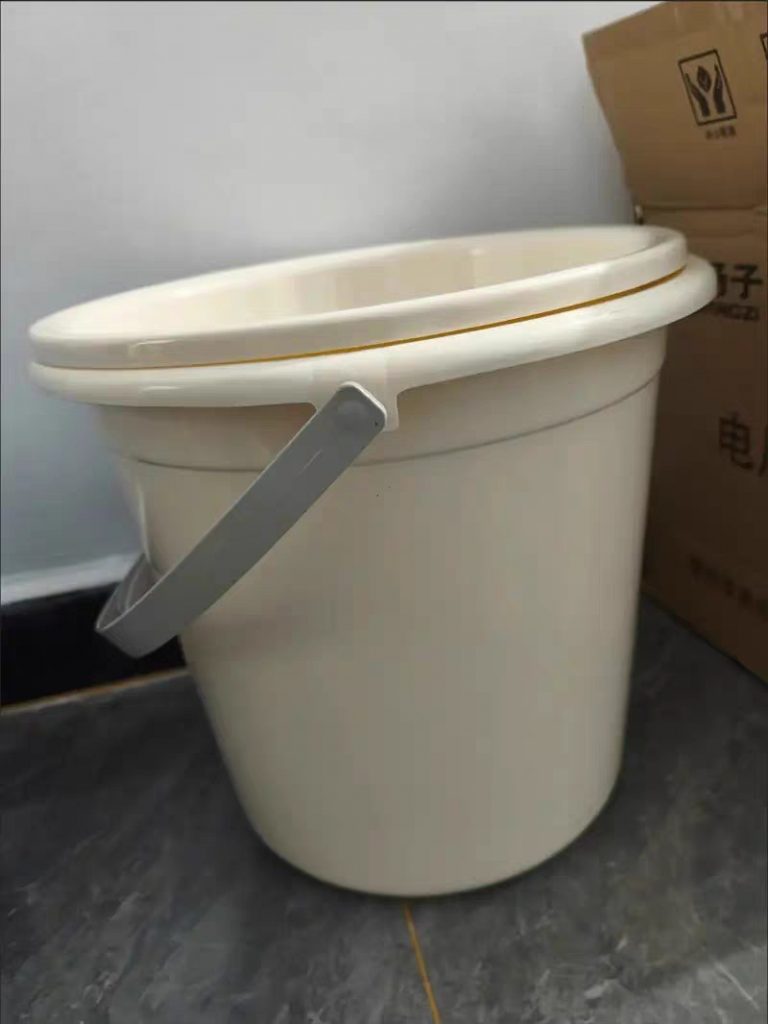
A water bucket is a container specifically designed to hold and transport liquids such as water, cleaning solutions, or agricultural mixtures.
Typical features include:
💧 deep container structure
🪣 wide opening for easy filling
🔧 strong handle for lifting
🌡️ material resistant to moisture and wear
Water buckets are simple but essential tools that serve a wide range of industries and everyday tasks.
🏭 Materials Used in Modern Water Buckets
Modern water buckets are manufactured using durable materials designed for long-term use.
Common material types include:
🧪 high-density plastic
🪨 reinforced polymer materials
⚙️ thick molded structural plastics
These materials provide several benefits:
✔ resistance to cracking
✔ lightweight portability
✔ corrosion resistance
✔ long service life
The use of strong materials ensures buckets remain reliable even under heavy use.
🧱 Structural Design of Durable Buckets
A well-designed bucket includes several structural features that improve functionality and durability.
Important design elements include:
🪣 reinforced bucket rim
🔩 strong handle attachment points
🧱 thick base for stability
💧 leak-resistant container walls
These design features help prevent deformation and damage when the bucket is filled with water or heavy materials.
💧 Capacity Options for Water Buckets
Water buckets are produced in multiple sizes to accommodate different usage needs.
Typical capacity categories include:
🪣 small utility buckets
💧 medium household buckets
🌊 large capacity storage buckets
Different capacities allow users to choose the most appropriate container for their specific tasks.
🏡 Household Uses of Water Buckets
In homes, water buckets are commonly used for cleaning and daily utility tasks.
Common household applications include:
🧹 floor cleaning and mopping
🚿 bathroom water storage
🧼 laundry preparation
🌿 watering plants
Because of their simple structure and portability, buckets remain one of the most useful household tools.
🌾 Agricultural Applications
Water buckets are also widely used in agricultural environments.
Farmers and agricultural workers use buckets for:
💧 transporting irrigation water
🌱 mixing fertilizers
🐄 feeding livestock
🌾 cleaning farm equipment
Durable bucket designs are important for outdoor environments where tools are exposed to sunlight, moisture, and dirt.
🏭 Commercial and Industrial Applications
In commercial and industrial environments, water buckets are used for multiple operational tasks.
Typical applications include:
🧼 facility cleaning operations
🏗️ construction site water transport
⚙️ equipment washing
🚛 maintenance tasks
These environments require strong buckets that can withstand heavy-duty use.
🔧 Ergonomic Handle Design
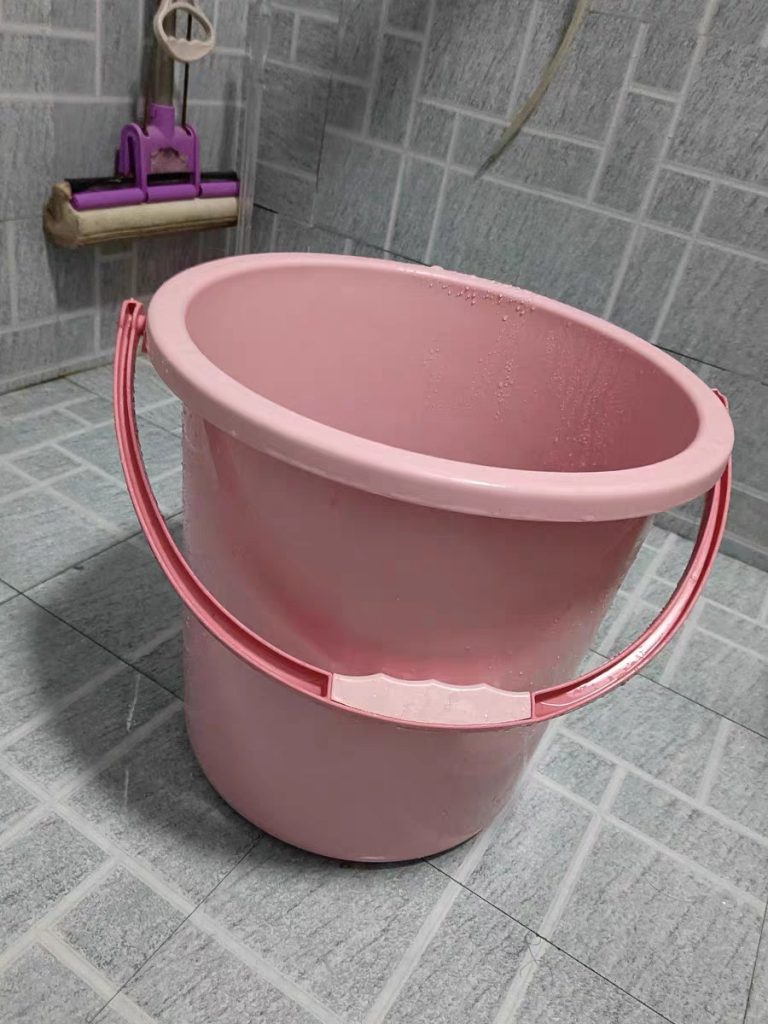
One of the most important features of a bucket is the handle design.
High-quality buckets use handles designed for comfort and durability.
Key handle features include:
🪝 reinforced grip structure
⚙️ balanced weight distribution
🧤 comfortable carrying design
A well-designed handle allows users to transport water safely and efficiently.
📦 Storage and Transport Advantages
Water buckets offer several advantages when it comes to storage and transportation.
Benefits include:
📦 stackable storage design
🚛 easy transportation
💧 reusable container structure
🏭 efficient warehouse storage
These characteristics make water buckets convenient for wholesalers and distributors.
🌱 Environmental Benefits of Reusable Buckets
Reusable water buckets contribute to sustainable product usage.
Environmental advantages include:
🌱 long product lifespan
♻️ reusable container design
🧪 durable materials reduce waste
💧 multi-purpose functionality
Because buckets can be used repeatedly, they help reduce disposable container waste.
🏗️ Manufacturing Process of Plastic Buckets
Modern bucket production uses advanced molding technologies.
Key manufacturing steps include:
⚙️ plastic material preparation
🔥 injection or molding process
🪣 structural shaping
🔍 product quality inspection
These production processes ensure consistent product quality and durability.
📈 Wholesale Demand for Utility Buckets
Water buckets are widely traded in wholesale markets due to their universal demand.
Typical buyers include:
🏪 retail stores
🏭 cleaning equipment distributors
🌾 agricultural supply companies
📦 household product wholesalers
Because buckets are essential everyday tools, they maintain steady global demand.
📊 Advantages of Durable Water Buckets
High-quality water buckets offer several important advantages.
Key benefits include:
🪣 strong and durable construction
💧 reliable liquid storage
🏡 suitable for multiple environments
📦 easy transport and storage
These advantages make them essential tools for both personal and professional use.
📩 Choosing the Right Water Bucket Supplier
For bulk buyers and distributors, selecting a reliable supplier is important.
Important factors include:
🏭 manufacturing capability
🔍 quality control standards
📦 packaging solutions for transport
🚛 stable production supply
Reliable supply chains ensure consistent product availability.
🔮 Future Development of Utility Containers
The design and manufacturing of buckets continue to evolve with improved materials and production technology.
Future trends may include:
🌱 eco-friendly materials
⚙️ stronger structural designs
📦 improved stacking and transport features
💧 multi-purpose bucket functionality
These innovations will continue to improve the usability and durability of bucket products.
❓ FAQ – Water Buckets
1. What are water buckets commonly used for?
Water buckets are used for carrying, storing, and transporting liquids in homes, farms, and workplaces.
2. What materials are water buckets usually made from?
Most modern buckets are made from durable plastic materials that are lightweight, strong, and resistant to moisture.
3. Are water buckets suitable for agricultural use?
Yes. Farmers often use buckets for irrigation water transport, fertilizer mixing, and equipment cleaning.
4. How should water buckets be stored?
Buckets can be stacked and stored in dry areas to save space and maintain their condition.
5. Are reusable buckets environmentally friendly?
Reusable buckets reduce the need for disposable containers and help minimize waste.
6. Why are durable handles important?
Strong handles allow users to carry heavy water loads safely and prevent handle breakage during use.


No reply content