
China solar power generation and energy storage manufacturing
Introduction
As global energy costs rise and climate change concerns intensify, homeowners worldwide are turning to renewable energy sources to reduce their carbon footprint and save money. Among these options, high-efficiency residential rooftop solar panels have emerged as a game-changing solution. Combining cutting-edge technology with practical design, these panels offer reliable power generation, long-term savings, and environmental benefits—making them an increasingly popular choice for households seeking sustainable energy independence.
This comprehensive guide explores everything you need to know about high-efficiency residential rooftop solar panels: how they work, their key advantages over traditional solar solutions, real-world applications, and tips for selecting the right system for your home. Whether you’re a homeowner considering solar for the first time or looking to upgrade your existing setup, this article will equip you with the knowledge to make informed decisions.
Chapter 1: Understanding High-Efficiency Residential Rooftop Solar Panels
What Are High-Efficiency Solar Panels?
Solar panels convert sunlight into electricity using photovoltaic (PV) cells. Traditional solar panels typically achieve efficiencies of 15–18%, meaning they convert 15–18% of sunlight into usable electricity. High-efficiency residential rooftop solar panels, however, push this boundary to 20–23% or higher—thanks to advanced materials and manufacturing techniques.
These panels use premium components like monocrystalline silicon (instead of polycrystalline), PERC (Passivated Emitter and Rear Cell) technology, and anti-reflective coatings to maximize light absorption and minimize energy loss. For homeowners with limited roof space, high efficiency is critical: it allows more power generation per square foot, making solar feasible even on smaller roofs.
Key Components of a Residential Rooftop Solar System
A complete residential rooftop solar system includes more than just panels. Here’s a breakdown of its core components:
-
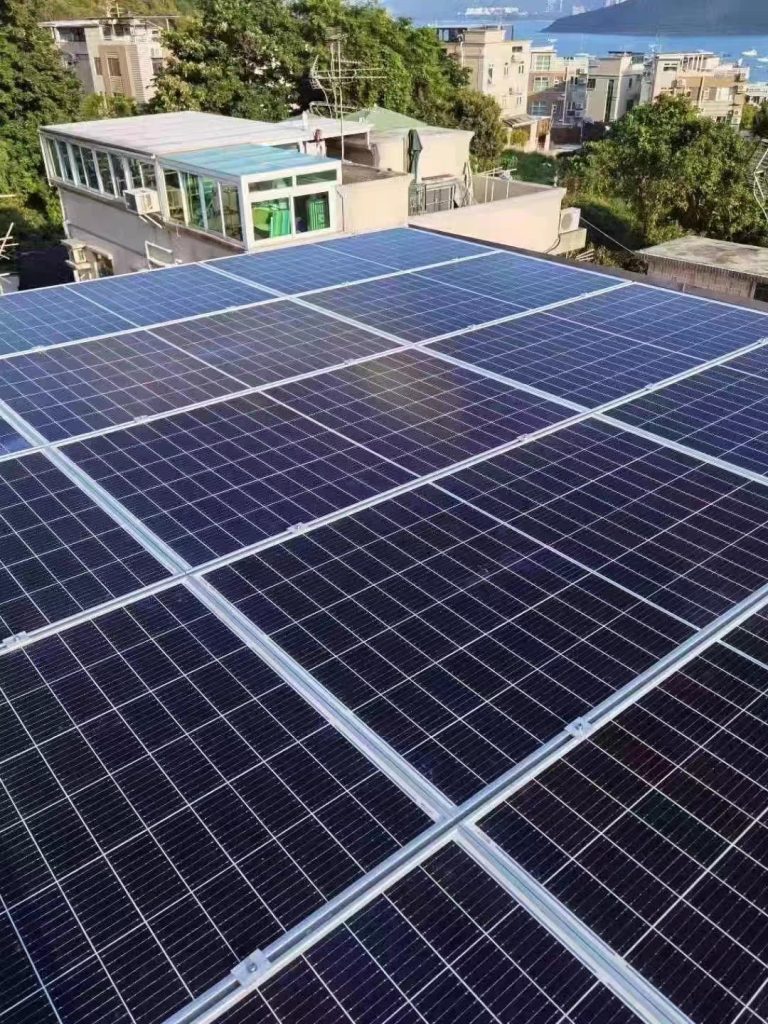
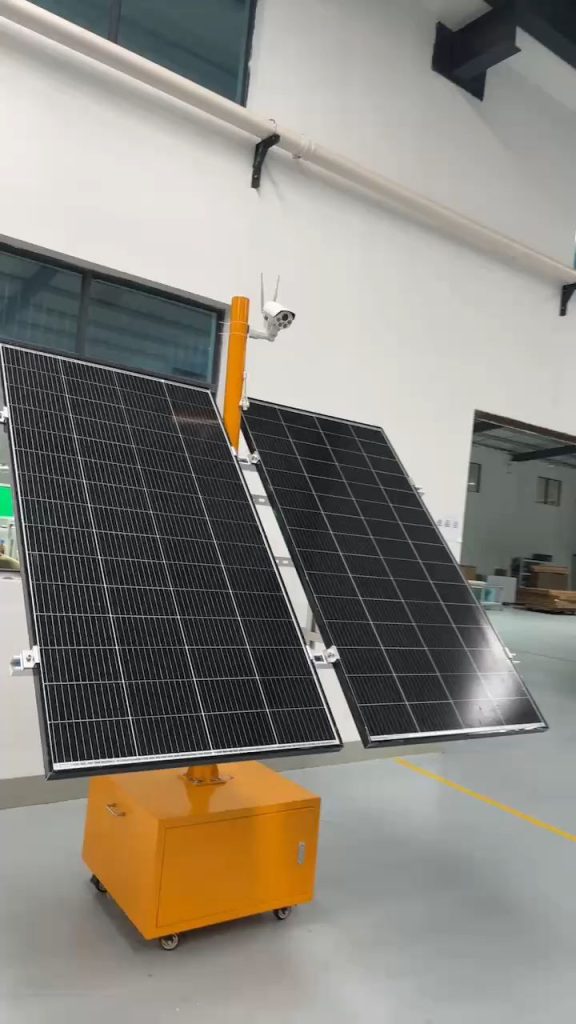
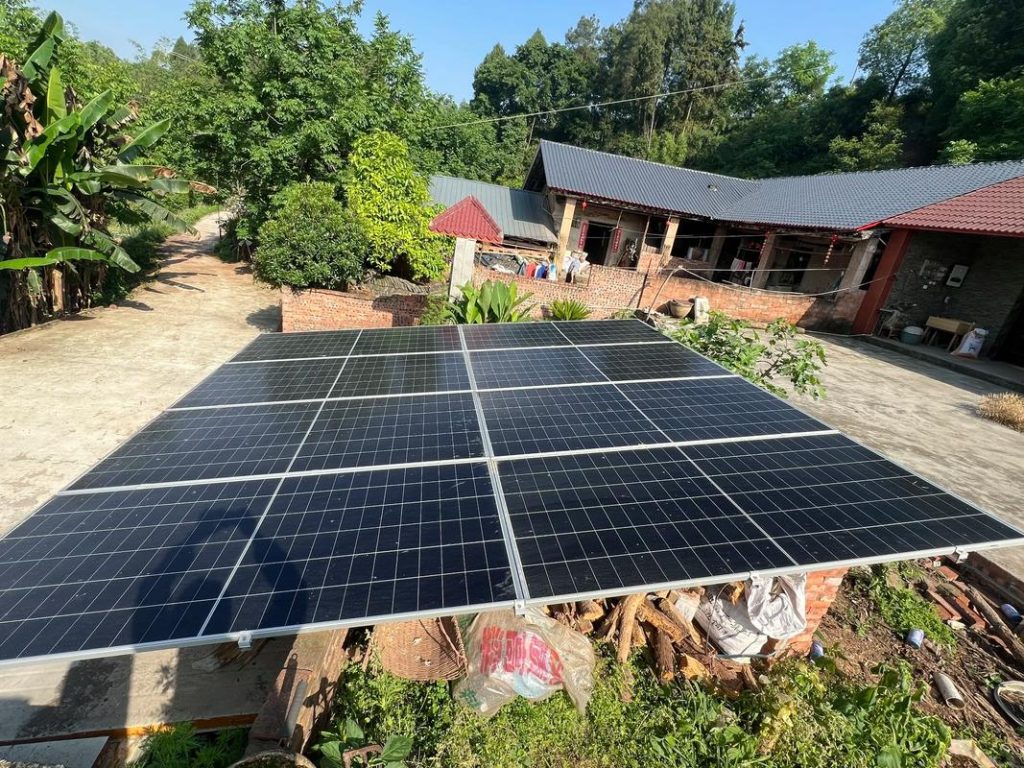
Solar Panels: The primary component that captures sunlight and converts it into DC (direct current) electricity. High-efficiency panels are lightweight yet durable, designed to withstand harsh weather conditions (rain, snow, hail).
-
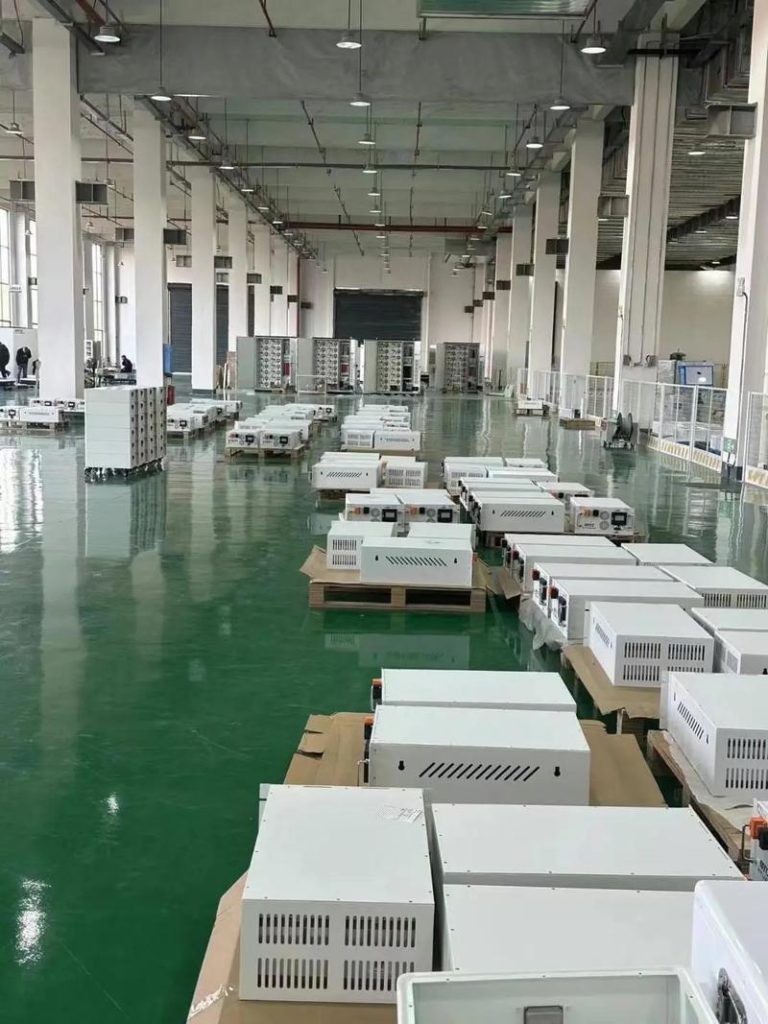
Inverter: Converts DC electricity from the panels into AC (alternating current) electricity, which powers household appliances. Modern inverters often include smart monitoring features.
-
Mounting System: Secures panels to the roof. Adjustable mounts optimize tilt angles for maximum sun exposure based on geographic location.
-
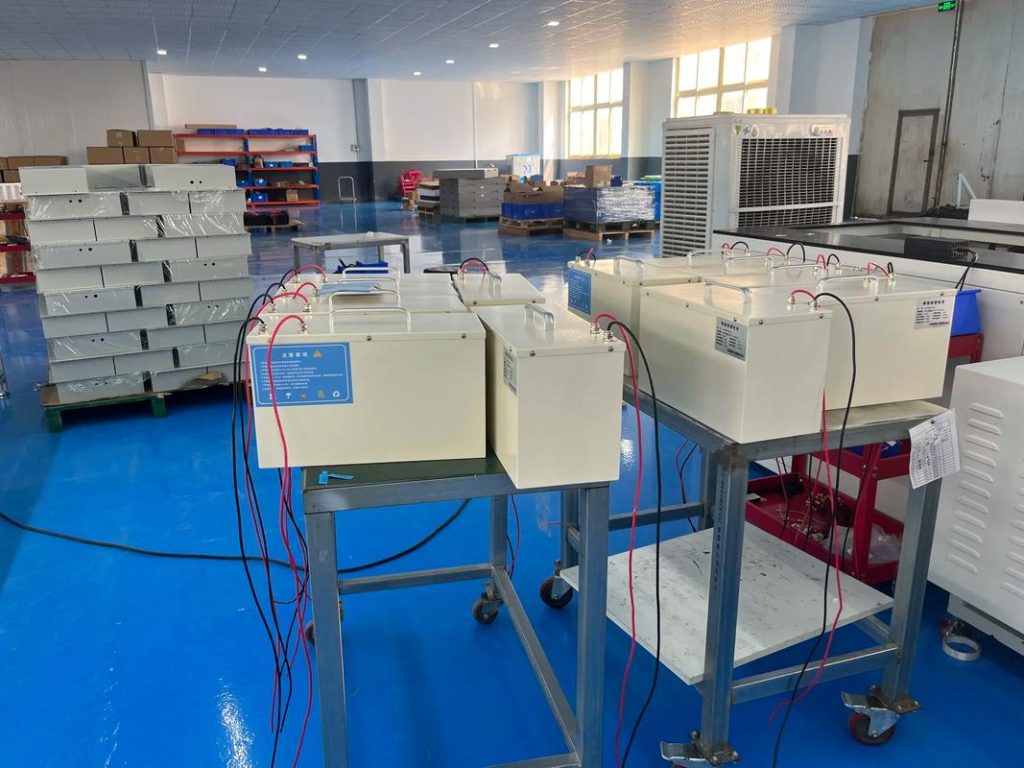
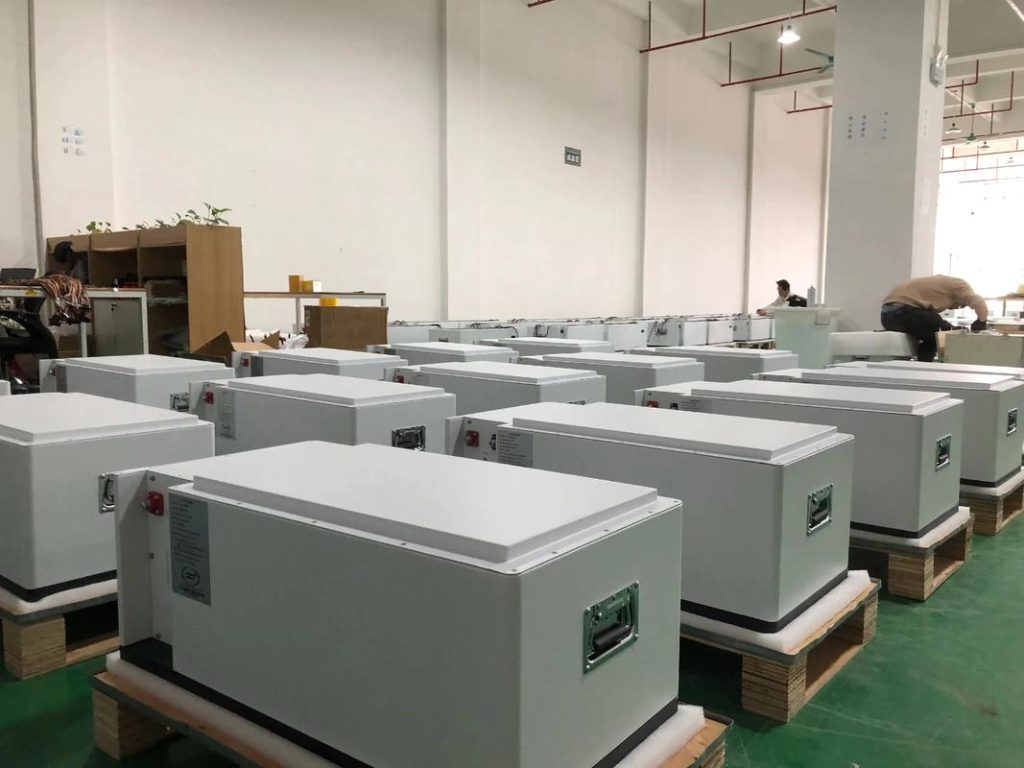
Battery Storage (Optional): Stores excess energy for use at night or during outages. Lithium-ion batteries are common due to their high capacity and longevity.
-
Monitoring System: Tracks energy production and consumption via apps or web portals, helping homeowners optimize usage.
Why Choose Rooftop Solar Over Ground-Mounted Systems?
While ground-mounted solar arrays are viable, rooftop installations dominate residential markets for several reasons:
-
Space Efficiency: Utilizes unused roof space, preserving yard area for other uses.
-
Aesthetics: Panels blend seamlessly with most roof designs, maintaining curb appeal.
-
Proximity to Load: Reduces transmission losses by generating power directly where it’s needed.
-
Cost Savings: Avoids land acquisition costs associated with ground systems.
Chapter 2: Advantages of High-Efficiency Residential Rooftop Solar Panels
1. Maximized Energy Output in Limited Spaces
For urban or suburban homes with small roofs, high-efficiency panels are a lifeline. A 300W high-efficiency panel generates significantly more power than a standard 250W panel of the same size. This means fewer panels are needed to meet energy needs, reducing installation costs and complexity.
Example: A 1,500 sq. ft. roof can fit 20 standard panels (generating ~5kW) or 16 high-efficiency panels (generating ~6kW)—a 20% increase in output without expanding the system’s physical footprint.
2. Faster Return on Investment (ROI)
Higher efficiency translates to greater energy savings, shortening the payback period. According to the National Renewable Energy Laboratory (NREL), U.S. homeowners with high-efficiency systems recoup their investment in 5–7 years, compared to 7–10 years for standard systems. Over a 25-year lifespan, this can mean thousands of dollars in additional savings.
3. Enhanced Reliability and Durability
Manufacturers of high-efficiency panels prioritize quality control. Many models come with 25-year performance warranties (guaranteeing 80% output after 25 years) and 12–15-year product warranties. Rigorous testing ensures resistance to temperature fluctuations, humidity, and mechanical stress—critical for regions with extreme weather.
4. Environmental Benefits
By replacing grid electricity (often generated from fossil fuels), high-efficiency solar panels reduce greenhouse gas emissions. A typical 6kW residential system offsets 8–10 tons of CO₂ annually—equivalent to planting 200 trees each year. For eco-conscious homeowners, this aligns with sustainability goals and may qualify for tax credits or rebates.
5. Increased Property Value
Studies show that homes with solar panels sell faster and at higher prices. The Lawrence Berkeley National Laboratory found that solar-equipped homes sell for $15,000 more on average than non-solar homes. High-efficiency systems, with their superior performance, further boost this premium.
Chapter 3: How High-Efficiency Panels Work: The Science Behind the Technology
To appreciate the value of high-efficiency panels, it helps to understand the science behind their design.
Monocrystalline Silicon vs. Polycrystalline Silicon
Most high-efficiency panels use monocrystalline silicon, made from a single crystal structure. This uniformity reduces electron recombination (energy loss), resulting in higher efficiency. Polycrystalline panels, made from multiple silicon fragments, are cheaper but less efficient (15–17%).
PERC Technology: Boosting Efficiency by 1–2%
PERC (Passivated Emitter and Rear Cell) is a breakthrough innovation. It adds a passivation layer to the back of the solar cell, reflecting unabsorbed light back into the cell for a second chance at conversion. This simple modification increases efficiency by 1–2%, making it a standard feature in modern high-efficiency panels.
Anti-Reflective Coatings
Sunlight reflection off panel surfaces wastes energy. High-efficiency panels use anti-reflective coatings (e.g., silicon nitride) to reduce reflection to <2%, ensuring more photons are absorbed.
Half-Cut Cells: Reducing Resistance Losses
Some high-efficiency panels use “half-cut” cells—each cell is split into two halves, connected in parallel. This reduces electrical resistance and minimizes power loss from shading (e.g., from tree branches or chimneys).
Chapter 4: Real-World Applications: Case Studies
Case Study 1: The Smith Family, California
The Smiths, a family of four in Los Angeles, installed a 7.2kW high-efficiency system (24 panels, 300W each) on their 1,800 sq. ft. roof. Before solar, their monthly electricity bill averaged 220. After installation, their bill dropped to 15 (the cost of grid connection fees). With state incentives and federal tax credits, the system paid for itself in 4.5 years. Today, they generate enough excess energy to sell back to the grid, earning an additional $50/month.
Case Study 2: The Green Apartment Complex, New York
A 20-unit apartment building in Brooklyn replaced its old, inefficient solar system with high-efficiency panels. The new 50kW system (167 panels) increased energy output by 35%, allowing the complex to eliminate its reliance on grid electricity during peak hours. Tenants reported lower utility bills, and the building achieved LEED certification, boosting its marketability.
Case Study 3: Remote Cabin, Colorado
A vacation cabin in the Rocky Mountains relied on diesel generators for power. After installing a 3kW high-efficiency system with battery storage, the owners eliminated fuel costs and gained energy independence. The system’s durability (tested to -40°F) ensured reliable performance in harsh winters.
Chapter 5: Choosing the Right High-Efficiency Solar Panel for Your Home
Step 1: Assess Your Energy Needs
Start by reviewing your past 12 months of electricity bills to determine average monthly usage (in kWh). Multiply this by 12 to get annual usage, then divide by 365 to find daily needs. This helps size your system appropriately.
Step 2: Evaluate Roof Conditions
-
Orientation: South-facing roofs receive the most sunlight (ideal for northern hemisphere locations). East/west-facing roofs work too but produce 10–20% less energy.
-
Tilt Angle: Optimal tilt equals your latitude (e.g., 40° for Boston). Adjustable mounts can fine-tune this.
-
Shading: Use tools like Google Project Sunroof to identify shaded areas. Micro-inverters or power optimizers mitigate shading impacts.
Step 3: Compare Panel Specifications
Look for panels with:
-
Efficiency ≥ 21%
-
Temperature coefficient ≤ -0.35%/°C (lower values indicate better performance in heat)
-
Positive power tolerance (+3%)
-
Certifications (IEC 61215, IEC 61730, UL 1703)
Step 4: Consider Inverter Options
String inverters are affordable but vulnerable to shading. Micro-inverters or power optimizers (one per panel) maximize output in partially shaded conditions but cost more. Hybrid inverters integrate battery charging functionality.
Step 5: Factor in Financial Incentives
Many governments offer incentives to reduce upfront costs:
-
Federal Tax Credit: In the U.S., homeowners can claim 30% of installation costs through 2032 (ITC).
-
State Rebates: Programs like California’s SGIP provide rebates for battery storage.
-
Net Metering: Sell excess energy back to the grid at retail rates.
Chapter 6: Installation Process: What to Expect
Pre-Installation
-
Site Survey: A technician assesses roof condition, shading, and electrical infrastructure.
-
Permitting: Obtain approvals from local authorities (typically takes 2–6 weeks).
-
Design Approval: Finalize panel layout and system specifications.
Installation Day
-
Roof Preparation: Clean and inspect the roof; install mounting brackets.
-
Panel Mounting: Secure panels to brackets using stainless steel hardware.
-
Electrical Wiring: Connect panels to inverters and the main electrical panel.
-
System Testing: Verify voltage, current, and safety features.
Post-Installation
-
Inspection: A local authority or utility company checks compliance with codes.
-
Activation: The system is connected to the grid, and net metering is activated.
-
Training: The installer explains how to monitor performance via apps.
Chapter 7: Maintenance and Troubleshooting
Routine Maintenance
-
Cleaning: Wash panels 2–4 times yearly with water and a soft brush (avoid abrasive cleaners).
-
Inspection: Check for loose connections, cracked glass, or debris buildup.
-
Software Updates: Update inverter firmware to improve performance.
Common Issues and Solutions
| Issue | Cause | Solution |
|---|---|---|
| Low energy output | Shading, dirty panels, or faulty inverter | Trim trees, clean panels, or call a technician |
| Inverter error code | Overheating, grid outage, or wiring issue | Restart inverter; if persistent, contact support |
| Hot spots | Cracked cell or poor connection | Replace affected panel |
Chapter 8: Future Trends in Residential Solar Technology
Bifacial Panels: Capturing Light from Both Sides
Bifacial panels have transparent backs, allowing them to absorb reflected light from the ground. This boosts efficiency by 10–30% in snowy or sandy environments.
Perovskite Solar Cells: The Next Generation
Perovskites are a class of materials with potential efficiencies exceeding 30%. While still in development, they promise cheaper, flexible solar panels for diverse applications.
AI-Powered Energy Management
Advanced software uses machine learning to predict energy demand, adjust panel orientation, and optimize battery charging—maximizing savings automatically.
Conclusion
High-efficiency residential rooftop solar panels represent the future of home energy. By combining superior performance, reliability, and environmental benefits, they empower homeowners to take control of their energy costs while contributing to a sustainable planet. Whether you’re motivated by financial savings, energy independence, or climate action, investing in high-efficiency solar is a decision that pays dividends for decades.
Ready to make the switch? Contact a certified installer today for a free consultation and start harnessing the power of the sun!
Keywords: High-efficiency residential rooftop solar panels, home solar energy solution, reliable solar panels, residential solar systems, solar panel efficiency, rooftop solar installation, solar energy savings, monocrystalline solar panels, PERC technology, solar ROI.
Meta Description: Discover the benefits of high-efficiency residential rooftop solar panels. Learn how they maximize energy output, reduce costs, and enhance reliability for your home. Get expert insights and tips for choosing the right system.


No reply content