China Air Compressor Manufacturing Factory
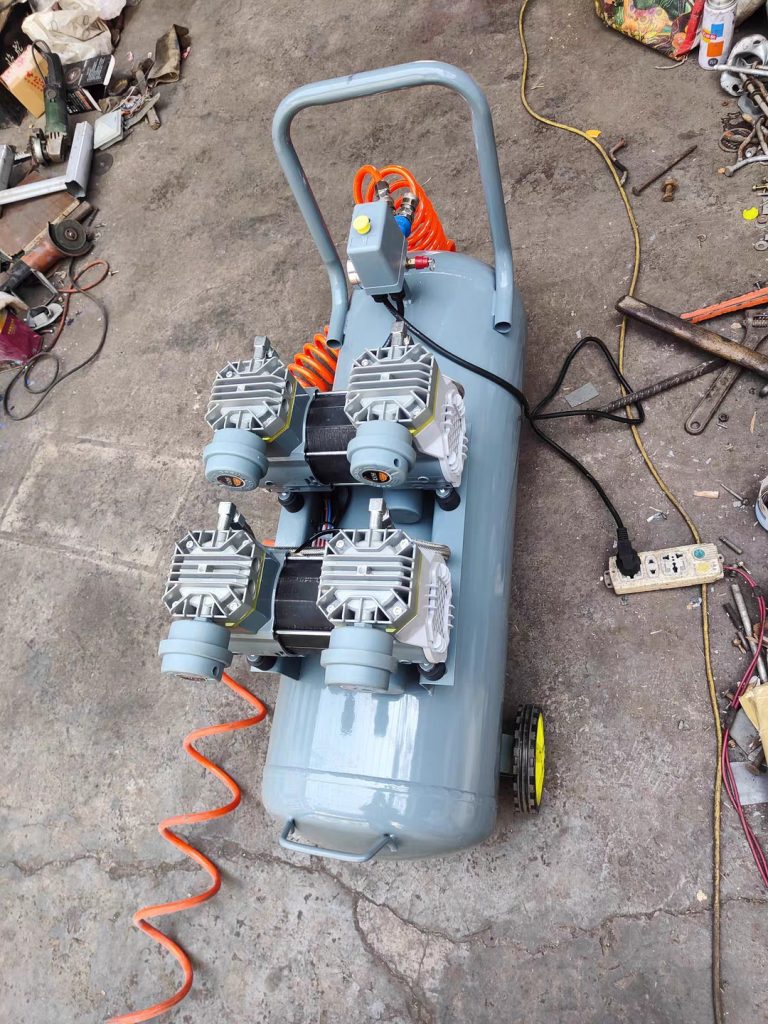
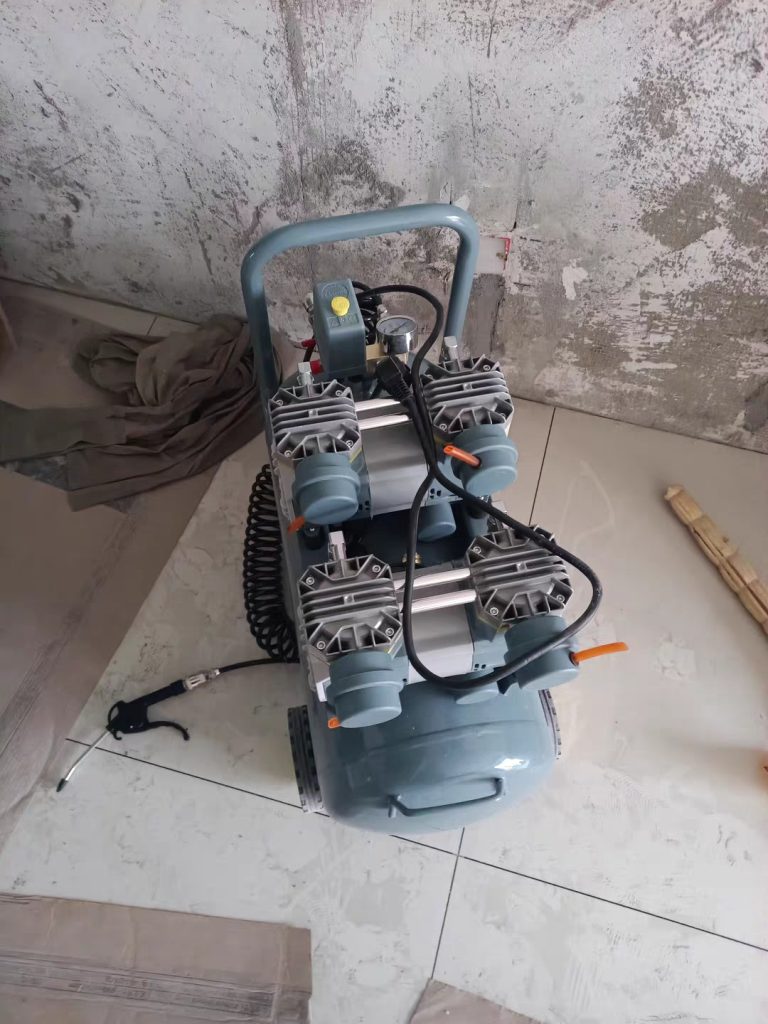
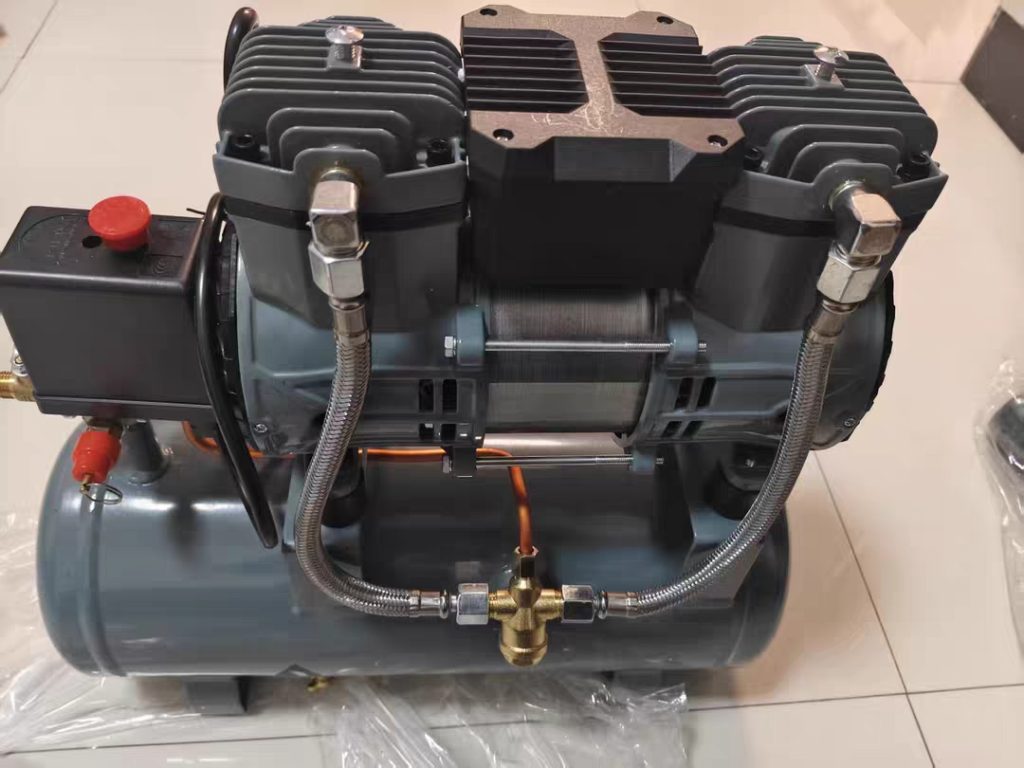
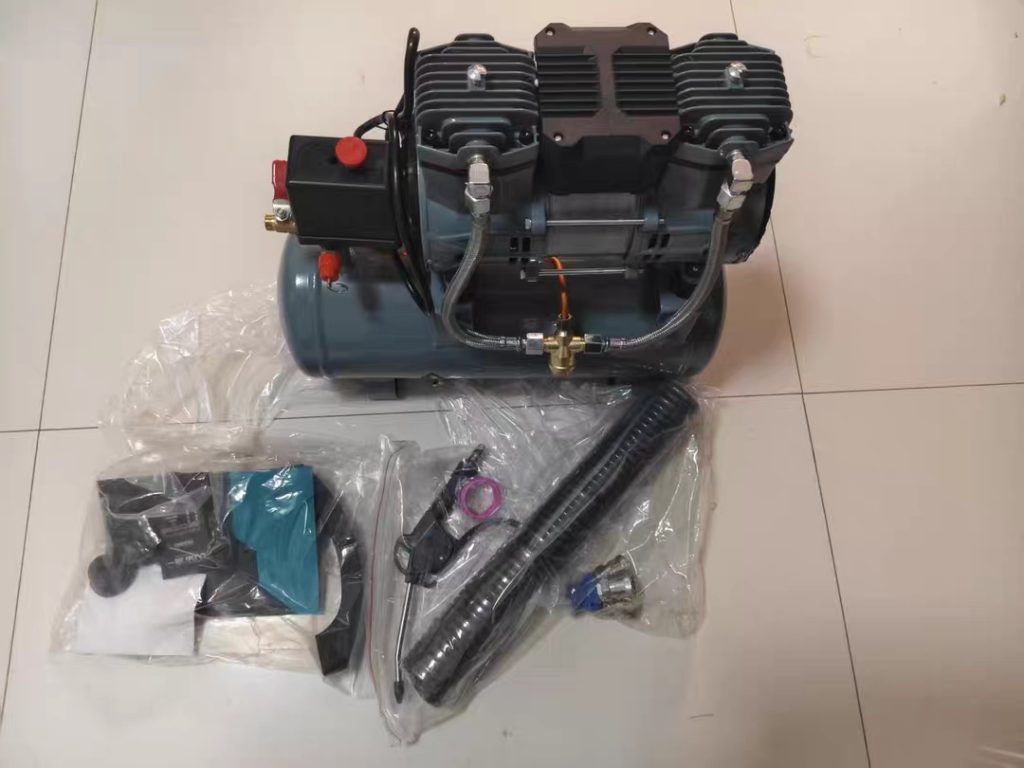
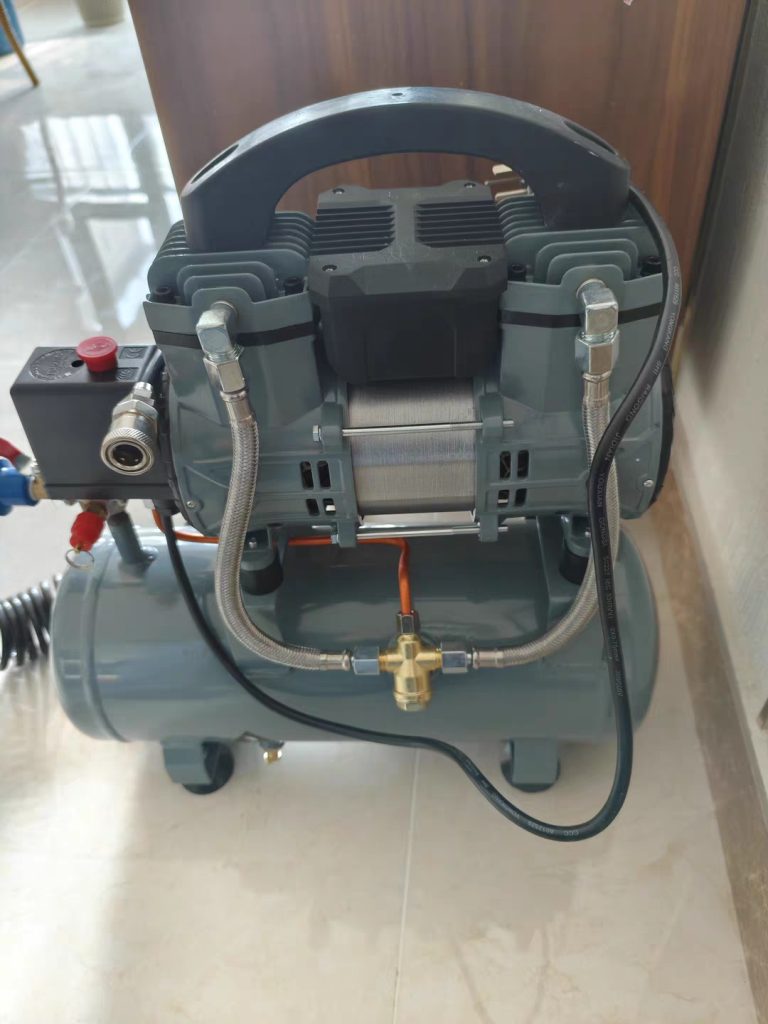
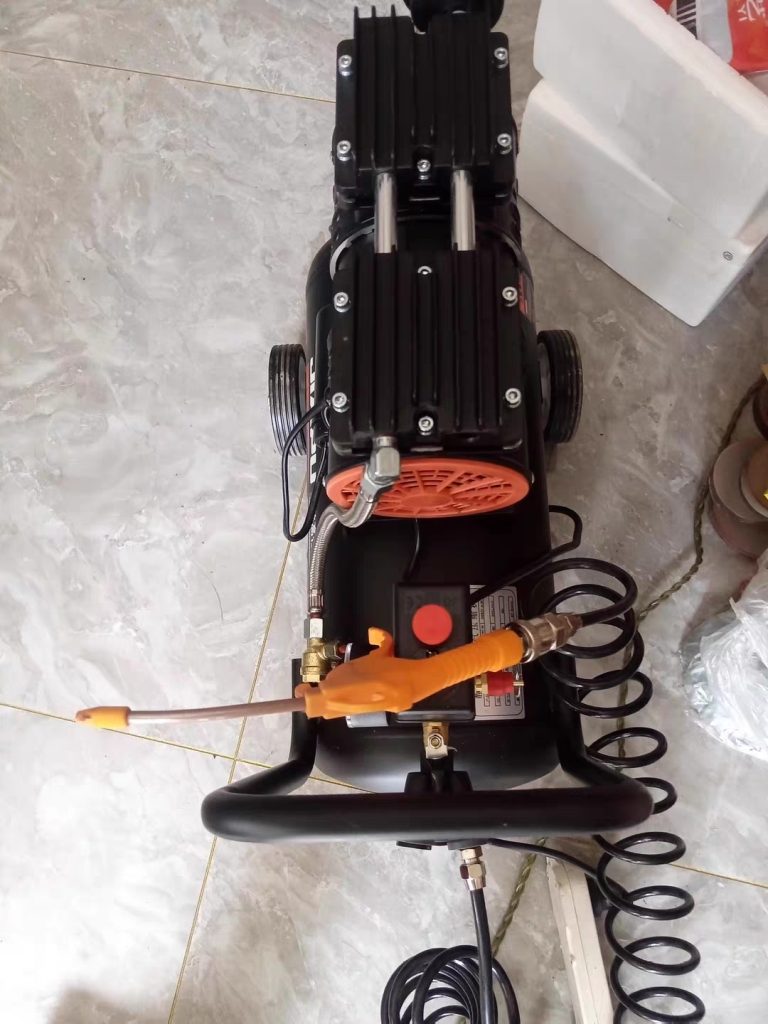
High-pressure air compressors deliver extreme pressures (1,000–6,000 PSI) for aerospace and defense—powering aircraft systems, weapon testing, and mission-critical operations. Rugged, precise, and compliant, they ensure reliability in the harshest environments.
✈️🛡️⚡ [Small icons: Airplane (aerospace), Shield (defense), Pressure gauge (high PSI)]
The Unsung Heroes of High-Stakes Operations: Why High-Pressure Air Compressors Matter
In aerospace and defense, failure is not an option. From inflating aircraft tires at 200 PSI to testing missile launch systems at 5,000 PSI, high-pressure air compressors are the backbone of mission-critical operations. These specialized machines generate extreme pressures (1,000–6,000 PSI)—far beyond standard industrial models—to power hydraulic systems, simulate flight conditions, and validate weapon performance. Unlike low-pressure compressors, they are engineered for rugged durability (withstanding vibration/shock), precision control (±1% pressure accuracy), and compliance (military/aerospace standards). This guide explores their technology, applications, and how they enable innovation in the world’s most demanding sectors.
Technical Deep Dive: Engineering for Extreme Pressures
High-pressure air compressors differ fundamentally from standard models, using advanced mechanisms to achieve and maintain extreme pressures safely.
1. Core Components: Built for High Stress
| Component | Function | High-Pressure Innovations |
|---|---|---|
| Compression Stages | Multi-stage compression (2–5 stages) to reach high PSI. | Intercoolers between stages cool air (reduces energy use by 25%); stainless steel cylinders resist wear. |
| Drive System | Powers compression (electric, diesel, or hydraulic). | Explosion-proof motors (defense); redundant drives for fail-safe operation. |
| Pressure Vessel | Stores compressed air (ASME Section VIII certified). | Forged steel construction (withstands 6,000 PSI); burst pressure tested to 1.5x working pressure. |
| Control System | Manages pressure, flow, and safety (PLC/IoT-enabled). | Redundant sensors (triple-redundant for defense); emergency shutdown (ESD) triggers at 105% setpoint. |
| Filtration | Removes contaminants (critical for aerospace hydraulics). | Multi-stage filtration (5 µm pre-filter, 0.1 µm HEPA, activated carbon for oil vapors). |
2. Key Performance Metrics
-
Pressure Range: 1,000–6,000 PSI (aerospace: 1,000–3,000 PSI; defense: 3,000–6,000 PSI).
-
Flow Rate (SCFM): 5–100 SCFM (small for aircraft systems; large for wind tunnel testing).
-
Duty Cycle: 50–100% (defense applications require continuous operation).
-
Efficiency: 0.3–0.5 kW/SCFM (higher than low-pressure models due to multi-stage compression).
3. Multi-Stage Compression: The Science of High Pressure
Standard compressors use single-stage compression (max 150 PSI), but high-pressure models employ 2–5 stages:
-
Stage 1: Ambient air (14.7 PSI) compressed to 150–300 PSI.
-
Intercooler: Cools air to 40°C (reduces volume for next stage).
-
Stage 2–5: Sequential compression to 1,000–6,000 PSI.This staged approach minimizes heat generation and energy waste, critical for sustained high-pressure output.
Why Aerospace and Defense Demand High-Pressure Air Compressors
1. Aerospace Applications: Ensuring Flight Safety and Innovation
-
Aircraft Tire Inflation: Commercial jets require 200–300 PSI; military aircraft (e.g., fighter jets) need 300–400 PSI for high-speed landings. High-pressure compressors deliver precise inflation to prevent blowouts.
-
Hydraulic System Testing: Aircraft hydraulic systems (3,000–5,000 PSI) are tested for leaks and pressure retention using high-pressure air.
-
Wind Tunnel Experiments: Simulate high-altitude flight by compressing air to 1,000–2,000 PSI, adjusting density to mimic thin atmospheres.
-
Cabin Pressurization: Maintain 11–12 PSI cabin pressure (equivalent to 8,000 ft altitude) using high-pressure air bled from engines.
Example: A commercial airline uses a 2,500 PSI compressor to test Boeing 787 hydraulic systems, ensuring compliance with FAA Part 25 standards.
2. Defense Applications: Powering Mission-Critical Systems
-
Weapon Testing: Artillery recoil systems (4,000–5,000 PSI) and missile launch tubes (3,000–6,000 PSI) are validated using high-pressure air.
-
Submarine Systems: Power pneumatic controls for ballast tanks (2,000–3,000 PSI) and torpedo ejection (4,000 PSI).
-
Armored Vehicle Maintenance: Inflate run-flat tires (150–200 PSI) and operate pneumatic tools (e.g., rivet guns) in field conditions.
-
Simulated Combat Training: Generate shockwaves (via compressed air cannons) to test vehicle armor and personnel protective gear.
Example: A defense contractor uses a 5,000 PSI compressor to test submarine ballast tank seals, preventing flooding during deep-sea missions.
Top Applications: Where High-Pressure Air Compressors Excel
1. Aircraft Manufacturing & Maintenance
-
Tire/Wheel Assembly: Inflate and test aircraft tires (200–400 PSI) for balance and durability.
-
Landing Gear Testing: Simulate landing forces (3,000–5,000 PSI) to validate shock absorption.
-
Avionics Cooling: Power pneumatic cooling systems for radar and electronic warfare equipment.
2. Missile & Space Launch Systems
-
Propellant Tank Pressurization: Maintain nitrogen/helium pressure (3,000–5,000 PSI) in rocket tanks.
-
Launch Pad Cooling: Direct high-pressure air (1,000–2,000 PSI) to cool launch pads during ignition.
-
Parachute Deployment Testing: Simulate deployment forces (2,000–3,000 PSI) for spacecraft recovery systems.
3. Military Vehicle Operations
-
Track Tensioning: Adjust tank track tension (1,500–2,500 PSI) via pneumatic actuators.
-
Engine Starting: Power auxiliary power units (APUs) for cold-weather starts (2,000–3,000 PSI).
-
Field Repair Kits: Run pneumatic tools (grinders, drills) for on-site maintenance.
How to Choose the Right High-Pressure Air Compressor
1. Assess Operational Requirements
-
Pressure: Match the highest-pressure application (e.g., missile testing = 5,000 PSI → choose 6,000 PSI model).
-
Flow: Calculate total SCFM demand (e.g., 2 hydraulic testers @ 10 SCFM = 20 SCFM; add 30% buffer → 26 SCFM).
-
Environment: Desert (dust-resistant filters), arctic (cold-start kits), or shipboard (corrosion-resistant coatings).
2. Prioritize Compliance & Safety
-
Aerospace Standards: AS9100 (quality management), FAA Part 25 (aircraft systems), MIL-STD-810 (environmental testing).
-
Defense Standards: MIL-STD-461 (EMC), MIL-STD-882 (safety), ITAR (export control compliance).
-
Safety Features: Burst disks (relieve overpressure), ESD buttons, and triple-redundant pressure sensors.
3. Evaluate Total Cost of Ownership (TCO)
-
Upfront Cost: 20,000–200,000 (depends on pressure/flow; 5,000 PSI models cost 2x 1,000 PSI models).
-
Operating Cost: Energy (60% of TCO; high-pressure compression is energy-intensive), maintenance (25%), compliance audits (15%).
-
ROI: Justified by mission-critical reliability—e.g., preventing a $1M satellite launch failure.
Maintenance: Ensuring Reliability in Extreme Conditions
High-pressure compressors require rigorous care to avoid catastrophic failure:
Daily/Weekly Tasks
-
Leak Checks: Use ultrasonic detectors to find leaks (target <1% of total flow).
-
Pressure Relief Valve Testing: Ensure activation at 105% setpoint (e.g., 5,250 PSI for 5,000 PSI model).
Monthly Tasks
-
Filter Replacement: Change pre-filters/HEPA filters (clogged filters increase energy use by 20%).
-
Seal Inspection: Check O-rings/gaskets for wear (replace if cracked).
Annual Tasks
-
Hydrostatic Testing: Test pressure vessels to 1.5x working pressure (ASME BPVC requirement).
-
Pump Overhaul: Inspect compression rings/cylinders (replace if gap >0.05mm).
Pro Tip: For defense applications, implement vibration monitoring (shock can loosen components) and thermal imaging (detect overheating in high-stress areas).
Case Study: Aerospace Manufacturer’s High-Pressure Solution
Client Profile: A U.S.-based aerospace firm manufacturing military drones, requiring 3,000 PSI air for hydraulic system testing.
Challenge: Existing 1,500 PSI compressors failed to meet test pressures, delaying drone production by 3 months.
Solution: Installed a 5-stage, 3,500 PSI reciprocating compressor (40 SCFM, AS9100-certified) with intercoolers and triple-redundant sensors.
Results (18 Months):
-
⬆️ Hydraulic test throughput increased by 200% (from 5 to 15 tests/day).
-
⬇️ Test failure rate dropped from 12% to 1% (precise pressure control).
-
✅ Passed MIL-STD-810G environmental tests (vibration, temperature extremes).
-
⬆️ Drone production met deadlines, securing a $5M contract.
-
✅ ROI achieved in 8 months via reduced rework and penalties.
Global Compliance & Certifications
High-pressure air compressors for aerospace/defense must meet stringent standards:
| Certification | Region/Focus | Key Requirement |
|---|---|---|
| AS9100 | Global (aerospace quality) | Traceability, risk management, and continuous improvement. |
| MIL-STD-810 | US (defense environmental) | Survive shock (40g), vibration (20–2,000 Hz), and temperature (-54°C to 71°C). |
| FAA Part 25 | US (aircraft systems) | Validate pressure systems for commercial/military aircraft. |
| ITAR | US (export control) | Restrict sales to unauthorized entities. |
Conclusion: High Pressure, High Stakes, High Reliability
High-pressure air compressors are indispensable for aerospace and defense, enabling safe flights, mission success, and technological advancement. By delivering extreme pressures with precision and durability, they support everything from aircraft tire inflation to missile testing. Choosing the right model—prioritizing compliance, safety, and performance—ensures reliability in the harshest environments. For organizations operating at the edge of innovation, investing in high-pressure air compressors is investing in mission assurance.
⭐ User Reviews
Alex M. 🇺🇸
Aerospace Engineer, California Drone Manufacturer
⭐⭐⭐⭐⭐
“3,500 PSI compressor revolutionized our hydraulic testing—throughput up 200%! AS9100 certified, passed MIL-STD-810G with flying colors. Triple-redundant sensors gave us confidence in every test. ROI in 8 months. Critical for our drone production!”
Hans K. 🇩🇪
Defense Contractor, Bavarian Missile Systems
⭐⭐⭐⭐⭐
“5,000 PSI model tests our missile launch tubes flawlessly. MIL-STD-461 EMC compliance ensured no interference with guidance systems. ITAR documentation was seamless. Zero failures in 2 years—mission-critical reliability!”
Priya R. 🇮🇳
Aircraft Maintenance Lead, Mumbai Air Force Base
⭐⭐⭐⭐⭐
“2,500 PSI compressor inflates fighter jet tires (300 PSI) in 2 minutes. FAA Part 25 certified, so safety inspectors approved it immediately. Vibration monitoring prevented a potential failure. Saved 10+ hours/week in maintenance!”
Emma T. 🇦🇺
Submarine Systems Engineer, Sydney Naval Base
⭐⭐⭐⭐☆
“3,000 PSI model powers our submarine ballast tanks—corrosion-resistant coating handles saltwater. MIL-STD-882 safety audit passed easily. Only wish the initial cost was lower, but reliability is unbeatable for deep-sea ops!”
Carlos S. 🇧🇷
Space Launch Technician, São Paulo Space Agency
⭐⭐⭐⭐⭐
“4,000 PSI compressor pressurizes our rocket propellant tanks. AS9100 traceability helped us pass NASA audits. Intercoolers keep energy use low. Essential for our satellite launches—no compromises on safety!”
Keywords integrated: high-pressure air compressor, aerospace defense, extreme pressure, multi-stage compression, AS9100, MIL-STD-810, FAA Part 25, hydraulic testing, missile launch systems, aircraft tire inflation, submarine ballast tanks, total cost of ownership, mission-critical reliability, ITAR compliance, vibration monitoring, thermal imaging


No reply content