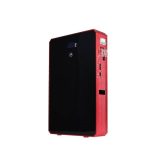
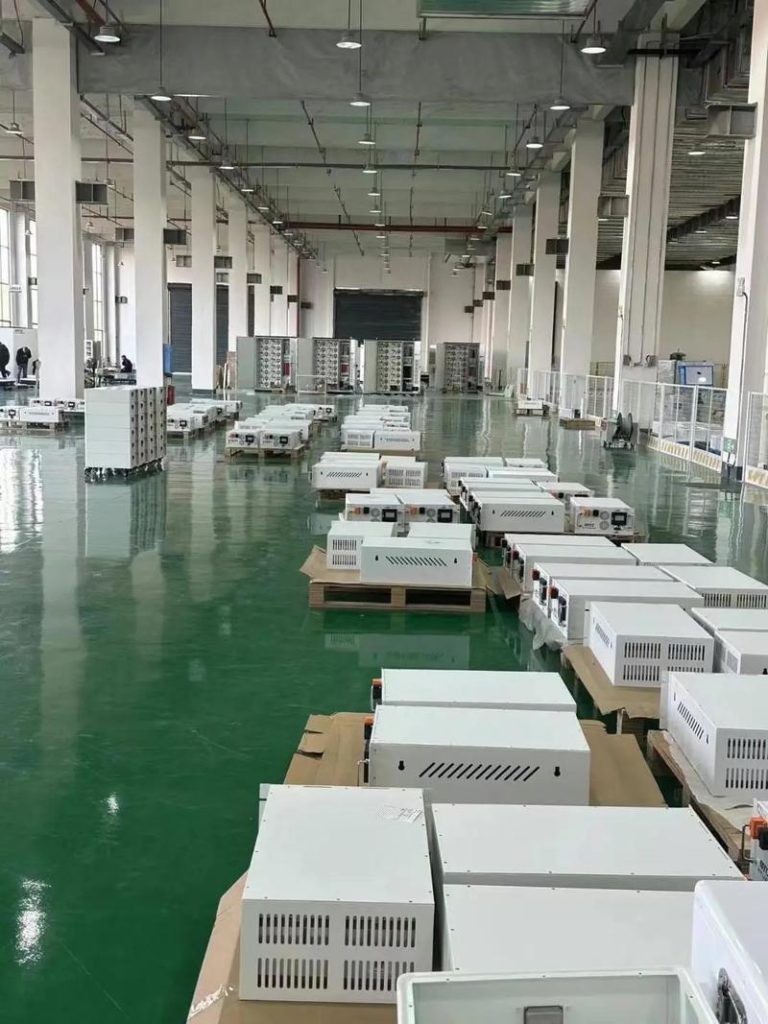
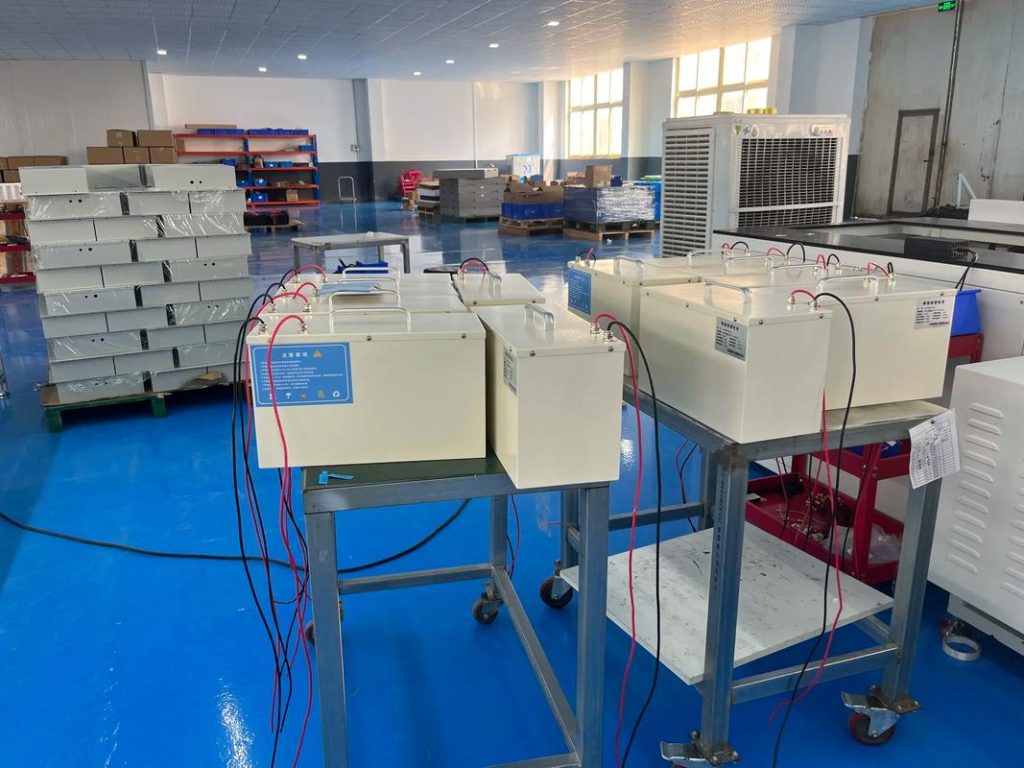
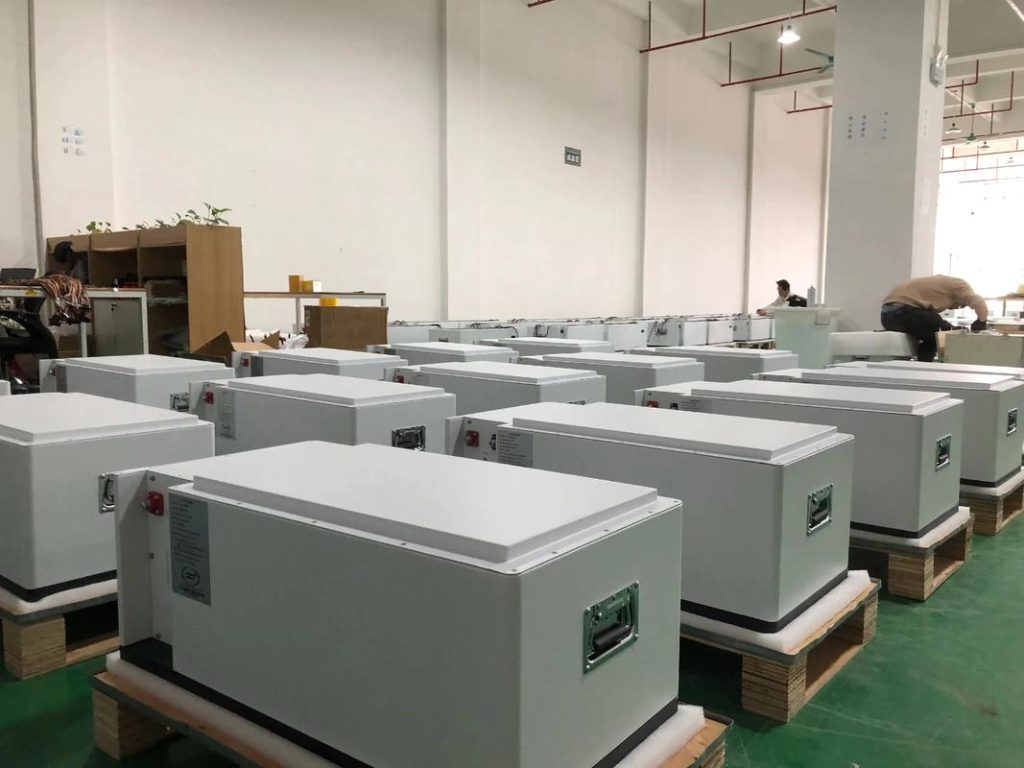
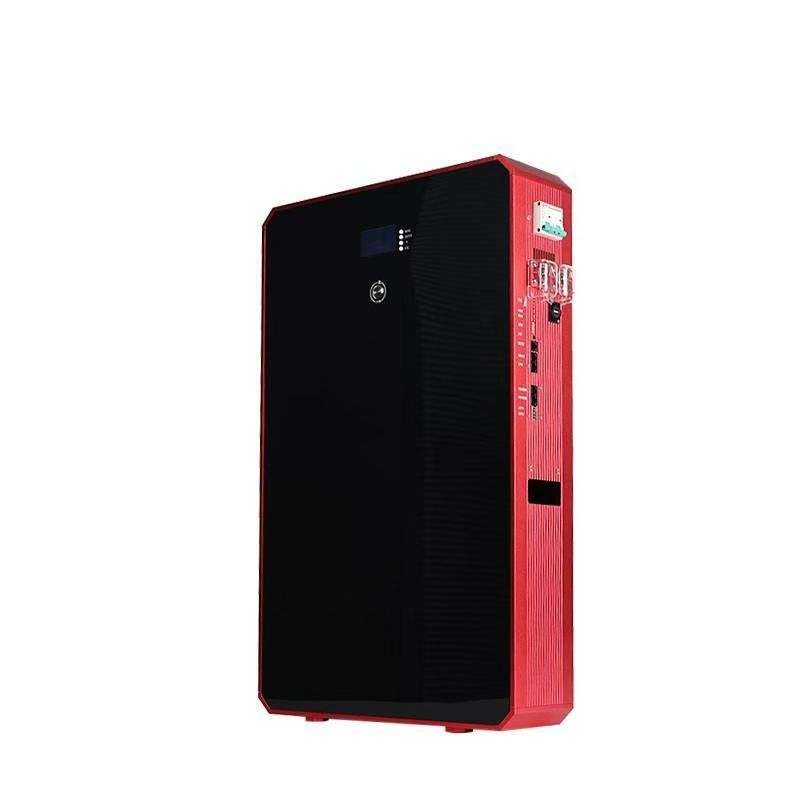
As electricity prices rise and power grid stability becomes a growing concern, more homeowners are turning to home solar battery storage systems to achieve energy independence. A properly selected home energy storage system allows households to store excess solar power, reduce reliance on the grid, and maintain electricity during outages.
This article is written for homeowners, solar installers, distributors, and importers who want to understand how to choose the right home solar battery storage system. It explains system types, key specifications, battery options, and includes a detailed FAQ to support buying decisions.
What Is a Home Solar Battery Storage System?
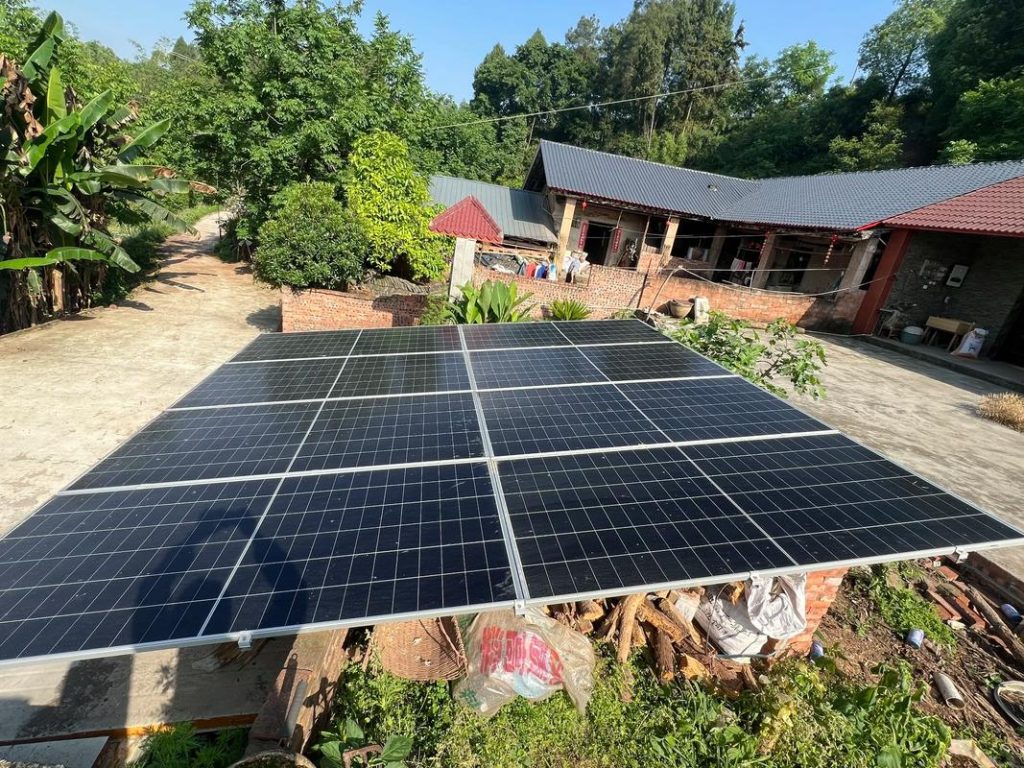
A home solar battery storage system stores electricity generated by rooftop solar panels and releases it when needed. Instead of sending surplus energy back to the grid, the battery saves it for nighttime use, peak electricity hours, or emergency backup.
A typical system includes:
- Lithium battery pack
- Battery Management System (BMS)
- Hybrid or off-grid inverter
- Energy monitoring system
- Protection and cooling components
Home solar battery systems are designed to be compact, safe, and easy to install, making them ideal for residential environments.
Why Homeowners Are Choosing Solar Battery Storage
There are several reasons why residential energy storage is becoming increasingly popular worldwide:
- Lower electricity bills by increasing self-consumption
- Backup power during grid outages
- Energy independence from rising utility prices
- Better use of solar energy generated during the day
- Reduced carbon footprint
In regions with unstable grids or high peak electricity rates, home battery storage delivers even greater value.
Types of Home Solar Battery Storage Systems
1. Grid-Tied with Battery Backup
This system works with the grid and solar panels. It stores energy and provides backup power during outages but still relies on the grid when needed.
2. Hybrid Solar Battery System
A hybrid system combines grid-tied and off-grid functions. It offers flexible energy management and is one of the most popular options for modern homes.
3. Off-Grid Home Energy Storage
Designed for homes without grid access, these systems operate independently and require careful capacity planning.
Key Factors When Choosing a Home Solar Battery Storage System
1. Battery Type
Lithium-based batteries dominate the residential market due to their efficiency and long lifespan.
- Lithium-ion: High energy density and compact size
- LFP (LiFePO₄): Longer cycle life, higher safety, and better thermal stability
LFP batteries are widely considered the best choice for home solar energy storage.
2. Battery Capacity (kWh)
Battery capacity determines how much energy can be stored and used.
Typical residential capacity ranges:
- Small homes: 5–7 kWh
- Medium homes: 10–15 kWh
- Large homes or backup-focused users: 20 kWh+
Capacity should match daily energy consumption and backup requirements.
3. Power Output (kW)
Power output affects how many appliances can run simultaneously. High-demand devices such as air conditioners or electric ovens require higher inverter power.
4. Expandability
Modular systems allow homeowners to add more battery capacity in the future, reducing upfront investment risk.
5. Safety and Protection
A reliable home solar battery system should include:
- Overcharge and over-discharge protection
- Short-circuit protection
- Thermal management
- Smart BMS monitoring
Safety is a critical factor, especially for indoor installations.
Typical Product Specifications for Home Solar Battery Storage
Below are common specifications offered by professional manufacturers. Exact parameters can be customized based on market and project needs.
Battery Specifications
- Battery type: LFP (LiFePO₄)
- Nominal voltage: 48V / 51.2V
- Capacity options: 5 kWh / 10 kWh / 15 kWh / 20 kWh
- Cycle life: 6,000+ cycles
- Depth of discharge: Up to 95%
- Operating temperature: -10°C to 50°C
Inverter Specifications
- Inverter type: Hybrid inverter
- Rated power: 3 kW – 10 kW
- Phase: Single-phase / Three-phase
- Efficiency: ≥97%
System Features
- Smart BMS with real-time monitoring
- WiFi or app-based energy management
- Wall-mounted or floor-standing design
- Low noise operation
- Scalable modular architecture
Installation and Application Scenarios
Home solar battery storage systems are suitable for:
- Urban residential houses
- Suburban and rural homes
- Villas and small apartments
- Areas with frequent power outages
Installation can be indoor or outdoor, depending on enclosure rating and local climate.
OEM Home Solar Battery Storage Solutions
For distributors and solar brands, many manufacturers offer OEM home energy storage solutions, including:
- Custom logo and brand identity
- Customized battery capacity and enclosure
- Private-label monitoring software
- Packaging and manual customization
OEM services help partners quickly enter local markets with branded products.
Frequently Asked Questions (FAQ)
Q1: How long can a home solar battery power a house?
This depends on battery capacity and energy consumption. A 10 kWh battery can typically support essential appliances for 8–12 hours during an outage.
Q2: What is the lifespan of a home solar battery?
Most lithium-based home energy storage systems last 10–15 years, depending on cycle life and usage patterns.
Q3: Is LFP battery safe for home use?
Yes. LFP batteries are known for high safety, thermal stability, and long service life, making them ideal for residential applications.
Q4: Can I add more batteries later?
Yes. Modular home solar battery systems are designed for future expansion.
Q5: Do home solar battery systems work without solar panels?
Yes. They can store grid electricity, but combining them with solar panels provides the greatest benefit and savings.
Final Thoughts
Choosing the right home solar battery storage system requires careful evaluation of battery type, capacity, safety, and future expandability. With the right configuration, homeowners can reduce electricity costs, increase energy security, and maximize the value of their solar investment.
For buyers and distributors, working with an experienced manufacturer ensures reliable quality, flexible customization, and long-term support.


No reply content