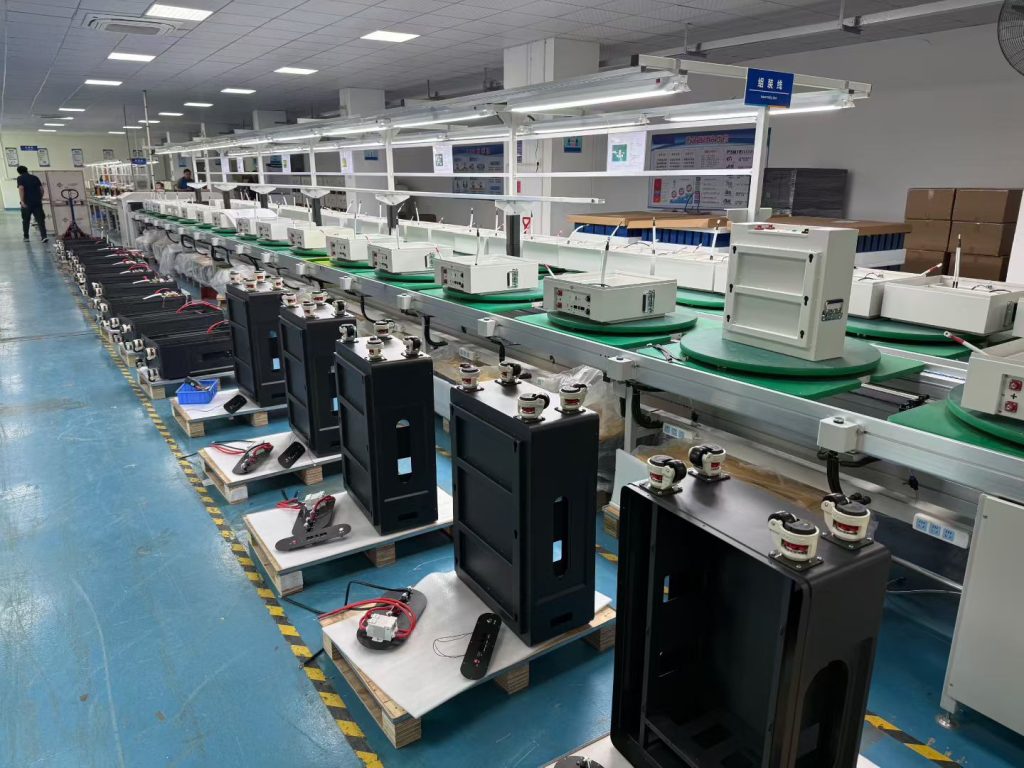
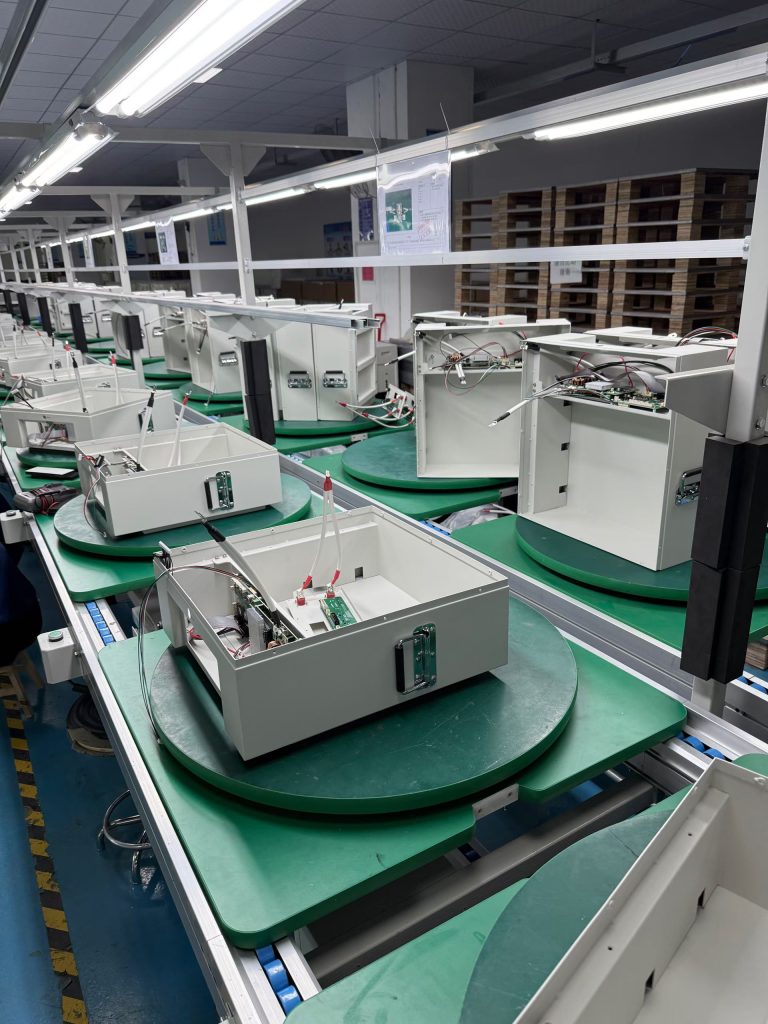
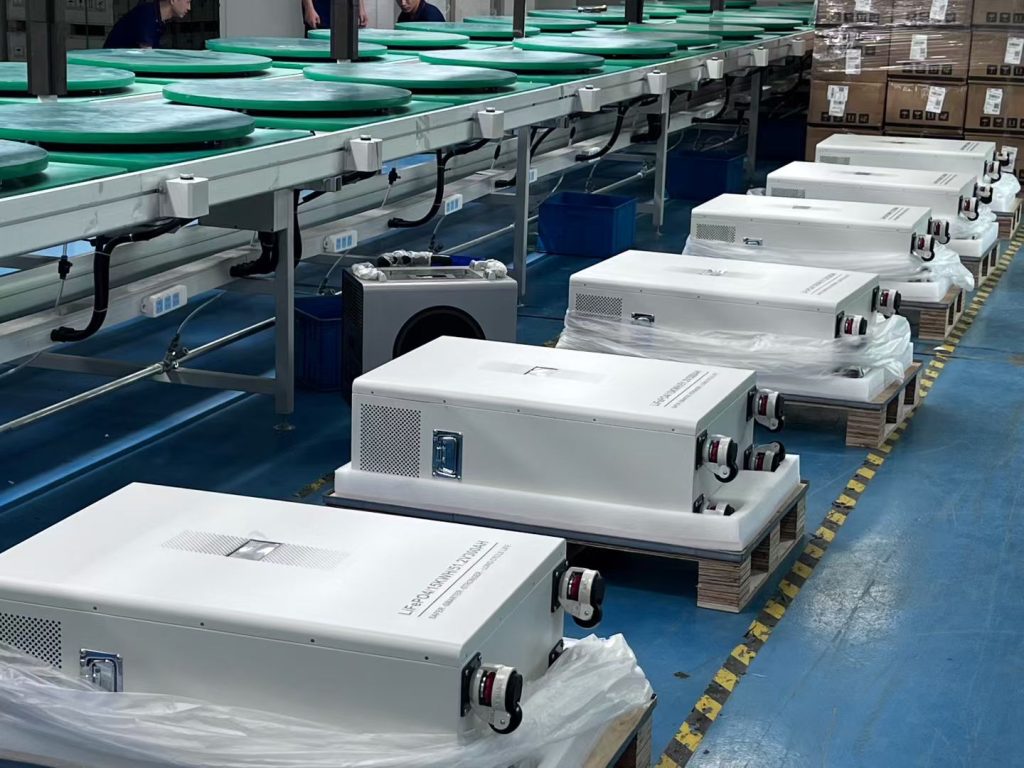
Home solar power and energy storage systems are revolutionizing residential electricity usage, reducing energy bills, and providing sustainable backup power. This guide covers solar panel selection, battery storage technology, system sizing, installation, maintenance, and customization options. Written with E-E-A-T principles, it provides expert insights, SEO optimization, and FAQ for homeowners, installers, and distributors seeking reliable residential solar solutions.
1. Introduction: Why Home Solar & Energy Storage Matters
The global shift toward renewable energy has made home solar power systems with energy storage an essential choice for environmentally conscious homeowners. Solar panels paired with energy storage batteries provide:
- Reduced electricity bills
- Reliable backup power during outages
- Grid independence
- Environmental sustainability
- Potential government incentives
Homeowners are increasingly searching for residential solar kits, energy storage systems, hybrid solar solutions, and customized solar setups to meet their specific energy requirements.
2. How Home Solar Power Systems Work
A typical residential solar energy system consists of:
- Solar Panels – Convert sunlight into DC electricity
- Solar Inverter – Converts DC to AC for home use
- Battery Storage – Stores excess energy for nighttime or grid outages
- Monitoring System – Tracks performance and consumption
- Mounting System – Roof or ground mounts for optimal solar exposure
Modern systems can integrate smart home automation, allowing real-time monitoring and remote control via apps.
3. Types of Solar Panels for Residential Use
3.1 Monocrystalline Solar Panels
- High efficiency (20–24%)
- Sleek black appearance
- Long lifespan (25+ years)
3.2 Polycrystalline Solar Panels
- Moderate efficiency (15–20%)
- Blue-tinted color
- Lower cost per watt
3.3 Thin-Film Solar Panels
- Flexible and lightweight
- Lower efficiency (10–12%)
- Ideal for unconventional surfaces
Choice depends on roof space, budget, and aesthetic preference.
4. Energy Storage Solutions
Energy storage systems allow homeowners to store solar electricity for later use.
4.1 Lithium-Ion Batteries
- High energy density
- Long cycle life (3000–5000 cycles)
- Lightweight, compact
4.2 Lead-Acid Batteries
- Lower cost
- Bulkier and heavier
- Shorter lifespan (500–1000 cycles)
4.3 Hybrid Systems
- Combine solar energy storage with grid-tied systems
- Provide backup power and peak shaving
- Maximize self-consumption
Proper battery sizing is critical for meeting household energy demands.
5. Sizing Your Home Solar System
Factors affecting system size:
- Average household energy consumption (kWh/month)
- Roof area and orientation
- Solar irradiance in your location
- Desired level of grid independence
- Future expansion considerations
A typical 4-bedroom home requires 5–8 kW solar panel capacity with 10–20 kWh storage for full backup.
6. Installation Considerations
6.1 Roof-Mounted Systems
- South-facing orientation preferred in northern hemisphere
- Requires roof structural assessment
6.2 Ground-Mounted Systems
- Adjustable tilt for maximum sunlight
- Suitable when roof space is limited
6.3 Hybrid Grid-Tied Systems
- Can sell excess power back to the grid
- Often paired with net metering
6.4 Off-Grid Systems
- Fully independent from grid
- Requires larger battery storage
7. E-E-A-T: Expertise, Authority & Trust in Residential Solar
Experience
- Proven track record in designing and installing residential solar systems
- Years of servicing homeowners and small businesses
- Knowledge of local regulations and incentives
Expertise
- Certified solar engineers
- Expertise in PV panel, inverter, and battery integration
- Energy efficiency assessment and system optimization
Authoritativeness
- ISO-certified solar products
- Partnered with leading battery manufacturers
- Compliance with IEC, UL, and CE standards
Trustworthiness
- Transparent quotes and contracts
- Warranty coverage on panels, inverters, and batteries
- Customer support and after-sales service
8. Cost Considerations
8.1 Solar Panels
- $0.5–$1.2 per watt depending on quality and type
8.2 Battery Storage
- Lithium-ion: $500–$800 per kWh
- Lead-acid: $200–$400 per kWh
8.3 Installation & Inverter
- Inverter: $1000–$3000 for residential systems
- Installation labor: $1–$3 per watt
Total cost depends on system size, technology, and level of customization.
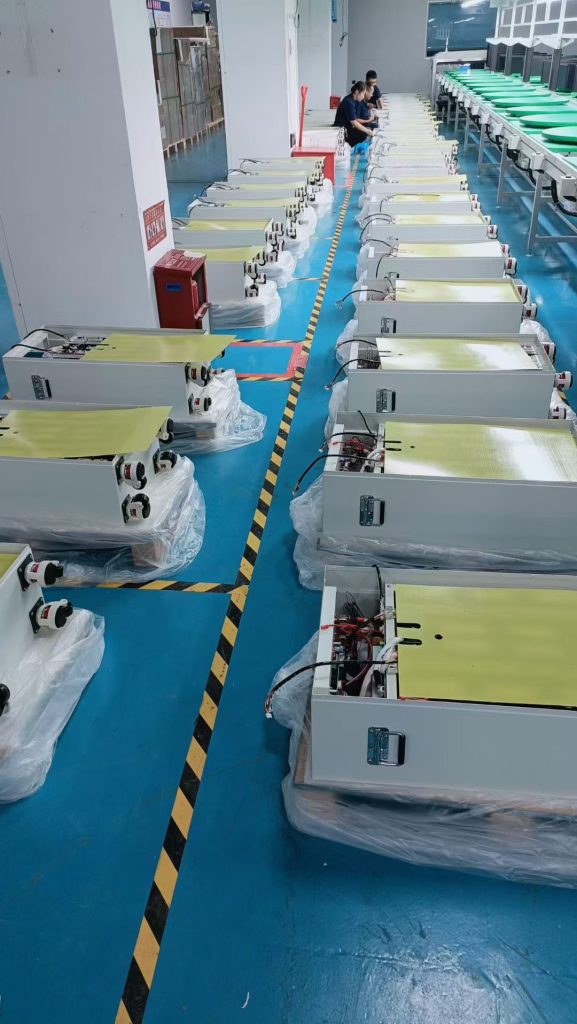
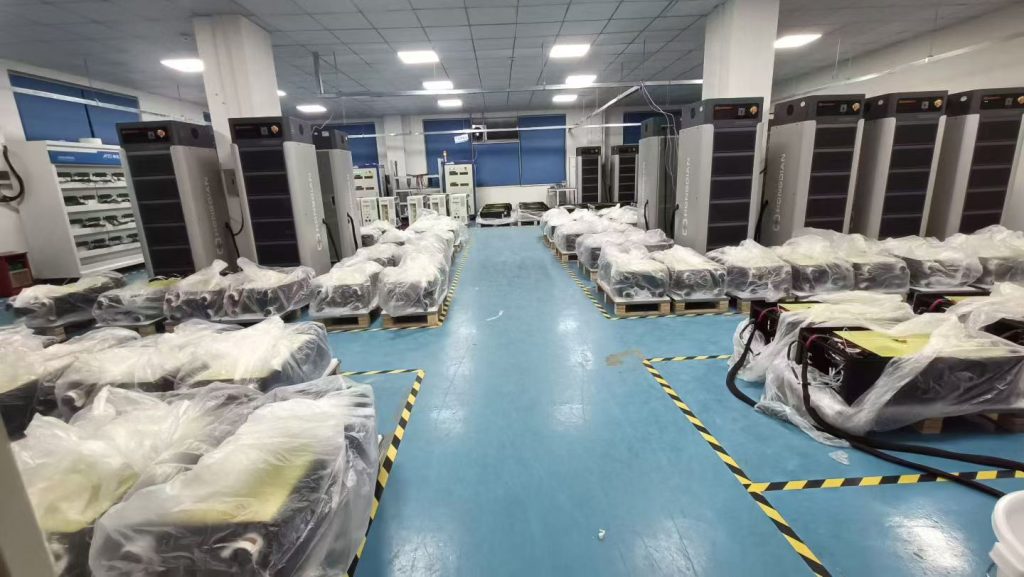
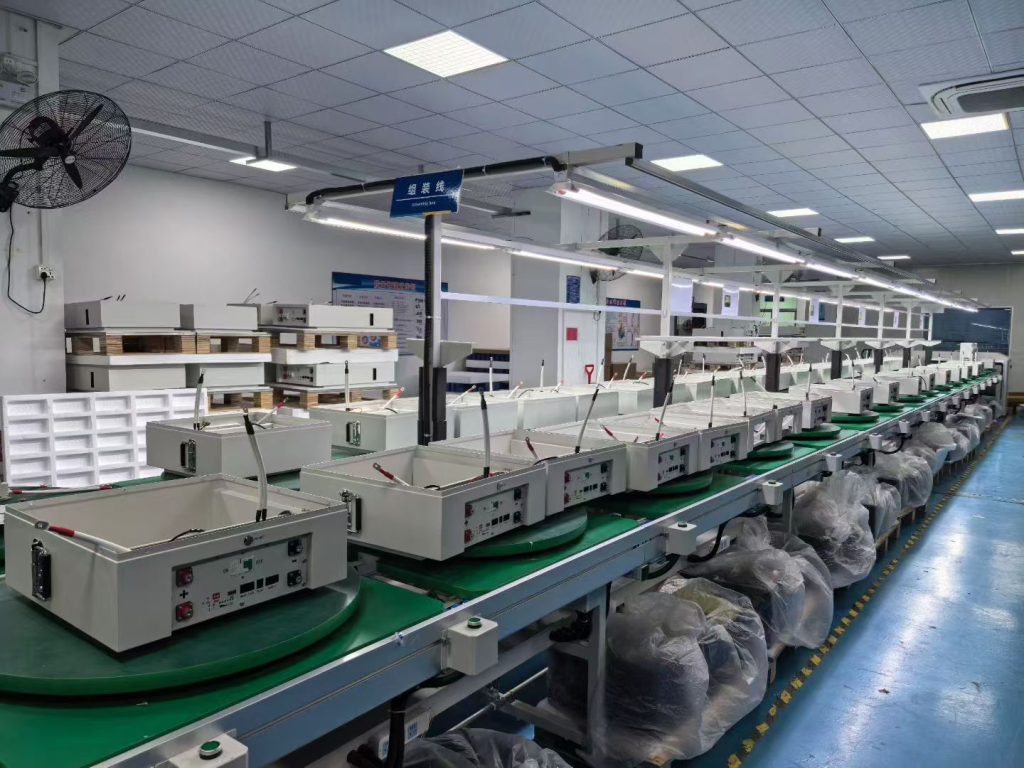
9. Production Lead Time & Availability
Stock Availability
- Standard solar kits: Usually in stock for quick shipment
- Customized systems: Designed based on household needs
Lead Time
- Pre-packaged solar kits: 3–5 days
- Custom systems: 10–20 days for panels, inverters, batteries
- Large-scale orders: 3–6 weeks depending on quantity and shipping
10. Can Home Solar Systems Be Customized?
Yes. Customization options include:
- System capacity (kW and kWh)
- Type of solar panels (monocrystalline, polycrystalline, thin-film)
- Battery technology (lithium-ion, lead-acid, hybrid)
- Mounting type (roof, ground, tracking systems)
- Monitoring and smart home integration
- Branding for OEM solar distributors
11. Maintenance & Lifecycle Management
Residential solar systems require:
- Periodic cleaning of panels (dust, leaves)
- Battery health check
- Inverter inspection
- Monitoring system calibration
- Regular firmware updates for smart devices
Proper maintenance ensures efficiency and extends lifespan up to 25 years for panels and 10–15 years for batteries.
12. Incentives & ROI
Many countries offer:
- Tax credits
- Feed-in tariffs
- Subsidies for renewable energy
- Net metering policies
Average payback period: 4–8 years depending on electricity cost, solar irradiance, and government incentives.
13. Frequently Asked Questions (FAQ)
Q1: Can you provide a full home solar power system?
Yes. Manufacturers supply complete kits including solar panels, inverters, battery storage, mounting hardware, and monitoring systems.
Q2: What is the MOQ?
- Standard residential kits: 1 unit
- Custom packages for developers or distributors: Negotiable, typically 5–10 units
Q3: What is the delivery time?
- In-stock kits: 3–5 days
- Customized systems: 10–20 days
Q4: Is there stock available?
Yes, standard residential kits are typically in stock. Custom capacities require production lead time.
Q5: Can the system be fully customized?
Yes. Options include system size, panel type, battery capacity, hybrid grid integration, and monitoring solutions.
14. Choosing the Right Home Solar Provider
Consider:
- Experience in residential installations
- Certification and compliance with international standards
- Warranty and after-sales service
- Customization capabilities
- Competitive pricing and ROI projections
A professional supplier ensures reliable energy production, long-term savings, and environmentally sustainable power solutions.
15. Conclusion
Investing in a home solar power system with energy storage is both economically smart and environmentally responsible. A properly designed and installed system provides:
- Reduced electricity bills
- Backup power during outages
- Grid independence
- Sustainable lifestyle benefits
Partnering with an experienced, certified, and trustworthy supplier ensures high-quality components, optimized performance, and long-term reliability.


No reply content