Introduction: Why Source Home Treadmills from Professional Manufacturers
The demand for home fitness equipment has surged globally due to growing health awareness and the rise of remote working. Home treadmills have become a cornerstone for personal fitness, allowing users to:
- Achieve daily cardio goals in a safe indoor environment
- Save time and reduce dependency on public gyms
- Track performance with smart consoles and fitness apps
For distributors, retailers, and e-commerce businesses, sourcing from professional home treadmill manufacturers ensures:
- High-quality construction that withstands daily use
- Competitive pricing compared to Western brands
- Customizable features, including private labeling and software integration
- Compliance with international standards, ensuring global market access
This guide is designed to help buyers understand the key technical parameters, manufacturing standards, supplier evaluation, and shipping considerations.
Types of Home Treadmills Manufactured
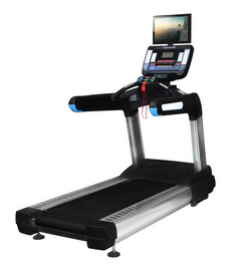
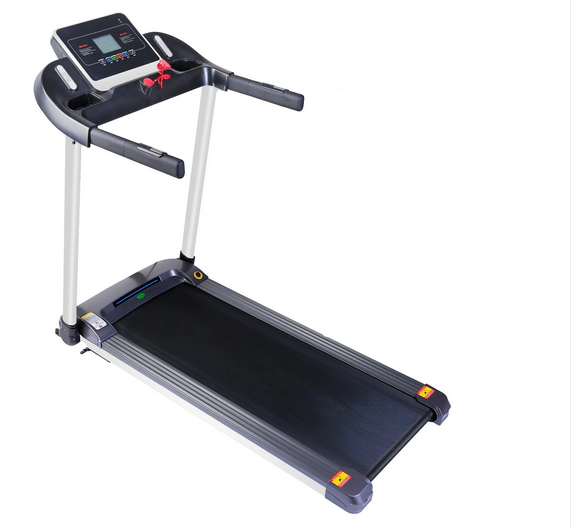
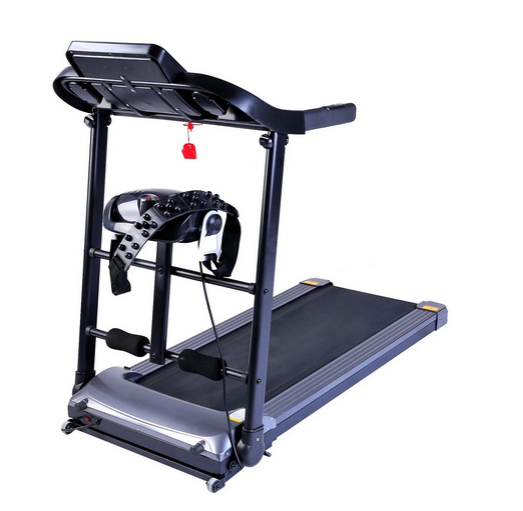
1. Standard Motorized Home Treadmills
- DC motors (1.5–3.0 HP) designed for moderate daily use
- Foldable frames for space-saving storage
- LCD or LED consoles displaying speed, distance, calories, and heart rate
2. Smart Home Treadmills
- Android-based or embedded touchscreen systems
- Wi-Fi and Bluetooth connectivity
- Virtual running routes, fitness tracking, and multi-user profiles
- Integration with third-party fitness apps
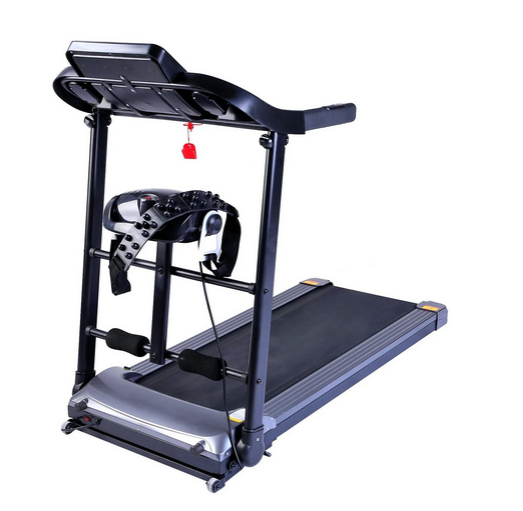
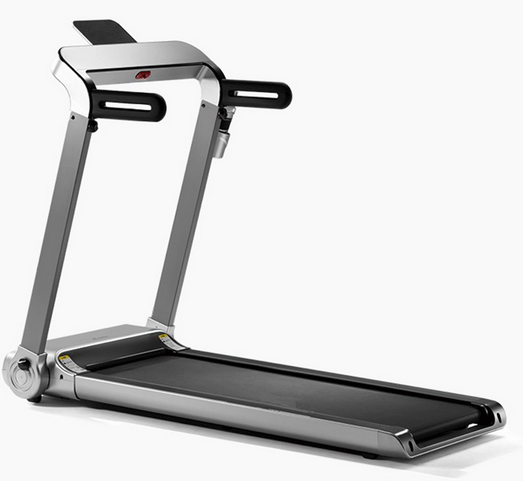
3. Compact or Folding Treadmills
- Ultra-thin frames for apartments or small rooms
- Lightweight and portable with wheels for easy movement
- Basic speed and incline functionality
Key Advantages of Professional Home Treadmill Manufacturers
- R&D and Innovation: Manufacturers continually upgrade motor efficiency, deck technology, and console software.
- OEM/ODM Services: Private labeling and software customization for brands and e-commerce sellers.
- Global Compliance: CE, RoHS, FCC, and ISO9001 certifications for safe exports.
- Manufacturing Capacity: Ability to fulfill bulk orders efficiently while maintaining quality control.
Essential Technical Specifications to Evaluate
When sourcing home treadmills, buyers should focus on motor performance, deck quality, console functionality, and safety features.
Motor System
| Parameter | Standard Home Treadmill | Smart Home Treadmill |
|---|---|---|
| Motor Type | DC Motor | DC or Brushless Motor |
| Continuous Power | 1.5–2.5 HP | 2.0–3.0 HP |
| Peak Power | 2.5–4.0 HP | 3.0–4.5 HP |
| Duty Cycle | 1–2 hours/day | 2–3 hours/day |
| Noise Level | Low | Low–Moderate |
Note: Brushless DC motors are quieter and more durable, ideal for urban apartments.
Running Deck & Shock Absorption
| Feature | Specification |
|---|---|
| Deck Material | Multi-layer MDF or phenolic board |
| Cushioning | 4–8 elastomer or hydraulic shock points |
| Belt Dimensions | 1200–1500 mm length × 500–550 mm width |
| Max User Weight | 100–130 kg |
Shock absorption is essential for reducing joint stress and maintaining treadmill longevity.
Console & Smart Features
| Feature | Specification |
|---|---|
| Display | 7–15 inch LCD/LED or touchscreen |
| Connectivity | Wi-Fi, Bluetooth, USB |
| Functions | Multi-user profiles, virtual running, fitness apps |
| Entertainment | Music streaming, video playback |
Smart consoles increase user engagement and personalized workout experience.
Safety Features
- Emergency stop with magnetic safety key
- Anti-slip running belt
- Foldable locking mechanism for compact storage
- Compliance with CE, RoHS, or FCC standards
Comparison: Home Treadmills vs Commercial Models
| Feature | Home Treadmill | Commercial Treadmill |
|---|---|---|
| Motor | 1.5–3.0 HP DC | 3–5 HP AC |
| Duty Cycle | 1–3 hours/day | 10–16 hours/day |
| Max User Weight | 100–130 kg | 180–200 kg |
| Running Belt | 1200–1500 × 500–550 mm | 1600–1600 × 580–600 mm |
| Console | Basic LCD or LED | Touchscreen with apps |
| Price | Low–Moderate | High |
| Warranty | 1–3 years | 3–5 years |
Home treadmills focus on space efficiency, noise reduction, and affordability, whereas commercial models emphasize heavy-duty durability and advanced features.
Manufacturing Process and Quality Control
Materials & Construction
- High-grade steel or aluminum frames for stability
- Laminated or phenolic boards for running decks
- Industrial-grade DC or brushless motors
- Durable running belts with multi-layer construction
Production Standards
- ISO 9001 certified manufacturing
- CNC-machined components for precision
- Electronic and mechanical testing during production
Quality Assurance
- Load testing to verify max user weight
- Shock absorption testing for running decks
- Software verification for smart consoles
Shipping & Import Considerations
- FCL (Full Container Load) for bulk shipments
- LCL (Less than Container Load) for smaller orders
- Air Freight for urgent shipments
- Voltage compatibility: 110V/220V based on destination
- HS Code for treadmills: 9506.91
- Packaging: foam padding, palletization, moisture-resistant wrapping
Technical Specification Table (Sample Home Model)
| Parameter | Specification |
|---|---|
| Motor | DC 2.5 HP |
| Speed Range | 0.8–16 km/h |
| Incline | 0–12% |
| Running Deck | 1400×500 mm, 6-point cushioning |
| Max User Weight | 120 kg |
| Display | 10” LCD touchscreen |
| Connectivity | Bluetooth / Wi-Fi |
| Certifications | CE / RoHS / FCC |
| Duty Cycle | 2–3 hrs/day |
| Warranty | 2 years |
Selecting the Right Home Treadmill Manufacturer: E-E-A-T Framework
-
Experience
- Years in treadmill production
- Verified export history
-
Expertise
- R&D for motor efficiency, deck design, and console software
- Ergonomic and safety engineering
-
Authoritativeness
- ISO 9001 certified
- CE, RoHS, or FCC certifications
- Third-party testing reports
-
Trustworthiness
- Transparent datasheets
- Spare parts availability
- Clear warranty and after-sales service
Maintenance & Longevity
Routine Maintenance
- Lubricate treadmill belts monthly
- Align belt and check tension every 3–6 months
- Update console software periodically
- Inspect electrical components annually
Expected Lifespan
| Component | Lifespan |
|---|---|
| Motor | 5–8 years |
| Running deck & belt | 3–5 years |
| Electronics & touchscreen | 4–6 years |
| Overall treadmill | 5–8 years |
Proper maintenance ensures reliable operation and long-term customer satisfaction.
Frequently Asked Questions (FAQ)
Q1: Are home treadmills from Chinese manufacturers reliable?
A: Yes, if sourced from reputable, ISO/CE-certified manufacturers with export experience.
Q2: Can smart home treadmills support multiple users?
A: Yes, most smart models allow multi-user profiles and fitness tracking.
Q3: How long does shipping take from China?
A: FCL: 30–45 days; LCL: 40–60 days; Air freight: 7–15 days.
Q4: Can manufacturers provide private labeling?
A: Yes, OEM and ODM options are widely available.
Q5: How should home treadmills be maintained?
A: Monthly belt lubrication, belt alignment every 3–6 months, software updates, and annual electrical inspection.
Conclusion: Choosing Professional Home Treadmill Manufacturers
Partnering with professional home treadmill manufacturers in China allows retailers and distributors to offer high-quality, durable, and technologically advanced products at competitive prices. Key considerations include:
- Verifying certifications, experience, and export references
- Evaluating technical specifications, motor type, and duty cycles
- Planning shipping, customs compliance, and after-sales support
By sourcing carefully, global buyers can ensure long-term reliability, customer satisfaction, and commercial success in the growing home fitness market.


No reply content