
In today’s world, where energy costs are rising and environmental concerns are growing, household solar power generation has become a practical and popular solution for homeowners. No longer a futuristic concept, solar energy systems for homes provide clean, sustainable electricity that reduces dependency on the grid and supports long-term savings.
This guide explores every aspect of household solar power generation, including how it works, the main components, benefits, costs, installation, maintenance, and future trends. By the end, you will have a clear understanding of why solar power is a smart choice for modern households.
What is Household Solar Power Generation?
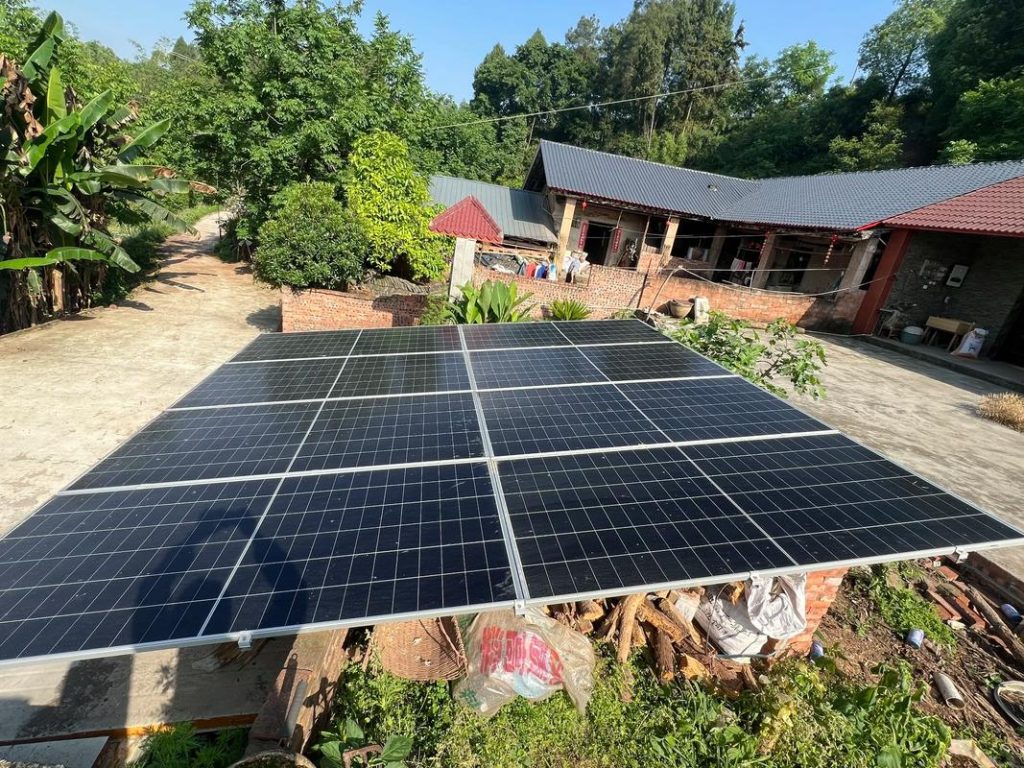
Household solar power generation refers to the process of converting sunlight into electricity for residential use. Solar panels, typically installed on rooftops, use photovoltaic (PV) cells to capture sunlight and convert it into direct current (DC) electricity. This electricity is then converted into alternating current (AC) through an inverter, making it usable for home appliances.
Unlike electricity generated from fossil fuels, solar power is renewable, environmentally friendly, and sustainable. Once a system is installed, it can provide electricity for 25 years or more with minimal maintenance.
How Household Solar Systems Work
A residential solar system works through the following process:
- Sunlight Absorption: Solar panels absorb sunlight through photovoltaic cells.
- Electricity Generation: The PV cells convert sunlight into DC electricity.
- Inverter Conversion: A solar inverter converts DC to AC electricity for home use.
- Power Distribution: Electricity is routed to the home’s electrical panel.
- Energy Storage or Grid Interaction: Excess electricity can be stored in batteries or sent back to the grid for net metering.
This process is silent, emission-free, and requires minimal intervention from homeowners.
Types of Household Solar Power Systems
Grid-Tied Systems
Grid-tied systems are connected to the local electricity grid. They allow homeowners to use solar energy during the day and draw from the grid when solar production is insufficient.
Advantages:
- Lower upfront cost
- Eligibility for net metering in many regions
- No large battery storage required
Off-Grid Systems
Off-grid systems operate independently from the utility grid, storing energy in batteries for continuous electricity supply.
Advantages:
- Complete energy independence
- Ideal for remote or rural areas
- Backup power during outages
Hybrid Systems
Hybrid systems combine grid connection with battery storage, offering the benefits of both options.
Advantages:
- Backup during power outages
- Better energy management
- Reduced electricity costs
Key Components of a Household Solar System
- Solar Panels: Convert sunlight into electricity. Modern panels are durable, high-efficiency, and weather-resistant.
- Inverter: Converts DC to AC electricity for household use.
- Mounting System: Roof or ground frames that hold solar panels safely in place.
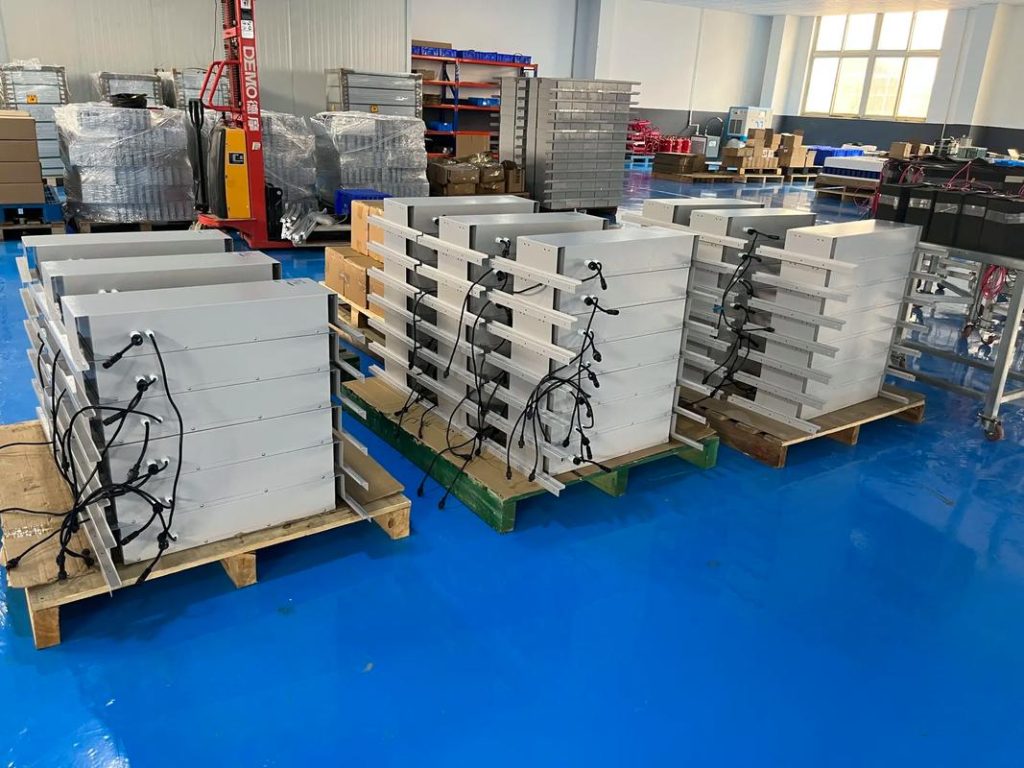
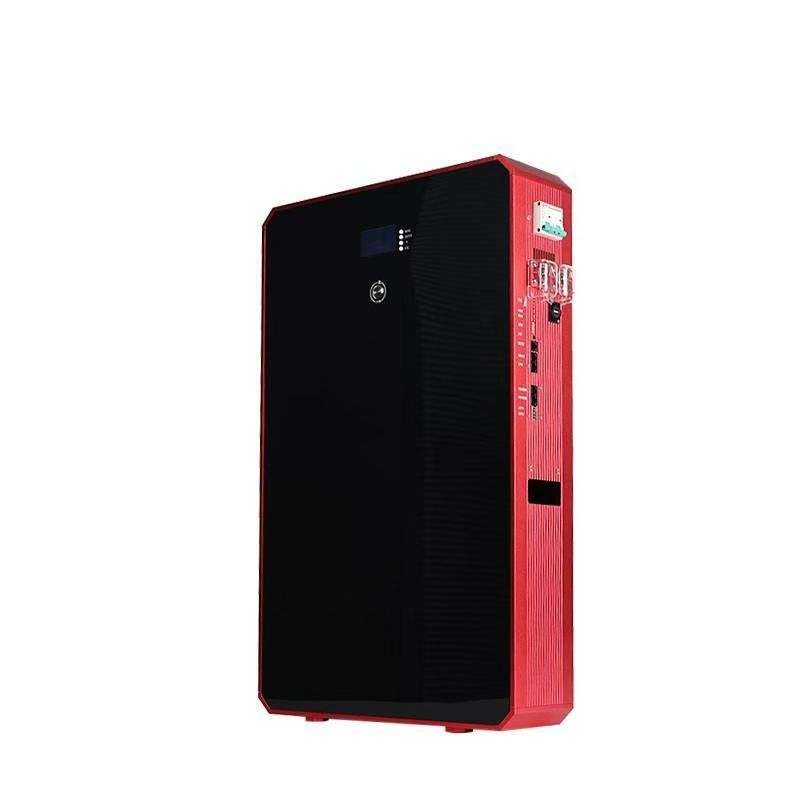
- Battery Storage (Optional): Stores excess energy for nighttime or emergency use.
- Monitoring System: Tracks energy production and consumption in real-time.
Each component plays a critical role in ensuring consistent, reliable electricity generation.
Benefits of Household Solar Power
Lower Electricity Bills
By generating electricity at home, families can significantly reduce monthly energy costs, sometimes achieving nearly zero electricity bills.
Energy Independence
Solar power reduces reliance on the local utility and protects homeowners from rising electricity prices.
Environmental Impact
Solar energy produces no emissions, helping to reduce the household carbon footprint and contributing to cleaner air.
Increased Property Value
Homes with solar installations often have higher resale value and appeal to environmentally conscious buyers.
Long-Term Reliability
Solar systems are built to last, with most panels guaranteed for 25 years or more, offering stable energy production over decades.
Costs of Household Solar Power Systems
The price of a residential solar system varies depending on:
- System size (kW capacity)
- Type and efficiency of solar panels
- Battery storage requirements
- Roof conditions and location
- Installation and labor costs
Although initial installation can be significant, long-term savings often outweigh the upfront cost. Government incentives and tax credits further reduce the effective investment, with many homeowners achieving a return on investment within 5 to 8 years.
Installation Considerations
Before installing a system, homeowners should evaluate:
- Roof orientation and tilt
- Sunlight exposure and shading
- Local building codes and regulations
- Grid connection requirements
Professional assessment ensures the system is optimized for maximum energy production.
Maintenance and Lifespan
Residential solar systems require minimal maintenance:
- Occasional panel cleaning
- Visual inspections for damage
- Monitoring system checks
With proper care, solar panels can continue to produce electricity efficiently for over 25 years, making them a highly reliable long-term investment.
Energy Storage and Smart Home Integration
Adding battery storage allows households to store excess electricity for nighttime use or emergencies. Smart home technologies can further optimize energy usage by:
- Scheduling appliances during peak solar production
- Charging electric vehicles with solar energy
- Monitoring and managing consumption remotely
These innovations enhance convenience and maximize the value of household solar power.
Environmental Impact
Switching to solar power reduces greenhouse gas emissions and reliance on fossil fuels. A single household system can offset several tons of CO₂ over its lifetime. In addition, widespread residential solar adoption reduces pressure on national grids and contributes to global sustainability goals.
Common Myths About Household Solar Power
Myth 1: Solar panels don’t work in cloudy weather.
Reality: Panels generate electricity even under diffuse sunlight.
Myth 2: Solar power is too expensive.
Reality: Long-term savings often surpass the initial cost, especially with incentives.
Myth 3: Solar systems require constant maintenance.
Reality: Modern solar systems are low-maintenance and highly reliable.
Future Trends in Residential Solar Power
The future of household solar includes:
- Higher efficiency panels
- Improved battery storage solutions
- Integration with AI-powered energy management
- Building-integrated photovoltaics (BIPV)
These trends will make solar energy even more accessible, efficient, and sustainable.
Conclusion
Household solar power generation is a practical, reliable, and environmentally friendly way to produce electricity. By investing in a residential solar system, homeowners can reduce costs, increase energy independence, and contribute to a sustainable future.
With mature technology, long-term reliability, and ongoing innovation, solar energy is becoming an essential part of modern households.


No reply content