Household solar power generation is no longer a futuristic concept reserved for environmentally conscious pioneers. Today, it has become one of the most practical, cost-effective, and reliable ways for homeowners to produce their own electricity. With rising energy prices, increasing concerns about climate change, and rapid advancements in solar technology, more families around the world are turning to solar power to gain energy independence and long-term savings.
This comprehensive guide explores how household solar power generation works, its benefits, system components, installation considerations, costs, maintenance, and future trends. Whether you are researching solar energy for the first time or considering installing a system on your home, this article will give you a clear and realistic understanding of what to expect.
What Is Household Solar Power Generation?
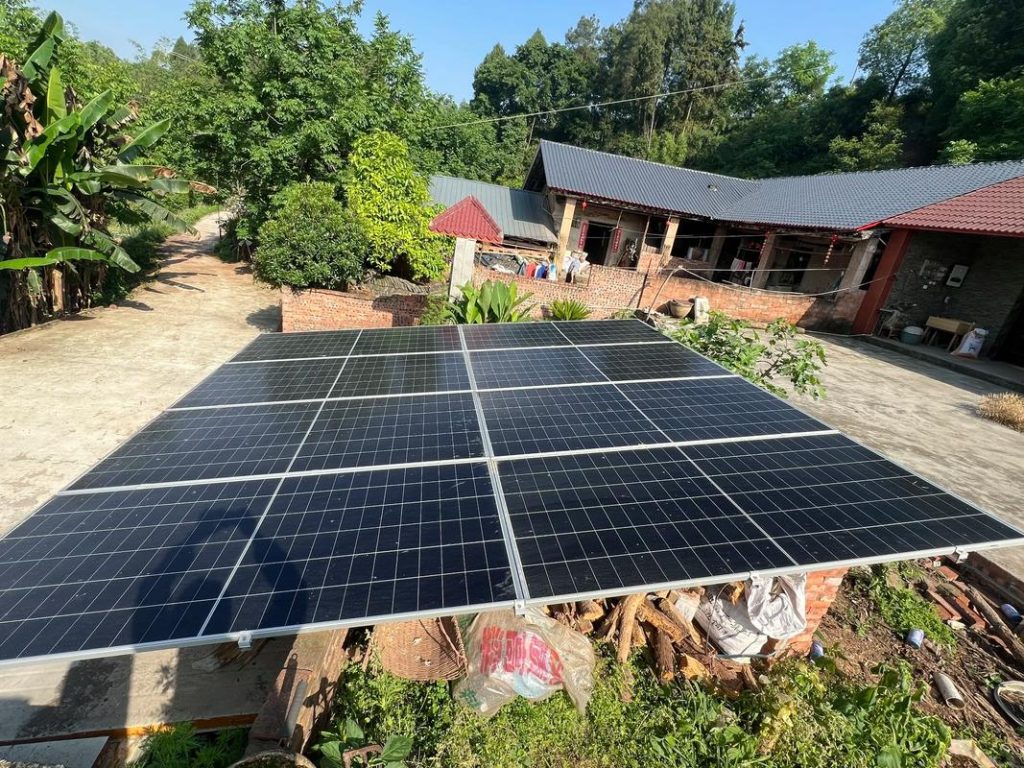
Household solar power generation refers to the process of producing electricity at home using solar energy. This is typically achieved through photovoltaic (PV) panels installed on rooftops, balconies, or ground-mounted systems. These panels convert sunlight directly into electricity, which can be used to power household appliances, lighting, heating systems, and electronic devices.
Unlike traditional electricity generated from fossil fuels, solar power is renewable, clean, and sustainable. Once installed, a household solar system can generate electricity for 25 years or more, significantly reducing reliance on the power grid.
How Household Solar Power Systems Work
A residential solar power system operates through several key steps:
-
Sunlight absorption
Solar panels absorb sunlight using photovoltaic cells made primarily from silicon. -
Electricity generation
The PV cells convert sunlight into direct current (DC) electricity. -
Inverter conversion
A solar inverter converts DC electricity into alternating current (AC), which is used by household appliances. -
Power distribution
Electricity is supplied to the home’s electrical panel to power daily usage. -
Grid interaction or storage
Excess electricity is either sent back to the grid (grid-tied systems) or stored in batteries for later use (off-grid or hybrid systems).
This process happens silently, automatically, and without emissions, making solar energy one of the cleanest power sources available.
Main Types of Household Solar Power Systems
Grid-Tied Solar Systems
Grid-tied systems are connected to the local utility grid. They allow homeowners to use solar power during the day and draw electricity from the grid when solar production is insufficient, such as at night or during cloudy weather.
Advantages:
- Lower installation cost
- No need for large battery storage
- Eligibility for net metering in many regions
Off-Grid Solar Systems
Off-grid systems operate independently of the utility grid. They rely on solar panels and battery storage to supply all household electricity needs.
Advantages:
- Complete energy independence
- Ideal for remote or rural areas
- Protection from power outages
Hybrid Solar Systems
Hybrid systems combine grid connectivity with battery storage. They provide flexibility by storing excess solar energy while remaining connected to the grid.
Advantages:
- Backup power during outages
- Improved energy management
- Better use of solar generation
Key Components of a Household Solar Power System
Solar Panels
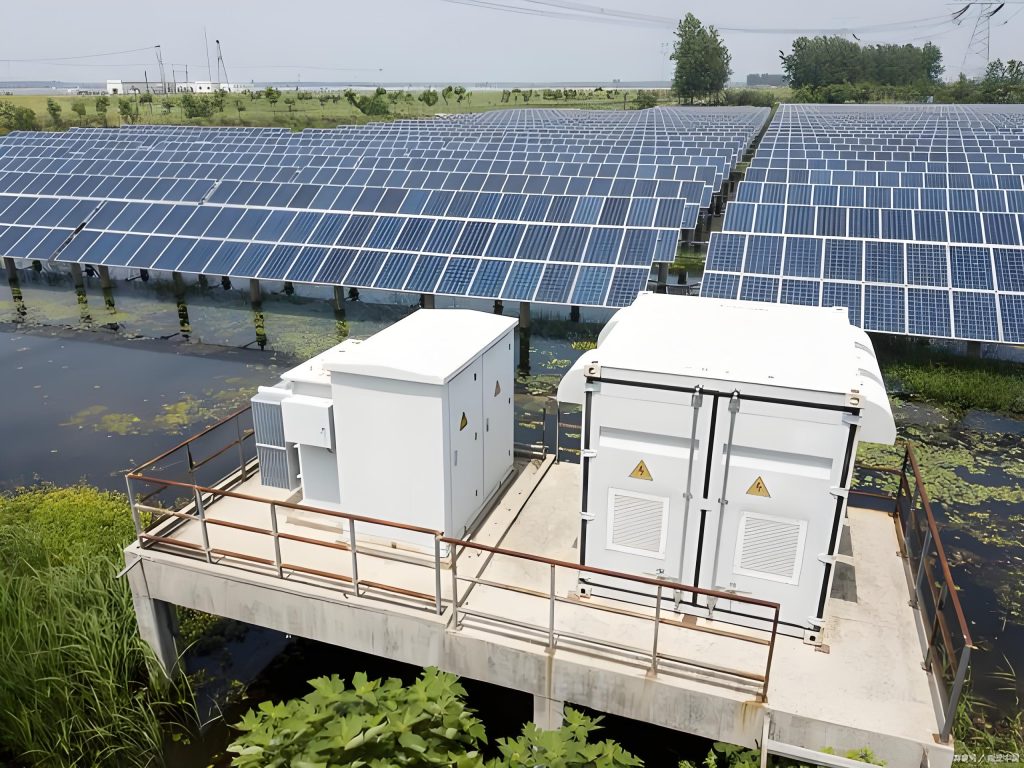
Solar panels are the most visible part of the system. Modern panels are durable, weather-resistant, and efficient, with typical lifespans exceeding 25 years.
Common types include:
- Monocrystalline solar panels
- Polycrystalline solar panels
- Thin-film solar panels
Solar Inverter
The inverter is the “brain” of the system, converting electricity into usable power and monitoring system performance.
Mounting Structure
Panels are mounted on rooftops or ground frames designed to withstand wind, rain, and snow loads.
Battery Storage (Optional)
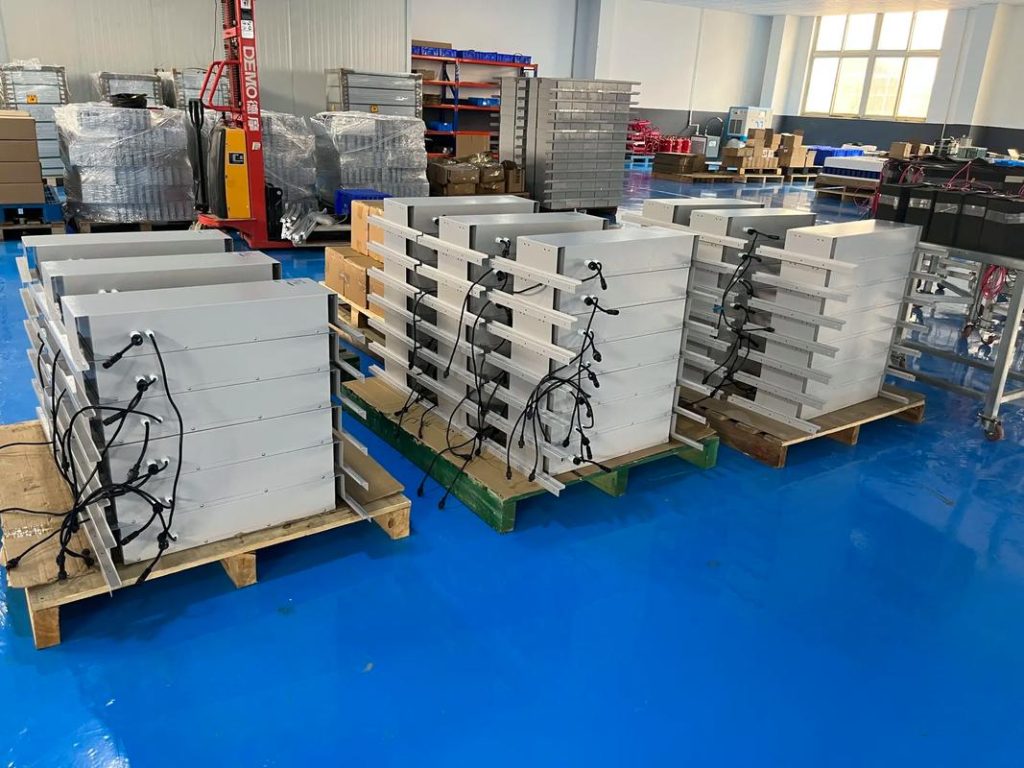
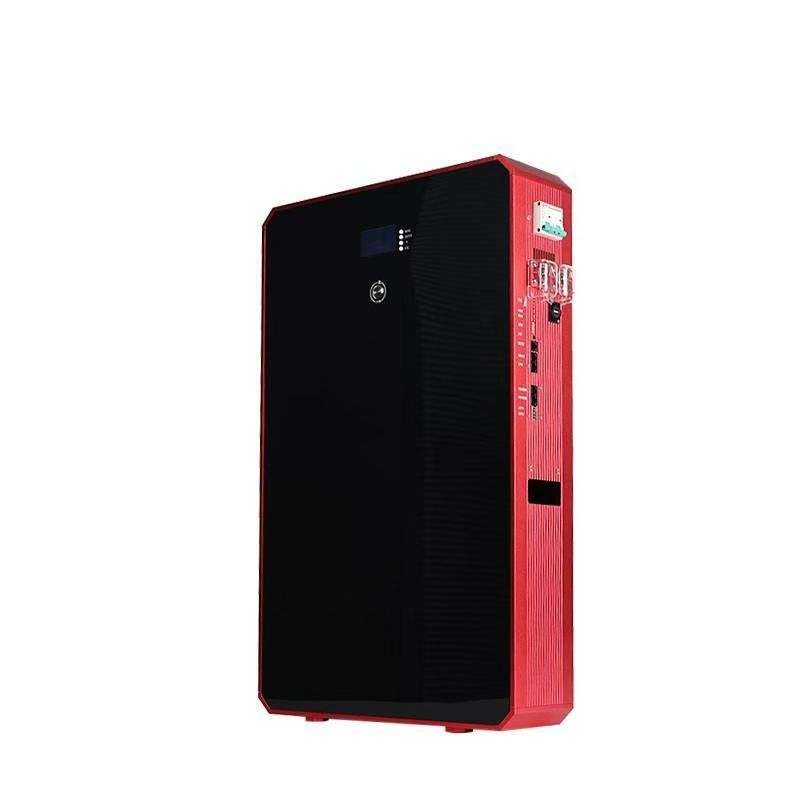
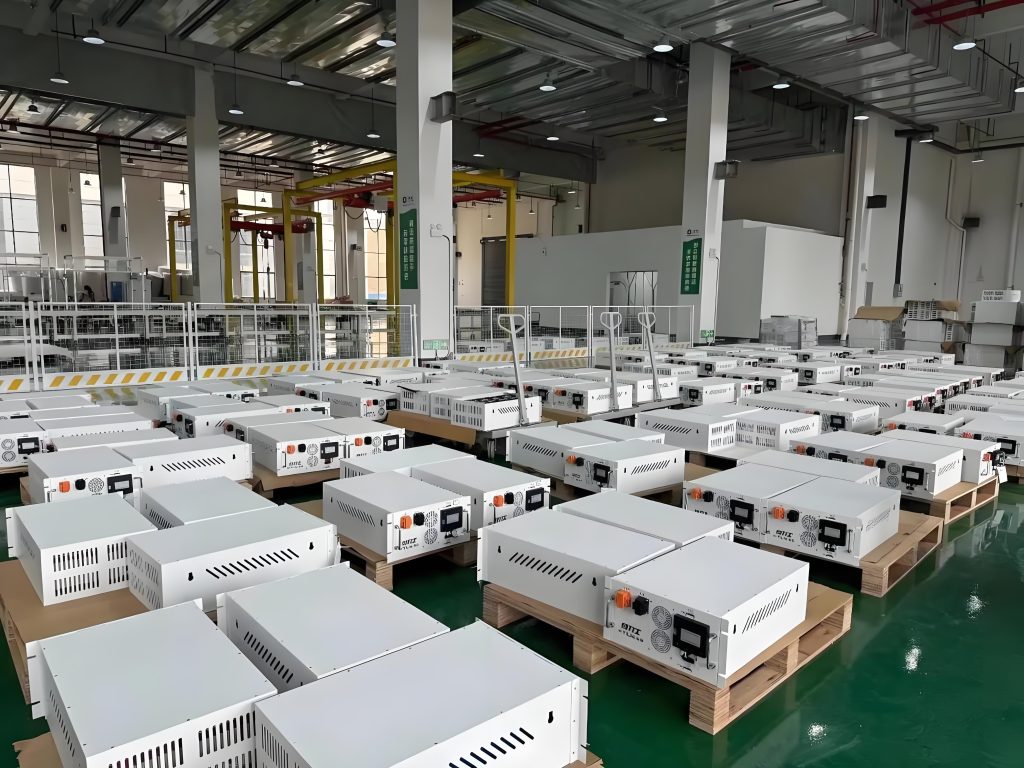
Solar batteries store excess electricity for nighttime use or emergencies. Popular technologies include lithium-ion and lithium iron phosphate batteries.
Monitoring System
Most modern systems include monitoring software that allows homeowners to track energy production and consumption in real time.
Benefits of Household Solar Power Generation
Reduced Electricity Bills
By generating your own electricity, you can significantly reduce monthly power bills. In some cases, households can achieve near-zero electricity costs.
Energy Independence
Solar power reduces dependence on utility companies and protects homeowners from rising electricity prices.
Environmental Protection
Solar energy produces no greenhouse gas emissions during operation, helping reduce carbon footprints and air pollution.
Increased Property Value
Homes equipped with solar power systems often have higher resale values and attract environmentally conscious buyers.
Reliable Long-Term Investment
With minimal maintenance and long warranties, solar systems offer stable returns over decades.
Cost of Household Solar Power Systems
The cost of installing a household solar power system depends on several factors:
- System size (kW capacity)
- Type and efficiency of solar panels
- Battery storage requirements
- Installation location and roof condition
- Local labor and permitting costs
While initial installation costs may seem high, government incentives, tax credits, and falling solar equipment prices have made solar energy more affordable than ever. In many regions, systems pay for themselves within 5 to 8 years.
Installation Considerations for Homeowners
Before installing a solar power system, homeowners should evaluate:
- Roof orientation and tilt
- Available sunlight and shading
- Structural integrity of the roof
- Local regulations and permits
- Grid connection policies
Professional site assessments help determine the optimal system design for maximum energy generation.
Maintenance and Lifespan
Household solar systems require minimal maintenance. Typical care includes:
- Occasional panel cleaning
- Visual inspections for damage
- Monitoring system performance
Most solar panels come with performance warranties of 25 years, while inverters typically last 10 to 15 years.
Household Solar Power and Energy Storage
Energy storage plays an increasingly important role in residential solar systems. Batteries allow homeowners to store daytime energy for evening use, improving self-consumption and resilience during grid outages.
As battery technology continues to advance, costs are decreasing while capacity and lifespan are improving, making storage more accessible for average households.
Smart Homes and Solar Integration
Solar power integrates seamlessly with smart home technologies. Homeowners can automate energy usage, optimize appliance operation, and manage consumption through mobile apps.
Examples include:
- Charging electric vehicles with solar power
- Running appliances during peak solar production
- Intelligent energy management systems
Environmental Impact of Household Solar Power
By switching to solar energy, households directly contribute to reducing fossil fuel consumption and greenhouse gas emissions. Over its lifetime, a single residential solar system can offset several tons of carbon dioxide emissions.
Solar power also reduces pressure on national grids, supporting energy stability and sustainability.
Common Myths About Household Solar Power
Myth 1: Solar panels don’t work on cloudy days
Reality: Panels still generate electricity under diffuse sunlight.
Myth 2: Solar power is too expensive
Reality: Long-term savings often outweigh initial costs.
Myth 3: Solar systems require constant maintenance
Reality: Solar systems are largely maintenance-free.
The Future of Household Solar Power Generation
The future of residential solar energy is bright. Innovations in panel efficiency, battery storage, artificial intelligence, and smart grids are transforming how households generate and manage electricity.
Emerging trends include:
- Higher efficiency solar cells
- Building-integrated photovoltaics (BIPV)
- AI-driven energy optimization
- Community solar networks
As technology advances, household solar power generation will become even more accessible, efficient, and essential.
Is Household Solar Power Right for You?
Household solar power generation is suitable for most homeowners with access to sufficient sunlight. Whether your goal is saving money, protecting the environment, or achieving energy independence, solar energy offers a proven and scalable solution.
By understanding system options, costs, and benefits, homeowners can make informed decisions and invest confidently in a cleaner energy future.
Conclusion
Household solar power generation represents a powerful shift toward sustainable living and energy self-reliance. With mature technology, declining costs, and growing global adoption, solar energy is no longer an alternative—it is becoming the standard for modern homes.
For homeowners seeking long-term savings, environmental responsibility, and energy security, investing in household solar power is one of the smartest decisions available today.


No reply content