As electricity prices continue to rise and power reliability becomes increasingly important, more homeowners, distributors, installers, and renewable energy companies are investing in home energy storage systems.
For many overseas buyers, the challenge is not simply buying a battery system — it is finding a reliable supplier that offers safe products, stable performance, flexible customization, and long-term value.
Many customers ask similar questions:
- How can I reduce household electricity costs?
- What happens during power outages?
- Can solar energy be stored for nighttime use?
- Which home battery system is suitable for my market?
- How can I find a reliable supplier in China?
A professional Chinese home energy storage power supplier can help solve these problems through customized energy storage solutions designed for residential use, backup power, solar integration, and smart energy management.
Whether you are a distributor, solar installer, wholesaler, retailer, or energy brand, choosing the right supplier directly impacts customer satisfaction and business growth.
Why Home Energy Storage Systems Are Becoming More Important
Traditional electricity systems depend entirely on the power grid.
However, many regions now face problems such as:
- Rising electricity prices
- Grid instability
- Unexpected blackouts
- Peak-hour energy costs
- Increased energy demand
For homeowners, unstable electricity supply creates inconvenience and risk.
Power interruptions may affect:
- Home lighting
- Refrigerators and food storage
- Internet and communication devices
- Security systems
- Medical equipment
- Home office equipment
A home energy storage system provides backup electricity while helping households use energy more efficiently.
How Home Energy Storage Helps Reduce Electricity Bills
One major concern for homeowners is electricity cost.
In many countries, electricity pricing changes depending on time of use.
Electricity may cost more during peak hours.
Home battery storage allows households to:
Store Cheap Electricity for Later Use
The system can charge during low-cost periods and discharge electricity during expensive peak hours.
This helps reduce monthly electricity expenses.
Store Solar Energy
Many homes already install rooftop solar systems.
Without storage, unused solar energy may be wasted or sent back to the grid.
Home energy storage systems allow users to:
- Store daytime solar energy
- Use electricity at night
- Increase energy independence
- Improve solar utilization efficiency
This makes solar investment more valuable.
Reduce Dependence on the Grid
Energy storage systems help homeowners rely less on unstable public electricity systems.
In areas with frequent outages, this becomes especially important.
How Home Energy Storage Solves Power Outage Problems
Power outages are one of the biggest reasons homeowners purchase backup battery systems.
A properly configured residential storage system can automatically provide emergency power during outages.
Typical backup applications include:
- Lighting systems
- Refrigerators and freezers
- Wi-Fi routers
- Charging devices
- Essential home appliances
- Security systems
For homeowners living in regions with unreliable electricity, backup storage provides comfort and security.
In some cases, it also supports remote work continuity.
What to Look for in a Reliable Home Energy Storage Supplier
Choosing the right supplier matters.
Buyers should evaluate several factors before cooperation.
Battery Safety
Safety is extremely important for residential use.
Reliable suppliers typically provide systems using stable battery technologies designed for long cycle life and thermal stability.
A professional supplier should focus on:
- Safe battery structure
- Stable energy management
- Protection systems
- Consistent production quality
System Compatibility
Different markets require different energy solutions.
A good supplier should support compatibility with:
- Solar systems
- Residential inverters
- Smart energy systems
- Backup power applications
Flexible integration helps installers reduce project complexity.
OEM & ODM Customization
Many distributors and energy brands need customized products.
Chinese suppliers often provide:
- Private label branding
- Logo customization
- Battery capacity options
- Housing design customization
- Software interface customization
This helps businesses build their own energy storage brand.
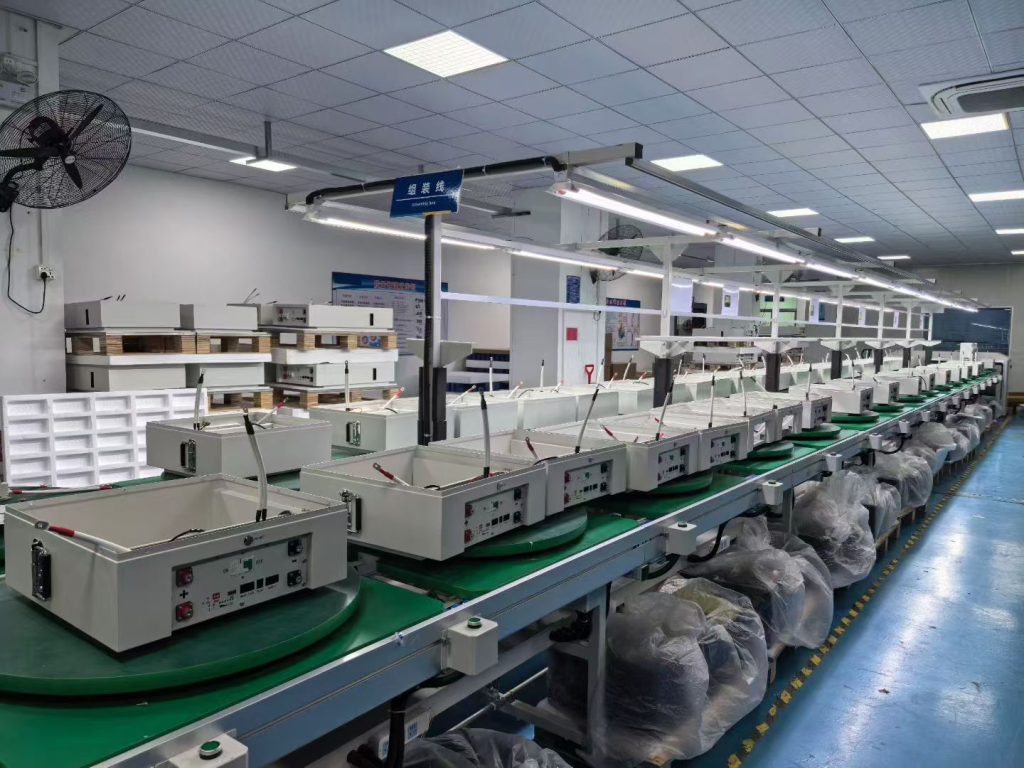
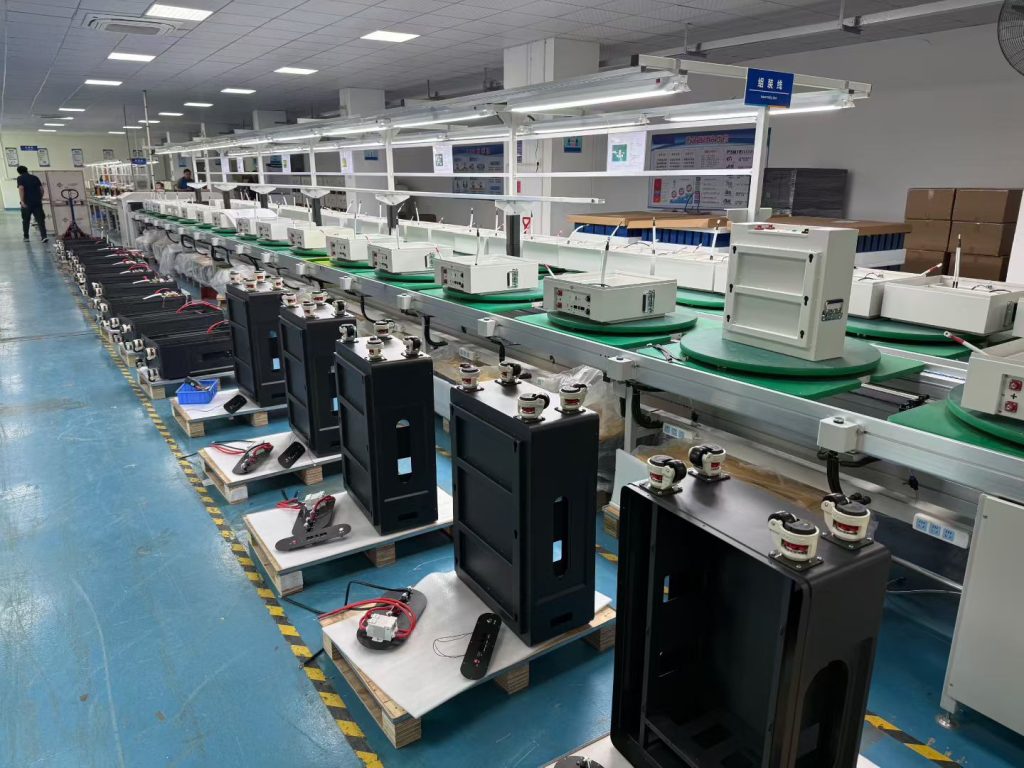
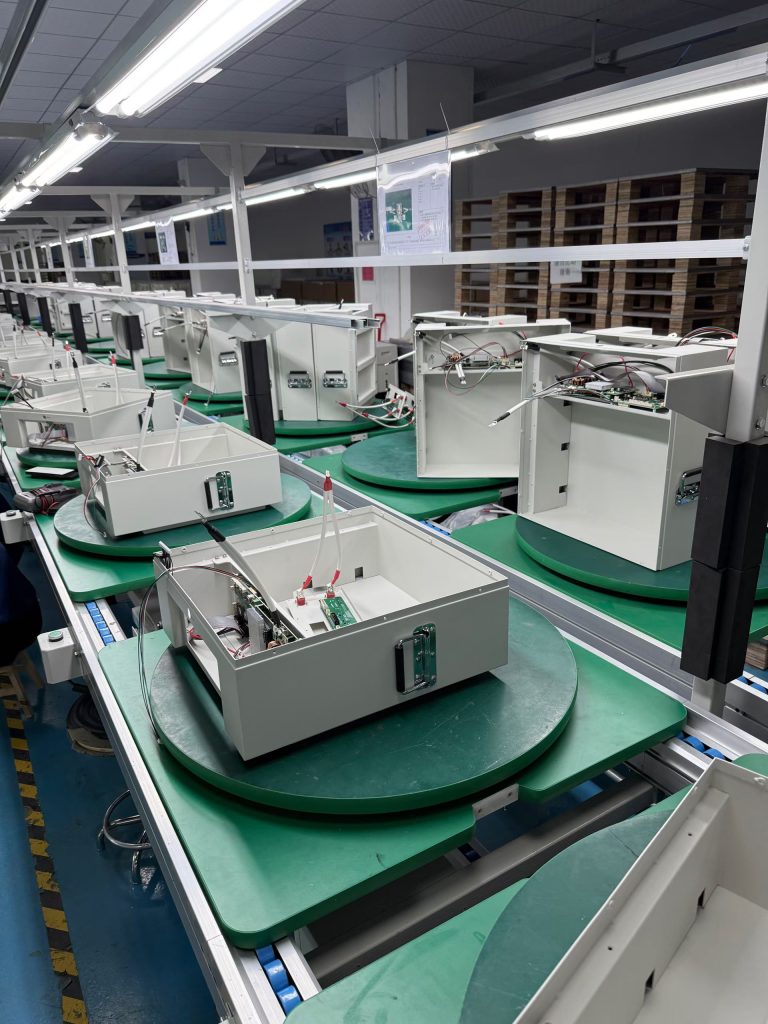
Stable Supply and Production Capacity
For wholesalers and project contractors, stable delivery matters.
A reliable supplier should provide:
- Consistent quality control
- Stable lead times
- Technical support
- Flexible production planning
Long-term cooperation reduces supply chain risks.
Common Applications of Home Energy Storage Systems
Home energy storage systems are widely used for:
Residential Backup Power
Maintaining electricity during outages.
Solar Energy Storage
Saving solar power for nighttime consumption.
Off-Grid or Remote Homes
Providing stable power in areas with weak infrastructure.
Energy Cost Optimization
Reducing high electricity bills through intelligent charging and discharging.
Emergency Preparedness
Supporting households during storms, disasters, or grid interruptions.
Why Many Buyers Source Home Energy Storage Systems from China
China has become an important manufacturing center for renewable energy products.
Chinese suppliers often provide:
- Competitive pricing
- Mature battery manufacturing experience
- Flexible OEM and ODM services
- Large-scale production capability
- Customization support
For distributors and installers, sourcing from China can improve product competitiveness.
How to Choose the Right Home Energy Storage Solution
Before requesting a quotation, buyers should prepare:
- Required storage capacity
- Voltage requirements
- Installation environment
- Solar integration needs
- Market certification requirements
- OEM branding requirements
- Expected order quantity
Providing detailed project information helps suppliers recommend suitable solutions faster.
Conclusion
A professional Chinese home energy storage power supplier offers more than products.
The right supplier helps businesses and homeowners solve electricity cost concerns, improve backup power reliability, support solar energy use, and increase long-term energy efficiency.
Whether your goal is residential backup power, solar energy storage, or private label energy products, choosing the right supplier helps improve both performance and business success.
For global buyers, energy storage is no longer only about electricity — it is about stability, efficiency, and future energy independence.
FAQ
1. What is a home energy storage system?
A home energy storage system stores electricity for residential use and provides backup power during outages or peak electricity periods.
2. Can home energy storage reduce electricity bills?
Yes. Energy storage systems can charge during low-cost periods or store solar energy for later use, helping reduce electricity expenses.
3. Can energy storage systems work with solar panels?
Yes. Many systems are designed to integrate with residential solar power systems and store excess energy for nighttime use.
4. Are home battery systems safe?
Professional suppliers focus on battery safety, energy management systems, and protection features designed for residential applications.
5. Can Chinese suppliers provide OEM or private label services?
Yes. Many manufacturers support OEM and ODM customization, including branding, housing design, software interfaces, and capacity options.
6. What information should I provide for a quotation?
You should provide battery capacity requirements, voltage, installation environment, solar compatibility needs, certification requirements, and order quantity.


No reply content