China Professional Hair Clipper Manufacturing Co., Ltd.
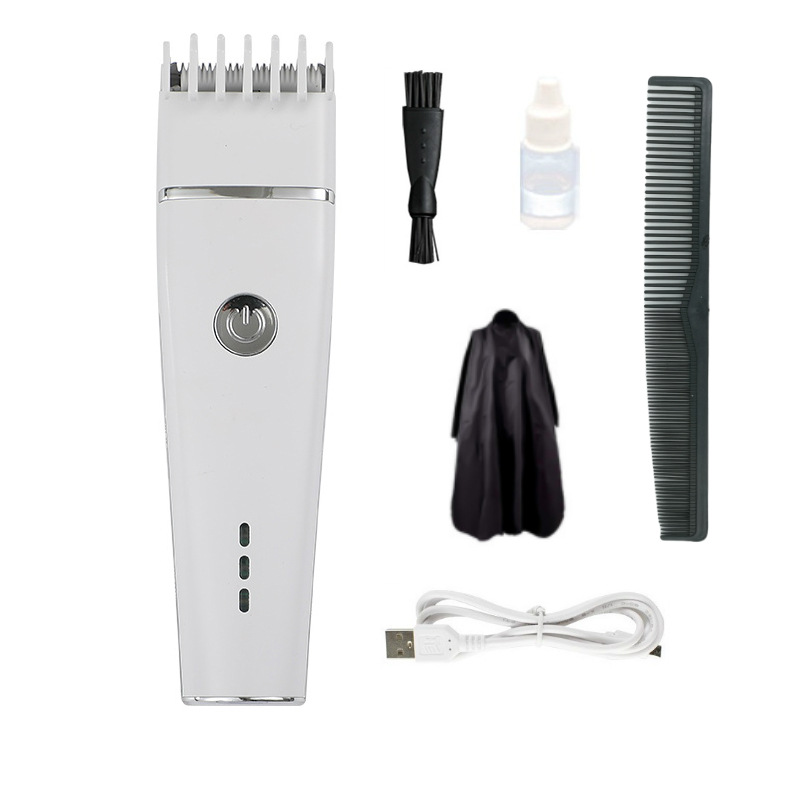
Battery life and cutting performance are two of the most important factors when choosing a cordless hair clipper.
For professional barbers, a clipper may be used continuously throughout the working day. If the battery runs out too quickly, the motor loses power, or the blade does not maintain consistent cutting performance, the barber’s workflow can be interrupted.
For distributors and private-label brands, these problems can also result in customer complaints, product returns, warranty claims, and negative reviews.
Improving battery life and cutting performance is therefore not simply about installing a larger battery or a more powerful motor. The motor, battery, blade, electronics, mechanical structure, and software control system need to work together.
This article explains the main factors manufacturers and buyers should consider when developing or sourcing professional cordless hair clippers.
1. Why Battery Life and Cutting Performance Are Connected
A cordless hair clipper depends on several components working together.
The basic relationship can be understood as:
Battery → Control Circuit → Motor → Blade System → Cutting Performance
If one part is poorly matched to the others, overall performance can suffer.
For example, installing a high-power motor without an appropriately sized battery can reduce runtime.
Similarly, installing a large battery does not necessarily improve cutting performance if the motor or blade system is inefficient.
A well-designed clipper should balance:
-
Motor power
-
Battery capacity
-
Electrical efficiency
-
Blade performance
-
Heat management
-
Mechanical transmission
-
Control system
2. Choose the Right Motor
The motor is at the center of cutting performance.
A professional clipper needs enough power to maintain stable blade movement when cutting different hair types.
Manufacturers should evaluate:
-
Motor speed
-
Torque characteristics
-
Efficiency
-
Vibration
-
Noise
-
Heat generation
-
Load performance
A higher motor speed is not automatically better.
What matters is whether the motor can maintain consistent performance when resistance increases.
For example, cutting thick or dense hair places a different load on the motor than running the clipper without hair.
Therefore, manufacturers should test motors under realistic operating conditions.
3. Match the Motor With the Battery
The motor and battery should be properly matched.
If the motor requires more electrical power than the battery system can efficiently provide, the clipper may experience:
-
Reduced runtime
-
Power fluctuations
-
Increased heat
-
Faster battery depletion
On the other hand, a battery with excessive capacity can increase product weight and cost without providing a proportional improvement in user experience.
The objective is to find an appropriate balance between:
Power + Runtime + Weight + Cost
This is particularly important for professional cordless clippers.
4. Increase Battery Capacity Carefully
Battery capacity is commonly expressed in mAh or Wh.
A larger battery can potentially provide longer operating time, but capacity should not be considered separately from the motor and electronics.
For example:
Longer Runtime ≠ Larger Battery Only
Actual runtime depends on:
-
Battery capacity
-
Motor efficiency
-
Motor load
-
Blade resistance
-
Control electronics
-
Operating temperature
-
Battery condition
Manufacturers should therefore optimize the complete system rather than simply increasing battery size.
5. Use an Appropriate Lithium Battery
Modern cordless hair clippers commonly use rechargeable lithium batteries.
When selecting a battery, manufacturers should consider:
-
Capacity
-
Voltage
-
Energy density
-
Cycle life
-
Discharge characteristics
-
Operating temperature
-
Protection requirements
The battery should be appropriate for the electrical requirements of the motor and control system.
For international products, the battery configuration should also be evaluated against the requirements of the target market and applicable transportation rules.
6. Improve Motor Efficiency
One of the most effective ways to improve battery life is to improve motor efficiency.
A more efficient motor can provide the required cutting performance while consuming less energy.
Manufacturers can evaluate:
-
Electrical efficiency
-
Mechanical losses
-
Friction
-
Heat generation
-
Operating load
This can help achieve a better balance between power and runtime.
For professional products, efficiency is particularly important because the clipper may operate repeatedly throughout the day.
7. Optimize the Blade System
Battery performance is not determined by the battery alone.
A poorly optimized blade can increase resistance and require more motor power.
The manufacturer should evaluate:
-
Blade sharpness
-
Blade geometry
-
Blade material
-
Blade spacing
-
Moving blade design
-
Fixed blade design
-
Surface treatment
-
Blade alignment
A well-designed blade system can help the motor cut efficiently without unnecessary resistance.
This can contribute to both cutting performance and energy efficiency.
8. Maintain Proper Blade Alignment
Even a high-quality blade can perform poorly if it is not correctly aligned.
Poor alignment may cause:
-
Uneven cutting
-
Increased friction
-
Hair pulling
-
Increased motor load
-
Excessive noise
-
Faster blade wear
Manufacturers should establish consistent assembly procedures to ensure the moving and fixed blades are correctly positioned.
Quality-control inspections should include blade alignment.
9. Keep Blades Properly Maintained
Blade maintenance also affects performance.
Over time, blades can accumulate:
-
Hair
-
Dust
-
Oil residue
-
Product buildup
This can increase resistance and reduce cutting efficiency.
Manufacturers should provide clear maintenance instructions covering:
-
Cleaning
-
Lubrication
-
Blade replacement
-
Storage
Professional users should also be informed about recommended maintenance intervals.
10. Improve the Control System
Modern cordless clippers can use electronic control systems to manage motor operation.
A well-designed control system can help maintain consistent performance as battery voltage changes.
Without effective control, users may notice that the clipper becomes weaker as the battery level decreases.
A good system should aim to provide stable motor performance throughout a practical portion of the battery cycle.
Manufacturers can evaluate:
-
Motor control
-
Voltage management
-
Current management
-
Battery monitoring
-
Overload protection
-
Thermal protection
11. Prevent Performance Drops at Low Battery
One common complaint is:
“The clipper works well when fully charged but becomes weak near the end of the battery.”
This can be related to battery voltage and motor-control characteristics.
Manufacturers can improve the user experience by designing the electrical system to maintain useful cutting performance throughout the battery’s operating range.
The exact solution depends on the motor, battery, electronics, and product design.
Testing should therefore include:
100% → 75% → 50% → 25% → Low Battery
The clipper should be evaluated at different battery levels rather than only when fully charged.
12. Control Heat Generation
Heat affects both battery life and cutting performance.
Excessive heat can result from:
-
Motor inefficiency
-
High electrical load
-
Poor ventilation
-
Friction
-
Overloaded components
-
Inefficient electronics
Manufacturers should monitor temperature during extended operation.
Potential solutions may include:
-
More efficient motors
-
Improved heat dissipation
-
Better mechanical design
-
Improved electronic control
-
Appropriate material selection
A professional clipper should remain reasonably comfortable during normal continuous use.
13. Reduce Mechanical Friction
Mechanical friction consumes energy.
The manufacturer should examine:
-
Blade movement
-
Motor shaft
-
Bearings
-
Gears
-
Blade connection
-
Lubrication
Reducing unnecessary friction can improve:
-
Battery efficiency
-
Motor performance
-
Noise
-
Heat
-
Component lifespan
This is one reason why internal engineering quality matters even when the outside of the product looks simple.
14. Balance Power and Noise
Increasing motor power can sometimes increase noise and vibration.
Professional barbers generally want strong cutting performance without excessive noise.
Manufacturers should therefore optimize:
Power + Noise + Vibration + Heat
rather than maximizing motor output alone.
A smoother motor and better mechanical balance can improve the overall professional experience.
15. Improve Battery Charging Efficiency
Charging performance also affects user experience.
Manufacturers should evaluate:
-
Charging time
-
Charging stability
-
Charging temperature
-
Battery protection
-
Charger compatibility
-
Charging indicator accuracy
Fast charging can be useful for professional barbers who need to return to work quickly.
However, charging speed should be balanced with battery safety and long-term battery performance.
16. Use a Reliable Battery Management System
A battery management system can help monitor and protect the battery.
Depending on the design, protection functions can include:
-
Overcharge protection
-
Over-discharge protection
-
Overcurrent protection
-
Short-circuit protection
-
Temperature monitoring
The exact implementation depends on the battery and product design.
For manufacturers selling internationally, battery and electrical safety should be treated as an important part of product development.
17. Test Battery Runtime Under Realistic Conditions
A common testing mistake is measuring runtime with the motor running without load.
That may not accurately represent real barber-shop use.
A better test can include:
-
Fully charge the clipper.
-
Record the starting battery condition.
-
Use the clipper on representative hair.
-
Operate it according to the intended application.
-
Record the runtime.
-
Monitor temperature.
-
Repeat the test using multiple samples.
For professional products, testing multiple samples can help determine whether performance is consistent.
18. Test Different Hair Types
Cutting performance can vary depending on hair characteristics.
Testing can include:
-
Fine hair
-
Thick hair
-
Coarse hair
-
Dense hair
-
Different lengths
If the target market includes professional barbers, testing should reflect real customer use as closely as possible.
A clipper that performs well on light hair may not perform equally well on dense or coarse hair.
19. Test the Clipper at Different Battery Levels
Do not test only a fully charged sample.
Evaluate performance at different battery levels.
For example:
Battery Level |
What to Check |
|---|---|
100% |
Maximum performance |
75% |
Stability |
50% |
Cutting consistency |
25% |
Power retention |
Low Battery |
Warning and shutdown behavior |
This can reveal performance problems that would otherwise remain hidden.
20. Test Long-Term Durability
A professional clipper should be evaluated for repeated use.
Testing can include:
-
Repeated power cycles
-
Blade adjustment cycles
-
Charging cycles
-
Continuous motor operation
-
Switch operation
-
Charging-port insertion cycles
The actual test requirements should be established according to the product design and target market.
Long-term testing can help identify weaknesses before mass production.
21. Choose the Right Blade Material
Blade material can affect:
-
Sharpness
-
Wear resistance
-
Corrosion resistance
-
Heat behavior
-
Cutting consistency
Manufacturers may offer different blade materials or coatings depending on the product design.
The best option should be selected based on the intended application and price positioning.
A premium professional model may justify a more advanced blade specification than a basic consumer model.
22. Consider Ceramic and Metal Blade Options
Different blade materials can provide different characteristics.
For example, some products use metal blades, while others use ceramic components or combinations of materials.
The choice should consider:
-
Heat
-
Durability
-
Sharpness
-
Maintenance
-
Cost
-
Target market
Instead of promoting one material as universally superior, manufacturers should match the blade construction to the intended product.
23. Improve the Ergonomic Design
Battery life and cutting performance are not the only factors that matter.
A professional barber may hold the clipper for several hours.
Therefore, manufacturers should also optimize:
-
Weight
-
Balance
-
Grip
-
Button position
-
Vibration
-
Housing shape
A larger battery can increase runtime but also increase weight.
This creates another design trade-off:
Longer Runtime vs. Product Weight
The best professional clipper balances both.
24. Build a Complete Product Specification
Before mass production, manufacturers and buyers should agree on a detailed specification.
For example:
Motor: Approved model
Battery: Approved capacity and voltage
Runtime: Agreed target
Charging: Approved method
Blade: Approved material
Weight: Agreed range
Noise: Agreed target
Color: Approved specification
Accessories: Defined list
Packaging: Approved design
This specification can then be used during quality control.
25. Use Multiple Samples for Testing
Testing only one sample may not provide enough information.
If possible, evaluate several samples from the manufacturer.
Compare:
-
Cutting performance
-
Battery runtime
-
Charging
-
Motor sound
-
Heat
-
Weight
-
Blade alignment
If the results vary significantly between samples, production consistency may need further investigation.
26. Check Manufacturing Consistency
A manufacturer may produce an excellent prototype but have difficulty reproducing it consistently.
Quality control should therefore monitor:
-
Motor installation
-
Battery installation
-
Blade alignment
-
Assembly tolerances
-
Charging function
-
Product weight
-
Functional performance
For large OEM orders, buyers should establish acceptable tolerances before production begins.
27. Improve Performance Without Increasing Costs Excessively
Manufacturers do not always need to use the most expensive components.
Often, performance can be improved through better engineering.
Examples include:
-
Better blade alignment
-
Improved motor matching
-
Reduced mechanical friction
-
More efficient electronic control
-
Better heat dissipation
-
Improved assembly consistency
These improvements can sometimes provide meaningful performance gains without dramatically increasing the product cost.
28. Questions Buyers Should Ask the Manufacturer
Before placing an order, ask:
-
What motor is used?
-
What is the motor speed and performance specification?
-
What is the battery capacity and voltage?
-
What is the tested runtime?
-
How is runtime measured?
-
What blade material is used?
-
Is the blade adjustable?
-
How is motor heat controlled?
-
How is battery temperature managed?
-
What protection functions are included?
-
How is cutting performance tested?
-
Are samples tested under load?
-
How is production consistency controlled?
-
What replacement blades are available?
-
What is the expected battery service life?
-
What certifications are available for the target market?
Detailed answers can help buyers distinguish between a genuine manufacturer and a supplier relying mainly on marketing specifications.
29. A Practical Testing Checklist
Before approving a cordless hair clipper, check:
Motor
-
[ ] Stable starting
-
[ ] Consistent power
-
[ ] Acceptable noise
-
[ ] Acceptable vibration
-
[ ] No excessive heat
Battery
-
[ ] Capacity verified
-
[ ] Runtime tested
-
[ ] Charging tested
-
[ ] Battery indicator checked
-
[ ] Low-battery behavior tested
Blade
-
[ ] Sharpness checked
-
[ ] Alignment checked
-
[ ] Adjustment mechanism checked
-
[ ] Cutting performance tested
-
[ ] Replacement availability confirmed
Durability
-
[ ] Switch tested
-
[ ] Charging port tested
-
[ ] Housing inspected
-
[ ] Repeated-use testing completed
Quality
-
[ ] Sample approved
-
[ ] Specification confirmed
-
[ ] Production tolerance defined
-
[ ] Inspection procedure established


No reply content