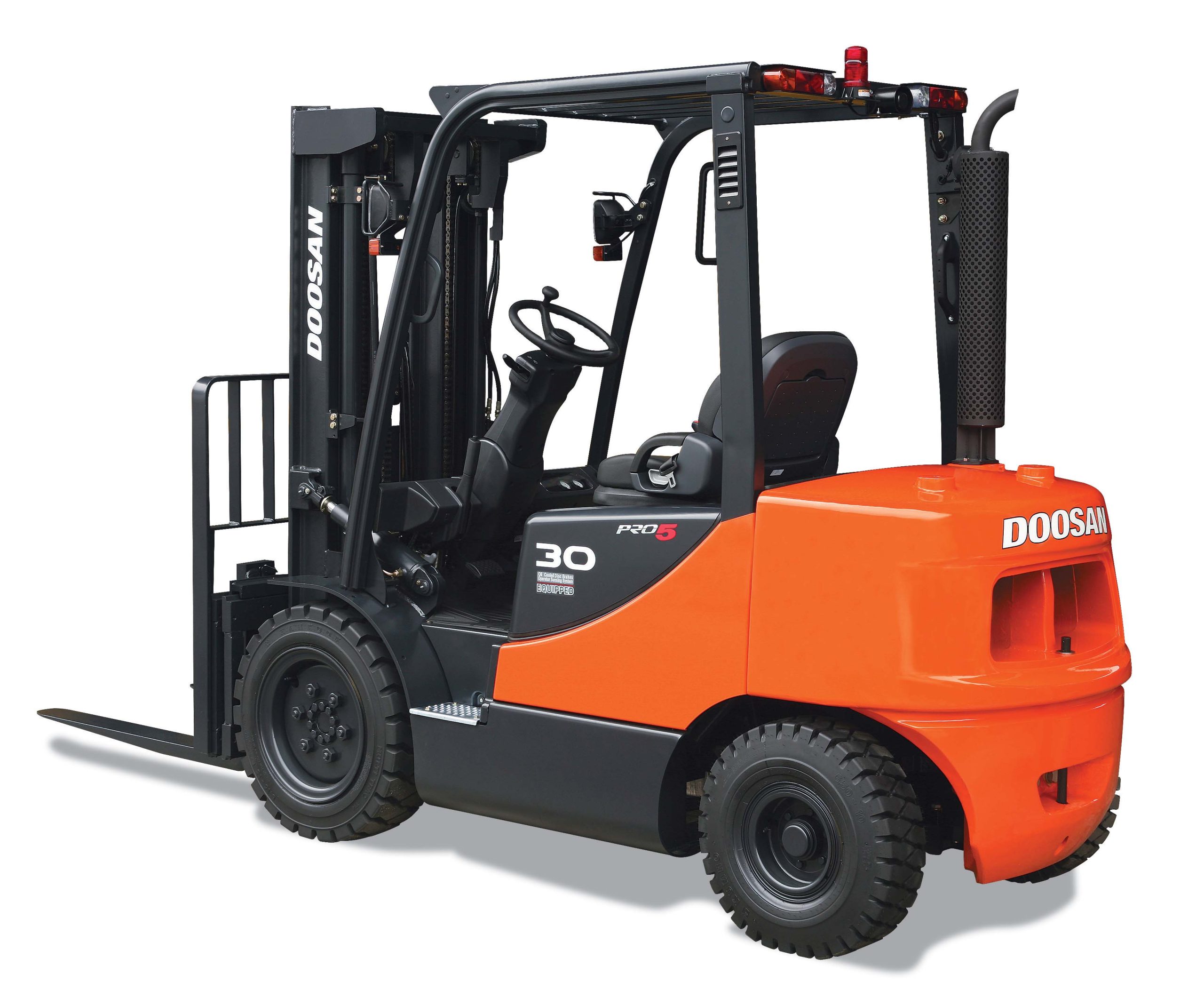
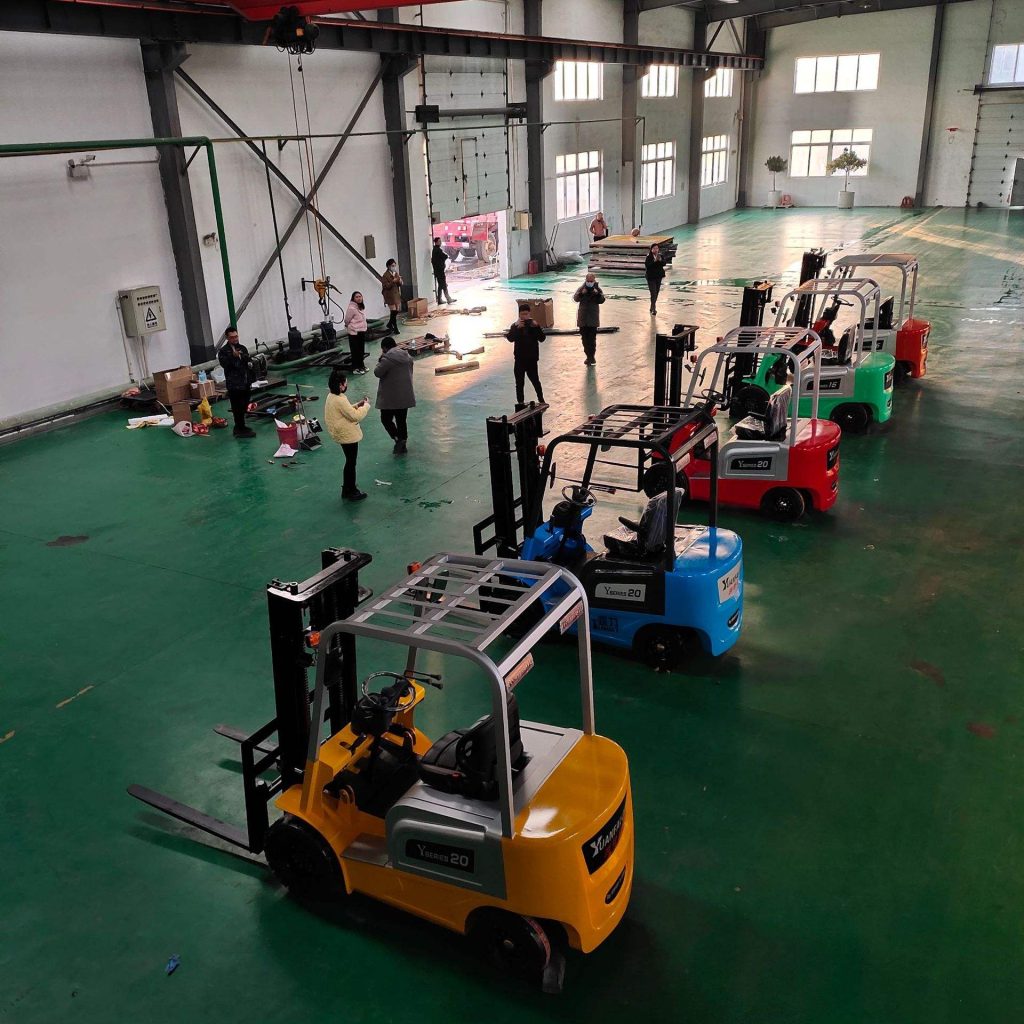
Choosing the right forklift is a critical decision for warehouses, factories, logistics centers, construction sites, and distribution hubs. The wrong choice can lead to safety risks, inefficiency, higher operating costs, and even equipment failure. The right forklift, however, improves productivity, reduces labor strain, and ensures long-term cost efficiency.
This comprehensive guide explains how to choose forklifts based on load capacity, working environment, fuel type, lift height, aisle width, attachments, maintenance needs, and total cost of ownership.
1. Identify Your Application Environment
Before selecting a forklift, clearly define where it will operate.
Indoor Warehouse Operations
If your forklift will work indoors:
- Electric forklifts are usually preferred
- Zero emissions are required
- Low noise levels are important
- Smooth concrete floors are common
Electric forklifts are ideal for food storage, retail distribution centers, and manufacturing plants.
Outdoor or Rough Terrain Operations
If the forklift will operate outdoors:
- Diesel or LPG forklifts may be suitable
- Higher power is required
- Rough terrain tires may be needed
- Weather resistance is important
Construction sites and lumber yards typically require heavier-duty forklifts.
2. Determine Required Load Capacity
Load capacity is the most important specification.
Common capacity ranges:
- 1–2 tons: Light warehouse use
- 2–3 tons: Standard industrial use
- 3–5 tons: Heavy-duty logistics
- 5+ tons: Construction and large material handling
Always consider:
- Maximum load weight
- Load center distance
- Load shape and size
Choosing too small a capacity risks tipping; choosing too large increases fuel and purchase cost.
3. Calculate Required Lift Height
Measure your storage system carefully.
Key questions:
- How high are your pallet racks?
- Will you stack goods vertically?
- Do you load trucks with high containers?
Standard forklifts lift 3–6 meters.
High-reach models can exceed 10 meters.
For high-density warehouses, reach trucks may be more efficient than standard forklifts.
4. Consider Aisle Width and Space Constraints
Narrow aisles require:
- Smaller turning radius
- Compact design
- Reach truck or articulated forklift
Standard counterbalance forklifts require wider aisles.
Always measure:
- Aisle width
- Turning radius
- Door height clearance
5. Choose the Right Power Source
Electric Forklifts
Advantages:
- Zero emissions
- Low noise
- Lower maintenance
- Suitable for indoor use
Consider battery type:
- Lead-acid batteries
- Lithium-ion batteries (faster charging, longer lifespan)
Diesel Forklifts
Advantages:
- High power
- Suitable for outdoor heavy loads
- Longer continuous operation
Not suitable for indoor use without ventilation.
LPG (Gas) Forklifts
Advantages:
- Cleaner than diesel
- Faster refueling
- Suitable for mixed indoor/outdoor use
6. Evaluate Tire Type
Forklift tires affect performance.
- Cushion tires: Smooth indoor floors
- Pneumatic tires: Outdoor uneven terrain
- Solid pneumatic tires: Mixed environments
Choosing the correct tire improves safety and durability.
7. Consider Attachments and Special Functions
Forklifts can be customized with:
- Side shifters
- Fork positioners
- Clamps (for paper rolls, cartons)
- Rotators
- Carpet poles
If your business handles specialized materials, attachments increase flexibility.
8. Safety Features
Safety should never be compromised.
Modern forklifts may include:
- Overload warning systems
- Reverse alarms
- Blue safety spotlights
- Seat belt sensors
- Speed limiters
- Stability control systems
Training operators is equally important.
9. Total Cost of Ownership (TCO)
Do not focus only on purchase price.
Consider:
- Initial equipment cost
- Fuel or electricity cost
- Maintenance expenses
- Spare parts availability
- Downtime risk
- Resale value
Electric forklifts often have higher upfront cost but lower long-term operating expenses.
10. Maintenance and After-Sales Support
Reliable suppliers provide:
- Spare parts inventory
- Technical training
- Warranty coverage
- On-site service support
Choosing a forklift brand with local service availability reduces operational risk.
11. New vs Used Forklift
New Forklift
Pros:
- Full warranty
- Latest technology
- Higher reliability
Cons:
- Higher initial cost
Used Forklift
Pros:
- Lower upfront investment
Cons:
- Shorter lifespan
- Possible hidden repair costs
For long-term industrial use, new forklifts are usually safer investments.
12. Compliance and Industry Standards
Ensure the forklift meets:
- Local safety regulations
- Emission standards
- Workplace compliance requirements
Certified equipment ensures smooth inspections and avoids legal issues.
13. Industry-Specific Recommendations
Warehousing & Logistics
- Electric counterbalance forklift
- Reach truck for high racks
- Lithium battery preferred
Construction
- Diesel forklift
- Rough terrain model
- Heavy-duty capacity
Manufacturing
- Electric forklift
- Compact design
- Attachments for specific materials
Cold Storage
- Electric forklift
- Cold-resistant battery
- Anti-corrosion coating
14. Future Trends in Forklift Selection
Modern forklift technology is evolving toward:
- Lithium battery systems
- Smart fleet management
- Telematics tracking
- Automated guided forklifts (AGVs)
- Energy-efficient motors
Companies increasingly invest in smart material handling systems to improve productivity.
Frequently Asked Questions
Q1: What size forklift do I need?
Choose based on maximum load weight and lift height requirements.
Q2: Are electric forklifts powerful enough?
Yes, modern electric forklifts can handle up to 5 tons or more.
Q3: How long does a forklift last?
With proper maintenance, 8–12 years or longer.
Q4: Should I choose lithium batteries?
Lithium batteries charge faster and require less maintenance, making them suitable for high-usage operations.
Final Thoughts
Choosing the right forklift requires careful evaluation of your working environment, load requirements, space constraints, power source, budget, and long-term operational goals. By analyzing these factors systematically, businesses can select forklifts that improve efficiency, enhance safety, and reduce overall costs.
A well-chosen forklift is not just equipment—it is a long-term productivity investment.


No reply content