
China Custom Clothing Manufacturer
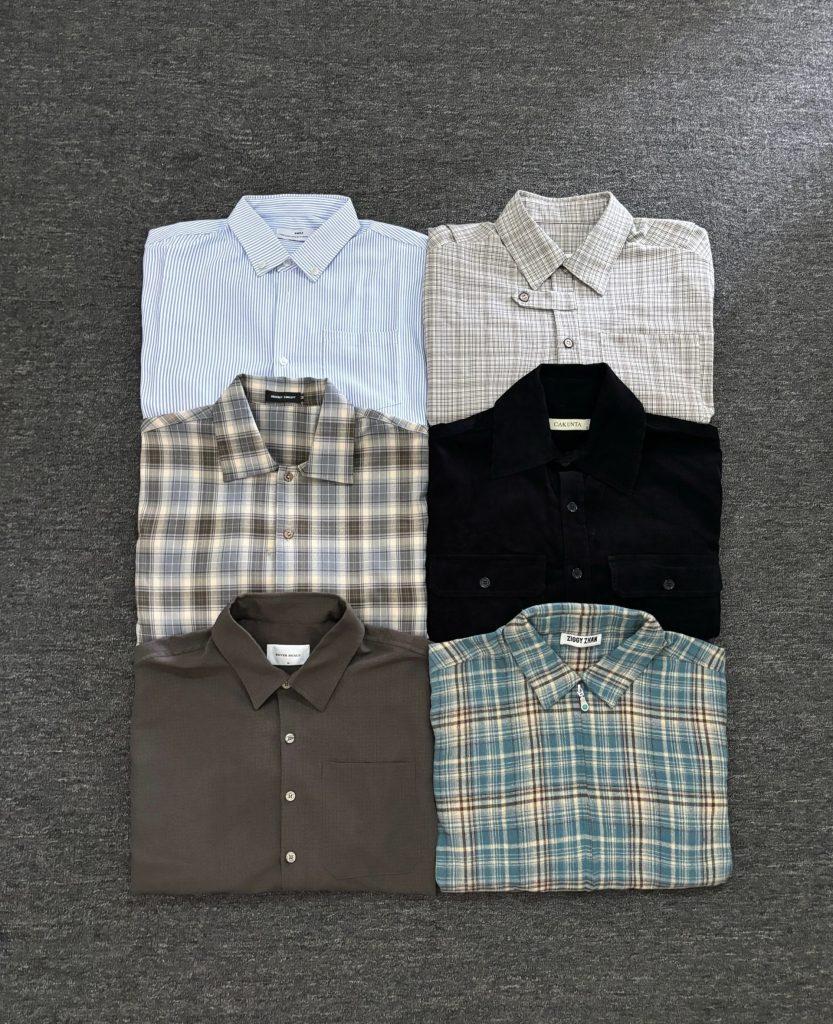
Custom clothing manufacturing in China involves several stages, from product design and fabric selection to sampling, bulk production, quality inspection, packaging, and international shipping.
For clothing brands, wholesalers, retailers, fashion startups, and importers, understanding the complete manufacturing process can help reduce mistakes, control costs, and communicate more effectively with Chinese clothing manufacturers.
The exact process varies depending on the product and factory, but most custom clothing projects follow a similar workflow.
1. Define Your Clothing Product
The first step is to clearly define what you want to manufacture.
You should prepare as much information as possible, including:
-
Product type
-
Design drawings
-
Technical specifications
-
Fabric composition
-
Fabric weight
-
Colors
-
Size chart
-
Measurements
-
Logo
-
Printing requirements
-
Embroidery
-
Labels
-
Packaging
-
Expected order quantity
-
Target market
For example, if you want to manufacture custom hoodies, you should specify the fabric composition, GSM, fit, hood design, pocket style, ribbing, drawstrings, logo placement, colors, sizes, and packaging requirements.
A clear specification reduces misunderstandings during production.
2. Find a Suitable Chinese Clothing Manufacturer
Once your product requirements are ready, you can start evaluating manufacturers.
Do not choose a supplier based only on the lowest price.
Instead, consider:
-
Product specialization
-
Factory experience
-
MOQ
-
Production capacity
-
OEM/ODM capabilities
-
Fabric sourcing
-
Sample development
-
Quality control
-
Communication
-
Production lead time
-
Export experience
A factory that specializes in your specific type of clothing is often easier to work with than a general supplier that produces many unrelated products.
3. Send Your Product Specifications
After identifying potential manufacturers, send them your specifications.
A professional inquiry should include enough information for the factory to understand your requirements.
For example:
Product: Custom oversized T-shirt
Fabric: 100% cotton
Fabric weight: 240 GSM
Quantity: 1,000 pieces
Colors: Black, white, gray
Sizes: S–XXL
Logo: Front screen printing
Label: Custom woven neck label
Packaging: Individual polybag
Destination: United States
You can also attach design drawings, reference photos, measurement charts, and fabric samples.
The more complete your information is, the more accurate the quotation is likely to be.
4. Discuss Fabric Options
Fabric selection is one of the most important parts of clothing manufacturing.
The manufacturer may provide different options based on your requirements and budget.
Common clothing fabrics include:
-
Cotton
-
Polyester
-
Nylon
-
Linen
-
Rayon
-
Modal
-
Spandex
-
Wool
-
Cotton blends
-
Recycled fabrics
You should consider more than the fabric name.
Important factors include:
-
Composition
-
GSM
-
Texture
-
Stretch
-
Shrinkage
-
Colorfastness
-
Breathability
-
Durability
-
Finishing
For branded clothing, it is often useful to request fabric samples before approving production.
5. Confirm the Quotation
After reviewing your requirements, the manufacturer will normally provide a quotation.
The quotation may include:
-
Sample cost
-
Bulk unit price
-
Fabric cost
-
Printing
-
Embroidery
-
Labels
-
Packaging
-
Other customization charges
Make sure you understand what is included.
For example, a quoted clothing price may exclude custom packaging or special printing.
Ask the manufacturer to provide a detailed quotation based on the final specifications.
6. Develop the Pattern
Once the product requirements are confirmed, the factory may create a garment pattern.
The pattern determines the shape and dimensions of the garment.
It can include:
-
Body measurements
-
Sleeve measurements
-
Collar dimensions
-
Pocket placement
-
Shoulder width
-
Garment length
-
Waist dimensions
-
Cuff dimensions
For customized clothing, pattern accuracy is extremely important because even small measurement differences can affect the final fit.
7. Create the First Sample
The manufacturer then produces a sample based on the agreed specifications.
The sample allows you to evaluate the actual garment before bulk production.
You should inspect:
-
Fabric
-
Fit
-
Measurements
-
Stitching
-
Construction
-
Colors
-
Printing
-
Embroidery
-
Labels
-
Accessories
-
Overall appearance
Do not approve mass production until the sample meets your requirements.
8. Make Sample Revisions
The first sample may not always be perfect.
You may need to request changes such as:
-
Adjusting garment length
-
Changing sleeve width
-
Modifying the neckline
-
Changing fabric weight
-
Moving the logo
-
Changing colors
-
Improving stitching
-
Adjusting the size chart
The manufacturer may then produce another sample.
This process can continue until the product meets the agreed specifications.
9. Approve the Pre-Production Sample
Once you are satisfied with the design and quality, approve the final pre-production sample.
This sample should become the reference standard for bulk production.
Keep a record of the approved:
-
Measurements
-
Fabric
-
Color
-
Construction
-
Printing
-
Embroidery
-
Labels
-
Packaging
If possible, document these requirements in a detailed specification sheet.
This helps prevent the factory from making changes during mass production without approval.
10. Confirm the Bulk Order
After sample approval, confirm the bulk order.
Important details include:
-
Quantity
-
Unit price
-
Total amount
-
Payment terms
-
Production lead time
-
Delivery deadline
-
Packaging requirements
-
Inspection requirements
Make sure all important terms are confirmed in writing.
11. Purchase Fabric and Materials
The manufacturer will then arrange the materials required for production.
These may include:
-
Main fabric
-
Lining
-
Thread
-
Buttons
-
Zippers
-
Labels
-
Hangtags
-
Elastic
-
Drawstrings
-
Printing materials
-
Packaging materials
For custom fabrics or special colors, material preparation may take longer.
This is one reason why production schedules should be discussed before placing the order.
12. Fabric Inspection
Before cutting, the factory should inspect the fabric.
Common issues include:
-
Holes
-
Stains
-
Color variation
-
Weaving defects
-
Incorrect GSM
-
Uneven dyeing
-
Shrinkage problems
For large orders, fabric quality should be checked carefully because defects discovered after cutting can create significant material waste.
13. Cutting the Fabric
Once the fabric is approved, it can be prepared for cutting.
The factory uses the approved patterns to cut fabric panels.
These pieces may include:
-
Front panels
-
Back panels
-
Sleeves
-
Collars
-
Cuffs
-
Pockets
-
Waistbands
-
Other components
Accurate cutting is essential for consistent garment dimensions.
14. Sewing and Assembly
The cut fabric pieces are then assembled.
Depending on the garment, different sewing machines and production techniques may be used.
Workers may perform operations such as:
-
Joining panels
-
Sewing sleeves
-
Attaching collars
-
Installing pockets
-
Adding cuffs
-
Installing zippers
-
Reinforcing seams
Quality should be monitored during production rather than waiting until the entire order is finished.
15. Printing and Embroidery
If the clothing includes branding or decorative elements, printing or embroidery may be completed during the production process.
Common methods include:
-
Screen printing
-
Digital printing
-
Heat transfer
-
Sublimation
-
Embroidery
-
Puff printing
-
Silicone printing
The appropriate method depends on the fabric, design, quantity, and required appearance.
Logo placement and color accuracy should be checked against the approved sample.
16. Finishing
After sewing and decoration, garments usually go through finishing processes.
These may include:
-
Thread trimming
-
Washing
-
Ironing
-
Pressing
-
Shaping
-
Removing minor defects
-
Adding labels
-
Final appearance checks
Finishing can have a major impact on the appearance of the final product.
17. Final Quality Inspection
Before packaging, finished garments should be inspected.
Quality inspection may include:
Measurement Inspection
Check whether the finished garments match the approved size chart.
Appearance Inspection
Check for stains, holes, loose threads, wrinkles, and other visible defects.
Construction Inspection
Check seams, stitching, buttons, zippers, pockets, collars, and other components.
Branding Inspection
Check logos, labels, printing, embroidery, and hangtags.
Quantity Inspection
Confirm that the actual quantity matches the purchase order.
For larger international orders, buyers may choose to arrange an independent third-party inspection before shipment.
18. Packaging
After passing inspection, the clothing can be packed according to your requirements.
Packaging may include:
-
Individual polybags
-
Custom bags
-
Size stickers
-
Barcode labels
-
Hangtags
-
Cartons
-
Branded packaging
If your clothing is sold through e-commerce channels, packaging requirements should be discussed before production.
19. Prepare the Shipment
After production and packaging are completed, the goods are ready for shipment.
Depending on your arrangement, you may use:
-
Sea freight
-
Air freight
-
Express
-
Rail freight
-
Other international logistics solutions
The best shipping method depends on the order volume, delivery deadline, destination, and budget.
For large clothing orders, sea freight is often considered because of its capacity and cost efficiency. For urgent or smaller shipments, air freight may be more appropriate.
20. Coordinate With Your Freight Forwarder
If you use a separate freight forwarder, provide the manufacturer with the forwarder’s warehouse and shipping instructions.
Important information may include:
-
Pickup address
-
Warehouse address
-
Carton quantity
-
Carton dimensions
-
Gross weight
-
Shipping marks
-
Commercial invoice
-
Packing list
-
Export documents
Good coordination between the factory and freight forwarder can reduce shipment delays.
21. Monitor the Entire Production Process
Do not wait until the shipment is completed before checking the order.
A better approach is to monitor key production stages.
For example:
Order confirmation → Fabric → Sample → Cutting → Sewing → Printing → Finishing → Inspection → Packaging → Shipment
Depending on the order size, you may request:
-
Production photographs
-
Material photographs
-
Sample approval
-
Production updates
-
Inspection reports
-
Packing photographs


No reply content