China solar power generation and energy storage manufacturing
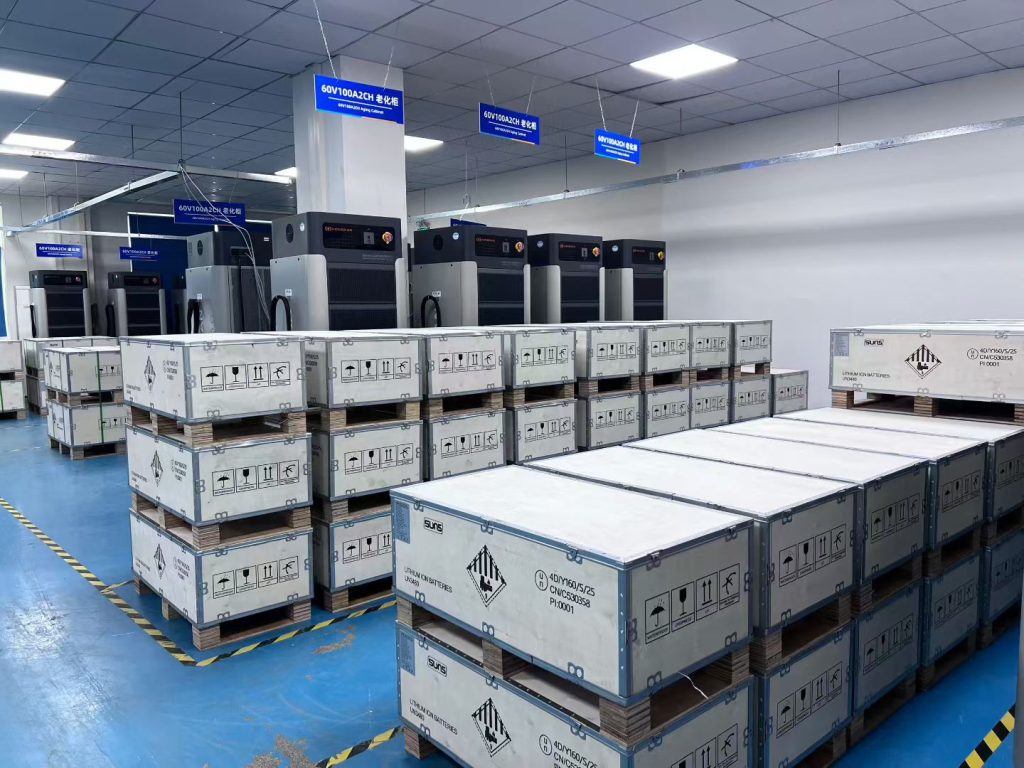
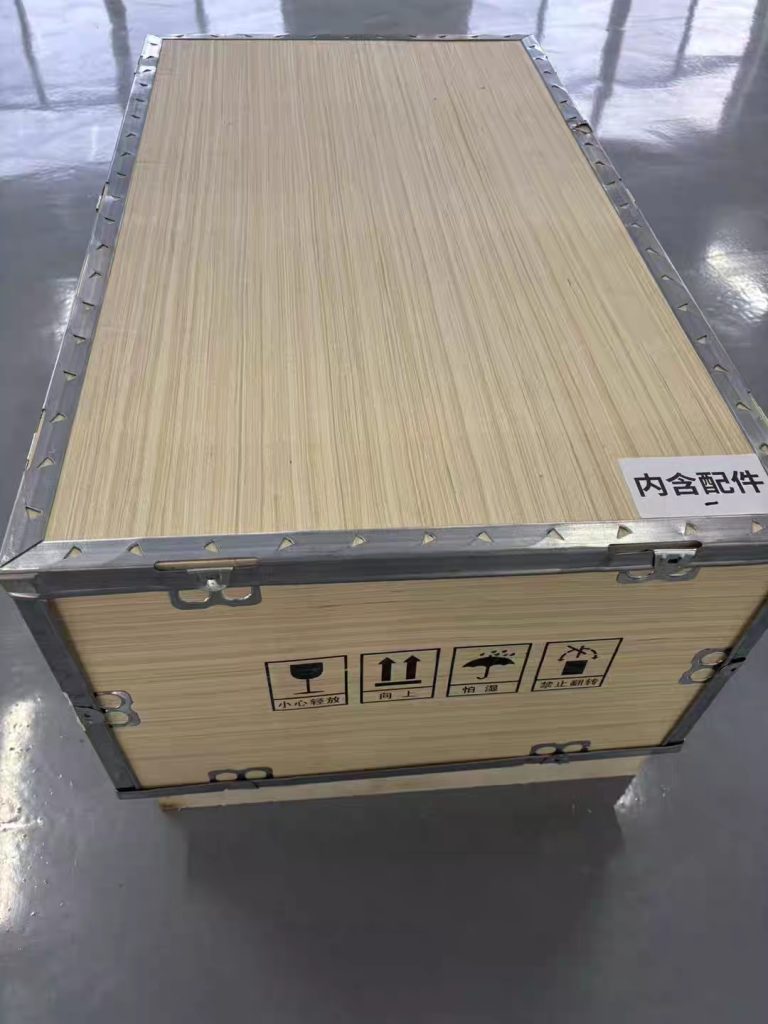
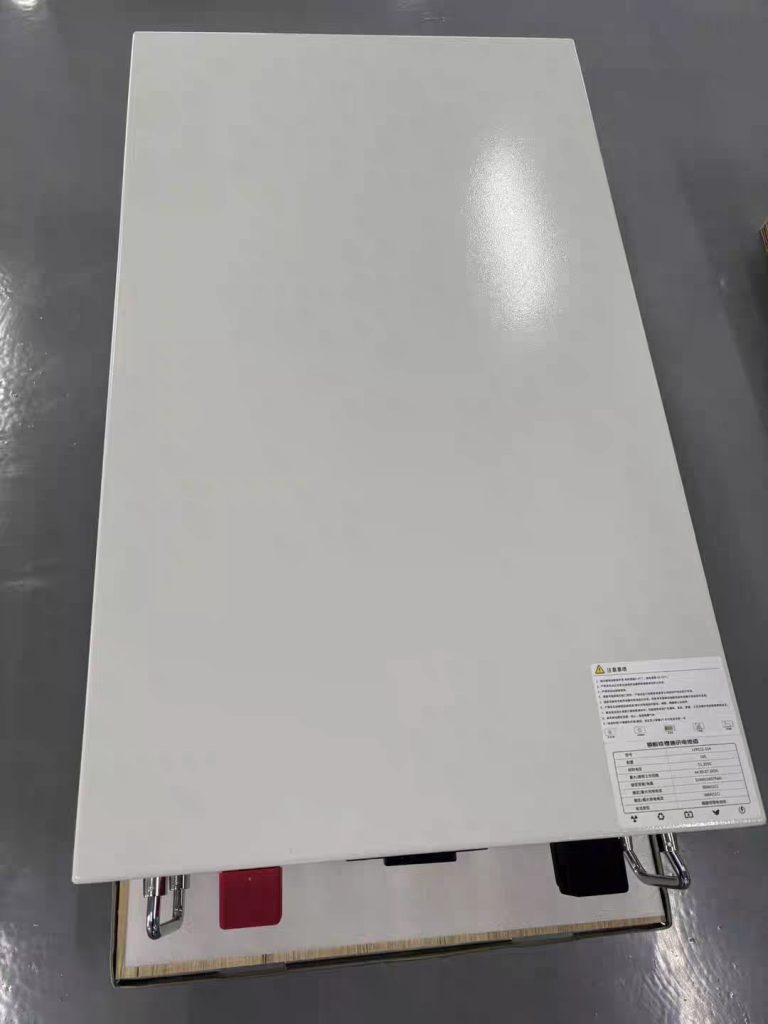
Electricity has become one of the most important resources in modern households. From lighting and refrigeration to heating, cooling, internet equipment, and electric vehicles, families depend on a stable electricity supply every day. However, rising electricity prices, unstable power grids, and increasing energy demand have encouraged more homeowners to look for smarter energy solutions.
Home energy storage batteries are becoming an effective solution for families that want to reduce electricity costs and achieve greater energy independence. By storing electricity generated from solar panels or charging during low-cost periods, home battery systems allow homeowners to use energy more efficiently and reduce dependence on traditional power grids.
For families, investing in a reliable home energy storage system is not only about saving money. It is also about creating a safer, cleaner, and more sustainable energy future.
1. What Is a Home Energy Storage Battery System?
A home energy storage battery system is a device that stores electrical energy and supplies power to a home when needed.
A complete residential energy storage solution usually includes:
-
Battery modules
-
Battery management system (BMS)
-
Energy management system (EMS)
-
Inverter
-
Monitoring software
-
Safety protection components
The system can work with:
-
Solar photovoltaic panels
-
Grid electricity
-
Wind energy systems
-
Other renewable energy sources
The basic working principle is:
Energy generation → Battery charging → Energy storage → Household power supply
During the day, solar panels generate electricity. Excess electricity can be stored in the battery instead of being wasted. At night or during power outages, the stored energy can supply electricity to household appliances.
2. Why Families Need Energy Independence
Traditional households mainly depend on electricity companies. Although the grid provides convenient power, families have limited control over electricity costs and supply stability.
Several challenges are increasing the demand for energy independence:
Rising Electricity Prices
Electricity prices have increased in many regions due to:
-
Higher energy costs
-
Increased demand
-
Infrastructure investment
-
Market fluctuations
Many families are looking for ways to reduce monthly electricity expenses.
A home battery storage system helps by allowing homeowners to:
-
Use stored electricity during expensive periods
-
Reduce peak electricity consumption
-
Increase solar energy usage
Unstable Power Supply
Power interruptions can happen because of:
-
Extreme weather
-
Equipment failures
-
Natural disasters
-
Grid overload
A home energy storage battery provides backup electricity and helps families maintain essential services.
Growing Renewable Energy Demand
More homeowners are installing solar panels, but solar energy has limitations because it depends on sunlight.
Energy storage solves this problem by saving unused solar power for later use.
3. How Home Energy Storage Batteries Reduce Electricity Costs
One of the biggest benefits of residential battery storage is reducing electricity bills.
3.1 Using Stored Solar Energy at Night
Solar panels usually produce electricity during the daytime, but many families consume more energy in the evening.
Without a battery:
Solar energy → Home usage → Excess electricity lost or sold
With a battery:
Solar energy → Battery storage → Evening household usage
This allows homeowners to use more self-generated electricity.
3.2 Avoiding High Electricity Rates
Many countries and regions use time-based electricity pricing.
Electricity prices may be:
-
Lower during off-peak hours
-
Higher during peak demand periods
A home energy storage system allows families to:
-
Charge batteries when electricity is cheaper
-
Use stored power when electricity is expensive
This improves energy cost management.
3.3 Reducing Dependence on Grid Electricity
The more electricity a family produces and stores, the less electricity it needs to purchase from the grid.
Over time, this can significantly reduce household energy expenses.
4. Solar Energy and Home Battery Storage: A Powerful Combination
Solar panels and energy storage batteries work together to create an efficient home energy solution.
Without Energy Storage
During sunny hours:
-
Solar panels produce electricity
-
Some electricity is used immediately
-
Extra electricity may not be fully utilized
At night:
-
Solar panels stop producing electricity
-
Families purchase power from the grid
With Energy Storage
During the day:
-
Solar energy powers the home
-
Excess energy charges the battery
At night:
-
Battery supplies stored solar energy
-
Household dependence on the grid decreases
This combination helps families achieve higher energy self-sufficiency.
5. Choosing the Right Battery Technology
Battery technology directly affects safety, lifespan, and performance.
Currently, lithium iron phosphate (LiFePO4) batteries are widely used in home energy storage systems.
Advantages of LiFePO4 Batteries
High Safety Performance
LiFePO4 batteries provide excellent thermal stability and are suitable for residential applications.
Long Service Life
High-quality batteries can support thousands of charge and discharge cycles.
Stable Performance
They maintain reliable performance under different environmental conditions.
Low Maintenance
Compared with traditional battery technologies, lithium energy storage systems require less maintenance.
For families, choosing a safe and durable battery technology is essential for long-term use.
6. How to Choose a Reliable Home Energy Storage Battery Manufacturer
The quality of the manufacturer directly affects system performance and customer experience.
A professional home energy storage battery manufacturer should provide:
Advanced Manufacturing Technology
Reliable manufacturers should have:
-
Modern production facilities
-
Professional engineering teams
-
Strict production processes
-
Quality testing systems
High-Quality Battery Cells
Battery cells are the core component of an energy storage system.
Manufacturers should carefully select battery cells to ensure:
-
Safety
-
Capacity stability
-
Long lifespan
-
Reliable performance
Complete Quality Testing
Before delivery, batteries should be tested for:
-
Charging performance
-
Discharging efficiency
-
Temperature resistance
-
Safety protection
-
Long-term operation
International Certifications
For global markets, manufacturers should provide appropriate certifications to demonstrate product quality and safety.
Technical Support and After-Sales Service
A professional supplier should offer:
-
Installation guidance
-
Product training
-
Warranty service
-
Technical assistance
Good after-sales support helps customers operate systems efficiently for many years.
7. Smart Features of Modern Home Energy Storage Systems
Modern battery systems are becoming smarter and easier to manage.
Advanced systems include:
Mobile Monitoring
Homeowners can check:
-
Battery status
-
Energy production
-
Electricity consumption
-
Charging information
through mobile applications.
Intelligent Energy Management
The system can automatically:
-
Optimize charging schedules
-
Control energy usage
-
Improve electricity efficiency
Remote Diagnosis
Manufacturers can monitor system performance and provide technical support remotely.
These smart features make home energy management more convenient.
8. Applications of Home Energy Storage Batteries
Residential energy storage systems are suitable for different situations.
Family Houses
Provide daily electricity savings and emergency backup power.
Solar Homes
Improve solar energy utilization and reduce grid dependence.
Areas With Unstable Electricity
Provide reliable backup power during outages.
Large Homes and Villas
Support higher electricity consumption and more appliances.
Remote Locations
Provide independent energy solutions where grid access is limited.
9. Future Development of Home Energy Storage Systems
The demand for residential energy storage is expected to continue growing.
Future home batteries will become:
-
More powerful
-
Smaller in size
-
Safer
-
More intelligent
-
Easier to install
Integration with:
-
Smart homes
-
Electric vehicles
-
Renewable energy systems


No reply content