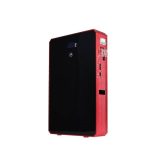
China solar power generation and energy storage manufacturing
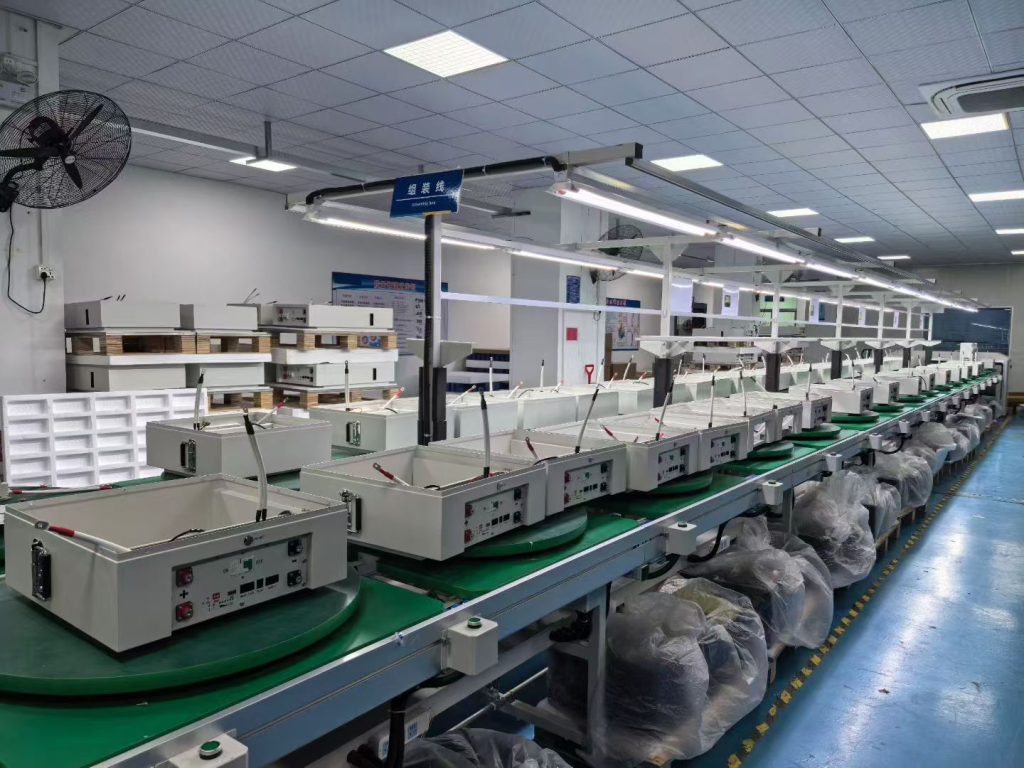
Power outages can create serious problems for modern households. From losing internet connections and stopping home appliances to affecting security systems and medical equipment, an unexpected power failure can disrupt daily life. As electricity demand continues to grow and extreme weather events become more frequent, more families are choosing home energy storage batteries as a reliable backup power solution.
A professional home energy storage battery system allows homeowners to store electricity in advance and automatically provide power when the grid fails. This article explains how home energy storage batteries solve power outage problems, improve energy security, and provide stable backup power for families.
1. Why Power Outages Are Becoming a Bigger Concern
Electricity has become essential for almost every part of modern life.
Homes today rely on electricity for:
-
Refrigerators and freezers
-
Heating and cooling systems
-
Internet routers and communication devices
-
Lighting systems
-
Security cameras
-
Home office equipment
-
Medical devices
-
Electric vehicle charging
When a power outage occurs, these devices may stop working immediately. Even short interruptions can cause inconvenience, while long outages may create safety and financial risks.
Common causes of power outages include:
-
Severe weather conditions
-
Aging power grid infrastructure
-
Natural disasters
-
High electricity demand
-
Equipment failures
Home energy storage batteries provide families with an independent electricity source during these situations.
2. How Home Energy Storage Batteries Provide Backup Power
A home energy storage system works by storing electricity and releasing it when needed.
The basic process is:
Solar panels or grid electricity → Battery charging → Energy storage → Household power supply during outages
When the grid is operating normally:
-
The battery stores excess solar energy or low-cost electricity
-
The system monitors household energy usage
-
The battery remains ready for emergency situations
When a power outage happens:
-
The system detects the grid failure
-
The battery automatically switches to backup mode
-
Essential household devices continue receiving electricity
This automatic transition allows families to maintain important electrical equipment without manual operation.
3. Benefits of Home Energy Storage Batteries During Power Outages
Continuous Electricity Supply
The biggest advantage of a home battery storage system is maintaining power availability during blackouts.
Depending on battery capacity, a system can support:
-
Lights
-
Wi-Fi routers
-
Refrigerators
-
Security systems
-
Computers
-
Small appliances
Larger battery systems can provide longer backup times and support more household equipment.
Protection for Important Appliances
Sudden power interruptions can damage sensitive electronic devices.
Home energy storage systems can help protect:
-
Computers
-
Smart home equipment
-
Communication devices
-
Control systems
Stable power output reduces the risk caused by sudden voltage fluctuations.
Improved Emergency Preparedness
For families living in areas affected by storms, hurricanes, wildfires, or unstable electricity supply, energy storage provides an additional layer of protection.
A properly designed battery system ensures that essential electricity remains available during emergencies.
4. Choosing the Right Battery Capacity for Backup Power
Different households have different electricity needs. Choosing the correct battery capacity is important.
Factors to consider include:
Household Electricity Consumption
Families should calculate daily electricity usage based on:
-
Number of residents
-
Appliance usage
-
Heating and cooling requirements
-
Working-from-home needs
Backup Time Requirements
Some families only need several hours of backup power, while others require electricity for multiple days.
Example:
Small system:
-
Lighting
-
Router
-
Refrigerator
-
Mobile charging
Medium system:
-
Kitchen appliances
-
Office equipment
-
More household devices
Large system:
-
Whole-home backup
-
Heating systems
-
Electric vehicle charging
A professional manufacturer can recommend the most suitable configuration.
5. Why Lithium Iron Phosphate Batteries Are Preferred for Home Backup
Most modern residential energy storage systems use lithium iron phosphate (LiFePO4) batteries.
They are popular because of:
High Safety
LiFePO4 batteries have excellent thermal stability and lower risk compared with some traditional battery technologies.
Long Service Life
High-quality LiFePO4 batteries can provide thousands of charging cycles, making them suitable for long-term household use.
Stable Performance
They maintain reliable performance under different operating conditions.
Low Maintenance
Compared with traditional backup power solutions, lithium battery systems require less maintenance.
6. The Role of Smart Energy Management Systems
Modern home energy storage batteries are equipped with intelligent management technology.
Smart systems can:
-
Monitor electricity usage
-
Control charging and discharging
-
Display battery status through mobile apps
-
Optimize energy consumption
-
Provide system alerts
Homeowners can understand their energy situation anytime and adjust usage strategies to improve efficiency.
7. Combining Solar Panels with Energy Storage Batteries
Solar energy and battery storage create a powerful combination.
Without batteries:
Solar panels produce electricity during the day, but unused energy may be wasted.
With storage:
Daytime: Solar panels generate electricity → Battery stores excess energy
Night or outage: Battery supplies electricity → Home continues operating
This combination provides:
-
Renewable energy usage
-
Lower electricity costs
-
Backup power protection
-
Greater energy independence
8. Why Choosing the Right Home Energy Storage Battery Manufacturer Matters
The performance of a backup power system depends heavily on the manufacturer.
A reliable manufacturer should provide:
High-Quality Battery Products
Professional manufacturers use reliable battery cells and advanced production technology.
Strict Testing Procedures
Products should undergo:
-
Safety testing
-
Performance testing
-
Aging testing
-
Temperature testing
Complete Technical Support
A good supplier provides:
-
Installation guidance
-
System configuration advice
-
Troubleshooting support
-
Warranty service
Flexible Solutions
Different homes require different energy solutions. Experienced manufacturers can customize systems according to customer needs.
9. Home Energy Storage Battery Applications
Residential battery systems are suitable for many scenarios:
Family Homes
Provide daily energy savings and emergency backup power.
Remote Areas
Help households without reliable grid access maintain electricity supply.
Villas and Large Houses
Support higher electricity consumption and whole-home backup.
Solar-Powered Homes
Improve solar energy utilization and reduce grid dependence.
10. Future Trends of Residential Energy Storage
The home energy storage market is developing rapidly.
Future systems will become:
-
More intelligent
-
More compact
-
More efficient
-
Easier to install
-
Better integrated with smart homes


No reply content