Container House Co., Ltd
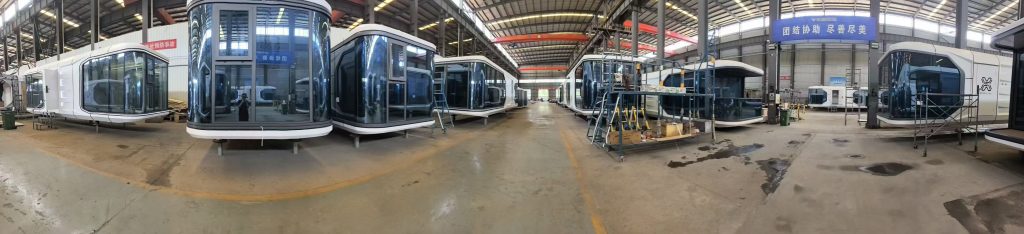
One of the biggest advantages of modular mobile homes is faster construction compared with many traditional building methods. Because much of the work is completed in a controlled factory environment, production can proceed while the project site is being prepared.
However, the total project timeline depends on several factors, including the home design, customization level, order quantity, material availability, factory capacity, transportation distance, site conditions, foundation preparation, and installation requirements.
For buyers planning a residential, resort, accommodation, or commercial project, understanding each stage of the process can help avoid unnecessary delays.
1. What Determines the Total Project Time?
The complete timeline normally includes several stages:
-
Project consultation
-
Design and specification
-
Quotation
-
Contract confirmation
-
Drawing approval
-
Material purchasing
-
Factory production
-
Quality inspection
-
Packaging
-
Transportation
-
Site preparation
-
Installation
-
Utility connections
-
Final inspection
The actual duration varies from project to project.
A standardized model with limited customization can normally move through the process more efficiently than a highly customized project.
2. Standard Modular Homes vs. Customized Homes
The amount of customization has a direct impact on the production schedule.
Standard models
Standard models normally use existing:
-
Floor plans
-
Structural designs
-
Wall systems
-
Windows
-
Doors
-
Interior layouts
-
Electrical configurations
Because the manufacturer already has established production processes, preparation can be relatively straightforward.
Customized models
Customized projects may require:
-
New architectural drawings
-
Structural calculations
-
Design revisions
-
Special materials
-
Prototype development
-
Engineering approval
-
Customized production processes
Each additional design requirement can potentially extend the schedule.
For buyers with a strict delivery deadline, starting with an existing model and making controlled modifications may be more efficient.
3. The Design and Approval Stage
Before production begins, the manufacturer normally needs to confirm the project specifications.
This may include:
-
Floor plan
-
Building dimensions
-
Number of rooms
-
Wall materials
-
Insulation
-
Roof
-
Doors
-
Windows
-
Kitchen
-
Bathroom
-
Electrical system
-
Plumbing system
-
Furniture
-
Exterior appearance
For customized projects, drawings may be revised several times before final approval.
Buyers can shorten this stage by providing complete requirements at the beginning.
4. Why Drawing Approval Is Important
Production should not normally begin until the buyer has confirmed the final specifications.
Changes after production starts can cause:
-
Additional costs
-
Material waste
-
Production interruptions
-
Rework
-
Delays
-
Shipping problems
For example, changing a window position after the wall structure has already been manufactured can require significant modification.
Therefore, buyers should carefully review drawings before signing final production approval.
5. Material Procurement
After specifications are confirmed, the manufacturer may begin purchasing raw materials and components.
Materials may include:
-
Steel
-
Insulation
-
Wall panels
-
Roofing materials
-
Windows
-
Doors
-
Electrical components
-
Plumbing components
-
Flooring
-
Kitchen cabinets
-
Bathroom fixtures
-
Furniture
Standard materials that are regularly stocked may be easier to obtain.
Specialized materials or imported components may require additional procurement time.
If the buyer requests a specific brand or unusual specification, this should be communicated early.
6. Factory Production
The production stage includes multiple processes.
Depending on the modular home design, production may involve:
-
Steel cutting
-
Welding
-
Frame assembly
-
Surface treatment
-
Floor assembly
-
Wall installation
-
Insulation installation
-
Roof assembly
-
Window installation
-
Door installation
-
Electrical installation
-
Plumbing installation
-
Interior finishing
-
Furniture installation
Factory production is one of the major advantages of modular construction because many activities can be completed under controlled conditions.
7. Production Time Depends on Quantity
A single prototype and a large commercial order have different production requirements.
For example, a project involving one customized home may require considerable design and engineering work before production.
A project involving dozens or hundreds of standardized units may require more total production time but can benefit from standardized manufacturing processes.
The manufacturer should provide a production schedule based on the actual order quantity.
8. Quality Inspection Before Shipment
A professional factory should perform quality checks before the units leave the production facility.
Depending on the product, inspection may include:
-
Structural inspection
-
Dimensional inspection
-
Welding inspection
-
Surface inspection
-
Waterproofing checks
-
Electrical inspection
-
Plumbing inspection
-
Door and window inspection
-
Interior finish inspection
For larger international orders, buyers may also arrange independent third-party inspection.
Identifying problems before shipment is usually much easier than correcting them after the products arrive at the destination.
9. Packaging and Loading
Packaging is particularly important for international projects.
The manufacturer should consider:
-
Protection against moisture
-
Protection against impact
-
Protection of windows
-
Protection of interior finishes
-
Protection of furniture
-
Component labeling
-
Container loading
-
Unloading requirements
For flat-pack or foldable designs, components should be organized so that installation teams can quickly identify each part.
Poor packaging or unclear labeling can increase installation time.
10. International Shipping Adds Time
For international buyers, factory production is only one part of the schedule.
Transportation may involve:
-
Factory-to-port trucking
-
Export customs procedures
-
Port handling
-
Container loading
-
Ocean transportation
-
Import customs clearance
-
Destination port handling
-
Inland transportation
-
Final delivery
Shipping schedules vary according to the origin, destination, shipping route, season, port conditions, and logistics provider.
Therefore, buyers should avoid calculating the delivery date based only on the manufacturer’s production time.
11. Site Preparation Can Happen During Factory Production
One major advantage of modular construction is that factory production and site preparation can often proceed simultaneously.
While the manufacturer is producing the building, the buyer or local contractor can prepare:
-
Foundation
-
Ground leveling
-
Drainage
-
Electrical connections
-
Water connections
-
Sewage connections
-
Access roads
-
Crane access
-
Installation area
This parallel approach can reduce the overall project schedule.
12. Foundation Preparation
The required foundation depends on the building design and local site conditions.
Possible solutions include:
-
Concrete pads
-
Strip foundations
-
Reinforced concrete foundations
-
Steel support systems
-
Other engineered foundation systems
The foundation should be designed according to the actual building, ground conditions, local regulations, and applicable engineering requirements.
If the foundation is not ready when the modular home arrives, the units may need to remain in storage, increasing project costs and delaying installation.
13. How Long Does Installation Take?
Installation time depends on:
-
Building size
-
Number of modules
-
Assembly method
-
Site accessibility
-
Foundation readiness
-
Number of workers
-
Crane availability
-
Weather
-
Utility connections
-
Interior finishing requirements
A simple standardized modular unit may be assembled relatively quickly.
A larger customized project with multiple modules, complex connections, and extensive interior work will require more time.
The manufacturer should provide an installation plan based on the specific project.
14. Crane and Equipment Requirements
Some modular homes can be installed using cranes or lifting equipment.
Before delivery, confirm:
-
Unit weight
-
Lifting points
-
Crane capacity
-
Crane working radius
-
Site access
-
Ground conditions
-
Overhead obstacles
-
Installation sequence
A crane should be selected according to the actual load and lifting conditions by a qualified local professional.
Poor planning can cause significant installation delays.
15. Weather Can Affect Installation
Weather can influence the installation schedule, particularly for outdoor operations.
Potential issues include:
-
Heavy rain
-
Strong wind
-
Snow
-
Extreme heat
-
Flooding
-
Poor ground conditions
Factory production is less exposed to weather interruptions than traditional outdoor construction, but transportation and site installation can still be affected.
It is therefore useful to include reasonable schedule flexibility in the project plan.
16. Utility Connections
After the structure is installed, the project may require connection to:
-
Electricity
-
Water
-
Drainage
-
Sewage
-
Internet
-
Gas or other energy systems
The time required depends heavily on local infrastructure.
A modular home can arrive quickly, but the project may not be ready for occupancy until the utilities are connected and inspected.
17. Local Permits Can Affect the Schedule
One of the most underestimated sources of delay is the approval process.
Depending on the destination, the project may require:
-
Planning approval
-
Building permits
-
Structural approval
-
Electrical approval
-
Fire-safety approval
-
Utility approval
-
Environmental approval
The exact requirements vary by country and location.
Buyers should investigate local requirements before ordering the building.
18. How Buyers Can Reduce Delays
Several practical steps can help shorten the project timeline.
Provide complete specifications early
Send the manufacturer:
-
Required dimensions
-
Floor plan
-
Quantity
-
Destination
-
Intended use
-
Material preferences
-
Electrical requirements
-
Customization requirements
Approve drawings quickly
Avoid unnecessary revisions after engineering work begins.
Use standard components
Standard windows, doors, panels, fixtures, and layouts can reduce procurement and production time.
Prepare the site in parallel
Complete the foundation and utility preparation while the factory is producing the units.
Plan transportation early
Confirm shipping dimensions, weight, packaging, loading method, and delivery arrangements before production is completed.
Prepare installation equipment
If cranes or special lifting equipment are required, schedule them before the shipment arrives.
19. A Typical Project Workflow
A modular mobile home project can generally follow this sequence:
Stage 1 — Consultation
The buyer explains the project requirements.
Stage 2 — Design
The manufacturer prepares drawings and specifications.
Stage 3 — Quotation
The manufacturer provides pricing based on the confirmed specification.
Stage 4 — Contract
The buyer and manufacturer confirm commercial terms.
Stage 5 — Drawing Approval
Final technical drawings are approved.
Stage 6 — Production
The factory manufactures the modular units.
Stage 7 — Inspection
The completed units or components are inspected.
Stage 8 — Packaging
Products are prepared for transportation.
Stage 9 — Shipping
The units are transported to the destination.
Stage 10 — Installation
The building is assembled on the prepared site.
Stage 11 — Utility Connection
Electrical, water, drainage, and other services are connected.
Stage 12 — Final Inspection
The project is checked before use.
20. Why Production Time Should Not Be the Only Deadline
Buyers sometimes ask manufacturers, “How many days will production take?”
This is useful, but it does not represent the complete project schedule.
For an international project, the total timeline can be affected by:
-
Design approval
-
Material procurement
-
Production
-
Inspection
-
Packaging
-
Port handling
-
Ocean shipping
-
Customs clearance
-
Inland transportation
-
Site preparation
-
Installation
-
Local inspections
-
Utility connections


No reply content