How Long Does It Take to Manufacture Christmas Ornaments? Production and Shipping Timeline Explained

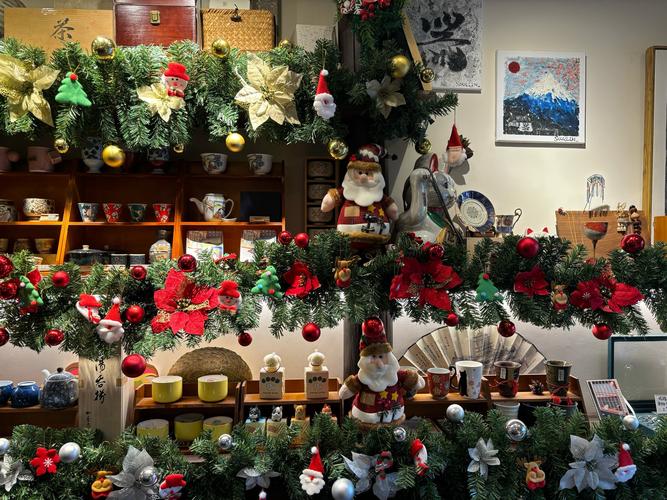
For Christmas ornament buyers, timing is one of the most important factors when working with manufacturers. Unlike regular products, Christmas decorations have a fixed selling season. If products arrive late, businesses may miss the peak holiday shopping period and lose valuable sales opportunities.
Understanding the complete manufacturing and shipping timeline helps importers, wholesalers, retailers, and e-commerce sellers plan their inventory properly and avoid unexpected delays.
This guide explains how long it takes to manufacture Christmas ornaments, what factors affect production time, and how to ensure your products arrive on schedule.
Average Christmas Ornament Production Timeline
The total timeline depends on the product type, customization level, order quantity, and shipping method.
A typical custom Christmas ornament project takes:
45–90 days from design confirmation to final delivery
General timeline:
| Production Stage | Estimated Time |
|---|---|
| Product design confirmation | 1–7 days |
| Sample development | 7–15 days |
| Sample approval | 3–7 days |
| Material preparation | 7–15 days |
| Mass production | 20–45 days |
| Quality inspection | 2–5 days |
| Packaging | 2–5 days |
| International shipping | 7–45 days |
The exact schedule depends on your product requirements and destination country.
Step 1: Design Confirmation
Before production starts, buyers and manufacturers confirm all product details.
Important information includes:
- Ornament design
- Size and shape
- Material
- Colors
- Logo requirements
- Packaging style
- Quantity
- Delivery deadline
A detailed product specification helps prevent production mistakes and reduces delays.
Step 2: Sample Production
For custom Christmas ornaments, samples are usually required before bulk production.
The manufacturer creates a prototype based on:
- Drawings
- Photos
- Samples
- 3D designs
- Brand requirements
Sample production usually takes:
7–15 days
During sample review, buyers should check:
- Product appearance
- Color accuracy
- Material quality
- Craftsmanship
- Packaging
- Brand details
If changes are needed, additional sample time may be required.
Step 3: Material Preparation
After sample approval, the factory prepares materials.
Materials may include:
- Resin
- Plastic
- Glass
- Wood
- Acrylic
- Metal parts
- Fabric
- Paint
- Decorative accessories
- Packaging materials
Standard materials are usually faster to prepare.
Special materials or custom colors may increase production time.
Step 4: Mass Production
Once materials are ready, the factory begins bulk manufacturing.
The production process may include:
- Mold preparation
- Product forming
- Surface treatment
- Painting or printing
- Assembly
- Decoration
- Inspection
- Packaging
Typical production times:
- Small orders: 20–30 days
- Medium orders: 30–40 days
- Large orders: 40–60 days
Hand-painted or highly detailed ornaments usually require more time.
Step 5: Quality Inspection
Quality control is essential before shipment.
Professional factories inspect:
- Product size
- Color consistency
- Surface quality
- Decoration details
- Hanging accessories
- Packaging condition
- Quantity accuracy
Common quality issues include:
- Scratches
- Uneven painting
- Broken parts
- Incorrect colors
- Loose accessories
- Damaged packaging
Final inspection helps ensure customers receive high-quality products.
Step 6: Packaging Preparation
Christmas ornaments often require special packaging because many decorations are fragile.
Packaging options include:
- Individual boxes
- Protective foam
- Plastic trays
- Gift packaging
- Retail display boxes
- Export cartons
Customized packaging usually requires additional production time.
Step 7: International Shipping Time
After production is completed, products are shipped worldwide.
Common shipping methods:
Sea Freight
Best for large orders.
Estimated time:
- Europe: 30–45 days
- North America: 25–40 days
- Middle East: 20–35 days
- Southeast Asia: 7–20 days
Air Freight
Suitable for urgent seasonal orders.
Estimated time:
- 5–10 days
Express Shipping
Suitable for samples or small quantities.
Estimated time:
- 3–7 days
Factors That Affect Christmas Ornament Production Time
1. Customization Level
Simple products are faster.
More complex products require more time:
- Custom molds
- Hand painting
- LED functions
- Multiple components
- Special finishes
2. Order Quantity
Larger orders require longer production periods.
A 500-piece order may be completed much faster than a 20,000-piece order.
3. Factory Production Schedule
Christmas products have strong seasonal demand.
Factories become very busy during:
- March–August production period
- September–October shipping period
Late orders may face production delays.
4. Material Availability
If materials are unavailable, production cannot start on schedule.
Choosing commonly available materials can shorten lead times.
5. Shipping Season
Before Christmas, global logistics becomes busier.
Possible delays include:
- Port congestion
- Container shortages
- Customs delays
- Increased freight demand
Early shipping planning is essential.
How to Shorten Production Time
Buyers can reduce delays by:
- Preparing designs early
- Approving samples quickly
- Using existing molds
- Choosing standard materials
- Confirming packaging before production
- Ordering before peak season
- Maintaining clear communication with suppliers
Good planning can save weeks during the production process.
Recommended Ordering Schedule
For Christmas products, a practical schedule is:
January–March
- Research suppliers
- Confirm designs
- Develop samples
April–June
- Approve samples
- Place bulk orders
- Begin production
July–September
- Complete production
- Arrange shipping
October–November
- Receive inventory
- Prepare sales campaigns
Ordering early gives businesses more flexibility and reduces risk.
Common Mistakes Buyers Should Avoid
Many importers experience delays because they:
- Place orders too late
- Change designs after production starts
- Skip sample confirmation
- Underestimate shipping time
- Ignore holiday factory schedules
- Choose suppliers without production experience
Seasonal products require better planning than regular products.
Conclusion
The manufacturing timeline for Christmas ornaments usually ranges from 45 to 90 days, depending on customization, order quantity, factory capacity, and shipping destination.
Choosing an experienced Christmas ornament manufacturer, confirming designs early, approving samples quickly, and planning international shipping in advance can help businesses receive products on time for the holiday season.
A reliable manufacturing partner not only provides quality products but also helps you manage production schedules, reduce risks, and successfully compete in the global Christmas decoration market.
FAQ
Q1: How long does it take to make custom Christmas ornaments?
Most custom orders require 30–60 days for production, plus additional time for sampling and shipping.
Q2: When should I order Christmas ornaments?
It is recommended to place orders 4–6 months before Christmas to allow enough time for manufacturing and international transportation.
Q3: How long does sample production take?
Most samples can be completed within 7–15 days.
Q4: What causes Christmas ornament production delays?
Common causes include material shortages, design changes, factory peak seasons, shipping congestion, and late approvals.
Q5: Can manufacturers handle urgent Christmas orders?
Some experienced factories can support urgent production, but early planning is strongly recommended to avoid higher costs and delivery risks.


No reply content