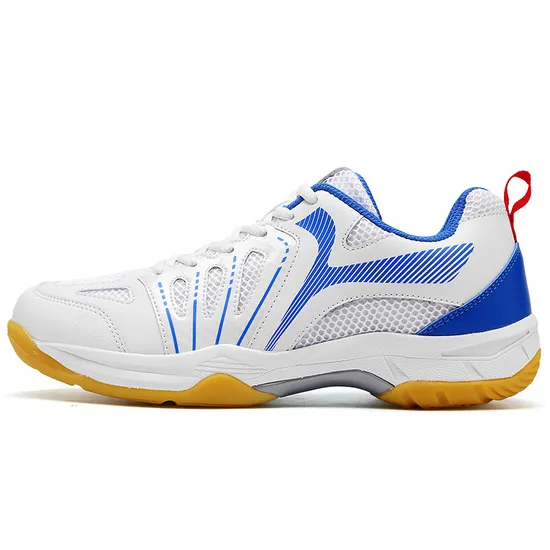
Custom Shoe OEM Manufacturer China | Low MOQ & Fast Sample

A Complete Guide to Custom Sports Shoe Production Lead Time
Introduction
One of the most common questions buyers ask before placing an order is, “How long will it take to manufacture custom sports shoes?” Whether you are launching a private-label sneaker brand, supplying retail stores, or importing athletic footwear, understanding the production timeline is essential for planning product launches, inventory management, and shipping schedules.
The manufacturing process for custom sports shoes involves far more than simply assembling materials. It includes product design, material sourcing, sample development, mold production, testing, quality inspections, packaging, and international shipping. Every stage requires careful coordination to ensure the finished product meets quality standards and delivery deadlines.
This guide explains the complete production timeline for custom sports shoes, the factors that influence lead time, and practical ways to shorten delivery without compromising quality.
Overview of the Production Timeline
A typical custom sports shoe project follows these stages:
Production Stage |
Estimated Time |
|---|---|
Product Design & Requirement Confirmation |
3–7 Days |
Material Selection & Sourcing |
5–15 Days |
Mold Development (If Needed) |
15–30 Days |
Sample Production |
7–15 Days |
Sample Review & Modification |
5–10 Days |
Mass Production |
30–45 Days |
Quality Inspection |
2–5 Days |
Packaging |
2–5 Days |
Shipping Preparation |
2–5 Days |
International Transportation |
Depends on shipping method |
For most OEM projects, the total timeline is approximately 60–120 days, while ODM projects can often be completed within 35–60 days.
Step 1: Product Design and Requirement Confirmation
Every successful project begins with a clear product specification.
During this stage, buyers and manufacturers confirm:
-
Shoe style
-
Target market
-
Logo placement
-
Colors
-
Materials
-
Shoe size range
-
Packaging
-
Quantity
-
Performance requirements
Providing detailed technical specifications at the beginning helps avoid costly revisions later.
The clearer your requirements, the faster the project moves forward.
Step 2: Material Selection and Sourcing
Once the design is confirmed, the manufacturer begins sourcing materials.
Common materials include:
Upper Materials
-
Engineered mesh
-
Flyknit
-
PU leather
-
Genuine leather
-
Recycled fabric
Midsole Materials
-
EVA
-
Phylon
-
TPU
-
PU Foam
Outsole Materials
-
Rubber
-
Carbon rubber
-
TPR
Additional Components
-
Shoelaces
-
Insoles
-
Eyelets
-
Labels
-
Shoe boxes
-
Hang tags
If standard materials are already available, sourcing can be completed quickly. Custom materials may require additional production time.
Step 3: Mold Development
For completely customized shoes, manufacturers often need to create new molds.
Common molds include:
-
Outsole mold
-
Midsole mold
-
Logo mold
-
Injection mold
The mold development process includes:
-
3D modeling
-
CNC machining
-
Mold testing
-
Trial production
-
Design adjustments
This stage typically takes 15–30 days, depending on the complexity of the shoe.
ODM products usually use existing molds, eliminating this step and reducing lead time.
Step 4: Sample Production
Sample development is one of the most important stages.
The first sample allows buyers to evaluate:
-
Appearance
-
Comfort
-
Material quality
-
Color accuracy
-
Logo placement
-
Stitching
-
Sole bonding
-
Packaging
Sample production generally requires 7–15 days.
For highly customized athletic shoes with advanced performance features, additional testing may extend the timeline.
Step 5: Sample Evaluation and Revisions
Few custom shoes are approved after the first sample.
Buyers often request adjustments such as:
-
Material changes
-
Logo resizing
-
Color modifications
-
Improved cushioning
-
Sole texture adjustments
-
Packaging improvements
Depending on the number of revisions, this process usually takes 5–10 days.
Careful sample approval reduces the risk of problems during mass production.
Step 6: Mass Production
After sample approval, the factory schedules mass production.
Major production processes include:
-
Material cutting
-
Upper stitching
-
Printing
-
Embroidery
-
Midsole production
-
Outsole molding
-
Shoe assembly
-
Lasting
-
Bonding
-
Cleaning
-
Final finishing
Production time depends on:
-
Order quantity
-
Number of styles
-
Number of colors
-
Factory workload
-
Seasonal demand
Typical mass production takes 30–45 days.
Large orders may require additional time.
Step 7: Quality Inspection
Professional manufacturers implement strict quality control before shipment.
Inspection items include:
-
Shoe dimensions
-
Weight consistency
-
Stitching quality
-
Glue application
-
Logo accuracy
-
Color consistency
-
Sole adhesion
-
Flexibility
-
Packaging
Many international buyers also arrange independent third-party inspections to verify product quality.
Quality inspection generally requires 2–5 days.
Step 8: Packaging
Once inspection is complete, the products are packaged.
Packaging options include:
-
Standard shoe boxes
-
Custom branded boxes
-
Poly bags
-
Cartons
-
Instruction manuals
-
Warranty cards
-
Hang tags
Packaging typically requires 2–5 days.
Custom packaging with premium printing may take slightly longer.
Step 9: Shipping Preparation
Before shipment, manufacturers prepare export documentation, including:
-
Commercial Invoice
-
Packing List
-
Bill of Lading or Air Waybill
-
Certificate of Origin (if required)
-
Inspection Certificates
Proper documentation helps ensure smooth customs clearance.
Step 10: International Shipping
Delivery time depends on the transportation method.
Air Freight
Advantages:
-
Fast delivery
-
Suitable for urgent orders
-
Higher transportation cost
Transit time is generally 3–10 days, depending on the destination.
Sea Freight
Advantages:
-
Lower shipping cost
-
Ideal for large orders
Typical transit time:
-
Asia: 5–15 days
-
Europe: 25–40 days
-
North America: 20–35 days
-
South America: 30–50 days
-
Middle East: 20–35 days
Railway Freight
Available on selected routes, railway transportation provides a balance between speed and cost for certain destinations.
Factors That Affect Lead Time
Several factors can influence production schedules:
Level of Customization
Fully customized shoes require more development than standard products.
Order Quantity
Larger orders naturally require more production time.
Material Availability
Special materials or imported components may delay production.
Peak Production Seasons
Demand often increases before major holidays and shopping seasons, leading to longer lead times.
Design Revisions
Frequent changes after sample approval can significantly extend production.
How to Reduce Production Time
To improve efficiency:
-
Finalize product specifications before production.
-
Approve samples promptly.
-
Use standard materials whenever possible.
-
Choose existing molds if appropriate.
-
Maintain clear communication with the manufacturer.
-
Plan orders well before peak seasons.
These practices help minimize delays while maintaining quality.
Common Mistakes That Delay Production
Avoid these common errors:
-
Incomplete product specifications
-
Frequent design changes
-
Late sample approval
-
Delayed payments
-
Poor communication
-
Unrealistic delivery expectations


No reply content