When sourcing footwear from China, one of the most common questions buyers ask is: How long does shoe production take? Whether you are launching a new brand, replenishing inventory, or preparing for a seasonal sales campaign, understanding production lead times is essential for successful planning.
This guide explains each stage of shoe manufacturing, the factors that affect production schedules, and how to shorten delivery times without sacrificing quality.
Average Shoe Production Timeline
The total production time depends on the product design, order quantity, material availability, and factory workload.
A typical timeline is:
| Production Stage | Estimated Time |
|---|---|
| Product design confirmation | 1–3 days |
| Material sourcing | 5–10 days |
| Sample production | 7–15 days |
| Sample approval | 3–7 days |
| Bulk production | 25–45 days |
| Quality inspection | 2–5 days |
| Packaging | 2–5 days |
| Export preparation | 2–5 days |
For most custom shoe orders, the complete manufacturing process takes 35–60 days after sample approval.
Step 1: Design Confirmation
Before production begins, the buyer and manufacturer confirm:
- Shoe style
- Materials
- Colors
- Logo placement
- Size range
- Packaging requirements
- Technical specifications
Providing complete product information at the beginning helps avoid production delays.
Step 2: Material Sourcing
The factory purchases all required materials.
Common materials include:
- Leather
- PU leather
- Mesh fabric
- Knit fabric
- EVA midsoles
- Rubber outsoles
- TPU components
- Insoles
- Shoelaces
- Packaging materials
If standard materials are in stock, sourcing is much faster. Special materials or custom colors may require additional time.
Step 3: Sample Development
The manufacturer creates a prototype based on your design.
Sample production allows buyers to evaluate:
- Appearance
- Comfort
- Fit
- Material quality
- Logo accuracy
- Color matching
- Construction quality
Sample production generally takes 7–15 days, depending on complexity.
Step 4: Sample Approval
After receiving the sample, buyers should carefully inspect:
- Dimensions
- Stitching
- Sole bonding
- Material quality
- Packaging
- Branding
If modifications are needed, a second sample may add several days to the timeline.
Step 5: Bulk Production
Once the sample is approved, mass production begins.
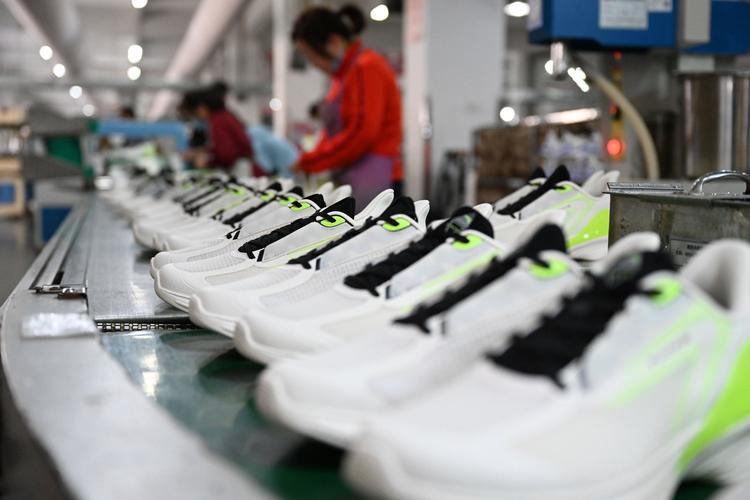
Production includes:
- Material cutting
- Upper stitching
- Sole preparation
- Shoe assembly
- Gluing
- Lasting
- Finishing
- Cleaning
Typical production time:
- Small orders (300–500 pairs): 20–30 days
- Medium orders (1,000–3,000 pairs): 30–40 days
- Large orders (5,000+ pairs): 40–60 days
Step 6: Quality Inspection
Professional factories inspect products throughout production.
Inspection includes:
- Raw material inspection
- Cutting inspection
- Stitching inspection
- Assembly inspection
- Finished product inspection
- Packaging inspection
Some buyers also arrange third-party pre-shipment inspections before delivery.
Step 7: Packaging
Packaging usually requires:
- Folding tissue paper
- Inserting shoe supports
- Packing into custom shoe boxes
- Applying labels and barcodes
- Loading export cartons
Custom packaging generally adds 2–5 days to the schedule.
Step 8: International Shipping
After production, shoes are shipped to the destination country.
Estimated transit times:
Sea Freight
- Asia: 5–15 days
- Europe: 30–40 days
- North America: 25–40 days
- Australia: 18–30 days
Air Freight
- Worldwide: 3–10 days
Express Courier
- DHL, UPS, FedEx: 3–7 days
The best shipping method depends on your delivery deadline and budget.
Factors That Affect Production Lead Time
Several factors influence manufacturing schedules:
Order Quantity
Larger orders require longer production.
Material Availability
Special materials may take extra time to source.
Customization Level
Custom outsoles, unique packaging, and new molds increase production time.
Peak Production Seasons
Factories are busiest before major holidays and sales seasons.
Common busy periods include:
- Before Chinese New Year
- Summer export season
- Christmas production season
Planning orders early helps avoid delays.
Factory Capacity
Experienced manufacturers with multiple production lines can often complete orders faster.
How to Reduce Production Time
Buyers can shorten lead times by:
- Finalizing designs before production
- Responding quickly to sample approvals
- Choosing standard materials
- Using existing outsole molds
- Limiting color variations
- Ordering before peak seasons
- Confirming packaging requirements early
Good communication with the factory is also essential.
Common Delays
Unexpected delays may result from:
- Material shortages
- Design revisions
- Sample modifications
- Holiday closures
- Shipping congestion
- Customs inspections
- Extreme weather conditions
Allowing extra time in your production schedule helps reduce risk.
Production Timeline Example
Example order:
- Product: Custom sports shoes
- Quantity: 1,000 pairs
Estimated schedule:
- Design confirmation: 2 days
- Material sourcing: 7 days
- Sample production: 10 days
- Sample approval: 5 days
- Mass production: 30 days
- Inspection: 3 days
- Packaging: 3 days
- Sea freight to Europe: 35 days
Total estimated time: approximately 95 days from design confirmation to final delivery.
Why Experienced Manufacturers Deliver Faster
Reliable shoe manufacturers benefit from:
- Stable material suppliers
- Skilled production teams
- Modern equipment
- Efficient production planning
- Strict quality management
- Export experience
- Strong logistics coordination
These advantages help reduce delays while maintaining product quality.
Conclusion
Understanding shoe production lead times helps buyers plan inventory, marketing campaigns, and product launches more effectively. While a standard custom shoe order usually requires 35–60 days for manufacturing, total delivery time depends on sampling, production, inspection, and shipping.
Working with an experienced Chinese shoe manufacturer, confirming product details early, and choosing the right shipping method can significantly improve delivery efficiency and ensure your products arrive on schedule.
FAQ
Q1: How long does custom shoe production take?
Most custom shoe orders require 35–60 days for manufacturing after sample approval.
Q2: How long does sample production take?
Samples are typically completed within 7–15 days, depending on the design and materials.
Q3: What is the fastest shipping option?
Express courier services such as DHL, UPS, and FedEx usually deliver within 3–7 days, while air freight generally takes 3–10 days.
Q4: Why are some orders delayed?
Common reasons include material shortages, design changes, peak production seasons, customs clearance, and shipping congestion.
Q5: How can I reduce production lead times?
Finalize your design early, approve samples promptly, choose standard materials when possible, and place orders before peak manufacturing seasons.


No reply content