
Plastic Pallet Factory
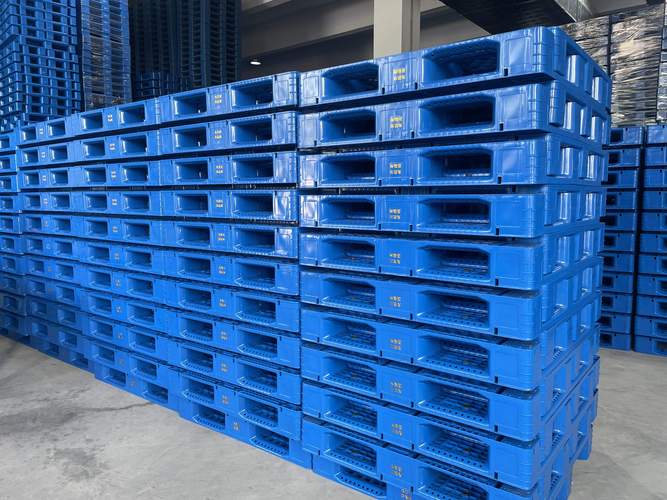
China is one of the world’s largest producers of plastic pallets, supplying businesses across logistics, manufacturing, retail, food processing, pharmaceuticals, agriculture, and e-commerce. For importers, sourcing directly from Chinese manufacturers offers competitive pricing and extensive customization options.
However, plastic pallet prices can vary significantly depending on materials, design, load capacity, production method, and order quantity. Understanding these factors helps buyers compare quotations accurately and make cost-effective purchasing decisions.
This guide explains what affects plastic pallet pricing in China, provides estimated price ranges, and offers practical advice for reducing procurement costs without compromising quality.
Why Buy Plastic Pallets from China?
Chinese manufacturers offer several advantages:
-
Competitive factory-direct pricing
-
Advanced injection and blow molding technology
-
Large-scale production capacity
-
OEM and ODM customization
-
Experienced export teams
-
Wide selection of pallet designs
-
Reliable international shipping support
These advantages make China a preferred sourcing destination for global buyers.
Average Plastic Pallet Prices in China
The following price ranges are typical for bulk orders. Actual prices depend on specifications, raw materials, and market conditions.
Plastic Pallet Type |
Estimated Factory Price (USD) |
|---|---|
Lightweight Nestable Plastic Pallet |
$8–15 |
Standard Export Plastic Pallet |
$12–25 |
Heavy-Duty Injection Molded Pallet |
$25–45 |
Rackable Plastic Pallet |
$30–60 |
Blow Molded Plastic Pallet |
$40–80 |
Food-Grade Plastic Pallet |
$25–55 |
Steel-Reinforced Plastic Pallet |
$40–90 |
Custom OEM Plastic Pallet |
Depends on design and quantity |
These estimates are intended as a reference. Buyers should request quotations based on their exact requirements.
Factors That Affect Plastic Pallet Prices
Raw Material
The material used has the greatest impact on price.
Common options include:
-
Virgin HDPE
-
Virgin PP
-
Recycled HDPE
-
Recycled PP
Virgin materials generally provide better durability and impact resistance but cost more than recycled materials.
Production Method
Different manufacturing processes require different equipment and tooling.
Injection Molded Pallets
Advantages:
-
High dimensional accuracy
-
Excellent strength
-
Long service life
-
Suitable for warehouse racking
Injection molded pallets are typically priced higher than lightweight alternatives because of their superior performance.
Blow Molded Pallets
Blow molded pallets are known for:
-
Excellent impact resistance
-
Heavy-duty applications
-
Long outdoor service life
Their production process often results in a higher selling price.
Load Capacity
Higher load ratings require stronger structural designs and more raw material.
Buyers should specify:
-
Static load capacity
-
Dynamic load capacity
-
Racking load capacity
Providing these requirements allows manufacturers to recommend the most suitable product and prepare an accurate quotation.
Size and Dimensions
Larger pallets consume more material and therefore cost more.
Popular standard sizes include:
-
1200 × 1000 mm
-
1200 × 800 mm
-
1100 × 1100 mm
-
1140 × 1140 mm
Custom dimensions may require new molds or production adjustments, increasing overall costs.
Order Quantity
Bulk purchasing significantly reduces the unit price.
Large production runs provide:
-
Lower manufacturing costs
-
Better material purchasing efficiency
-
Reduced setup costs
-
More competitive quotations
Many factories offer volume discounts for repeat or high-volume orders.
Customization Costs
OEM and ODM services may include:
-
Custom colors
-
Company logo
-
RFID chips
-
Barcode labels
-
Anti-slip surfaces
-
Steel reinforcement
-
Special packaging
-
Custom dimensions
Simple customizations usually add only a small cost, while completely new mold development requires a larger initial investment.
Mold Development Costs
If a completely new pallet design is required, manufacturers may need to produce a dedicated mold.
The final cost depends on:
-
Product complexity
-
Mold size
-
Steel quality
-
Expected production volume
For long-term projects, mold costs can often be spread across future production orders.
Packaging and Shipping Costs
Product price is only part of the total import cost.
Buyers should also consider:
-
Export packaging
-
Inland transportation
-
Ocean freight
-
Air freight (for samples)
-
Customs clearance
-
Import duties
-
Local delivery
Optimizing container loading can reduce freight costs per pallet.
Certifications
Certified products may have slightly higher manufacturing costs but provide greater confidence and market acceptance.
Common certifications include:
-
ISO 9001
-
ISO 14001
-
Food-contact compliance where applicable
-
RoHS compliance (if required)
-
REACH compliance (for relevant markets)
Always verify certificates before placing a large order.
How to Get an Accurate Quotation
When contacting a manufacturer, provide:
-
Required pallet dimensions
-
Material preference
-
Static load requirement
-
Dynamic load requirement
-
Racking load requirement
-
Quantity
-
Color requirements
-
Logo requirements
-
Destination country
-
Expected delivery schedule
Complete information enables suppliers to prepare precise and competitive quotations.
Tips for Reducing Purchasing Costs
Importers can lower procurement costs by:
-
Ordering in larger quantities
-
Choosing standard pallet sizes
-
Using existing molds when possible
-
Planning purchases in advance
-
Comparing multiple qualified manufacturers
-
Consolidating shipments
-
Establishing long-term supplier relationships
Cost savings should never come at the expense of product quality or reliability.
Common Mistakes Buyers Make
Avoid these common sourcing errors:
-
Selecting suppliers based only on the lowest price
-
Ignoring material quality
-
Overlooking load capacity requirements
-
Failing to request product samples
-
Not checking factory certifications
-
Underestimating shipping costs
-
Ignoring after-sales support
A low purchase price may lead to higher replacement costs if pallet quality is poor.
Why Direct Factory Purchasing Is Beneficial
Buying directly from a manufacturer offers several advantages:
-
Factory pricing without trading company markups
-
Faster communication
-
Better technical support
-
Easier customization
-
Stable production schedules
-
Improved quality control
-
Long-term business cooperation


No reply content