Guangzhou Forklift Manufacturing Factory
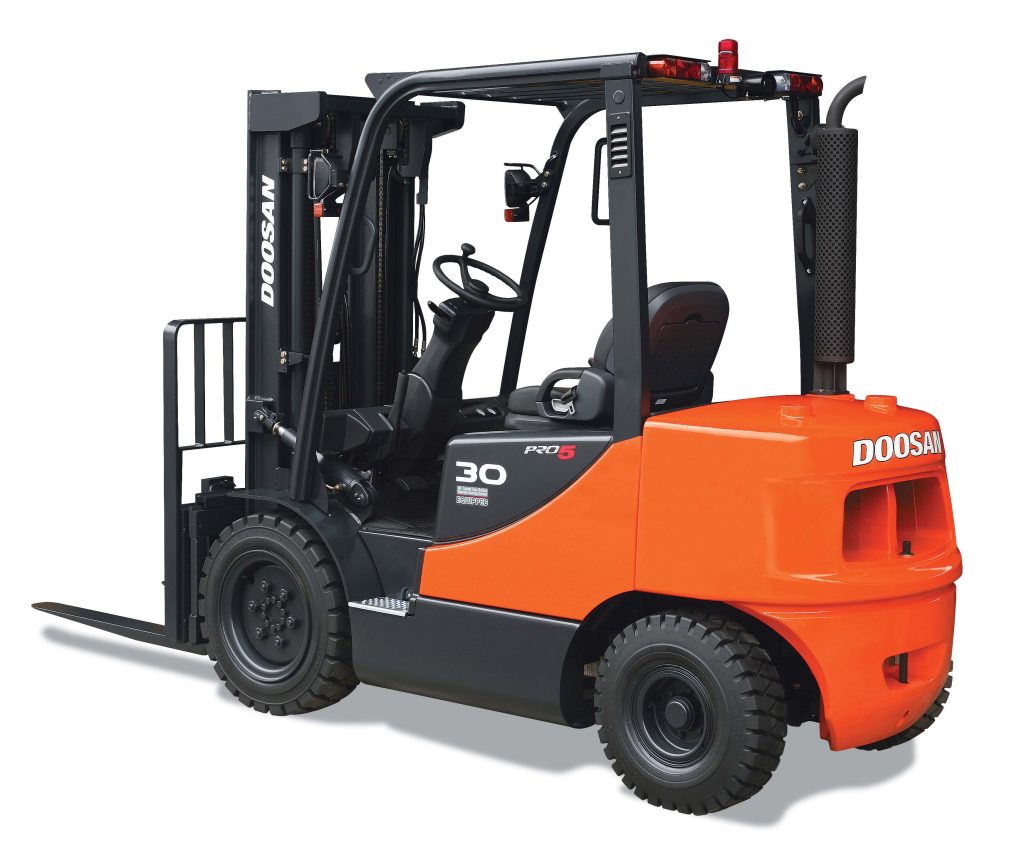
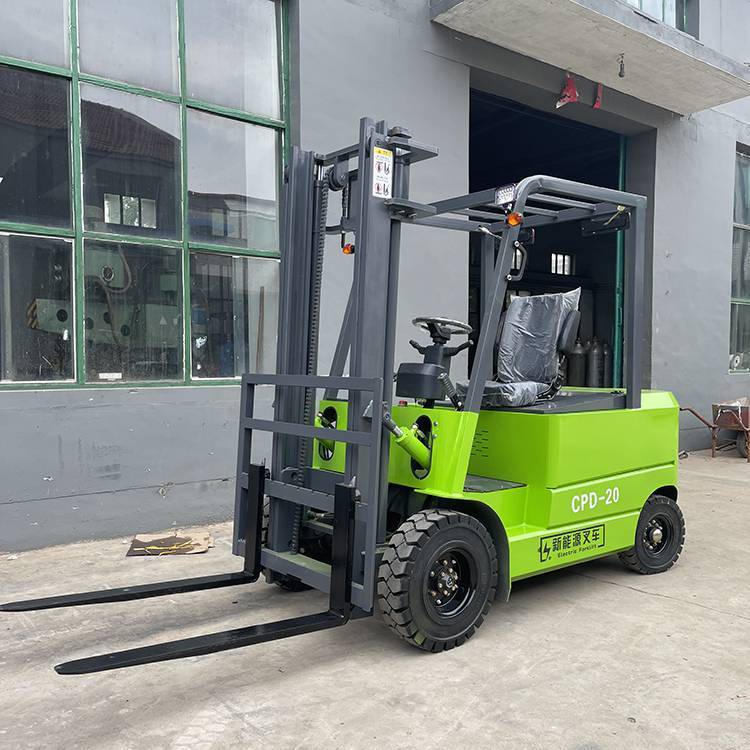
How Much Does a High-Quality Forklift Weigh?
When it comes to industrial equipment, few machines are as essential—or as deceptively heavy—as the forklift. Whether navigating crowded warehouses, loading shipping containers, or moving steel beams on construction sites, forklifts are workhorses of modern logistics. But how much does a high-quality forklift actually weigh? The answer is more nuanced than it seems, shaped by design, capacity, and purpose.
The Range: From Compact to Heavy-Duty
High-quality forklifts span a broad weight spectrum, typically falling between 3,000 pounds (1.36 metric tons) and 20,000+ pounds (9+ metric tons). At the lighter end are compact electric models, often used in retail backrooms or small warehouses. These “walkie stackers” or narrow-aisle forklifts might weigh around 3,000–5,000 pounds, prioritizing maneuverability over raw lifting power.
Mid-range models—common in manufacturing and distribution centers—usually tip the scales at 8,000–12,000 pounds. These are the versatile workhorses most people picture: sit-down, counterbalance forklifts with 5,000–10,000-pound load capacities. Their weight isn’t arbitrary; it’s carefully engineered to balance stability and mobility.
At the top end, heavy-duty forklifts designed for logging, steel mills, or container terminals can exceed 20,000 pounds. Some specialized models, like those lifting 30,000+ pounds, may even approach 30,000–40,000 pounds. This heft isn’t just about size—it’s about safety. A heavier machine is less likely to tip when handling heavy loads, especially on uneven surfaces.
Why Weight Matters: Stability vs. Portability
A forklift’s weight is no accident. It directly impacts its stability ratio—the relationship between the machine’s own mass and the weight it can lift. For example, a 10,000-pound forklift rated to lift 5,000 pounds has a 2:1 stability ratio, a common standard. If it were too light, even a moderate load could cause it to tip forward or sideways, risking damage or injury.
But there’s a trade-off. Lighter forklifts (like electric walkies) sacrifice some lifting capacity for easier transport—they can be loaded onto standard trailers without special permits. Heavier models, while more stable, require reinforced floors, wider aisles, and sometimes even structural upgrades to the building they operate in.
What Makes a Forklift “High-Quality”?
Weight alone doesn’t define quality, but it’s tied to other key features. High-end forklifts use durable materials (like high-strength steel frames), precision engineering (to minimize stress points), and advanced systems (e.g., load-sensing hydraulics). These factors add weight but also extend lifespan and reduce maintenance.
For instance, a premium electric forklift might weigh 1,000 pounds more than a budget model due to a thicker battery casing, reinforced masts, and better insulation. That extra weight translates to years of reliable service, even in harsh conditions.
Beyond the Numbers: Context Is Key
Ultimately, the “right” weight depends on the job. A 4,000-pound electric forklift is perfect for a grocery warehouse but useless for unloading 20-foot shipping containers. Conversely, a 25,000-pound diesel forklift would be overkill—and potentially damaging—in a narrow retail storage area.
So, when asking, “How much does a high-quality forklift weigh?” the better question is, “What weight suits my needs?” Quality isn’t just about the number on the scale; it’s about matching that weight to the task, ensuring safety, efficiency, and long-term value.
In the world of material handling, a forklift’s weight tells a story—of engineering, purpose, and the balance between power and practicality. And for anyone investing in one, understanding that story is the first step to making the right choice.
Article Link:
How Much Does a High-Quality Forklift Weigh?


No reply content