
China Professional Hair Clipper Manufacturing Co., Ltd.
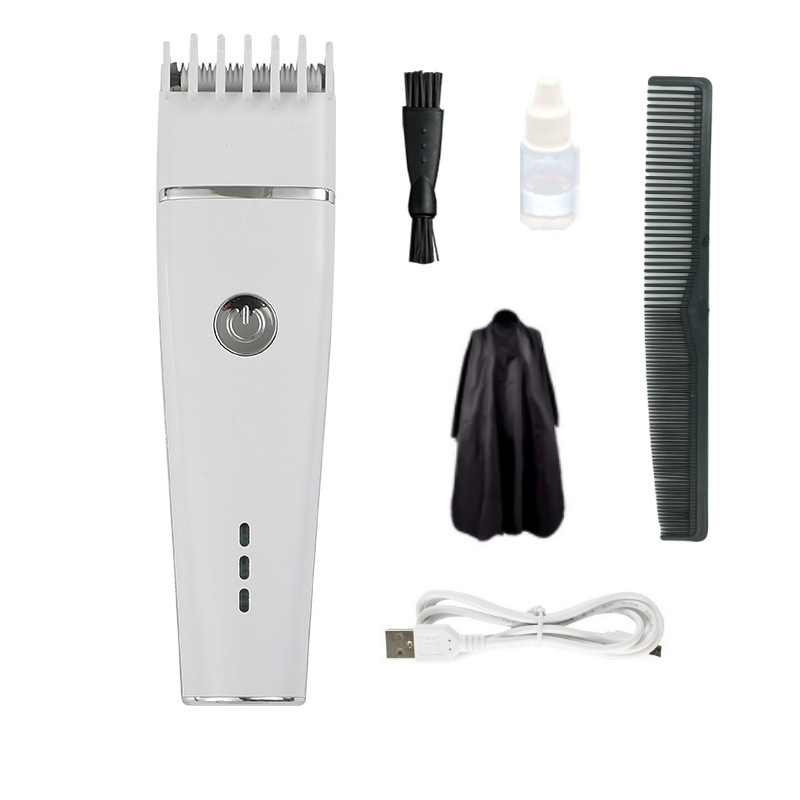
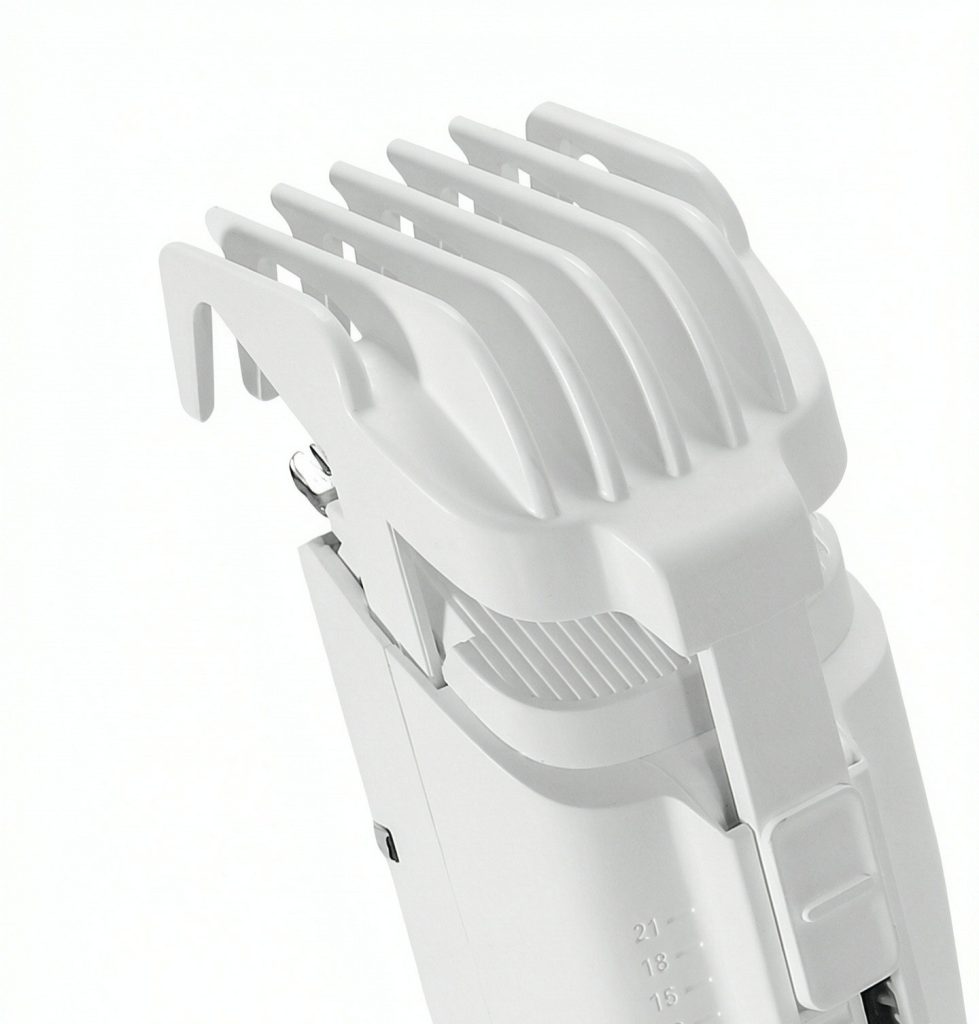
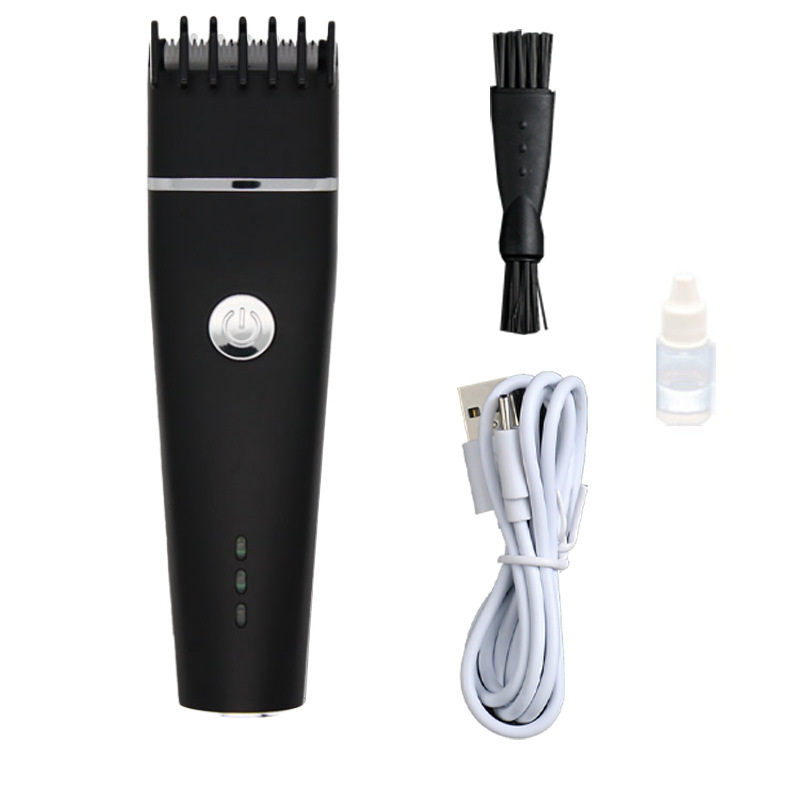
The cost of a rechargeable hair clipper can vary significantly depending on the motor, battery capacity, blade material, housing, accessories, customization, order quantity, and manufacturing location.
For buyers sourcing directly from China, factory pricing can be considerably different from retail pricing. However, comparing only the unit price can lead to costly mistakes. A lower-priced clipper may use a smaller battery, less powerful motor, lower-cost blades, simpler electronics, or cheaper packaging.
For importers, distributors, barbershop suppliers, and private-label brands, the right question is not simply “How much does a rechargeable hair clipper cost?” but rather:
“What specifications and quality level am I getting for the quoted price?”
This guide explains the main factors affecting rechargeable hair clipper prices and provides practical price ranges for buyers planning to source from China.
Rechargeable Hair Clipper Price Ranges
For international B2B buyers, a general factory-level price structure may look like this:
Product Type
|
Approximate Factory Price*
|
Basic rechargeable clipper
|
US$5–10
|
Standard rechargeable clipper
|
US$8–15
|
Professional barber clipper
|
US$15–30
|
Premium professional clipper
|
US$25–50+
|
Private-label customized model
|
US$8–35+
|
Advanced OEM/ODM model
|
US$20–60+
|
*These are indicative manufacturing ranges rather than fixed quotations. Actual pricing depends on specifications, quantity, customization, packaging, certifications, and component costs.
A buyer ordering 100 pieces and a distributor ordering 5,000 pieces may receive completely different quotations for the same basic model.
What Determines the Price of a Rechargeable Hair Clipper?
Several major components directly influence the manufacturing cost.
1. Motor
The motor is one of the most important components in a rechargeable clipper.
A basic consumer clipper may use a relatively economical motor, while professional barber equipment may require a higher-performance motor designed for frequent and continuous operation.
Motor specifications can affect:
-
Cutting power
-
Speed
-
Torque
-
Noise
-
Vibration
-
Heat
-
Battery consumption
-
Operating stability
A higher RPM does not automatically mean a better product. Buyers should evaluate the motor together with the blade system and overall product design.
2. Battery Capacity
Rechargeable hair clippers may use batteries with different capacities and specifications.
For example, a manufacturer may offer configurations around:
-
1,000 mAh
-
1,400 mAh
-
2,000 mAh
-
2,500 mAh
-
3,000 mAh or higher
Increasing battery capacity generally increases material cost, but capacity alone does not determine actual runtime.
Motor efficiency, circuit design, battery quality, and operating conditions all influence how long the clipper can operate.
When comparing quotations, ask for both battery capacity and tested operating time.
3. Blade Material
Blade construction has a direct effect on cutting performance and durability.
Depending on the model, manufacturers may offer stainless steel, ceramic, carbon steel, titanium-coated, or other blade configurations.
The price can change depending on:
-
Blade material
-
Blade thickness
-
Manufacturing process
-
Coating
-
Precision
-
Adjustment mechanism
-
Replacement blade design
Professional barber clippers often require higher-quality blades because they may be used repeatedly throughout the day.
4. Housing Material
The outer housing can also affect cost.
Common options include different grades of plastic, reinforced polymers, aluminum components, metal finishes, and mixed-material construction.
A lightweight plastic housing may be suitable for home users, while professional products may use more durable materials to withstand frequent handling.
Custom housing designs can also increase development and tooling costs.
5. Display and Electronic Functions
Modern rechargeable hair clippers can include additional electronic functions such as:
-
Battery percentage display
-
Charging indicators
-
Speed adjustment
-
Overload protection
-
Charging protection
-
Travel lock
-
Digital display
-
Multiple operating modes
A simple LED indicator costs less than an advanced digital display.
Therefore, buyers should compare the complete electronic configuration rather than looking only at the product’s appearance.
6. Accessories
The accessories included with a clipper can significantly change the total factory price.
A basic product may include only:
-
Clipper
-
Charging cable
-
One or two guide combs
A professional kit may include:
-
Multiple guide combs
-
Cleaning brush
-
Lubricating oil
-
Protective cap
-
Charging stand
-
Storage case
-
Replacement blades
-
Additional accessories
If you are comparing two quotations, make sure the accessories are equivalent.
7. Packaging
Packaging can range from a simple color box to premium retail packaging.
Typical options include:
-
Brown carton
-
Standard color box
-
Customized retail box
-
Gift box
-
Magnetic box
-
Premium presentation box
-
Custom inserts
-
Printed manuals
-
Product labels
For private-label brands, packaging can become an important part of the product cost.
Rechargeable Hair Clipper Price by Buyer Type
Different buyers usually require different specifications.
Home Users
Home-use products generally prioritize:
-
Affordable pricing
-
Easy operation
-
Lightweight design
-
Moderate battery life
-
Simple maintenance
-
Basic accessories
A factory price around US$5–15 can cover many basic and standard configurations.
Barbershops
Professional barbers usually need:
-
Strong motor performance
-
Reliable blades
-
Longer operating time
-
Good ergonomics
-
Stable performance
-
Durable construction
A typical factory price may fall around US$15–30, depending on specifications.
Professional Grooming Brands
Brands targeting premium consumers may require:
-
Premium housing
-
Higher-performance motors
-
Better batteries
-
Advanced displays
-
Custom colors
-
Custom packaging
-
Improved blade systems
These products can reach US$25–50 or more at the factory level.
Private-Label Brands
Private-label pricing varies widely because customization can range from simple logo printing to complete product development.
A private-label project may start around US$8–15 per unit for an existing model with basic branding, while more customized projects can exceed US$30 per unit.
How MOQ Affects Rechargeable Hair Clipper Pricing
MOQ is one of the most important factors in B2B purchasing.
Suppose a manufacturer provides these hypothetical quotations:
Order Quantity
|
Example Unit Price
|
100 pcs
|
US$14.00
|
500 pcs
|
US$12.00
|
1,000 pcs
|
US$10.80
|
3,000 pcs
|
US$9.50
|
10,000 pcs
|
US$8.20
|
These numbers are examples only, but they demonstrate how manufacturing economies of scale can influence pricing.
Larger orders allow manufacturers to spread tooling, setup, purchasing, labor, and packaging costs across more units.
However, buying more products simply to obtain a lower unit price is not always financially sensible.
Calculate your expected sales, inventory turnover, storage cost, and cash flow before increasing your order quantity.
OEM and Private-Label Costs
If you want to sell rechargeable hair clippers under your own brand, separate the project into several cost categories.
Existing Model + Logo
This is usually the simplest option.
You may only need:
-
Logo printing
-
Custom packaging
-
User manual
-
Product labels
This approach normally requires less development work.
Existing Model + Custom Color
This may require additional production planning and potentially a higher MOQ.
Custom Housing
A completely different housing design may require tooling or mold development.
Tooling costs can be separate from the product unit price.
Full ODM Development
A new product may involve:
-
Industrial design
-
Engineering
-
Prototype development
-
Electronic development
-
Mold development
-
Testing
-
Certification
-
Trial production
-
Mass production
The total project cost can therefore be much higher than simply purchasing an existing model.
Hidden Costs Buyers Should Consider
The factory unit price is not the final landed cost.
International buyers should also consider:
-
Product packaging
-
Customization
-
Tooling
-
Certification
-
Testing
-
Inspection
-
Domestic transportation
-
International freight
-
Customs duties
-
Import taxes
-
Warehousing
-
Insurance
-
Payment fees
-
Replacement parts
-
After-sales service
For example, a clipper quoted at US$10 may have a significantly higher final cost after international shipping, taxes, customs clearance, and other expenses.
Always calculate the landed cost before deciding whether a quotation is competitive.
How to Compare Two Hair Clipper Quotations
Suppose Supplier A quotes US$8 and Supplier B quotes US$11.
At first glance, Supplier A appears cheaper.
But after checking the specifications, you may discover:
Specification
|
Supplier A
|
Supplier B
|
Motor
|
Basic
|
Professional
|
Battery
|
1,000 mAh
|
2,000 mAh
|
Runtime
|
Shorter
|
Longer
|
Blade
|
Standard
|
Premium
|
Display
|
LED
|
Digital
|
Packaging
|
Basic
|
Custom
|
Accessories
|
3 pcs
|
7 pcs
|
Warranty
|
Limited
|
Longer
|
Supplier B may provide substantially better value despite the higher unit price.
This is why B2B buyers should compare total specifications and total cost, not just the headline quotation.
How to Get an Accurate Hair Clipper Quotation
When contacting a manufacturer, provide as much information as possible.
A useful RFQ should include:
Product type: Rechargeable hair clipper
Target market: USA / Europe / Middle East / Southeast Asia / etc.
Estimated quantity: 500 / 1,000 / 5,000 units
Battery requirement: For example, 2,000 mAh
Motor: Standard or professional
Blade: Stainless steel / ceramic / other
Branding: Logo customization
Packaging: Custom retail box
Accessories: Specify required accessories
Certification: Requirements for your target market
Delivery: Required production schedule and shipping destination
The more precise your specifications are, the more useful the quotation will be.
How Long Does Production Take?
Production time depends on the product and order quantity.
Typical planning ranges may look like:
Project Type
|
Approximate Production Time
|
Standard stocked model
|
3–10 days
|
Standard bulk order
|
10–25 days
|
Logo customization
|
15–30 days
|
Custom packaging
|
20–35 days
|
Custom color
|
20–40 days
|
New OEM development
|
45–120+ days
|
These are planning ranges rather than guaranteed delivery times.
A manufacturer should confirm the production schedule after reviewing your actual specifications and quantity.
How to Reduce the Purchase Cost
There are several ways buyers can control costs without simply choosing the cheapest product.
Use an Existing Mold
Developing a completely new housing can be expensive.
Using an existing model with your own logo and packaging may reduce development costs.
Increase Order Quantity Carefully
Higher quantities can reduce unit prices, but only when the inventory can realistically be sold.
Simplify Packaging
Premium packaging can add significant cost.
For certain B2B distribution channels, simpler packaging may provide better overall economics.
Standardize Accessories
Adding unnecessary accessories increases product cost and shipping volume.
Compare Multiple Manufacturers
Request quotations from several qualified manufacturers using the same specifications.
This gives you a more meaningful price comparison.
Questions to Ask Before Accepting a Quotation
Before placing a purchase order, ask:
-
Is the quotation based on the exact specification I requested?
-
What battery capacity is included?
-
What is the actual tested runtime?
-
What motor is used?
-
What material is the blade made from?
-
Which accessories are included?
-
Is the logo included?
-
Is custom packaging included?
-
Is tooling required?
-
What is the MOQ?
-
What is the sample cost?
-
What is the production lead time?
-
What certifications are available?
-
What is the warranty?
-
Are replacement parts available?
-
What are the payment terms?
-
What is the quotation validity period?
-
What shipping terms are available?
Getting these details in writing can prevent misunderstandings later.
FAQ
What is the average factory price of a rechargeable hair clipper in China?
A broad factory-level range can be approximately US$5–50+ per unit, depending on the product category and specifications. Basic models can be below US$10, while professional and customized models can cost substantially more.
The actual price should be based on the exact configuration and order quantity.
Are rechargeable hair clippers cheaper when purchased directly from a factory?
They can be, particularly for larger B2B orders, because buyers may reduce intermediary margins. However, buyers must also consider quality control, shipping, customs, certification, payment, and after-sales costs.
The lowest factory quotation is not necessarily the lowest total purchasing cost.
What is the MOQ for rechargeable hair clippers?
MOQ varies between manufacturers. Standard models may have relatively low MOQs, while private-label products, custom colors, packaging, molds, and ODM projects generally require higher quantities.
Ask each manufacturer for the MOQ based on your exact customization requirements.
How much does a private-label rechargeable hair clipper cost?
A basic private-label product may start around US$8–15 per unit at factory level, while more advanced customized products can reach US$30–50+.
The final price depends heavily on product configuration, order volume, branding, packaging, and development requirements.
Is a more expensive hair clipper always better?
No.
A higher price may reflect better components, but buyers should evaluate the actual specifications, sample performance, reliability, warranty, and quality-control system.
A well-designed mid-range clipper can offer better value than an expensive product with unnecessary features.
How can I reduce the cost of importing rechargeable hair clippers?
Start with an existing factory model, optimize the packaging, purchase an appropriate quantity, standardize accessories, compare multiple suppliers, and negotiate based on clear specifications.
Avoid reducing costs by using unsuitable batteries, poor-quality blades, or unreliable motors because this can create more expensive customer complaints later.
What is the best way to compare Chinese hair clipper manufacturers?
Send the same RFQ and specifications to several manufacturers. Compare their sample quality, factory capabilities, MOQ, price, customization options, certifications, production lead time, warranty, communication, and after-sales support.
This produces a much more reliable comparison than simply asking several suppliers for their “best price.”
Conclusion
The cost of a rechargeable hair clipper depends on much more than the product’s appearance.
Motor performance, battery capacity, blade quality, electronics, housing materials, accessories, packaging, customization, MOQ, testing, and production volume can all affect the final factory price.
For international buyers, a realistic factory-level budget can range from approximately US$5 for basic products to more than US$50 for premium or highly customized models.
The best purchasing strategy is to define your specifications first, request samples, compare equivalent products, calculate landed cost, and evaluate the supplier’s production and quality-control capabilities.
If you are building a private-label grooming brand, working with an experienced cordless hair clipper manufacturer in China can also make it easier to develop customized products, packaging, and long-term supply arrangements.


No reply content