
China Surfboard Yacht Customization Factory
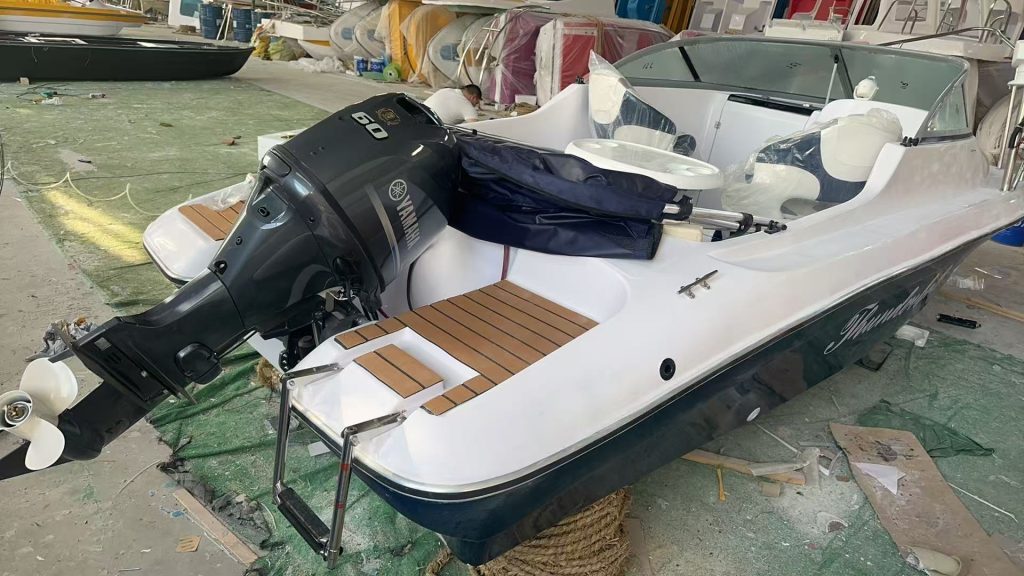
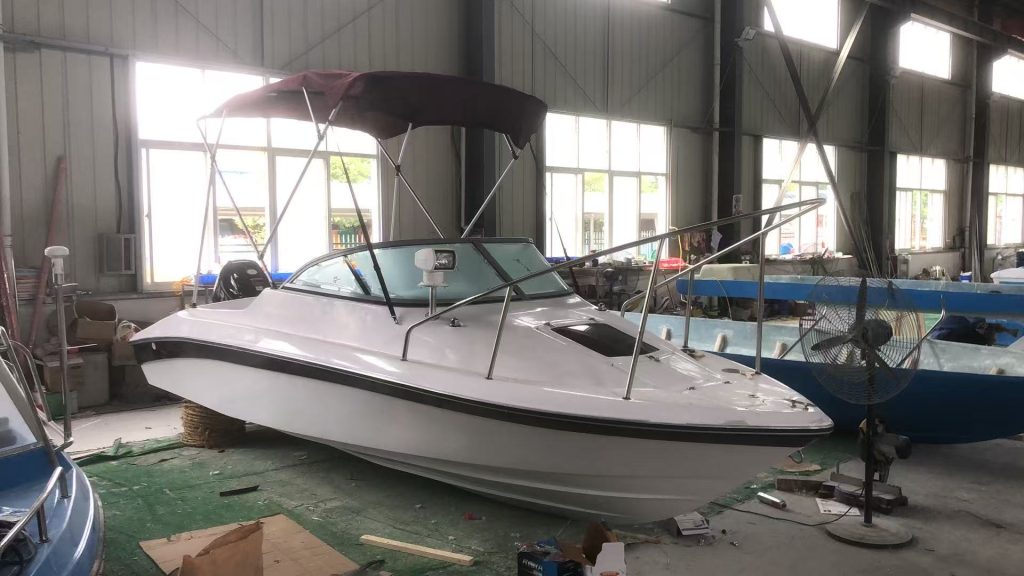
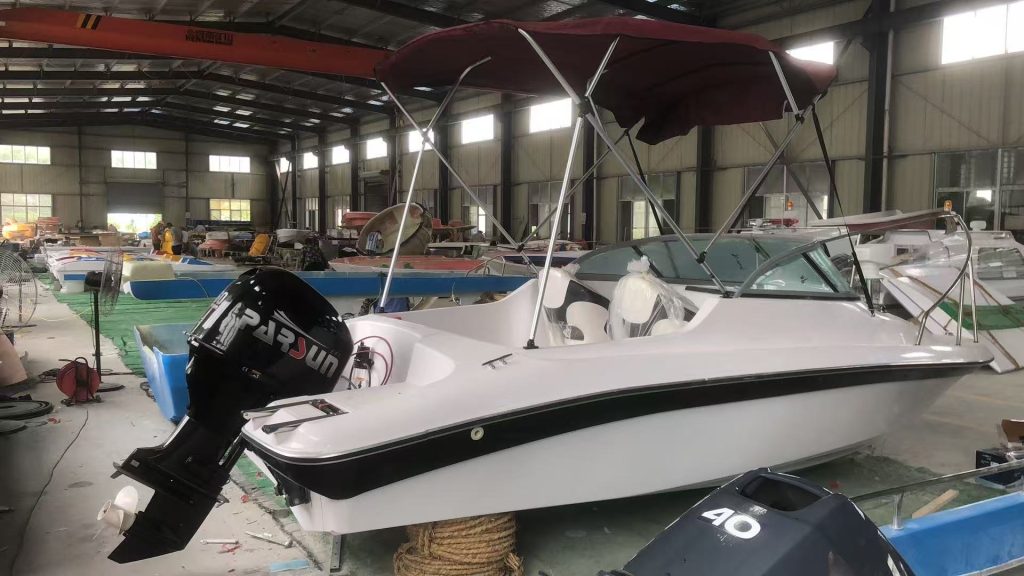
Buying a yacht directly from a Chinese manufacturer can provide international buyers with access to a wide range of models, materials, engines, layouts, and customization options. However, there is no single standard price for a yacht.
The final cost depends on the yacht’s size, hull material, engine, interior, electronics, equipment, customization level, production quantity, certification requirements, and shipping destination.
For buyers, the most useful question is not simply “How much is the yacht?” but rather “What exactly is included in the quoted price, and what will the total landed cost be?”
This guide explains the major factors that determine yacht prices when purchasing from China.
1. Why Yacht Prices Vary So Much
Two yachts with similar lengths can have completely different prices.
For example, the final price can change significantly based on:
-
Hull material
-
Yacht design
-
Engine brand
-
Engine power
-
Number of engines
-
Cabin configuration
-
Interior materials
-
Navigation equipment
-
Generator
-
Air conditioning
-
Battery system
-
Safety equipment
-
Entertainment equipment
-
Customization
-
Certification
-
Shipping
Therefore, comparing manufacturers only by the advertised starting price can be misleading.
2. Main Yacht Price Categories
A useful way to evaluate the market is to divide yachts into several broad categories.
Small Recreational Boats
Smaller boats generally have simpler designs and fewer systems.
They may be used for:
-
Fishing
-
Day cruising
-
Water sports
-
Tourism
-
Personal recreation
The price can be considerably lower than that of a fully equipped cruising yacht.
Mid-Size Motor Yachts
These vessels typically offer more:
-
Cabin space
-
Passenger capacity
-
Engine power
-
Navigation equipment
-
Interior facilities
-
Storage
As the size and equipment increase, the overall project cost also increases.
Luxury Yachts
Luxury yachts can include extensive:
-
Interior customization
-
Premium materials
-
Multiple cabins
-
Advanced navigation systems
-
Larger engines
-
Generators
-
Air conditioning
-
Entertainment systems
The price is therefore strongly influenced by the owner’s specifications.
3. Hull Material and Its Effect on Price
The hull is one of the largest components of a yacht.
Fiberglass
Fiberglass is widely used for recreational yachts.
Cost is affected by:
-
Hull size
-
Lamination method
-
Resin system
-
Reinforcement
-
Core materials
-
Interior structure
-
Finishing
A fiberglass yacht is not automatically inexpensive. Construction quality and design complexity can significantly affect the final price.
Aluminum
Aluminum yachts can be suitable for specific designs and applications.
Price depends on:
-
Aluminum alloy
-
Material quantity
-
Hull design
-
Welding
-
Structural reinforcement
-
Interior
-
Equipment
For commercial or specialized vessels, aluminum may provide useful performance characteristics.
Steel
Steel is more commonly associated with certain larger or specialized vessels.
The cost depends on vessel size, structural requirements, corrosion protection, interior, and equipment.
4. Engine Choice Is a Major Cost Factor
The engine can have a significant impact on the total yacht price.
Potential propulsion options include:
-
Outboard engines
-
Inboard diesel engines
-
Gasoline engines
-
Waterjets
-
Conventional propeller systems
-
Hybrid systems
The quotation should identify:
-
Engine manufacturer
-
Engine model
-
Horsepower
-
Number of engines
-
Gearbox
-
Propeller
-
Fuel system
A quotation that simply states “powerful engine” is not detailed enough for accurate comparison.
5. Engine Power and Yacht Performance
Higher engine power generally affects both purchase cost and operating cost.
However, more horsepower is not automatically better.
Engine selection should consider:
-
Hull design
-
Displacement
-
Desired cruising speed
-
Maximum speed
-
Fuel consumption
-
Operating environment
-
Passenger load
-
Cruising range
A professional manufacturer should recommend an appropriate propulsion configuration based on the vessel design.
6. Interior Configuration
Interior design can significantly affect yacht cost.
A basic interior may include:
-
Standard seating
-
Simple cabinets
-
Basic flooring
-
Standard lighting
-
Basic bathroom equipment
A higher-end interior may include:
-
Custom furniture
-
Premium upholstery
-
Special wood finishes
-
Designer lighting
-
Advanced entertainment systems
-
Custom kitchen
-
Luxury bathrooms
For an OEM yacht, buyers should specify materials clearly.
“Luxury interior” is not a sufficiently precise specification for a purchase contract.
7. Number of Cabins
More cabins generally mean more:
-
Construction materials
-
Furniture
-
Plumbing
-
Electrical wiring
-
Air conditioning
-
Lighting
-
Bathroom facilities
A yacht with one or two cabins can therefore have a substantially different production cost from a larger yacht with several cabins and bathrooms.
8. Navigation Equipment
Navigation equipment can range from basic systems to sophisticated electronics.
Potential equipment includes:
-
GPS
-
Chart plotter
-
Radar
-
AIS
-
VHF radio
-
Autopilot
-
Depth sounder
-
Fish finder
-
Compass
-
Navigation lights
Buyers should specify exact models when possible.
Different brands and equipment packages can create significant price differences.
9. Generator and Electrical Systems
Larger yachts may require more complex electrical systems.
Possible equipment includes:
-
Generator
-
House batteries
-
Starter batteries
-
Inverter
-
Battery charger
-
Shore power
-
Solar panels
-
Electrical distribution panels
The yacht’s electrical capacity should be designed according to expected loads.
A cheaper quotation may exclude equipment that another manufacturer includes as standard.
10. Air Conditioning
Air conditioning can be important for yachts operating in hot climates.
Cost depends on:
-
Cooling capacity
-
Number of cabins
-
Number of zones
-
Equipment brand
-
Installation
-
Electrical requirements
If the yacht will operate in a tropical market, air-conditioning requirements should be included in the initial specification.
11. Customization Costs
Customization can be divided into several levels.
Simple Customization
Examples:
-
Logo
-
Paint color
-
Upholstery
-
Accessories
Medium Customization
Examples:
-
Interior layout
-
Cabin configuration
-
Electronics
-
Engine options
-
Furniture
-
Special equipment
Major Customization
Examples:
-
New hull
-
Structural changes
-
New molds
-
Custom superstructure
-
Custom propulsion
-
New electrical architecture
Major customization can require engineering and tooling costs in addition to the yacht’s basic production price.
12. Mold and Tooling Costs
If an existing yacht platform can be used, tooling costs may be limited.
If the buyer wants a new hull or completely new exterior design, the manufacturer may need to develop:
-
Hull molds
-
Deck molds
-
Interior molds
-
Structural tooling
-
Custom components
These can be one-time project costs rather than recurring costs for every yacht.
The contract should clearly identify who owns the tooling and how it can be used.
13. Certification and Compliance Costs
Certification requirements depend on:
-
Yacht type
-
Length
-
Passenger capacity
-
Intended use
-
Destination
-
Flag state
-
Commercial or private operation
The buyer should identify the target market before production.
If certification requirements are discovered only after construction, modifications can be expensive and may delay delivery.
14. Inspection Costs
Professional inspection can add to the purchasing cost, but it can also reduce the risk of expensive problems.
Possible inspection stages include:
-
Factory inspection
-
Hull inspection
-
Structural inspection
-
Engine inspection
-
Electrical inspection
-
Final inspection
-
Sea trial
For a high-value yacht, an independent marine surveyor can be considered.
15. Shipping Costs From China
International yacht transportation is different from ordinary containerized cargo.
Depending on the yacht’s size, transportation may involve:
-
Specialized yacht transport
-
Heavy-lift operations
-
Roll-on/roll-off transportation
-
Container shipping for smaller vessels
-
Specialized marine logistics
Shipping cost depends on:
-
Yacht dimensions
-
Weight
-
Destination
-
Port
-
Route
-
Transport method
-
Handling requirements
The shipping quotation should specify exactly what services are included.
16. Import Costs
The factory price is only part of the buyer’s total expenditure.
Depending on the destination country, additional costs can include:
-
Import duties
-
Taxes
-
Customs clearance
-
Port charges
-
Local transportation
-
Registration
-
Inspection
-
Insurance
-
Storage
-
Commissioning
Buyers should calculate these costs before deciding whether a quoted yacht price is competitive.
17. Total Landed Cost
A useful calculation is:
Total Landed Cost = Yacht Price + Customization + Inspection + Shipping + Insurance + Import Costs + Local Charges
For example, a manufacturer may offer a lower factory price but charge more for:
-
Optional equipment
-
Packaging
-
Export preparation
-
Transportation
-
Customization
Another supplier may have a higher factory quotation but include more equipment.
Therefore, total landed cost is a better comparison than factory price alone.
18. How to Compare Three Manufacturers
Suppose you receive three quotations.
Cost Item |
Manufacturer A |
Manufacturer B |
Manufacturer C |
|---|---|---|---|
Base Yacht |
Quote |
Quote |
Quote |
Engine |
Included |
Optional |
Included |
Navigation |
Basic |
Advanced |
Basic |
Interior |
Standard |
Standard |
Premium |
Air Conditioning |
Optional |
Included |
Included |
Generator |
Optional |
Included |
Optional |
Customization |
Quote |
Quote |
Quote |
Inspection |
Separate |
Separate |
Included |
Shipping |
Separate |
Separate |
Separate |
Warranty |
Confirm |
Confirm |
Confirm |
The cheapest initial quotation may not be the cheapest complete solution.
19. Ask for an Itemized Quotation
A professional buyer should request a detailed quotation.
The quotation should identify:
Standard Equipment
What is included in the base price?
Optional Equipment
What costs extra?
Customization
What modifications are included?
One-Time Costs
Are there tooling, engineering, or development fees?
Logistics
Does the price include export preparation or transportation?
Taxes
Are destination taxes included or excluded?
This prevents misunderstandings later.
20. Questions to Ask the Manufacturer
Before ordering, ask:
-
What is included in the base yacht price?
-
Which engine is included?
-
What navigation equipment is included?
-
Is the generator included?
-
Is air conditioning included?
-
What interior materials are included?
-
What safety equipment is included?
-
What is the production lead time?
-
What is the warranty?
-
What certifications are available?
-
Can I inspect the yacht before delivery?
-
Can I conduct a sea trial?
-
What spare parts are included?
-
What is the shipping method?
-
Which costs are excluded?
These questions can reveal major differences between suppliers.
21. How to Reduce Yacht Purchasing Costs
Reducing cost does not necessarily mean choosing the cheapest manufacturer.
Instead, consider:
Use an Existing Hull Platform
An existing model can reduce engineering and tooling costs.
Standardize Components
Using proven engines and equipment can simplify procurement and maintenance.
Avoid Unnecessary Customization
Every design change can increase engineering and production costs.
Compare Equipment Packages
Different navigation and entertainment packages can have significant price differences.
Increase Order Quantity
For dealers or fleet operators, larger production quantities may improve manufacturing economics.
Plan Early
Late design changes can create additional engineering and production costs.
22. Why the Cheapest Quote Can Become Expensive
A low quotation may exclude:
-
Engine upgrades
-
Navigation equipment
-
Generator
-
Air conditioning
-
Safety equipment
-
Custom interior
-
Certification
-
Shipping
-
Inspection
The buyer may therefore discover that the final cost is substantially higher than the initial quotation.
Always compare complete specifications.
23. Payment and Production Milestones
For a customized yacht, payment terms should ideally be connected to clearly defined project milestones.
Possible milestones include:
-
Contract signing
-
Engineering approval
-
Production start
-
Hull completion
-
Equipment installation
-
Final inspection
-
Sea trial
-
Delivery
The exact payment structure should be negotiated according to the project and contractual terms.
24. Warranty and Long-Term Costs
The initial purchase price is not the only financial consideration.
Also consider:
-
Maintenance
-
Engine servicing
-
Replacement parts
-
Batteries
-
Electronics
-
Antifouling
-
Insurance
-
Mooring
-
Fuel
-
Winter storage
-
Local servicing
A yacht with a slightly higher purchase price may have advantages if it uses reliable, widely supported components.
25. Conclusion
The cost of buying a yacht from a Chinese manufacturer depends on much more than the vessel’s length or advertised factory price.
The major factors include hull material, yacht design, engine, electronics, interior, electrical systems, customization, certification, inspection, shipping, and destination-country costs.
The best way to compare Chinese yacht manufacturers is to provide every supplier with the same detailed specification and request an itemized quotation.
Instead of asking only, “What is the cheapest yacht?”, buyers should ask:
“What yacht specification can I obtain for my total budget, and what is included in the final delivered cost?”
This approach makes it easier to identify a manufacturer that provides the right combination of quality, equipment, customization, delivery, and overall value.
FAQ
1. How much does a yacht from China cost?
There is no universal price. Yacht prices vary according to size, hull material, engine, interior, equipment, customization, certification, and shipping requirements.
2. Is buying a yacht directly from China cheaper?
It can provide competitive manufacturing costs, but the final price depends on specifications, shipping, import duties, taxes, inspection, registration, and other destination costs.
3. What is usually included in the yacht factory price?
It depends on the manufacturer. The quotation may include the hull, standard engine, basic electrical system, interior, and selected equipment, while navigation equipment, generator, air conditioning, and customization may be optional.
4. Does a custom yacht cost more?
Generally, major customization can increase costs because of engineering, tooling, special materials, additional testing, and production complexity.
5. Can I choose the engine brand?
Depending on the yacht design and manufacturer, buyers may be able to choose from compatible engine brands and models.
6. How much does yacht shipping from China cost?
Shipping depends on yacht dimensions, weight, destination, port, transportation method, and handling requirements. A specific freight quotation is needed for an accurate calculation.
7. Are taxes included in the Chinese manufacturer’s quotation?
Usually, buyers should confirm this explicitly. Factory quotations may exclude destination import duties, taxes, customs clearance, port fees, and local delivery.
8. Should I use an independent marine surveyor?
For a high-value yacht, independent inspection can be a useful additional safeguard during construction and before final acceptance.
9. Can I reduce the yacht price by using an existing model?
Yes. Using an existing production platform can reduce engineering, tooling, and development costs compared with creating a completely new yacht design.
10. What is the biggest factor affecting yacht price?
There is no single factor. Yacht size, hull construction, engine, equipment, interior, customization, and certification can all have major effects.
11. Can I order several yachts from the same Chinese manufacturer?
Yes, depending on production capacity. Dealers, charter companies, and fleet operators can discuss standardized production of multiple vessels.
12. Does a larger engine always make the yacht more expensive?
Usually a larger or more powerful propulsion system can increase the equipment cost, but the overall impact depends on the complete vessel configuration.
13. Can the interior be customized?
Yes. Buyers can potentially customize cabin layouts, furniture, upholstery, flooring, lighting, bathrooms, kitchens, entertainment systems, and other interior elements.
14. What should I compare when reviewing yacht quotations?
Compare the complete technical specification, not only the headline price. Check engine, electronics, interior, generator, air conditioning, safety equipment, customization, warranty, inspection, certification, shipping, and excluded costs.
15. How can I get an accurate yacht quotation from a Chinese manufacturer?
Prepare a detailed specification including yacht type, dimensions, passenger capacity, engine requirements, interior layout, electronics, intended use, customization requirements, quantity, and destination market. Manufacturers can then provide a more accurate quotation based on the same requirements.
Article Link:
How Much Does a Yacht Cost From a Chinese Manufacturer?


No reply content