China agricultural product suppliers
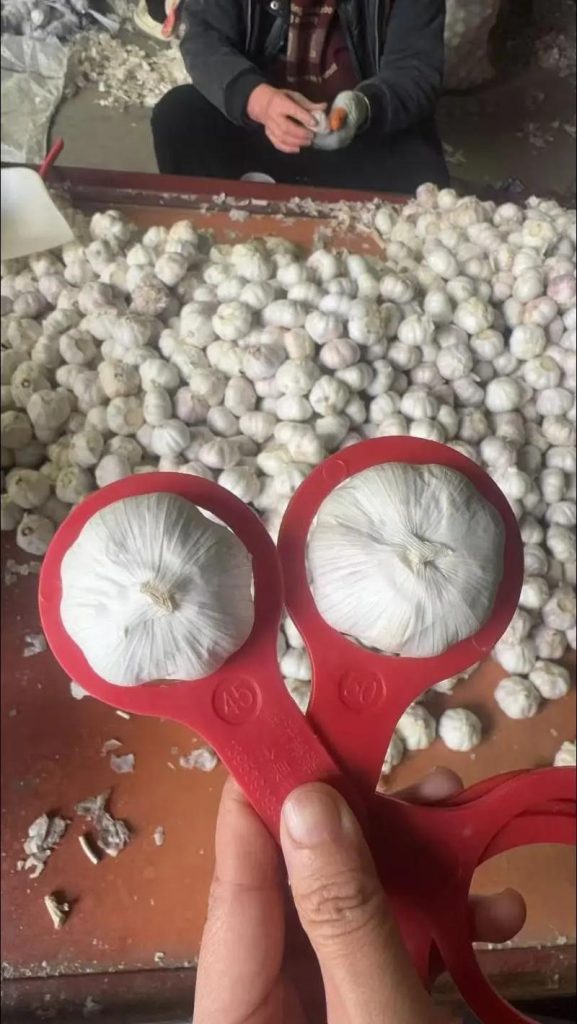
China is the world’s largest garlic producer and exporter, supplying fresh garlic, peeled garlic, garlic cloves, and processed garlic products to global markets. For international buyers, understanding garlic prices in China is essential for planning import costs, calculating profit margins, and choosing the right supplier.
However, garlic prices are not fixed. They change depending on harvest seasons, garlic size, quality grade, packaging requirements, order quantity, market demand, and shipping conditions.
This guide explains the main factors affecting garlic prices in China and helps importers understand how to get competitive quotations from reliable Chinese garlic suppliers.
Average Garlic Prices in China
Garlic prices vary throughout the year. The following are general reference ranges for bulk purchasing:
Garlic Product |
Estimated China Export Price |
|---|---|
Fresh White Garlic |
USD 900–1,800 per ton |
Premium Pure White Garlic |
USD 1,200–2,200 per ton |
Large Size Garlic (6.0cm+) |
USD 1,300–2,500 per ton |
Peeled Garlic |
USD 2,000–4,000 per ton |
Garlic Cloves |
USD 1,500–3,000 per ton |
Garlic Powder |
USD 2,000–5,000 per ton |
Actual prices depend on the season, supplier, quality specifications, and destination market.
Why Does Garlic Price Change?
Unlike industrial products, agricultural products are affected by many natural and market factors.
Main factors include:
-
Harvest volume
-
Weather conditions
-
Farming costs
-
Market demand
-
Export demand
-
Storage availability
-
Transportation costs
-
Currency exchange rates
Importers should monitor market trends and work with experienced suppliers to secure better purchasing opportunities.
Factors That Affect Garlic Prices
Garlic Size
Size is one of the biggest price factors.
Common export sizes:
-
4.5 cm
-
5.0 cm
-
5.5 cm
-
6.0 cm
-
6.5 cm
-
7.0 cm+
Larger garlic bulbs usually have higher prices because they are preferred by supermarkets and premium markets.
For example:
-
Medium size garlic → More economical
-
Large size garlic → Higher retail value
Garlic Quality Grade
Different quality levels have different prices.
Premium garlic usually has:
-
Bright white skin
-
Large bulbs
-
Uniform size
-
No damage
-
Longer storage life
Lower-grade garlic may be suitable for:
-
Food processing
-
Restaurants
-
Industrial use
Choosing the correct grade helps buyers balance cost and market demand.
Garlic Variety
Different garlic varieties have different market values.
Normal White Garlic
Advantages:
-
Competitive price
-
Large supply
-
Suitable for wholesale markets
Pure White Garlic
Advantages:
-
Premium appearance
-
Higher retail value
-
Popular in developed markets
Peeled Garlic
Higher price because it requires:
-
Processing labor
-
Cleaning
-
Sorting
-
Packaging
-
Cold storage
Harvest Season Impact
Garlic prices are usually affected by the annual harvest cycle.
During harvest season:
-
Supply increases
-
Prices may be lower
-
Buyers can negotiate larger orders
During off-season periods:
-
Storage costs increase
-
Supply decreases
-
Prices may rise
Experienced importers often purchase strategically based on seasonal price changes.
Packaging Costs
Packaging requirements also influence the final price.
Common packaging options include:
Mesh Bags
Suitable for:
-
Wholesale markets
-
Large volume shipments
Usually the most economical option.
Cartons
Advantages:
-
Better protection
-
Suitable for supermarkets
-
Professional appearance
Retail Packaging
Includes:
-
Small bags
-
Private labels
-
Custom designs
Retail-ready packaging increases costs but helps build brand value.
Order Quantity
Quantity directly affects the unit price.
Large orders usually receive better prices because manufacturers can reduce:
-
Packing costs
-
Labor costs
-
Production preparation costs
-
Logistics expenses
Bulk buyers often purchase by:
-
Container load
-
Multiple containers
-
Seasonal contracts
Shipping Costs and Import Expenses
The purchase price is only part of the total import cost.
Buyers should also consider:
-
Inland transportation in China
-
Export handling fees
-
Ocean freight
-
Insurance
-
Customs clearance
-
Import duties
-
Local delivery costs
A low factory price does not always mean the lowest total cost.
How to Get the Best Garlic Price from China
Professional buyers can reduce costs by following these strategies:
Buy Directly from Manufacturers
Direct factory purchasing helps avoid unnecessary middleman costs.
Order During the Right Season
Purchasing during harvest periods can provide better pricing opportunities.
Purchase Larger Volumes
Container-level orders usually receive more competitive quotations.
Choose Suitable Specifications
Not every market requires premium-sized garlic. Selecting the right size and grade can improve profitability.
Build Long-Term Supplier Relationships
Regular cooperation often provides:
-
Stable prices
-
Priority supply
-
Better payment terms
-
Faster communication
Questions to Ask Before Requesting a Quote
To receive an accurate garlic quotation, buyers should provide:
-
Garlic type
-
Garlic size
-
Quality requirements
-
Quantity
-
Packaging requirements
-
Destination country
-
Shipping method
-
Delivery time
A detailed inquiry helps manufacturers provide accurate pricing.
How to Choose a Reliable China Garlic Supplier
Price should not be the only consideration.
Evaluate suppliers based on:
-
Production capacity
-
Export experience
-
Quality certifications
-
Storage facilities
-
Processing capability
-
Customer reviews
-
Communication speed
-
Shipping experience
A reliable supplier helps prevent problems such as inconsistent quality, delayed shipments, and customs issues.
Common Mistakes When Buying Garlic
Importers should avoid:
-
Choosing the cheapest supplier without checking quality
-
Ignoring size specifications
-
Not requesting samples
-
Forgetting certification requirements
-
Underestimating shipping costs
-
Buying without understanding market demand


No reply content