
China Surfboard Yacht Customization Factory
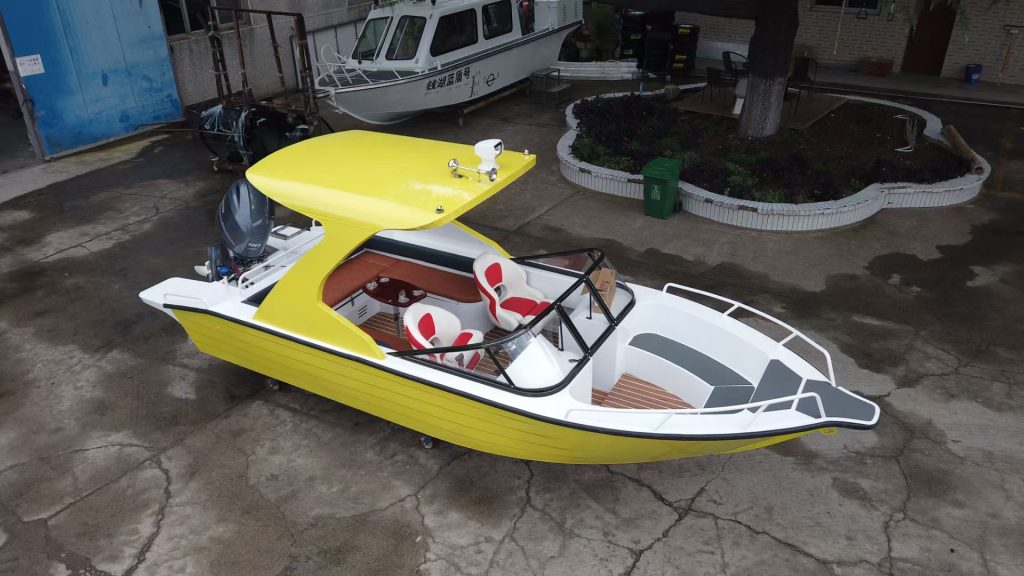
The cost of building a yacht with a Chinese manufacturer depends on far more than the yacht’s length. Hull material, engine configuration, interior design, navigation equipment, customization level, certification requirements, and delivery destination can all significantly affect the final price.
For international buyers, the most useful approach is to understand what determines the price and request a detailed quotation based on the same specifications from several manufacturers.
1. What Determines the Cost of a Yacht?
The main cost factors include:
-
Yacht length and beam
-
Hull construction material
-
Engine brand and power
-
Number of engines
-
Interior layout
-
Number of cabins
-
Marine electronics
-
Generator and battery system
-
Air conditioning
-
Plumbing and water systems
-
Furniture and interior materials
-
Safety equipment
-
Certification
-
Customization
-
Factory testing
-
Shipping and delivery
A 10-meter yacht with a standard configuration can have a completely different price from a 10-meter yacht equipped with premium engines, advanced navigation equipment, luxury interiors, and customized systems.
2. Yacht Size Has a Major Impact on Price
Generally, larger yachts require more materials, equipment, labor, engineering, and production time.
For example, increasing yacht length can affect:
-
Hull material consumption
-
Engine power requirements
-
Fuel capacity
-
Electrical capacity
-
Cabin space
-
Air-conditioning requirements
-
Structural reinforcement
-
Navigation equipment
-
Interior finishing
Therefore, buyers should avoid asking only, “How much is a 12-meter yacht?”
A better question is:
“What is the price of a 12-meter yacht with this exact specification?”
That makes quotations much easier to compare.
3. Hull Material Affects the Budget
Different hull materials have different manufacturing costs and characteristics.
Fiberglass Yachts
Fiberglass is widely used for recreational yachts because manufacturers can produce complex shapes and repeat established designs efficiently.
Costs depend on:
-
Fiberglass type
-
Resin system
-
Lamination method
-
Hull thickness
-
Structural reinforcement
-
Gelcoat or paint
-
Interior molding
Aluminum Yachts
Aluminum can be attractive for certain high-speed, commercial, fishing, and expedition applications.
The cost depends on:
-
Aluminum alloy
-
Plate thickness
-
Welding requirements
-
Structural design
-
Surface treatment
-
Interior installation
Steel Yachts
Steel can be used for larger vessels where strength and durability are important. However, corrosion protection and weight management must be considered.
The important point is that buyers should compare the complete construction specification, not simply the material name.
4. The Engine Can Significantly Change the Price
The propulsion system is often one of the largest equipment costs.
A quotation should specify:
-
Engine manufacturer
-
Engine model
-
Engine power
-
Number of engines
-
Gearbox
-
Propeller
-
Shaft system
-
Fuel system
-
Engine-control system
For example, replacing a standard engine configuration with premium engines can significantly increase the total yacht price.
Always ask for the exact engine model rather than accepting a description such as “high-performance diesel engine.”
5. Interior Design Can Create a Large Price Difference
Two yachts with identical dimensions can have very different prices because of their interiors.
Potential interior specifications include:
-
Wood veneer
-
Solid wood
-
Marine-grade flooring
-
Upholstery
-
Custom furniture
-
Kitchen equipment
-
Refrigerators
-
Ovens
-
Bathrooms
-
Showers
-
Beds
-
Lighting
-
Entertainment systems
A buyer who wants a practical family cruiser may prefer a different interior package from a buyer building a luxury charter yacht.
6. Marine Electronics Need to Be Specified
Navigation and communication equipment can also affect the final quotation.
Depending on the yacht, equipment may include:
-
GPS
-
Chartplotter
-
Radar
-
AIS
-
VHF radio
-
Autopilot
-
Depth sounder
-
Fish finder
-
Marine displays
-
Cameras
-
Satellite communication
The quotation should identify the equipment brand and model whenever possible.
Otherwise, two quotations that appear similar may actually contain very different equipment.
7. Electrical and Energy Systems
Modern yachts can require extensive electrical systems.
Typical components include:
-
Generator
-
Starting batteries
-
House batteries
-
Battery chargers
-
Inverters
-
Shore power
-
Distribution panels
-
Solar panels
-
Energy-management systems
-
LED lighting
Buyers should ask for the electrical capacity and equipment specifications rather than simply accepting “complete electrical system” as a quotation item.
8. Air Conditioning and Water Systems
Comfort systems can become important cost components, particularly on larger yachts.
The specification may include:
-
Marine air-conditioning system
-
Freshwater tanks
-
Water pumps
-
Water heaters
-
Black-water tanks
-
Gray-water systems
-
Watermaker
-
Waste-treatment equipment
The required capacity should correspond to the yacht’s size and expected passenger capacity.
9. Customization Increases the Cost
Standard production yachts are usually easier and faster to manufacture.
Customization can involve:
-
New cabin layouts
-
Additional bathrooms
-
Larger windows
-
Customized hull colors
-
Special furniture
-
Luxury interiors
-
Larger fuel tanks
-
Additional battery capacity
-
Different engines
-
Special navigation systems
-
Fishing equipment
-
Diving equipment
-
Tender storage
Every major modification can require additional engineering and production work.
Therefore, buyers should finalize the main specifications before requesting a final quotation.
10. Certification and Compliance Costs
The yacht’s destination market matters.
A yacht intended for private recreational use may have different requirements from a commercial passenger vessel.
Depending on the destination and application, buyers may need to consider:
-
Vessel registration
-
Safety requirements
-
Recreational craft regulations
-
Commercial vessel regulations
-
Radio requirements
-
Navigation equipment
-
Emissions requirements
-
Classification
-
Inspection and certification
Tell the manufacturer the intended destination and usage before production starts.
This helps prevent unexpected certification costs later.
11. Factory Price Is Not the Same as Landed Cost
International buyers should distinguish between the factory price and the total delivered cost.
The total project budget may include:
Yacht manufacturing cost + optional equipment + certification + factory inspection + inland transportation + export documentation + loading + ocean freight + insurance + destination charges + import taxes and other local costs
For a large yacht, transportation can require special planning.
Depending on yacht dimensions, delivery may involve:
-
Heavy-lift vessels
-
Flat-rack or specialized transportation
-
Yacht transport vessels
-
Containerized components for certain smaller vessels
-
Special inland transportation
-
Port handling
Therefore, buyers should request a separate logistics quotation.
12. How to Compare Chinese Yacht Manufacturers
Do not simply collect five prices and select the lowest one.
Instead, create a comparison sheet.
Specification |
Supplier A |
Supplier B |
Supplier C |
|---|---|---|---|
Yacht length |
|||
Beam |
|||
Hull material |
|||
Engine |
|||
Generator |
|||
Navigation equipment |
|||
Air conditioning |
|||
Interior specification |
|||
Certification |
|||
Warranty |
|||
Production time |
|||
Shipping cost |
|||
Total project cost |
This makes hidden differences much easier to identify.
13. Ask for a Detailed Yacht Quotation
A professional quotation should clearly separate:
Standard Equipment
For example:
-
Hull
-
Engines
-
Electrical system
-
Navigation equipment
-
Interior
-
Plumbing
-
Safety equipment
Optional Equipment
For example:
-
Radar
-
Watermaker
-
Solar panels
-
Premium sound system
-
Additional refrigerator
-
Diving platform
-
Fishing equipment
-
Special furniture
Additional Services
For example:
-
Certification
-
Factory inspection
-
Sea trial
-
Export documentation
-
Transportation
-
Spare parts
This prevents unexpected costs after the order is placed.
14. Do Not Focus Only on the Initial Price
A cheaper yacht can become more expensive over its operating life if it uses:
-
Difficult-to-source components
-
Poor-quality electrical equipment
-
Inefficient engines
-
Low-quality pumps
-
Difficult-to-maintain systems


No reply content