
China Custom Clothing Manufacturer
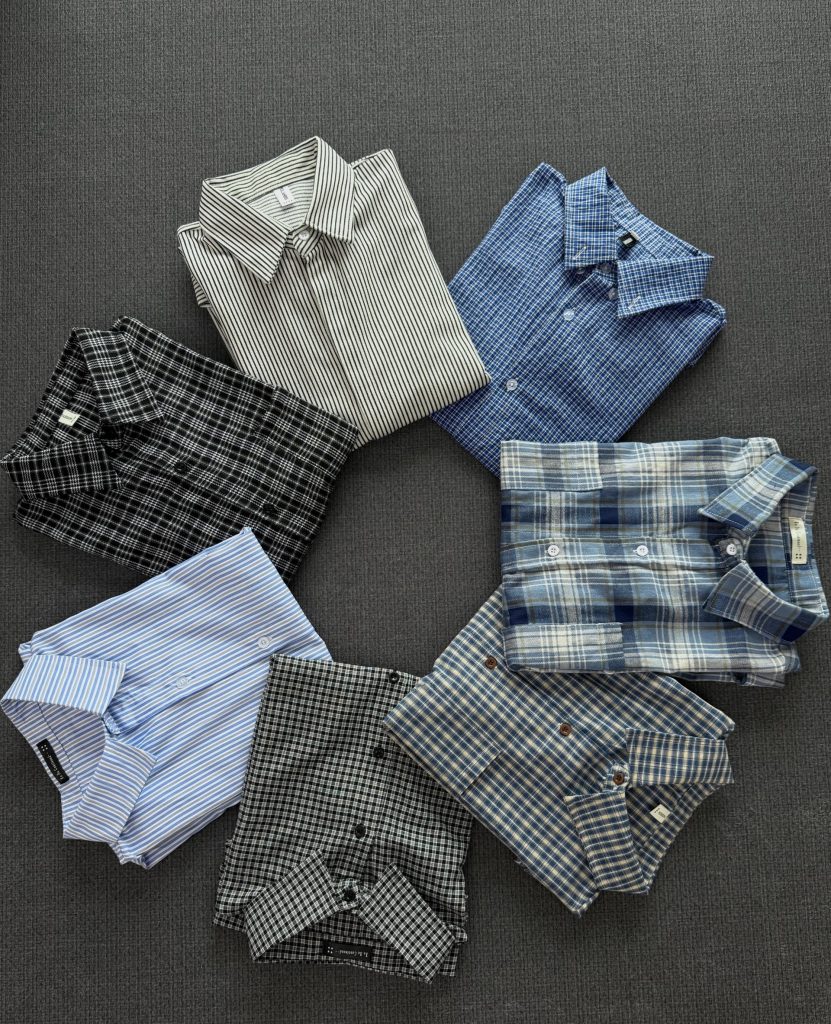
The cost of manufacturing custom clothing in China depends on many factors, including the type of garment, fabric, order quantity, design complexity, customization requirements, labor, packaging, quality standards, and shipping arrangements.
There is no single fixed price for custom clothing. Two garments that look similar may have significantly different manufacturing costs because they use different fabrics, construction methods, trims, printing processes, or quality standards.
For international clothing brands, importers, wholesalers, and startups, understanding these cost factors is essential for calculating the correct product budget and retail price.
1. What Determines the Cost of Custom Clothing?
The final manufacturing cost usually consists of several components:
-
Fabric
-
Cutting
-
Sewing
-
Printing
-
Embroidery
-
Accessories
-
Labels
-
Packaging
-
Quality control
-
Sampling
-
Factory overhead
-
Order quantity
-
Special processing
International shipping, customs duties, taxes, and other import expenses are usually calculated separately from the factory production price.
Therefore, when comparing quotations, make sure you understand exactly what the quoted price includes.
2. Fabric Is One of the Biggest Cost Factors
Fabric can account for a significant portion of the cost of a garment.
Different materials have different prices.
Common options include:
-
Cotton
-
Organic cotton
-
Polyester
-
Nylon
-
Linen
-
Rayon
-
Modal
-
Wool
-
Spandex
-
Blended fabrics
-
Recycled materials
Even within the same material category, prices can vary significantly.
For example, two cotton T-shirts may have different prices because of differences in:
-
Fabric weight
-
Yarn quality
-
Knitting method
-
Finishing
-
Dyeing
-
Shrinkage control
-
Color
-
Fabric composition
If you want to control costs, ask the manufacturer to provide several fabric options with different price levels.
3. Fabric Weight Affects Clothing Cost
Fabric weight, commonly measured in GSM, can affect the cost of a garment.
A lightweight T-shirt may use significantly less material than a heavyweight oversized T-shirt.
For example, an oversized heavyweight T-shirt may require:
-
More fabric
-
Stronger stitching
-
More sewing time
-
Different finishing
As a result, it may cost more to manufacture than a lightweight standard T-shirt.
When comparing quotations, make sure the fabric specifications are identical.
4. Clothing Design Complexity Affects Labor Costs
Simple garments are generally easier and faster to produce.
A basic T-shirt may require relatively few production steps.
A complicated jacket may require:
-
Multiple panels
-
Lining
-
Zippers
-
Pockets
-
Reinforced seams
-
Special stitching
-
Hardware
-
Additional finishing
More production operations generally mean higher labor and processing costs.
This is why buyers should compare products based on complete specifications rather than appearance alone.
5. Order Quantity Affects Unit Price
Order quantity is another major factor.
Manufacturers usually have fixed costs associated with:
-
Pattern development
-
Material preparation
-
Cutting
-
Machine setup
-
Printing setup
-
Packaging preparation
When these costs are distributed across a larger order, the cost per garment can decrease.
For example:
Small order:
100 pieces → higher unit cost
Medium order:
500 pieces → lower unit cost
Large order:
2,000 pieces → potentially lower unit cost
However, the actual pricing depends on the factory and product.
A larger order does not automatically guarantee the lowest price.
6. MOQ and Pricing Are Closely Connected
Minimum Order Quantity, or MOQ, can influence your production price.
A manufacturer may quote different prices for different quantities.
For example:
Quantity |
Possible Pricing Structure |
|---|---|
100 pcs |
Higher unit price |
500 pcs |
Medium unit price |
1,000 pcs |
Lower unit price |
5,000 pcs |
Potentially lower unit price |
These figures are only examples.
When requesting a quotation, ask the factory to provide prices for several quantities.
This allows you to compare the relationship between MOQ and unit cost.
7. Custom Printing Adds Cost
If you want printed graphics, the manufacturing cost may increase.
Common printing methods include:
-
Screen printing
-
Digital printing
-
Heat transfer
-
Sublimation
-
Puff printing
-
Silicone printing
The cost depends on:
-
Printing size
-
Number of colors
-
Printing position
-
Number of prints
-
Printing method
-
Order quantity
For example, a simple one-color chest logo may cost much less than a large multi-color graphic covering the front and back of a garment.
8. Embroidery Affects the Price
Embroidery also adds production costs.
The price can depend on:
-
Embroidery size
-
Stitch count
-
Number of colors
-
Number of locations
-
Design complexity
-
Quantity
A small embroidered logo may be relatively inexpensive, while large detailed embroidery can require considerably more production time.
9. Custom Labels and Hangtags
Private-label brands often require customized branding.
Additional items may include:
-
Woven labels
-
Printed neck labels
-
Care labels
-
Size labels
-
Hangtags
-
Brand stickers
-
Barcode labels
These costs should be included in the quotation if you need them.
Ask the manufacturer whether label costs are included in the unit price or charged separately.
10. Custom Packaging Can Increase Costs
Standard packaging is usually less expensive than fully customized packaging.
Your packaging requirements may include:
-
Individual polybags
-
Custom printed bags
-
Custom boxes
-
Branded cartons
-
Tissue paper
-
Stickers
-
Hangtags
-
Special folding
If your clothing is sold through an e-commerce store, premium packaging may improve the customer experience but will increase the product cost.
11. Sampling Costs
Before mass production, manufacturers usually need to create samples.
Sample costs can include:
-
Pattern development
-
Fabric
-
Sewing
-
Printing
-
Embroidery
-
Accessories
-
Shipping
Some factories may refund or deduct sample costs after a bulk order is placed, while others may charge them separately.
Always confirm the sample policy before starting development.
12. Special Fabric Colors Can Increase Costs
Standard colors are generally easier to source.
If you require a specific custom color, the manufacturer may need to arrange special dyeing.
This can increase:
-
Fabric MOQ
-
Dyeing cost
-
Development time
-
Production lead time
If your brand uses a specific color standard, provide the manufacturer with the correct reference before production.
13. Special Washing and Finishing
Some garments require additional finishing processes.
Examples include:
-
Garment washing
-
Stone washing
-
Enzyme washing
-
Acid washing
-
Softening
-
Distressing
-
Waterproof finishing
-
Wrinkle treatment
These processes add manufacturing costs and may also increase production time.
Denim products, vintage-style clothing, and premium fashion garments often require additional finishing.
14. Accessories Affect the Final Price
Small components can have a noticeable effect on the total cost.
Examples include:
-
Zippers
-
Buttons
-
Snaps
-
Buckles
-
Drawstrings
-
Elastic
-
Metal hardware
-
Decorative components
Premium hardware may cost more than standard components.
If your product requires branded or customized hardware, discuss the additional costs with the manufacturer before production.
15. Quality Requirements Affect Manufacturing Cost
Higher quality standards may require additional inspection, better materials, more experienced workers, and tighter production controls.
For example, premium clothing may require:
-
Higher-grade fabric
-
More precise measurements
-
Stronger stitching
-
Better finishing
-
Higher-quality accessories
-
More detailed inspection
Therefore, a premium garment should not be compared directly with a low-cost garment using different specifications.
16. Sample Price and Bulk Price Are Different
New buyers sometimes expect the sample price to be similar to the bulk production price.
This is not always realistic.
A sample is usually produced individually and requires dedicated development work.
The manufacturer may need to:
-
Create a pattern
-
Source materials
-
Cut fabric
-
Sew the garment
-
Add printing or embroidery
-
Make revisions
Once bulk production begins, the factory can produce many garments using a standardized production process.
Therefore, the sample price per piece may be considerably higher than the eventual bulk unit price.
17. Labor and Factory Location
China has clothing manufacturers in many regions.
Manufacturing costs can vary depending on:
-
Local labor costs
-
Factory specialization
-
Production efficiency
-
Supplier network
-
Factory scale
-
Product complexity
However, location alone should not determine your choice of manufacturer.
A factory with higher labor costs may still offer better efficiency, quality, and production management.
18. Shipping Is Separate From Manufacturing Cost
When calculating your total landed cost, remember that factory price is only one component.
Your total cost may include:
Manufacturing cost + Packaging + Domestic transportation + Export charges + International freight + Customs duties + Import taxes + Destination charges
The exact structure depends on the shipping terms and destination country.
For example, a quotation based on the factory price should not automatically be compared with a door-to-door quotation without understanding the difference in included services.
19. How to Request an Accurate Clothing Quotation
To receive a useful quotation, provide detailed information to the manufacturer.
A good quotation request can include:
Product: Oversized T-shirt
Fabric: Cotton
GSM: 240
Quantity: 1,000 pieces
Colors: 3
Sizes: S–XXL
Printing: Front and back
Labels: Custom woven label and care label
Packaging: Individual polybag
Destination: Germany
Then ask the manufacturer to provide:
-
Sample cost
-
Unit price
-
MOQ
-
Production lead time
-
Packaging cost
-
Printing cost
-
Label cost
-
Payment terms
-
Shipping options
This makes supplier comparison much easier.
20. How to Reduce Clothing Manufacturing Costs
There are several practical ways to control costs without sacrificing essential quality.
Use Standard Fabrics
Stock fabrics may have lower MOQs and shorter lead times.
Reduce Unnecessary Customization
Complex printing, embroidery, packaging, and accessories can significantly increase costs.
Increase Order Quantity Carefully
Larger orders may reduce unit costs, but only when the demand justifies the inventory investment.
Simplify Packaging
Standard packaging can reduce costs for price-sensitive products.
Consolidate Orders
If possible, combining production can improve purchasing efficiency.
Build a Long-Term Supplier Relationship
Stable repeat orders may allow you to negotiate better production arrangements over time.
21. Do Not Choose the Cheapest Manufacturer Automatically
The lowest quotation is not necessarily the best deal.
A very low price may be caused by:
-
Lower-quality fabric
-
Lower labor input
-
Simplified construction
-
Lower-quality accessories
-
Limited quality inspection
-
Different specifications
Always compare quotations based on identical product requirements.
A better approach is to calculate the total value offered by each manufacturer.
Example of a Clothing Cost Comparison
Suppose three manufacturers provide quotations for the same basic T-shirt.
Factor |
Factory A |
Factory B |
Factory C |
|---|---|---|---|
MOQ |
100 pcs |
500 pcs |
1,000 pcs |
Unit Price |
Higher |
Medium |
Lower |
Fabric |
Standard |
Better |
Better |
Sample |
Available |
Available |
Available |
OEM |
Yes |
Yes |
Yes |
Packaging |
Standard |
Custom |
Custom |
Production Time |
Longer |
Medium |
Shorter |


No reply content