
If you are planning to import hair clippers from China or develop your own private-label barber equipment brand, one of the first questions you will probably ask is:
How much does it cost to manufacture hair clippers in China?
There is no single factory price. Hair clipper manufacturing costs depend on the motor, blade, battery, housing, accessories, packaging, customization, order quantity, and quality requirements.
For buyers, understanding the approximate price range is more useful than looking at one supplier’s quotation.
Typical China Hair Clipper Manufacturing Price
As a general factory-level planning reference, hair clipper prices can fall into approximately these ranges:
| Hair Clipper Type | Approximate Factory Price |
|---|---|
| Basic corded hair clipper | US$8–15 |
| Basic cordless clipper | US$10–22 |
| Standard professional clipper | US$15–30 |
| Professional barber clipper | US$20–45 |
| Premium private-label clipper | US$30–60 |
| Advanced customized model | US$40–80+ |
These are indicative price ranges, not fixed quotations.
The final price depends heavily on the exact specifications and order quantity.
A US$10 clipper and a US$40 clipper may both be called “hair clippers,” but their motors, batteries, blades, materials, accessories, and quality can be completely different.
1. The Motor Has a Major Impact on Cost
The motor is one of the most important components.
A basic household clipper may use a relatively simple motor, while professional barber clippers may require stronger performance and better heat management.
Factors affecting motor cost include:
- Motor type
- Motor speed
- Torque
- Noise level
- Vibration
- Heat generation
- Operating life
- Continuous-use performance
If your target customers are professional barbers, don’t choose a motor simply because the manufacturer offers the lowest price.
Test the actual product under realistic working conditions.
2. Blade Material Affects the Price
The blade is another major cost factor.
Depending on the model, manufacturers may offer different blade materials and treatments.
Potential specifications include:
- Stainless steel
- Carbon steel
- Ceramic components
- Coated blades
- Adjustable blades
- Fixed blades
- Different blade widths
A better blade can improve cutting performance, durability, and corrosion resistance, but it may also increase the manufacturing cost.
When comparing quotations, ask each factory for the exact blade specification.
3. Battery Capacity Changes the Cost
Cordless hair clippers normally cost more than basic corded models because they include a battery and charging system.
The price can vary depending on:
- Battery chemistry
- Battery capacity
- Battery cells
- Protection system
- Charging circuit
- Charging interface
- Operating time
For example, a clipper designed to operate for a short period between charges may require a smaller battery than a professional model designed for extended daily use.
Don’t compare cordless clippers only by advertised battery capacity.
Actual working time also depends on motor efficiency and operating conditions.
4. Housing and Product Design
The external housing also affects manufacturing costs.
Basic models may use simple plastic housings.
More advanced products may include:
- Premium plastics
- Metal components
- Better ergonomics
- Custom molds
- Special finishes
- Textured surfaces
- Custom buttons
- Display screens
- Improved heat dissipation
If you want a completely new housing design, tooling costs may be required.
This is different from simply adding your logo to an existing model.
5. OEM and Private-Label Costs
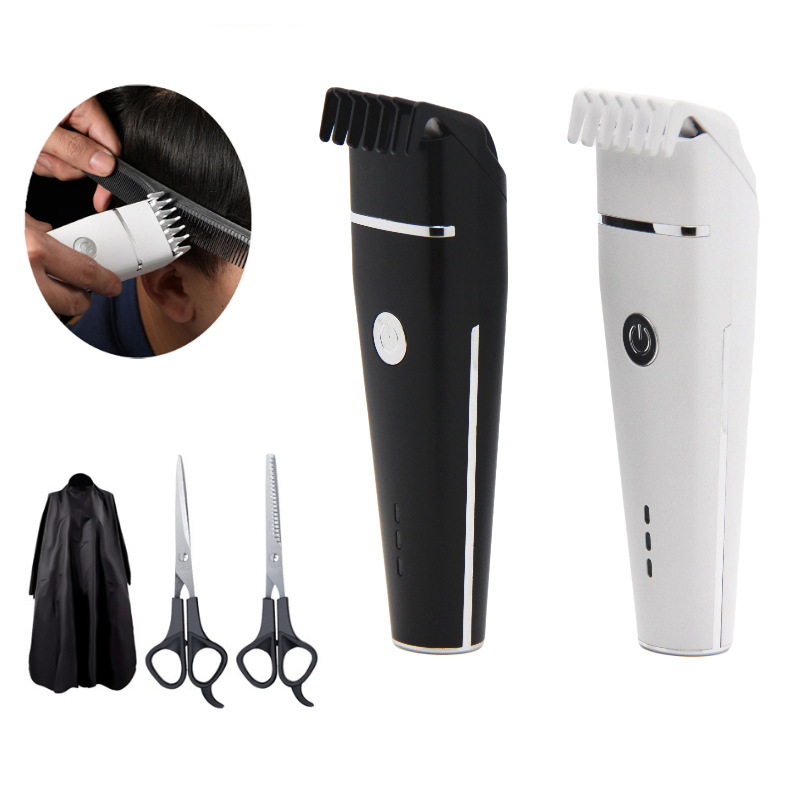
If you want to sell hair clippers under your own brand, customization can add to the manufacturing cost.
Common customization options include:
- Brand logo
- Housing color
- Product graphics
- Packaging
- User manual
- Accessories
- Labels
- Barcode
- Gift box
A simple logo customization may have a relatively small impact on the unit price.
A completely redesigned product can cost considerably more because of development and tooling.
For a new brand, using an existing manufacturer model with customized branding can sometimes be a more economical way to test the market.
6. Sample Costs
Before mass production, buyers should normally test samples.
A standard sample may cost approximately US$15–50+, while a heavily customized sample or development project can cost considerably more.
The exact cost depends on the manufacturer and the level of customization.
Test the sample for:
- Motor performance
- Cutting ability
- Noise
- Vibration
- Heat
- Battery life
- Charging
- Blade adjustment
- Housing quality
- Accessories
For a large order, the sample cost is usually a relatively small expense compared with the potential cost of receiving thousands of defective products.
7. Order Quantity Has a Big Effect
The same hair clipper can have very different unit prices at different quantities.
For example, a hypothetical quotation structure could look like:
| Quantity | Example Factory Price |
|---|---|
| 50 units | US$25–40 |
| 100 units | US$20–35 |
| 500 units | US$15–28 |
| 1,000 units | US$12–25 |
| 5,000+ units | US$10–22 |
These figures are examples for understanding volume pricing, not guaranteed market quotations.
Larger orders can reduce unit costs because manufacturing setup, labor, packaging, and procurement costs can be distributed over more units.
However, ordering a large quantity only makes sense if you have enough sales demand.
8. Accessories Can Change the Final Price
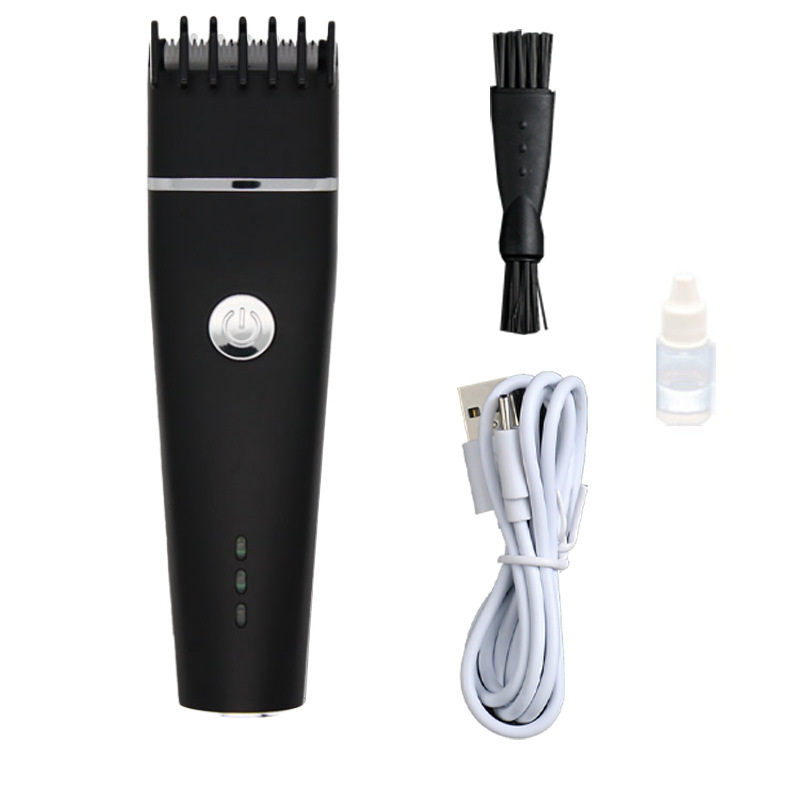
A hair clipper may come with:
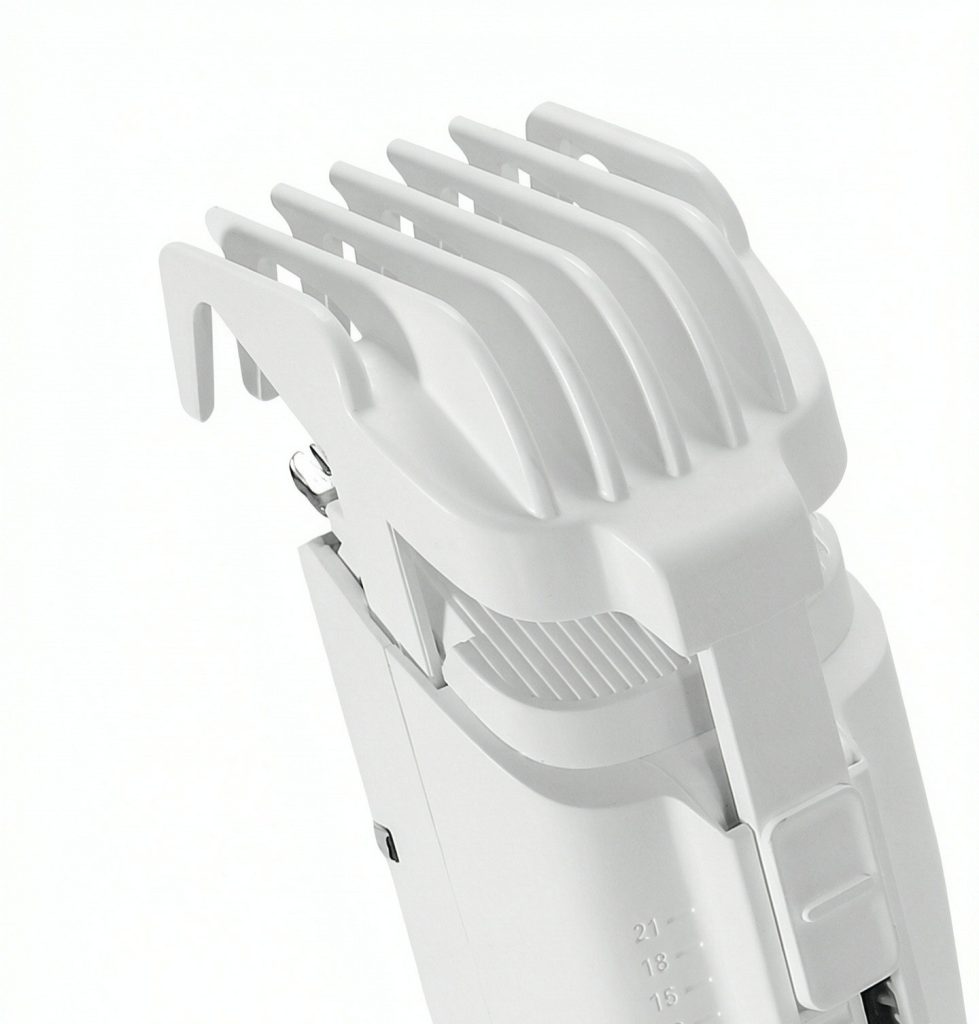
- Guide combs
- Cleaning brush
- Blade oil
- Charging cable
- Charger
- Protective cap
- Storage case
- Stand
- User manual
For example:
Supplier A: US$15
Includes clipper + 4 guide combs.
Supplier B: US$17
Includes clipper + 8 guide combs + charging stand + storage box.
Supplier B may actually offer better value depending on your market.
Always ask for a complete accessory list when comparing quotations.
9. Packaging Costs
Packaging can range from simple bulk packaging to premium retail packaging.
Typical options include:
- Polybag
- Standard color box
- Printed retail box
- Gift box
- Custom insert
- Foam protection
- User manual
- Product labels
- Master carton
Basic packaging might add only a small amount per unit.
Custom premium packaging can add several dollars or more.
If you are building a premium barber brand, packaging should be included in your product costing from the beginning.
10. Shipping Can Significantly Increase Your Total Cost
The factory price is not the same as your landed cost.
For example:
Factory price: US$20
Your final cost may also include:
- Packaging
- Factory-to-warehouse transportation
- Export costs
- International freight
- Insurance
- Customs duties
- Import taxes
- Destination charges
- Local delivery
Therefore, when calculating profitability, use:
Landed Cost = Product + Packaging + Logistics + Taxes + Other Import Costs
For international buyers, the destination country is especially important.
A US$20 factory product may have a completely different landed cost in the United States, Germany, Australia, Saudi Arabia, or another market.
11. Battery Products Need Extra Attention
Cordless hair clippers commonly contain lithium batteries.
This can affect international transportation.
Before placing an order, ask the manufacturer or logistics provider about:
- Battery specifications
- Relevant transport documentation
- Packaging requirements
- Shipping restrictions
- Required test reports or documentation
- Available transportation methods
Don’t wait until the goods are ready to ship to discover that the selected transportation method requires additional documents.
12. How Much Should a Buyer Budget?
The right target price depends on your market positioning.
Entry-Level Product
If your target customers are looking for an affordable clipper, you might focus on products around:
US$8–18 factory price
Mid-Range Product
For a more capable consumer or barber product:
US$15–35
Professional Product
For professional barbers and salons:
US$20–50+
Premium Private-Label Product
For a stronger brand positioning:
US$30–80+
These are broad planning ranges.
Your final target should be based on product specifications and your expected retail price.
13. Don’t Choose the Lowest Factory Price
Suppose you receive three quotations:
| Supplier | Price | Motor | Battery | Packaging |
|---|---|---|---|---|
| A | US$10 | Basic | Basic | Basic |
| B | US$18 | Better | Better | Standard |
| C | US$30 | Professional | High capacity | Premium |
If your target market is professional barbers, Supplier A may not be the most economical choice even though the initial quotation is much lower.
A cheap product can become expensive if you experience:
- High defect rates
- Battery problems
- Motor failures
- Poor cutting performance
- Returns
- Negative reviews
- Warranty claims
The best supplier is usually the one that gives you the right balance of quality, cost, and reliability.
14. How to Get an Accurate Factory Quotation
Don’t simply ask:
How much is your hair clipper?
Send the manufacturer a complete specification.
For example:
Product: Professional cordless hair clipper
Motor: High-speed motor
Battery: Rechargeable lithium battery
Working time: 3 hours target
Charging: USB-C
Blade: Stainless steel adjustable blade
Housing: Custom color
Logo: Private label
Accessories: 8 guide combs + cleaning brush + oil
Packaging: Custom retail box
Quantity: 1,000 units
Destination: United States
The manufacturer can then calculate a much more meaningful quotation.
15. Ask for Tiered Pricing
When negotiating with a factory, ask for several quantities.
For example:
- 100 units
- 500 units
- 1,000 units
- 3,000 units
- 5,000 units
This allows you to see how the unit cost changes.
You can then decide whether increasing the order quantity is financially worthwhile.
16. Questions to Ask the Manufacturer
Before accepting a quotation, ask:
- What motor is included?
- What blade material is used?
- What battery is included?
- What is the actual operating time?
- What accessories are included?
- Is the charger included?
- Is the logo included?
- Is custom packaging included?
- What is the MOQ?
- What is the sample price?
- What is the production lead time?
- What quality-control process is used?
- What documentation is available?
- What are the carton dimensions and gross weight?
- What is the price at 100, 500, 1,000 and 5,000 units?
These questions can reveal significant differences between suppliers.
FAQ
How much does it cost to manufacture a hair clipper in China?
A broad factory-level range can be approximately US$8–80+ per unit, depending on product quality, motor, battery, blade, customization, accessories, packaging, and quantity.
What is the cheapest hair clipper to manufacture?
Basic corded or entry-level models generally have lower manufacturing costs than professional cordless models with advanced motors, batteries, blades, and premium housings.
Does buying more hair clippers reduce the price?
Usually, larger quantities can reduce the unit manufacturing price, although the exact discount depends on the factory and product specification.
How much does a private-label hair clipper cost?
A basic private-label product may be around US$12–30, while professional or premium customized products can reach US$30–80+ at the factory level.
Is the factory price the final cost?
No. Importers should also consider packaging, shipping, customs duties, taxes, inspection, and local delivery.
Should I request samples?
Yes. Testing samples before mass production is one of the most effective ways to reduce purchasing risk.
Conclusion
The cost of manufacturing hair clippers in China can range from roughly US$8 to US$80+ per unit, but the actual price depends heavily on the product specification and order quantity.
For most buyers, the right approach is not to search for the cheapest possible clipper.
Instead, define the target product, compare manufacturers using the same specification, request samples, calculate the landed cost, negotiate quantity-based pricing, and verify quality before placing a large order.
A manufacturer offering a slightly higher factory price may ultimately provide better value if the product has stronger performance, fewer defects, better packaging, and more reliable production.


No reply content