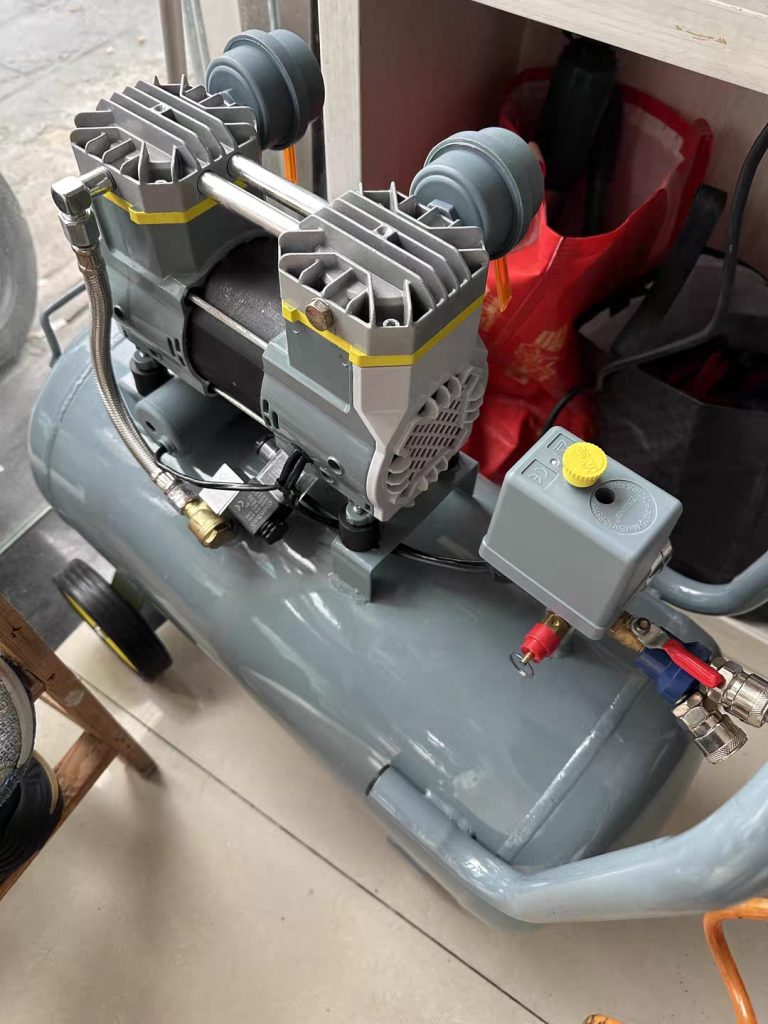
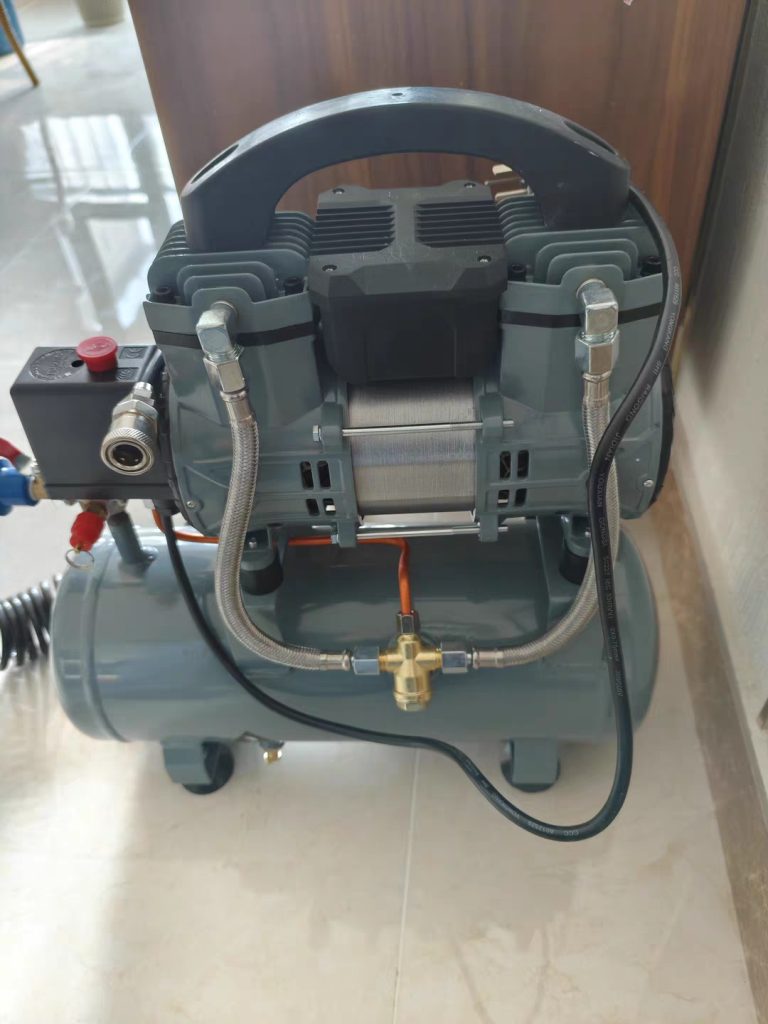
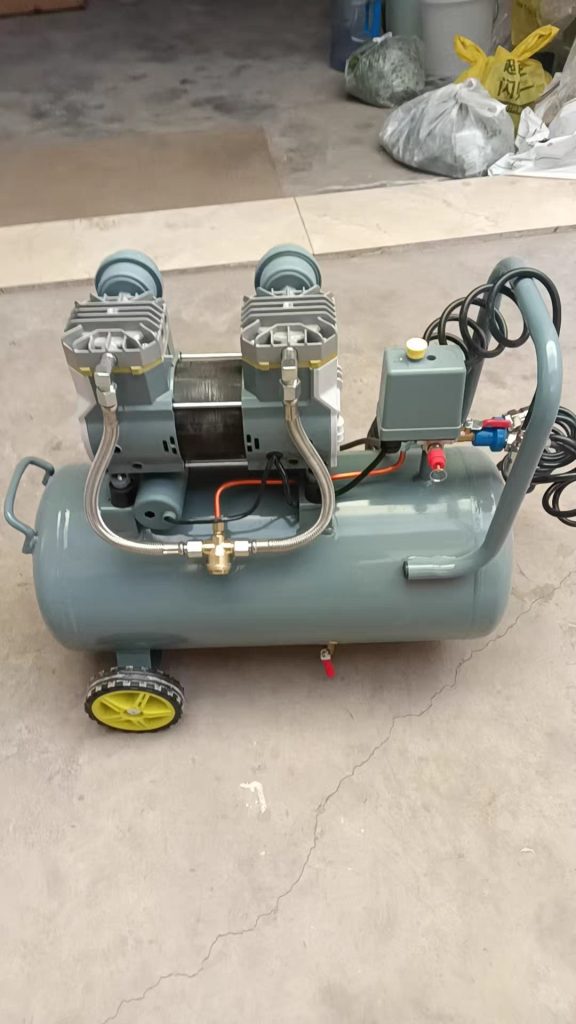
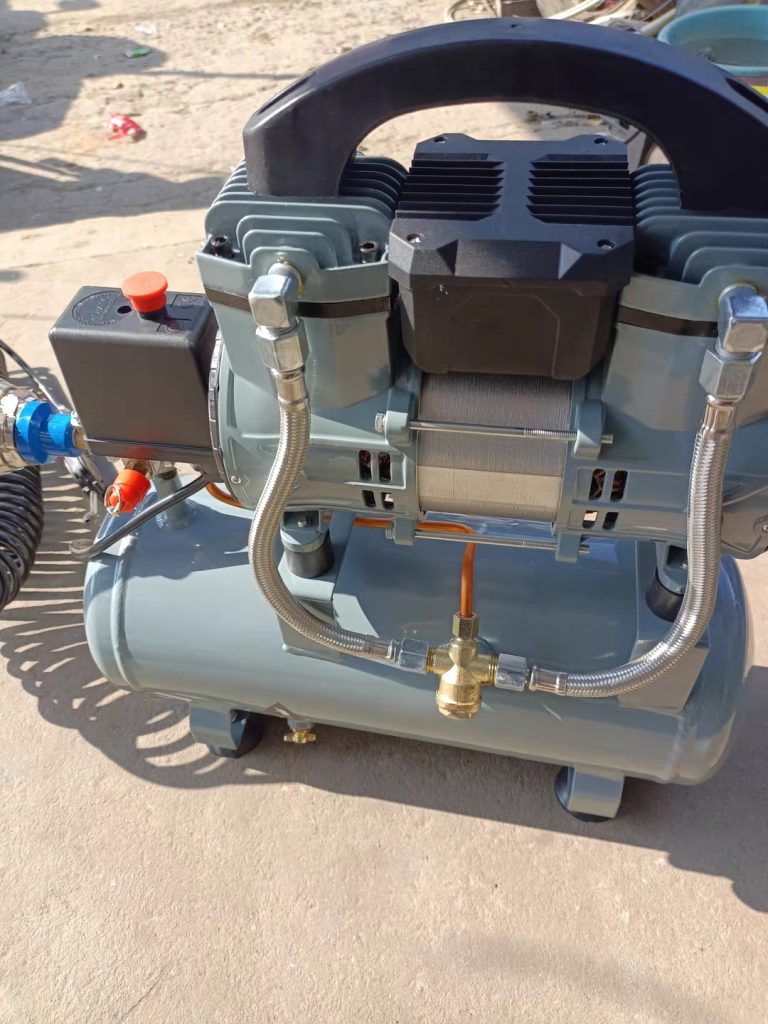
The industrial landscape is changing rapidly. Traditional manufacturing plants are transforming into smart factories, leveraging automation, IoT (Internet of Things), and data-driven management to improve efficiency, reduce costs, and minimize downtime.
One often overlooked but critical component of this transformation is the compressed air system. While air compressors have long powered factories, integrating them into a smart factory ecosystem can revolutionize energy efficiency, predictive maintenance, and overall production performance.
In this article, we explore how smart factories are rethinking industrial air systems, the technologies involved, and why manufacturers should prioritize intelligent air management.
Why Compressed Air Systems Matter in Smart Factories
Compressed air is sometimes called the “fourth utility” in industrial production. Unlike electricity, water, or gas, its role is often underestimated. However, in a smart factory:
- Air quality and stability directly impact machine precision and product quality.
- Energy consumption is a significant operational cost. Compressed air accounts for up to 20% of factory electricity bills.
- Downtime prevention depends on reliable, well-maintained air systems.
By integrating smart sensors and IoT devices, factories can monitor airflow, pressure, and air quality in real-time, providing actionable insights for both operators and maintenance teams.
Smart Technologies Transforming Air Systems
1. IoT-Enabled Compressors
Modern rotary screw and oil-free air compressors now come with IoT connectivity, allowing:
- Real-time monitoring of pressure and flow
- Predictive maintenance alerts
- Remote diagnostics and operation
Example: If a compressor’s pressure fluctuates outside set limits, the system alerts engineers before production quality is affected.
2. Energy Management Systems
Smart factories are prioritizing energy efficiency. Advanced air management systems can:
- Automatically adjust compressor output to match demand
- Schedule compressors based on production cycles
- Reduce energy waste during low-demand periods
Case Study: A medium-sized electronics factory reported 25% energy savings after implementing a smart air management system.
3. Predictive Maintenance
Instead of relying on fixed schedules, smart factories use sensors and analytics to predict maintenance needs:
- Vibration sensors detect bearing wear
- Temperature and oil condition monitoring prevent overheating
- Filter condition sensors prevent contamination
This approach reduces unscheduled downtime and extends equipment life.
4. Integration with Production Lines
Smart air systems can communicate with CNC machines, laser cutters, and robotic arms to:
- Adjust airflow based on current load
- Ensure pressure remains stable across multiple machines
- Optimize overall workflow efficiency
For example, when a CNC machine requires peak airflow, the system dynamically reallocates compressed air from low-demand areas.
Applications Across Industries
Automotive Manufacturing
Compressed air powers assembly tools, painting systems, and robotic lines. Smart monitoring ensures stable airflow to avoid defects and reduce scrap rates.
Electronics Production
Precision machines rely on clean, oil-free air. IoT-enabled compressors provide alerts for air quality deviations, protecting sensitive components.
Food and Beverage
Smart air systems monitor hygiene and air purity, automatically adjusting filtration and drying systems to meet regulatory standards.
Metal Fabrication
Laser cutting and welding require consistent pressure for precision and safety. Smart compressors optimize pressure, reducing energy use without compromising performance.
Benefits of Smart Compressed Air Systems
- Energy Savings – Dynamic control reduces waste
- Higher Uptime – Predictive maintenance minimizes unplanned stops
- Improved Product Quality – Stable airflow prevents defects
- Lower Operating Costs – Reduced energy and maintenance expenses
- Data-Driven Insights – Historical data informs production planning
Smart factories turn air compressors from a simple utility into a strategic asset.
Choosing the Right Air System for a Smart Factory
When upgrading to a smart air system, manufacturers should consider:
- Compressor Type: Rotary screw compressors for continuous operation; oil-free for sensitive applications
- Air Quality: ISO 8573-1 standards for industrial purity
- Connectivity: IoT-ready compressors and air dryers
- System Size: Calculate airflow demand with safety margin for future expansion
- Energy Optimization: Include VSD (Variable Speed Drive) compressors and intelligent control
Challenges in Smart Factory Integration
- Initial Investment – IoT-enabled compressors cost more upfront
- Technical Expertise – Operators must understand smart system analytics
- Legacy Systems – Older machines may not easily integrate
- Data Security – Cloud-connected compressors need cybersecurity protocols
Despite these challenges, the long-term ROI often exceeds the initial costs through energy savings, reduced downtime, and higher production efficiency.
Case Study: Medium-Sized Manufacturing Plant
A metal fabrication plant with 50 CNC machines and 5 laser cutters upgraded its compressed air system to a smart, IoT-enabled rotary screw network:
- Installed VSD compressors with real-time monitoring
- Added predictive maintenance sensors
- Optimized airflow based on production schedules
Results after 12 months:
- 28% reduction in energy costs
- 15% increase in machine uptime
- Reduced maintenance costs by 20%
- Improved cut quality and reduced rework
This shows that investing in a smart air system is not just tech hype—it delivers measurable results.
Future Trends
- AI-Driven Optimization: Systems that automatically learn usage patterns to maximize efficiency
- Cloud-Based Analytics: Centralized dashboards for multiple factory sites
- Integration with Renewable Energy: Compressors operating in harmony with solar or wind power to further reduce costs
Smart air systems will continue to evolve, becoming an essential component of Industry 4.0 factories worldwide.
Conclusion
Compressed air is no longer just a utility—it is a strategic factor in modern manufacturing. Smart factories that integrate IoT, predictive maintenance, and energy optimization into their air systems benefit from:
- Higher efficiency
- Lower costs
- Improved product quality
- Longer equipment life
For industrial manufacturers seeking to remain competitive, investing in a smart air system is a must, not an option.


No reply content