
Guangzhou Fishing Tackle Co., Ltd
China
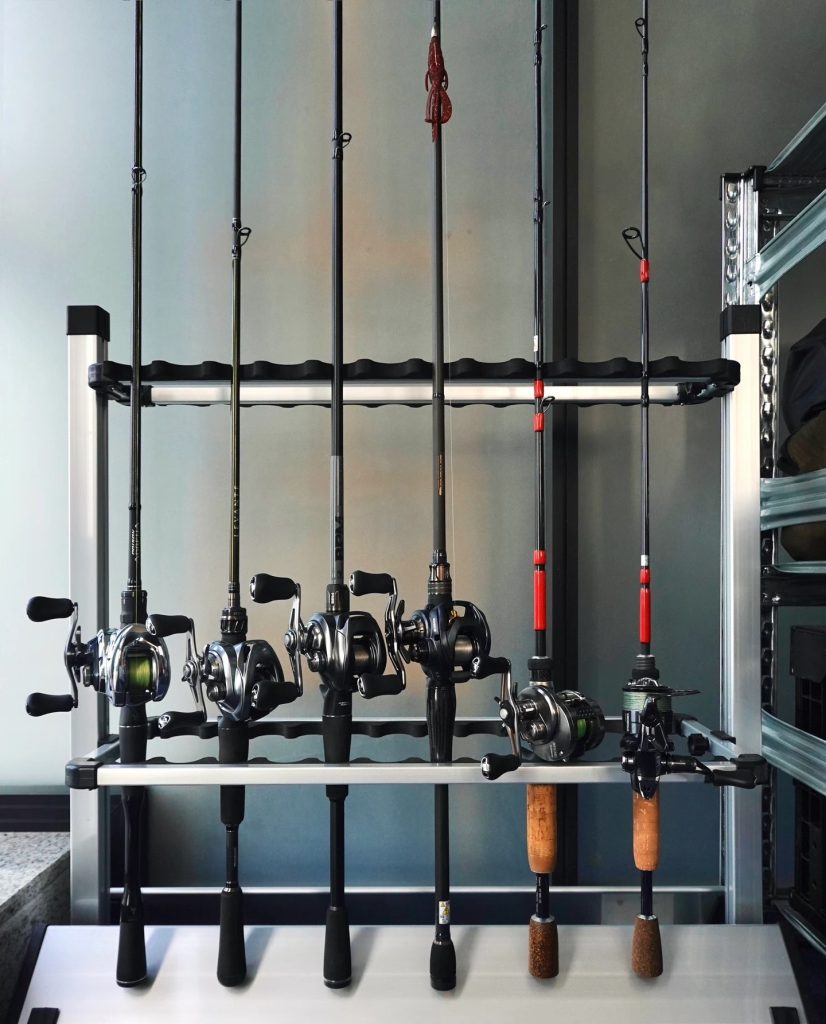
How to Check Fishing Rod Quality Before Bulk Production
When sourcing fishing rods from China, checking product quality before bulk production is essential for importers, wholesalers, fishing tackle brands, and private-label businesses. A fishing rod may look attractive in photos, but its actual performance depends on material quality, construction, component installation, and assembly consistency.
For buyers working with a fishing rod manufacturer, a clear inspection process helps reduce defects, avoid unnecessary rework, and maintain consistent product quality across large orders.
This guide explains how to inspect fishing rods before approving bulk production and what buyers should confirm with a Chinese fishing rod supplier.
1. Check the Fishing Rod Materials
The materials used in a fishing rod affect its weight, flexibility, sensitivity, durability, and intended application.
Common materials include carbon fiber, fiberglass, and composite constructions.
-
Carbon fiber: Commonly used for lightweight rods that require sensitivity and specific stiffness characteristics.
-
Fiberglass: Often selected for applications where flexibility and impact tolerance are important.
-
Composite materials: Combine different material characteristics to meet particular performance and cost requirements.
Before placing an order, ask the manufacturer to specify the material construction, rod length, power, action, line rating, lure rating, and other relevant product parameters.
Do not evaluate quality based on material names alone. Request samples and confirm that the finished product meets your intended application and approved specifications.
2. Inspect the Rod Blank and Surface Finish
The rod blank is one of the most important parts of a fishing rod. Surface defects or inconsistent construction may affect appearance and, in some cases, product performance.
During inspection, check for:
-
Visible cracks, deep scratches, or unusual surface damage.
-
Uneven coating, bubbles, peeling paint, or inconsistent finishing.
-
Differences in color and appearance between production units.
-
Unexpected variations in rod length, weight, or other agreed specifications.
-
Visible damage around joints and connection areas.
Cosmetic inspection cannot establish the full structural strength of a rod. Where strength and durability are important, agree on appropriate performance tests with the supplier and use qualified testing methods.
3. Check Guides, Reel Seats, and Other Components
Fishing rod components should be installed consistently and securely.
Fishing guides
Inspect guide alignment, spacing, frame condition, and attachment. Check for loose components, damaged guide rings, rough edges, or visible defects that could affect fishing line movement.
Reel seats
Confirm that the reel seat matches the approved design and reel compatibility requirements. Check its finish, fit, fastening mechanism, and stability.
Handles and grips
Inspect the grip material, surface finish, bonding, and overall comfort. Look for loose sections, uneven adhesive application, or visible gaps.
Decorative and branding components
Check logos, printed specifications, labels, and other custom details against the approved artwork.
For OEM fishing rods, these details are particularly important because inconsistencies can affect brand presentation and customer satisfaction.
4. Test Rod Sections and Connections
For multi-piece fishing rods, section connections require particular attention.
Check that each section fits according to the approved design and can be assembled and disassembled correctly. Inspect ferrules and joint areas for visible damage, cracks, excessive looseness, or other abnormalities.
The fit should match the manufacturer’s specifications. Do not assume that a tighter connection is always better, because joint design varies between products.
Buyers should also confirm that the rod’s assembled length, section count, and connection design match the approved sample.
5. Confirm Fishing Rod Performance
Appearance alone cannot establish whether a fishing rod performs as intended.
Depending on the product type and intended use, buyers can agree with the manufacturer on suitable checks for:
-
Flexibility and bending behavior.
-
Guide alignment and line movement.
-
Reel seat stability.
-
Section connection fit.
-
Performance under specified loading conditions.
-
Relevant durability or repeated-use tests.
Testing should follow the agreed product specifications and suitable procedures. Avoid applying arbitrary loads that could damage the rod or create misleading results.
For specialized fishing rods, the inspection plan should reflect the intended fishing environment, target species, and expected use.
6. Approve a Pre-Production Sample
Before starting bulk production, request a sample that represents the product you intend to purchase.
Review the sample against the agreed requirements, including:
-
Rod length, weight, power, and action.
-
Material construction and finish.
-
Guides, reel seat, handle, and other components.
-
Logo placement and printing quality.
-
Packaging, labels, and accessories.
-
Any product-specific performance requirements.
If changes are needed, document them clearly and request a revised sample when appropriate.
The approved sample should become a reference for production inspection. Keep records of the specifications, sample approval, and any agreed modifications.
7. Establish a Bulk Production Quality Control Plan
A reliable fishing rod manufacturer should be able to explain how it checks products during production and before shipment.
Buyers should discuss the following inspection stages:
Incoming material inspection: Confirm that materials and components match the agreed specifications.
In-process inspection: Check relevant assembly steps, guide installation, finishing, and other critical operations.
Final inspection: Review finished products, dimensions, appearance, components, branding, and packaging.
Pre-shipment inspection: Check the finished order against the purchase specifications before shipment is authorized.
The inspection method and sample size should be agreed in advance. For larger orders, buyers may consider an independent inspection service, especially when placing an order with a new supplier.
Ask for inspection records or photographs where appropriate, but remember that photographs alone cannot verify every quality characteristic.
8. Check Packaging Before Shipment
Fishing rods can be vulnerable to bending, impact, and damage during handling and transportation.
Before approving the order, confirm the packaging method with the supplier.
Important considerations include:
-
Individual rod protection.
-
Protection for rod tips, guides, and connection sections.
-
Inner packaging and outer carton strength.
-
Carton dimensions and gross weight.
-
Packaging labels and product identification.
-
Suitability for the selected transportation method.
For international shipments, ask the supplier to provide carton dimensions and packing information so your logistics provider can estimate chargeable weight or shipping volume.
Packaging requirements should be suitable for the rod length, product design, handling conditions, and destination market.
9. Questions to Ask a Fishing Rod Manufacturer Before Ordering
Before confirming a bulk order, ask the supplier these questions:
-
Can you provide samples matching our required specifications?
-
What materials and components will be used in production?
-
Can you support OEM branding, custom colors, and packaging?
-
What quality checks are performed during production?
-
How are defects identified and handled?
-
Can you provide pre-shipment inspection records or arrange third-party inspection?
-
What are the production lead time, packaging details, and shipping dimensions?
The supplier’s answers should be specific to your order. Confirm important commitments in writing rather than relying only on general statements about quality.
10. How to Choose a Reliable Fishing Rod Supplier in China
Selecting a supplier involves more than comparing unit prices. Buyers should evaluate product consistency, communication, manufacturing capabilities, sample quality, customization options, and order management.
Request business information and confirm the supplier’s identity where possible. Ask for relevant product samples, documented specifications, and evidence supporting any manufacturing or quality claims.
For additional sourcing information, visit the Guangzhou Fishing Tackle supplier profile on VLEFOOENA. Review the available company and product information and confirm details directly with the supplier before placing an order.
You can also explore the VLEFOOENA B2B sourcing platform to find further supplier and procurement information.
Frequently Asked Questions
1. How can I check fishing rod quality before bulk ordering?
Start with a representative sample. Check the materials, surface finish, guides, reel seat, joints, dimensions, and packaging. Agree on suitable performance tests and written acceptance criteria before production.
2. Should I request a sample before placing a fishing rod wholesale order?
Yes. A sample helps you evaluate the product against your requirements and identify necessary changes before committing to bulk production. Make sure the approved sample and specifications are documented.
3. What should I inspect on a carbon fiber fishing rod?
Inspect the blank surface, finish, guides, reel seat, handle, connections, and dimensions. If structural performance is important, request suitable testing against agreed specifications rather than relying on visual inspection alone.
4. Can Chinese fishing rod manufacturers provide OEM services?
Some manufacturers offer OEM services such as custom logos, colors, components, and packaging. Confirm the available options, tooling requirements, minimum order quantity, sample costs, and production lead time with each supplier.
5. Is a pre-shipment inspection necessary for fishing rods?
It can be valuable, especially for large orders, new supplier relationships, or products with specific quality requirements. The inspection scope should be agreed in advance and should cover the characteristics most important to the buyer.
6. How can I reduce fishing rod defects in bulk production?
Provide clear product specifications, approve a pre-production sample, agree on inspection criteria, monitor critical production steps, and check finished goods before shipment. Maintain written records of approvals and corrective actions.
Conclusion
Checking fishing rod quality before bulk production helps importers and wholesalers reduce avoidable risks and establish clearer expectations with manufacturers.
The most effective approach combines sample approval, material and component inspection, suitable performance testing, production quality control, and packaging checks.
If you are sourcing fishing rods for wholesale, distribution, or an OEM brand, define your specifications before requesting quotations and confirm that the supplier can consistently meet your requirements.
Looking for a fishing rod supplier in China? Visit VLEFOOENA to explore supplier information and begin your sourcing process.
Article Link:
How to Check Fishing Rod Quality Before Bulk Production


No reply content