
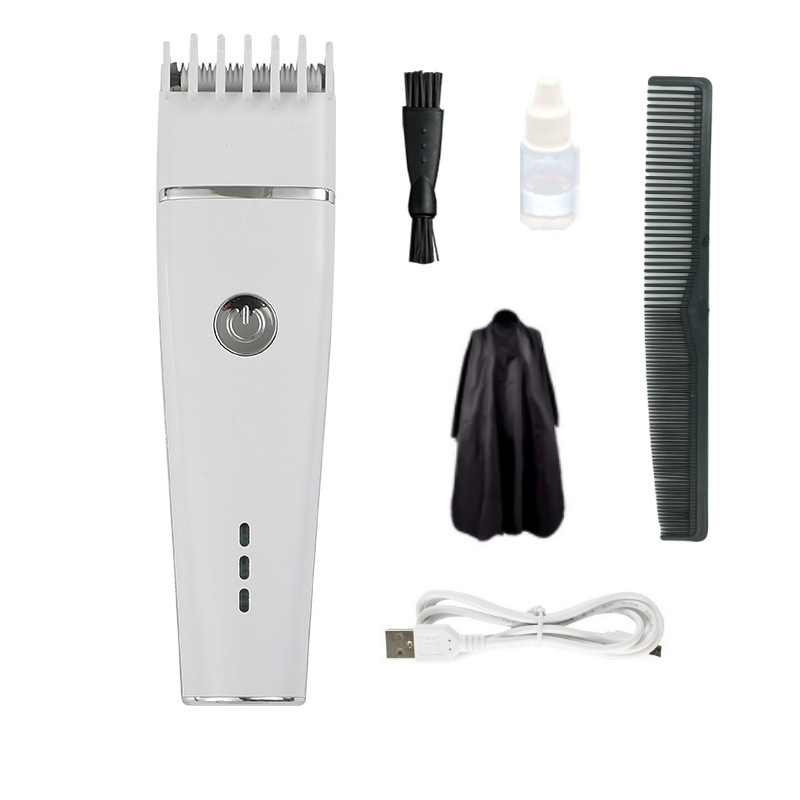
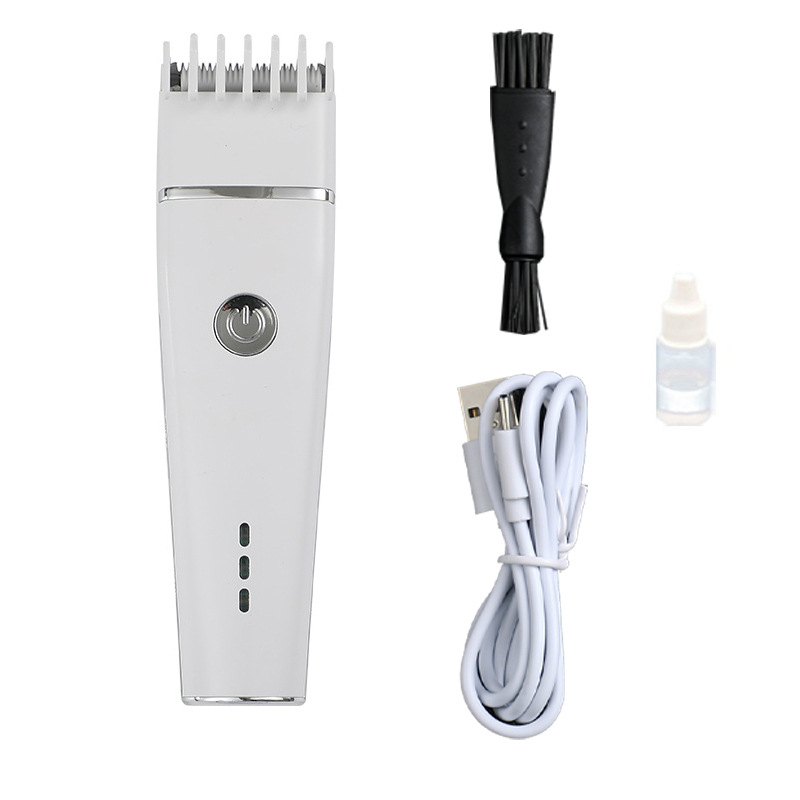
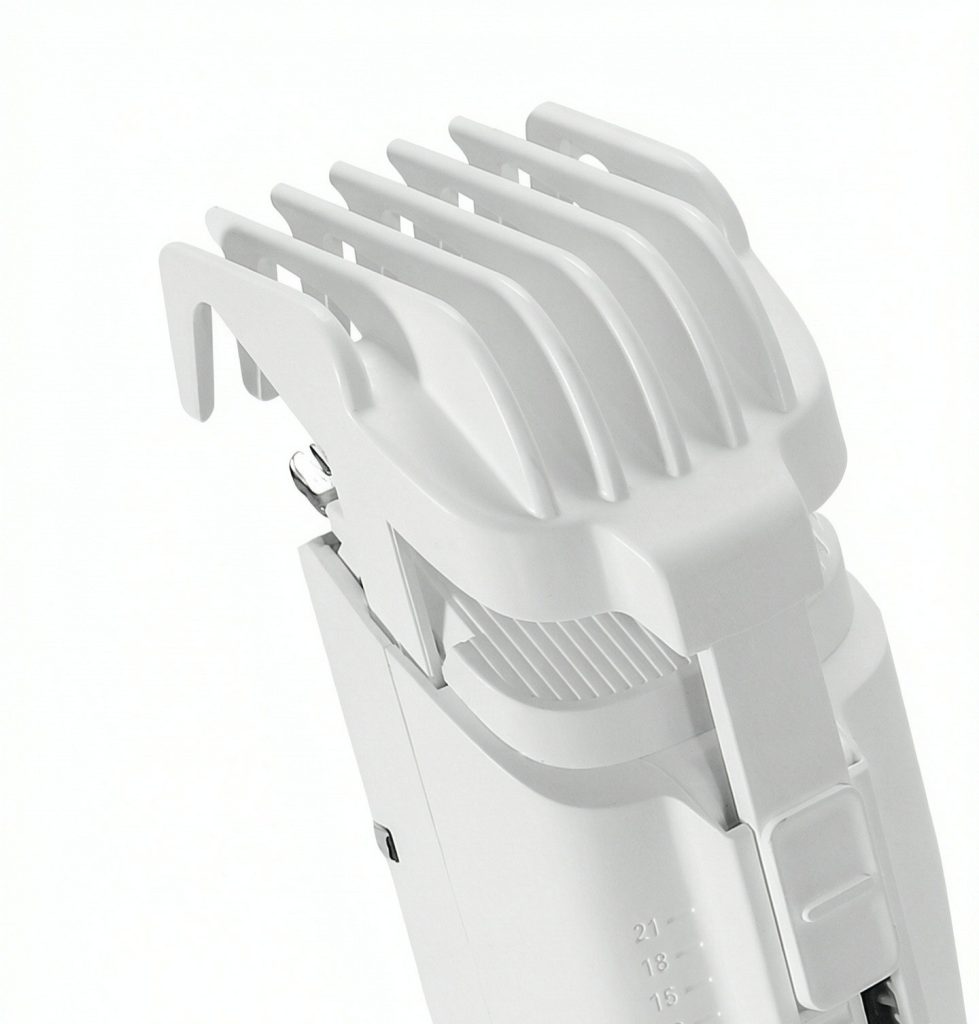
Importing hair clippers from China can provide buyers with a wide range of models and competitive manufacturing prices. However, choosing a low-cost supplier without checking product quality can lead to motor failures, battery problems, poor cutting performance, high return rates, and customer complaints.
Whether you are buying professional barber clippers, cordless hair clippers, electric trimmers, or private-label products, quality should be checked before mass production.
A proper inspection process should cover the motor, blade, battery, housing, charging system, accessories, appearance, packaging, and production consistency.
1. Start With a Clear Product Specification
You cannot properly inspect a product if you don’t know exactly what you ordered.
Before production, create a specification sheet covering:
- Product model
- Motor type
- Motor speed
- Blade material
- Blade width
- Battery type
- Battery capacity
- Charging method
- Operating time
- Charging time
- Product weight
- Product dimensions
- Accessories
- Logo
- Color
- Packaging
This document should become the reference for both the manufacturer and the buyer.
2. Request a Sample Before Placing a Large Order
The first step should normally be testing a physical sample.
Do not rely only on:
- Product photos
- Videos
- Factory catalogs
- Manufacturer claims
A sample allows you to evaluate actual performance.
Test:
- Cutting ability
- Motor power
- Noise
- Vibration
- Heat
- Battery life
- Charging
- Blade adjustment
- Switch operation
- Ergonomics
- Housing quality
If you are creating your own brand, the sample should ideally reflect the final production configuration.
3. Test the Motor
The motor is one of the most important components of a hair clipper.
During testing, pay attention to:
Power
Does the clipper maintain cutting performance when working through thicker hair?
Noise
Excessive noise can make the product uncomfortable for professional users.
Vibration
Strong vibration can reduce comfort during extended use.
Heat
Run the clipper continuously for an appropriate test period and check whether the housing becomes excessively hot.
Stability
The motor should operate consistently rather than showing obvious changes in performance.
Do not judge a motor only by its advertised speed.
Real-world performance is more important.
4. Check the Blade
The blade directly affects cutting performance.
Inspect:
- Blade material
- Blade alignment
- Blade sharpness
- Blade movement
- Blade adjustment
- Surface finish
- Corrosion resistance
- Attachment mechanism
Test the clipper on different hair types if possible.
Check whether it:
- Pulls hair
- Cuts unevenly
- Gets excessively hot
- Produces unusual noise
- Requires excessive pressure
For professional products, blade performance should be tested repeatedly rather than after only a few minutes.
5. Check Battery Performance
For cordless hair clippers, battery quality is particularly important.
Check:
- Battery capacity
- Charging time
- Operating time
- Charging stability
- Battery indicator
- Power consistency
- Charging connector
Don’t assume that the manufacturer’s advertised runtime is the actual runtime.
Conduct your own practical test.
For example, record:
Start: fully charged
Operating condition: normal cutting use
End: when the clipper reaches low-battery shutdown
This gives you a more useful indication of real performance.
6. Check Charging Safety
Inspect the charging system carefully.
Check:
- Charger compatibility
- Charging cable
- Charging port
- Charging indicator
- Charging temperature
- Charging stability
If the product contains a lithium battery, also confirm the documentation and transportation requirements relevant to your target market.
Do not wait until the goods are ready for export to investigate battery shipping requirements.
7. Inspect the Housing
The housing should be checked for both appearance and assembly quality.
Look for:
- Cracks
- Gaps
- Uneven joints
- Sharp edges
- Scratches
- Poor molding
- Loose components
- Button problems
- Poor surface finishing
Press and operate the buttons repeatedly.
Check whether they feel consistent and whether the housing remains stable during operation.
8. Check the Ergonomics
A clipper can technically work well but still be uncomfortable to use.
Evaluate:
- Weight
- Balance
- Grip
- Handle shape
- Button position
- Blade visibility
- Vibration
- Heat
This is especially important if your target market is professional barbers.
A barber may use the product repeatedly throughout the day, so comfort can have a direct effect on customer satisfaction.
9. Check Accessories
Make sure the accessories match the agreed specification.
Possible accessories include:
- Guide combs
- Cleaning brush
- Blade oil
- Charging cable
- Charger
- Charging stand
- Protective cap
- Storage case
Count the accessories and check their quality.
A manufacturer may offer a low product price but include fewer accessories than another supplier.
Always compare the complete package.
10. Check Logo and Branding
For private-label products, inspect:
- Logo size
- Logo position
- Logo color
- Printing quality
- Engraving quality
- Packaging artwork
- User manual
- Labels
- Barcode
The finished product should match the approved artwork.
Before mass production, approve the final logo and packaging design in writing.
11. Check Packaging
Hair clippers can be damaged during international transportation.
Inspect:
- Inner packaging
- Product box
- Protective materials
- Master carton
- Carton strength
- Product labels
- Shipping marks
Ask the manufacturer for:
- Carton dimensions
- Units per carton
- Net weight
- Gross weight
These figures are also important when calculating international freight costs.
12. Understand the Factory Price
A low price does not automatically mean low quality, but it should make you investigate the specification carefully.
As a broad planning reference:
| Hair Clipper Type | Indicative Factory Price |
|---|---|
| Basic corded clipper | US$8–15 |
| Basic cordless clipper | US$10–22 |
| Standard professional clipper | US$15–30 |
| Professional barber clipper | US$20–45 |
| Premium private-label clipper | US$30–60 |
| Advanced customized model | US$40–80+ |
These are indicative manufacturing ranges, not guaranteed quotations.
If a supplier offers a significantly lower price, ask what motor, battery, blade, accessories, packaging, and quality standards are included.
13. Compare Samples From Multiple Manufacturers
If possible, order samples from three or more qualified manufacturers.
Use the same testing criteria.
For example:
| Test Item | Supplier A | Supplier B | Supplier C |
|---|---|---|---|
| Motor performance | |||
| Noise | |||
| Vibration | |||
| Heat | |||
| Battery life | |||
| Blade performance | |||
| Housing | |||
| Accessories | |||
| Packaging | |||
| Price |
This makes the decision more objective.
You may discover that the cheapest supplier isn’t the best value.
14. Check Production Consistency
A good sample does not guarantee a good bulk order.
This is one of the most important things buyers need to understand.
The manufacturer must be able to reproduce the approved product consistently.
For a larger order, inspect multiple units from the production batch.
Look for consistency in:
- Motor performance
- Battery performance
- Blade adjustment
- Housing
- Color
- Logo
- Accessories
- Packaging
If one sample is excellent but several production units vary significantly, the manufacturer may have a quality-control problem.
15. Consider Pre-Shipment Inspection
For larger orders, an independent inspection before shipment can provide additional protection.
The inspection can check:
- Quantity
- Appearance
- Function
- Accessories
- Packaging
- Labeling
- Defect rate
The inspection standard should be agreed in advance.
For example, your purchase agreement can specify which defects are considered unacceptable and what tolerance is allowed for minor cosmetic issues.
16. Calculate the Total Cost of Quality
The product price isn’t the only cost.
Your actual cost may include:
Factory price + packaging + freight + customs + taxes + inspection + defective products + returns + warranty costs
Suppose one supplier sells a clipper for US$15 and another for US$20.
If the US$15 product has a high failure rate while the US$20 product has significantly better reliability, the cheaper product may actually be more expensive for your brand.
This is especially important for products sold online, where negative reviews can affect future sales.
17. Check Relevant Compliance Documentation
Requirements vary depending on the destination market and product configuration.
Ask the manufacturer for documentation relevant to your specific model.
Depending on the market, buyers may need to consider:
- Electrical safety
- Electromagnetic compatibility
- Battery-related requirements
- Charger requirements
- Product labeling
- Packaging regulations
Don’t assume a document for another model automatically applies to your product.
The model number and product configuration should be checked carefully.
18. Test the Product Before Mass Production
A practical quality-control process is:
Supplier selection
↓
Sample
↓
Functional testing
↓
Specification confirmation
↓
Sample approval
↓
Trial order
↓
Production inspection
↓
Pre-shipment inspection
↓
Final shipment
This process is much safer than ordering a large quantity immediately after receiving a quotation.
19. Create a Simple Quality Checklist
Before shipment, you can use a checklist like this:
Product
- Correct model
- Correct quantity
- Correct dimensions
- Correct weight
- Correct motor
- Correct blade
- Correct battery
Function
- Motor starts normally
- Blade works correctly
- Charging works
- Battery operates normally
- Buttons work
- No abnormal noise
- No excessive vibration
- No excessive heat
Appearance
- No major scratches
- No cracks
- No loose components
- Correct color
- Correct logo
- Good surface finish
Accessories
- Correct number of guide combs
- Charger included
- Cable included
- Cleaning brush included
- Oil included
- Other agreed accessories included
Packaging
- Correct retail box
- Correct manual
- Correct labels
- Correct master carton
- Adequate protection
FAQ
What should I check first when buying hair clippers from China?
Start with the motor, blade, battery, charging system, housing, and overall cutting performance. These are important functional areas that directly affect the user experience.
Should I test samples before placing a bulk order?
Yes. Sample testing is strongly recommended, particularly for new suppliers and private-label products.
How much does a quality hair clipper cost in China?
A broad factory-level range can be approximately US$8–80+, depending on the motor, blade, battery, quality level, customization, accessories, and order quantity.
How can I check battery quality?
Check the actual charging time, operating time, power stability, battery specifications, and charging behavior. Don’t rely solely on the advertised runtime.
Should I hire a third-party inspection company?
For larger orders, a pre-shipment inspection can be useful. It provides an independent check before the goods leave the factory.
How can I make sure future orders maintain the same quality?
Keep an approved sample and detailed product specifications. Use them as the production reference for future orders.
What is the biggest mistake when importing hair clippers?
Choosing a supplier solely because of the lowest price. A cheaper product can create higher costs through defects, returns, warranty claims, poor reviews, and inconsistent production.
Conclusion
Checking the quality of hair clippers before importing from China requires more than looking at photographs or comparing factory prices.
A professional evaluation should cover motor performance, blade quality, battery life, charging, ergonomics, housing, accessories, branding, packaging, compliance documentation, and production consistency.
For new importers and private-label brands, the safest approach is:
Define specifications → Compare manufacturers → Order samples → Test samples → Approve the final specification → Start with a trial order → Inspect production → Check before shipment
This process can reduce purchasing risk and help you find a Chinese hair clipper manufacturer capable of producing consistent products for your brand over the long term.


No reply content