
China Surfboard and Snowboard Manufacturer Co., Ltd.

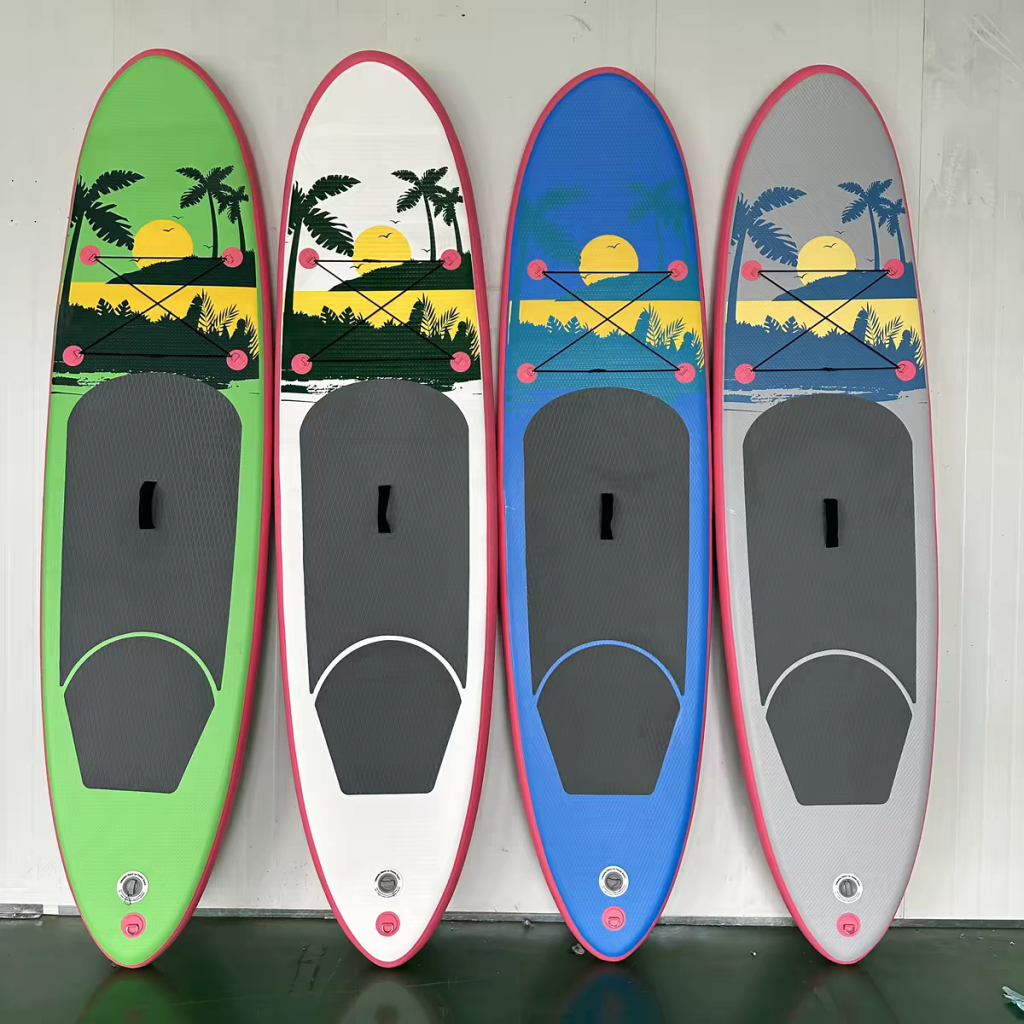

Buying surfboards from a Chinese manufacturer can be a practical option for wholesalers, distributors, surf shops, online retailers, and private-label brands. However, a good-looking sample does not automatically mean that a factory can maintain the same quality throughout a large production order.
Before placing a bulk order, buyers should establish a clear quality-control process. The goal is to confirm that the surfboards meet the agreed requirements for construction, dimensions, appearance, accessories, packaging, and performance.
This guide explains a practical way to inspect surfboards made in China before committing to a large purchase.
1. Start With a Clear Product Specification
The first quality-control step happens before production.
Create a detailed specification for the manufacturer.
It should include:
-
Surfboard type
-
Length
-
Width
-
Thickness
-
Volume
-
Weight
-
Core material
-
Construction method
-
Fiberglass specification
-
Resin specification
-
Shape
-
Fin configuration
-
Traction pad
-
Colors
-
Graphics
-
Logo
-
Accessories
-
Packaging
Avoid descriptions such as “premium surfboard” without technical requirements.
A clear specification gives both the buyer and manufacturer the same quality reference.
2. Inspect the First Sample
Before placing a bulk order, request a physical sample.
Do not rely only on:
-
Product photos
-
Videos
-
Catalogs
-
Digital drawings
A physical sample allows you to evaluate the actual product.
Inspect the sample carefully and record:
-
Dimensions
-
Weight
-
Construction
-
Shape
-
Surface finish
-
Fin system
-
Accessories
-
Packaging
If the sample is not acceptable, resolve the problem before mass production.
3. Measure the Dimensions
Use suitable measuring tools to verify the basic dimensions.
Check:
-
Overall length
-
Maximum width
-
Thickness
-
Other critical measurements
For custom boards, compare the measurements with the approved technical specification.
If the board has specific rocker, rail, or contour requirements, these should also be checked according to the agreed design.
4. Check the Weight
Weigh the sample using an appropriate scale.
Record:
-
Board weight
-
Accessories if relevant
-
Packed weight
-
Carton gross weight
Weight consistency can be particularly important for certain types of surfboards.
For repeat production, establish a reasonable tolerance rather than expecting every board to have exactly the same weight.
5. Inspect the Board Shape
Look at the board from different angles.
Check whether:
-
The board is symmetrical
-
The rails are consistent
-
The nose matches the approved design
-
The tail matches the specification
-
The rocker is consistent
-
The bottom contour is correct
For custom production, compare the finished board with the approved sample or technical drawing.
Shape consistency is particularly important for performance-oriented products.
6. Inspect the Surface
Run a visual inspection over the entire board.
Look for:
-
Cracks
-
Scratches
-
Air bubbles
-
Resin marks
-
Uneven finishing
-
Uneven paint
-
Color variation
-
Surface waves
-
Poor sanding
-
Delamination
Separate cosmetic defects from structural defects.
A minor cosmetic issue may have a different commercial impact from a structural defect that affects durability.
7. Check the Rails
Rails should be inspected carefully because they are important both structurally and functionally.
Check:
-
Symmetry
-
Smoothness
-
Lamination
-
Shape
-
Finishing
-
Surface damage
For a custom board, the rail profile should match the approved design.
8. Check the Deck
Inspect the deck for:
-
Surface quality
-
Traction pad
-
Adhesion
-
Printing
-
Logo placement
-
Color consistency
-
Cracks
-
Uneven finishing
If a traction pad is included, make sure it is firmly attached and positioned correctly.
9. Check the Bottom
Inspect the bottom carefully for:
-
Scratches
-
Cracks
-
Uneven finishing
-
Bubbles
-
Structural damage
-
Poorly installed components
If the bottom has a specific contour, compare it with the approved specification.
10. Inspect the Lamination
For fiberglass and epoxy surfboards, lamination quality is important.
Look for:
-
Air pockets
-
Uneven resin
-
Dry fiberglass
-
Weak areas
-
Poor rail lamination
-
Delamination
-
Surface irregularities
Ask the manufacturer how lamination quality is controlled during production.
A professional quality-control system should identify serious construction problems before the boards are packed.
11. Check the Fin Boxes
Fin boxes need to be properly installed.
Inspect:
-
Position
-
Alignment
-
Stability
-
Surface finishing
-
Compatibility with the specified fins
Install the fins and verify that they fit correctly.
A problem with the fin system can affect the usability of the board and may create customer complaints.
12. Check the Fins
If fins are included, inspect:
-
Shape
-
Material
-
Surface
-
Size
-
Quantity
-
Compatibility
-
Finishing
Make sure the supplied fins correspond to the agreed product specification.
13. Check the Accessories
Compare the physical shipment with the purchase specification.
Depending on the model, accessories may include:
-
Fins
-
Leash
-
Traction pad
-
Board bag
-
Fin key
-
Repair kit
-
Screws
-
Other hardware
Missing accessories can create problems for wholesalers and retailers even when the surfboard itself is acceptable.
14. Test the Product Where Appropriate
A physical inspection is important, but real-world testing can provide additional information.
Depending on the board type, test:
-
Stability
-
Balance
-
Paddle behavior
-
Turning
-
Maneuverability
-
Handling
-
Comfort
Testing should be performed by someone familiar with the intended use.
For example, a beginner board should be evaluated for stability and ease of use, while a performance board may require a different evaluation.
15. Check for Water or Structural Problems
Depending on the board construction, inspect for signs of:
-
Water intrusion
-
Cracks
-
Delamination
-
Weak bonding
-
Structural damage
If a serious structural concern is suspected, do not rely only on visual inspection. Consider appropriate professional testing.
16. Check Color and Graphics
For private-label products, appearance is part of quality.
Compare the production boards with the approved artwork.
Check:
-
Logo size
-
Logo position
-
Graphic placement
-
Color
-
Printing quality
-
Alignment
-
Surface finishing
For large orders, even a small artwork mistake can affect many units.
17. Inspect Packaging
A good surfboard can still arrive damaged if it is poorly packaged.
Check whether the packaging protects:
-
Nose
-
Tail
-
Rails
-
Deck
-
Bottom
-
Fin boxes
Inspect the inner protection as well as the outer carton.
If the boards are being exported internationally, packaging should be designed for the expected transportation conditions.
18. Check Carton Information
For commercial shipments, inspect:
-
Carton quantity
-
Product quantity
-
Gross weight
-
Net weight
-
Carton dimensions
-
Shipping marks
-
Product labels
Make sure the information matches the shipping documents.
This can prevent warehouse and logistics problems later.
19. Use a Sampling Inspection for Large Orders
It may not be practical to inspect every board individually for a large shipment.
A sampling inspection can be used instead.
Samples should ideally be selected from different cartons and, where relevant, different production periods.
Inspect for:
-
Appearance
-
Dimensions
-
Weight
-
Construction
-
Accessories
-
Packaging
The sampling method and acceptance criteria should be agreed before inspection.
20. Establish Acceptable Defect Standards
Before production, define what counts as:
Critical Defect
A problem that can affect safety, basic function, or structural integrity.
Major Defect
A significant problem that affects product performance, durability, or commercial usability.
Minor Defect
A smaller cosmetic or non-critical issue that does not materially affect normal use.
The exact standards should be appropriate to your product and market.
The important point is that the buyer and manufacturer should agree on the standards before the inspection.
21. Compare Production With the Approved Sample
The approved sample is one of the most useful references.
Compare:
-
Shape
-
Dimensions
-
Materials
-
Weight
-
Colors
-
Graphics
-
Logo
-
Fin system
-
Accessories
-
Packaging
If the manufacturer changes a component during production, ask for an explanation and approval before accepting the change.
22. Consider a Pre-Shipment Inspection
For a significant order, consider arranging an inspection before shipment.
A pre-shipment inspection can verify whether the finished products meet the agreed requirements.
Depending on the inspection scope, it may cover:
-
Quantity
-
Appearance
-
Dimensions
-
Weight
-
Function
-
Accessories
-
Packaging
-
Carton markings
This provides an additional quality-control layer before the products leave the factory.
23. Keep Inspection Records
Record the results of each inspection.
Useful records include:
-
Photos
-
Videos
-
Measurement results
-
Defect descriptions
-
Sample quantities
-
Inspection date
-
Production batch
-
Approved sample
-
Final inspection report
Good records make it easier to compare future production.
24. Don’t Change Specifications During Production Without Approval
A common problem in manufacturing is an unapproved component change.
For example, a supplier may change:
-
Material
-
Accessory
-
Packaging
-
Fin system
-
Graphic
-
Construction component
Even if the new component appears similar, it should be reviewed before being accepted.
Any important change should be documented.
Practical Surfboard Quality-Control Checklist
Inspection Item |
What to Check |
|---|---|
Dimensions |
Length, width, thickness |
Weight |
Actual weight and tolerance |
Shape |
Symmetry and approved design |
Core |
Correct material/specification |
Lamination |
Bubbles, resin, bonding |
Rails |
Shape and finishing |
Deck |
Surface and traction pad |
Bottom |
Surface and contour |
Fin boxes |
Position and stability |
Fins |
Quantity and compatibility |
Graphics |
Color, position, quality |
Logo |
Correct design and location |
Accessories |
Complete quantity |
Packaging |
Protection and condition |
Cartons |
Quantity and markings |


No reply content