
China Professional Hair Clipper Manufacturing Co., Ltd.
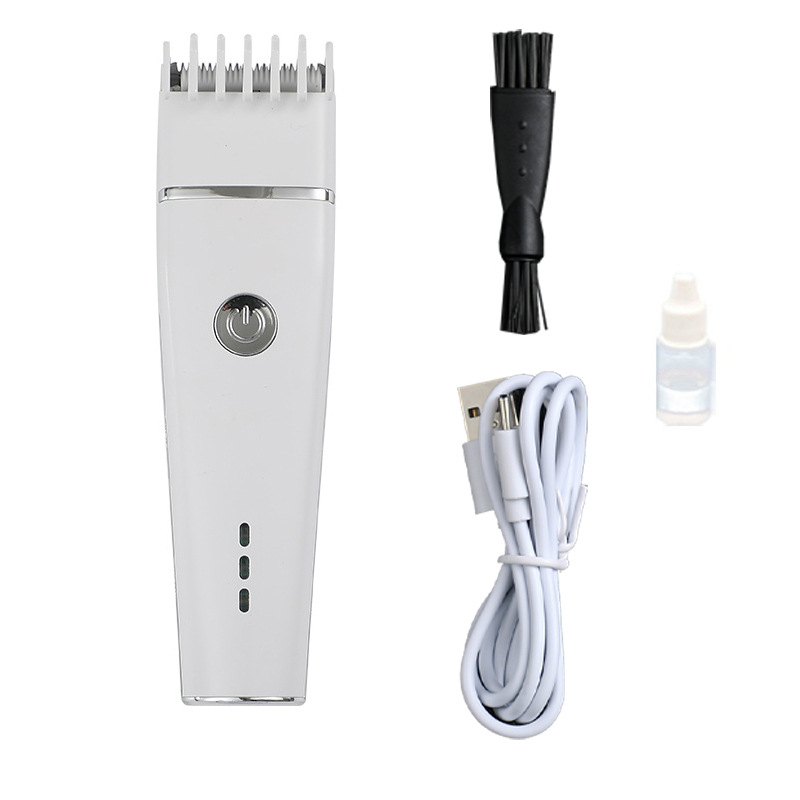
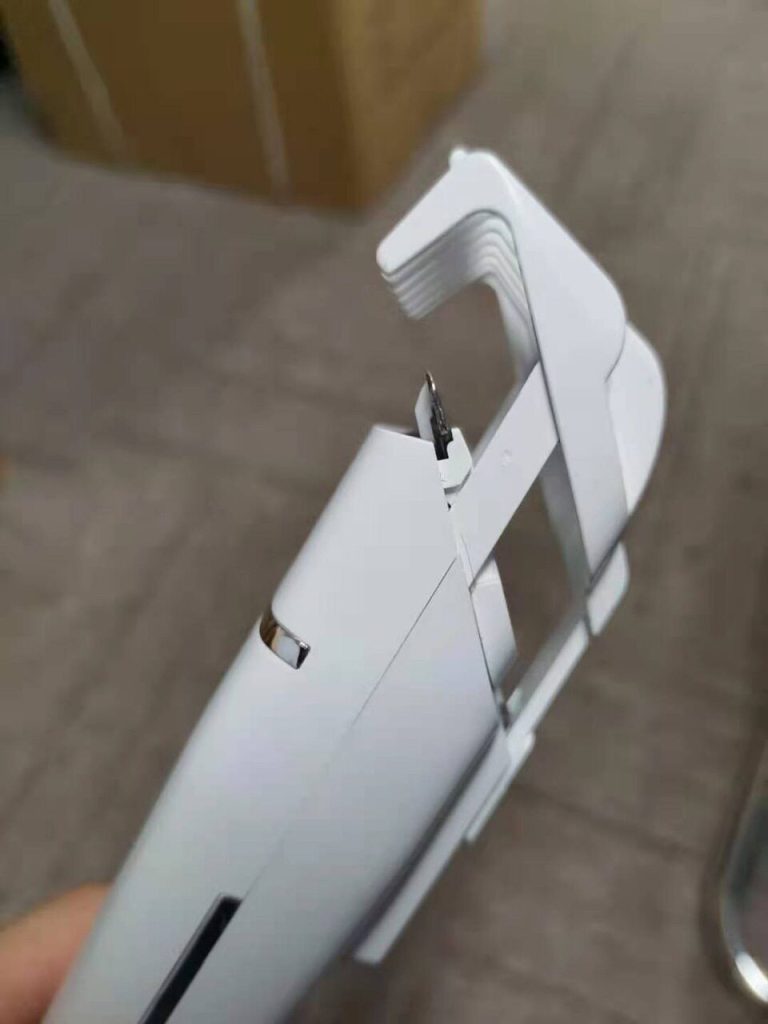
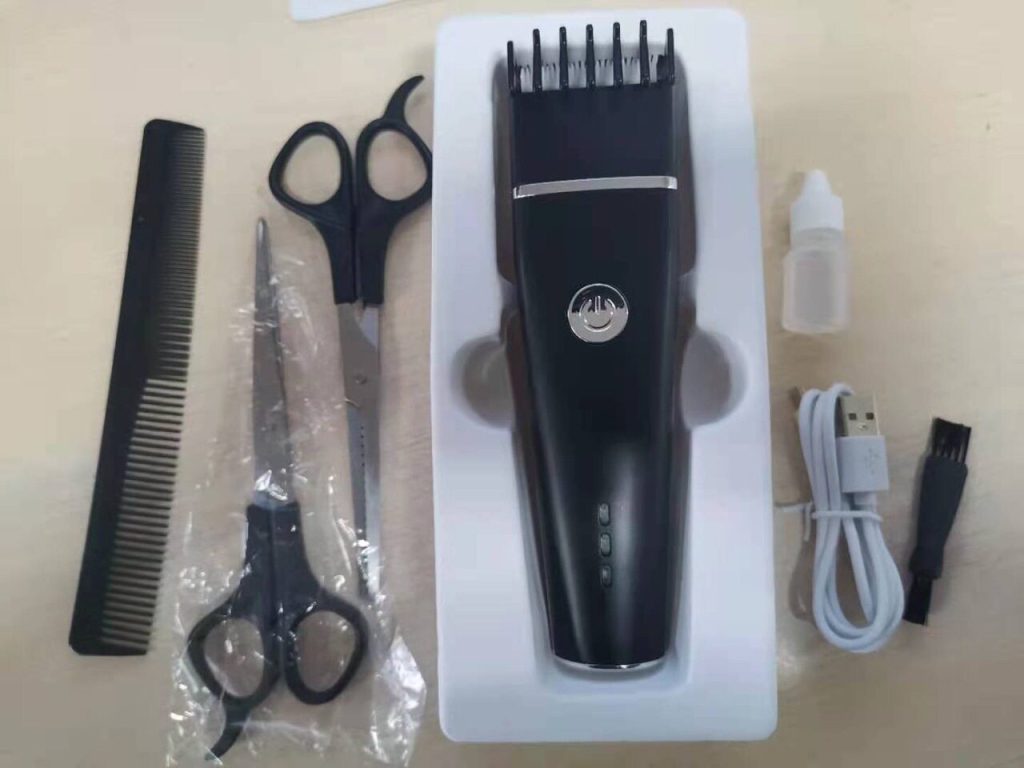
Choosing the right Chinese hair clipper manufacturer is not simply about finding the lowest price. For importers, wholesalers, barbershop suppliers, distributors, and private-label brands, the real challenge is finding a factory that can consistently deliver the right product quality, specifications, packaging, and delivery schedule.
China has a large and diverse hair clipper manufacturing industry. Different factories may specialize in professional barber clippers, cordless hair clippers, beard trimmers, pet clippers, personal grooming products, or OEM/ODM production. Some factories are highly experienced in export markets, while others mainly serve domestic buyers.
Before placing an order, buyers should evaluate the manufacturer from several angles.
1. Is the Company Actually a Manufacturer?
The first question should be whether you are dealing directly with a factory or with a trading company.
A trading company is not necessarily a bad choice. Some trading companies have experienced sourcing teams and can provide access to multiple factories. However, buyers looking for long-term OEM production should understand who actually manufactures the product.
Ask the supplier:
-
What products does your factory manufacture?
-
Where is the production facility located?
-
How many production lines do you have?
-
Do you manufacture the motor, blades, housing, or battery yourself?
-
Can you provide factory photos or a video factory tour?
-
Can you arrange a factory visit?
-
What other markets do you export to?
A serious manufacturer should be able to explain its production process clearly.
2. What Type of Hair Clippers Does the Factory Produce?
“Hair clipper” can refer to many different products.
A professional barber may need a powerful cordless clipper with a high-performance motor, while a retail buyer may focus more on appearance, packaging, battery life, and price.
Before contacting manufacturers, define the product you actually need.
Common categories include:
-
Professional hair clippers
-
Cordless hair clippers
-
Hair trimmers
-
Beard trimmers
-
T-blade trimmers
-
Heavy-duty barber clippers
-
Home-use hair clippers
-
Pet grooming clippers
-
Multi-function grooming kits
-
OEM private-label clippers
The manufacturer’s existing product range can tell you a lot about its production experience.
If a factory mainly produces low-cost household grooming products, it may not be the best choice for a professional barbering brand.
3. What Motor Does the Hair Clipper Use?
The motor is one of the most important components of a hair clipper.
Buyers should not evaluate performance based only on the advertised RPM. Motor speed, torque, noise, heat generation, power consumption, and stability all affect the actual user experience.
Ask the manufacturer for technical specifications such as:
-
Motor type
-
Motor speed
-
Operating voltage
-
Power consumption
-
Torque characteristics
-
Noise level
-
Continuous operating time
-
Expected motor service life
A high-speed motor is not automatically a better motor. A professional product needs an appropriate balance between cutting performance, battery efficiency, heat management, and durability.
If possible, request samples and test them under realistic working conditions.
4. What Blade Material and Design Are Used?
The blade directly affects cutting performance.
Depending on the product, manufacturers may use stainless steel, carbon steel, ceramic materials, or different coated blade designs.
Ask about:
-
Blade material
-
Blade hardness
-
Blade coating
-
Blade width
-
Adjustable blade mechanism
-
Fixed and moving blade design
-
Blade replacement availability
-
Corrosion resistance
-
Sharpening process
The blade should cut hair smoothly without excessive pulling or snagging.
For professional barber products, buyers should test the clipper on different hair types rather than relying only on specifications provided by the supplier.
5. How Good Is the Battery?
For cordless hair clippers, battery performance is a major purchasing consideration.
Ask for the battery type, rated capacity, charging time, operating time, and charging method.
Typical questions include:
-
What battery chemistry is used?
-
What is the rated battery capacity?
-
How long does a full charge take?
-
How long can the clipper operate continuously?
-
Does the product support corded operation?
-
Does it have overcharge protection?
-
Does it have over-discharge protection?
-
Is battery replacement possible?
Buyers should also check whether the stated battery capacity corresponds to the actual product configuration.
For products sold internationally, battery documentation and shipping requirements should also be considered during the purchasing process.
6. Can the Manufacturer Provide OEM or ODM Services?
For brands building their own product line, OEM and ODM capability can be more important than the factory’s standard catalog.
OEM services may include:
-
Custom logo
-
Custom color
-
Custom housing
-
Custom packaging
-
Custom accessories
-
Custom labels
-
User manuals
-
Product specifications
-
Retail box design
ODM production may go further by allowing the buyer to modify an existing product or develop a product based on a manufacturer’s existing platform.
Ask the factory:
What is the MOQ for private-label production?
The minimum order quantity may be different for standard products, custom colors, custom packaging, and completely customized products.
7. What Is the Minimum Order Quantity?
MOQ is an important issue for new brands.
A manufacturer may offer a relatively low MOQ for a standard product but require a much larger order for customized products.
For example, the factory may have different minimum quantities for:
-
Standard stock products
-
Logo printing
-
Custom packaging
-
Custom colors
-
Customized molds
-
Fully customized product development
Do not compare manufacturers based only on unit price.
A factory offering a lower unit price may require a much higher MOQ, making the total investment significantly larger.
8. What Quality Control Process Does the Factory Use?
A reliable manufacturer should have a defined quality-control process.
A typical production process may include inspection of:
-
Incoming components
-
Motor performance
-
Battery installation
-
Blade assembly
-
Charging function
-
Switch operation
-
Noise and vibration
-
Appearance
-
Packaging
-
Finished-product operation
Ask whether the factory performs 100% functional testing or sampling inspection.
For larger orders, buyers may also arrange third-party inspection before shipment.
The most important point is consistency. One good sample does not guarantee that every unit in a large production batch will have the same quality.
9. What Certifications and Compliance Documents Are Available?
The certifications required depend on the destination market and product configuration.
Before ordering, tell the manufacturer exactly where the hair clippers will be sold.
The factory should then explain what relevant test reports, declarations, or certifications are available for the specific model.
Do not simply accept a statement such as “the product is certified.”
Ask for documentation that corresponds to the exact model you intend to purchase.
For products containing rechargeable batteries, additional transportation and market-compliance requirements may apply.
This is especially important when importing products into Europe, North America, Australia, or other regulated markets.
10. Can the Manufacturer Deliver Consistently?
A manufacturer may produce a good sample but still struggle with large-volume orders.
Before placing a significant order, evaluate:
-
Production capacity
-
Normal lead time
-
Peak-season lead time
-
Raw-material availability
-
Packaging capacity
-
Quality-control procedures
-
Shipping preparation
-
Communication speed
-
After-sales support
Ask the manufacturer what happens if production is delayed or if a batch fails inspection.
A professional supplier should have a clear process for handling defective products, replacement parts, warranty claims, and production problems.
How Should Buyers Compare Chinese Hair Clipper Manufacturers?
Instead of choosing the cheapest quotation, create a simple supplier comparison.
Evaluation Factor |
What Buyers Should Check |
|---|---|
Product quality |
Sample performance and consistency |
Motor |
Speed, torque, noise and durability |
Blade |
Material, sharpness and adjustment |
Battery |
Capacity, charging and runtime |
MOQ |
Standard and customized quantities |
OEM/ODM |
Logo, packaging, colors and design |
Certifications |
Documents for the target market |
Production |
Factory capacity and equipment |
Lead time |
Sample and mass-production schedules |
Price |
Product cost plus packaging and logistics |
Communication |
Response speed and technical support |
After-sales |
Warranty and replacement policy |
This makes it easier to compare suppliers objectively.
Why Sample Testing Is Essential
A sample is one of the most useful tools for evaluating a hair clipper manufacturer.
Do not only inspect the appearance.
Use the clipper under actual working conditions.
Check:
-
How smoothly it cuts
-
Whether it pulls hair
-
How quickly the motor heats up
-
Battery operating time
-
Charging performance
-
Noise level
-
Vibration
-
Blade adjustment
-
Switch durability
-
Grip and ergonomics
-
Overall build quality
If you plan to sell to professional barbers, have experienced barbers test the product.
Their feedback can reveal problems that are difficult to identify from a factory specification sheet.
What Should You Ask Before Placing a Bulk Order?
Before making a large payment, confirm the commercial terms in writing.
Important information includes:
-
Exact model number
-
Product specifications
-
Quantity
-
Unit price
-
Packaging specifications
-
Logo requirements
-
Accessories
-
Production lead time
-
Payment terms
-
Inspection requirements
-
Warranty terms
-
Replacement policy
-
Shipping terms
Avoid relying on verbal promises made through casual conversations.
The final purchase order or sales contract should clearly describe the product you are buying.
How to Avoid Choosing a Bad Supplier
There are several warning signs buyers should take seriously.
Be careful when a supplier:
-
Refuses to provide basic product specifications
-
Cannot explain who manufactures the product
-
Changes prices repeatedly without explanation
-
Offers an unusually low price compared with the market
-
Cannot provide a product sample
-
Provides documents that do not match the product model
-
Avoids discussing quality-control procedures
-
Cannot give a realistic production schedule
-
Pressures you to make payment immediately
One warning sign does not necessarily mean the supplier is unreliable, but several problems together should make you reconsider.
Is the Cheapest Chinese Hair Clipper Manufacturer the Best Choice?
Usually, no.
The lowest factory quotation can become expensive if the product has:
-
High defect rates
-
Short battery life
-
Poor blade performance
-
Excessive noise
-
High return rates
-
Packaging damage
-
Late delivery
-
Poor after-sales support
For a long-term brand, total purchasing cost matters more than the initial unit price.
A slightly higher-quality product can sometimes generate better customer reviews, fewer returns, and stronger repeat sales.
Final Checklist for Buyers
Before selecting a Chinese hair clipper manufacturer, make sure you can answer these questions:
-
Who actually manufactures the product?
-
What type of hair clippers does the factory specialize in?
-
What motor is used?
-
What blade material is used?
-
What battery is installed?
-
What is the actual operating time?
-
Can the factory provide samples?
-
Can it provide OEM/ODM services?
-
What is the MOQ?
-
What quality-control procedures are used?
-
What documentation is available?
-
What is the mass-production lead time?
-
What happens if products fail inspection?
-
What warranty and replacement support is available?
-
Can the factory maintain consistent quality for repeat orders?


No reply content