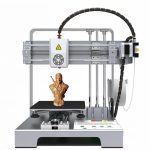
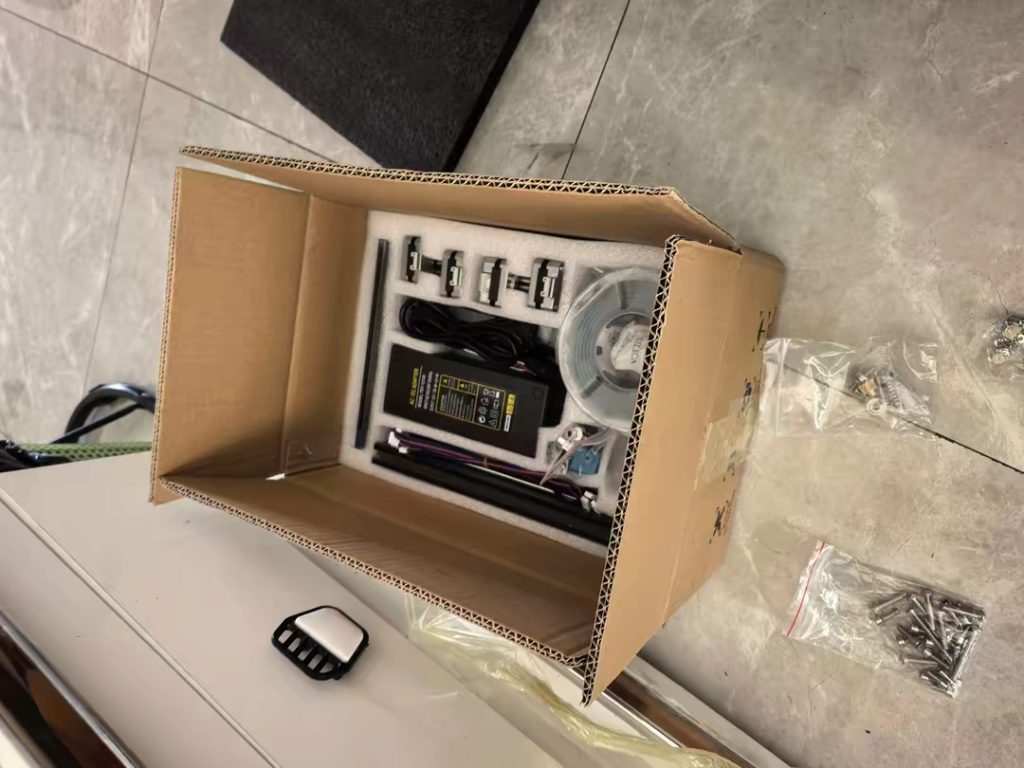
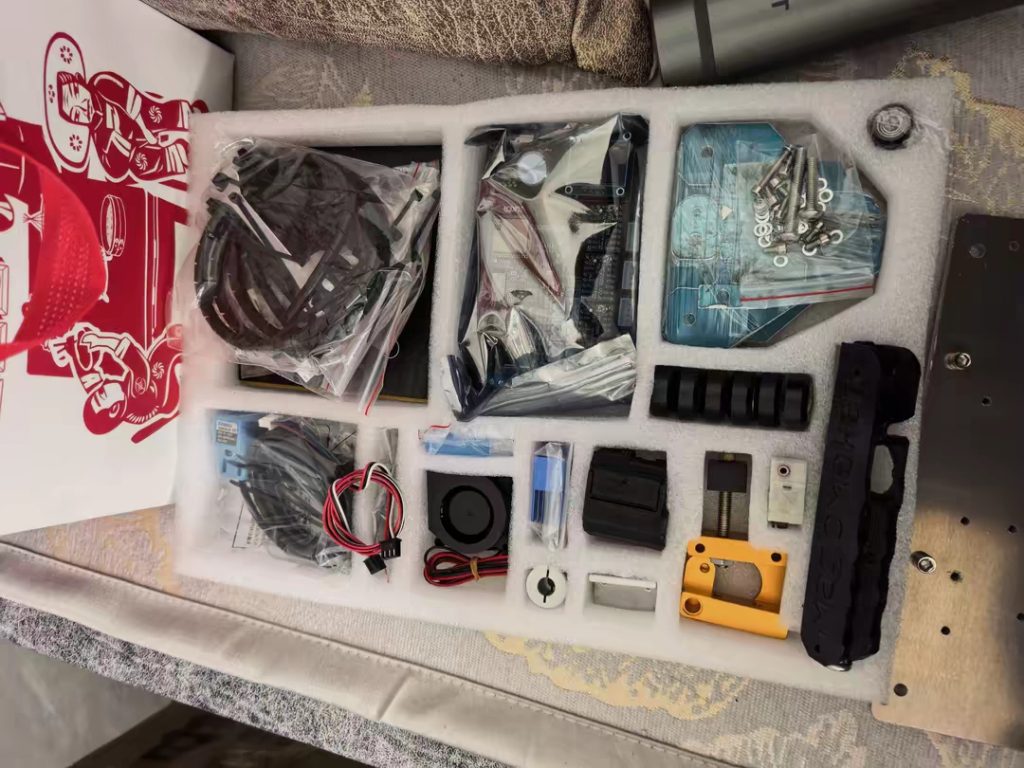
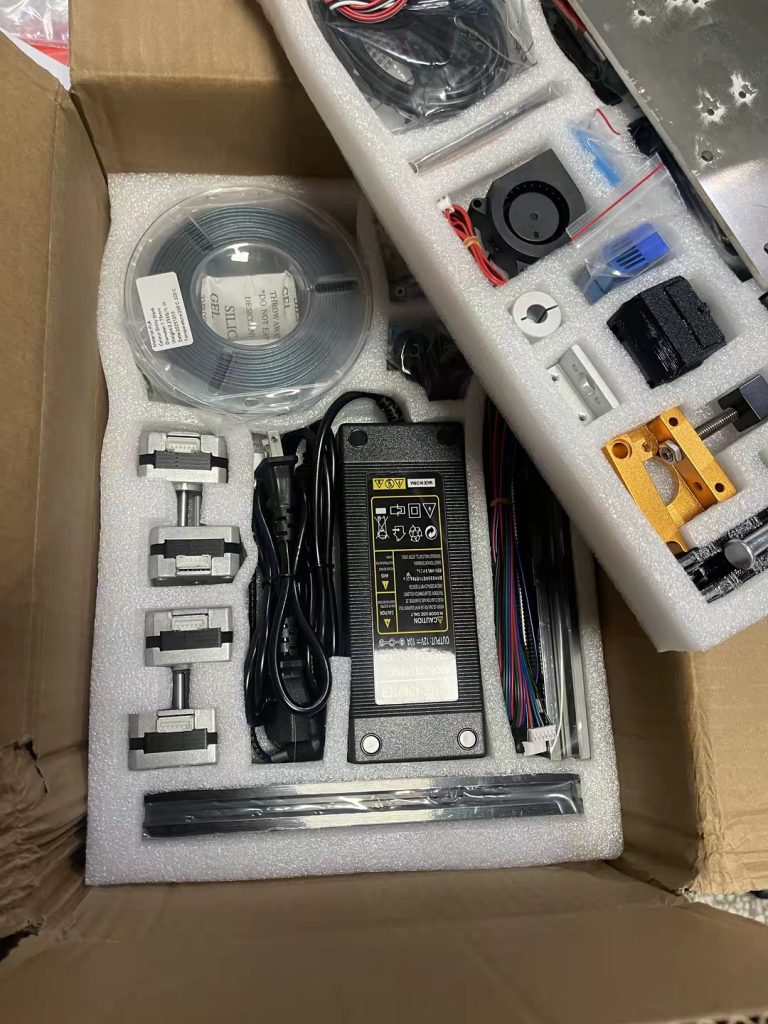
Finding the right 3D printer supplier can be difficult for importers, distributors, retailers, engineering companies, schools, and businesses that need reliable printing equipment at wholesale prices. Many buyers are not only looking for a low unit price. They also need stable quality, customization options, technical support, reliable production capacity, and smooth international shipping.
If you are searching for a custom wholesale 3D printer factory in China, this guide will help you understand how to choose the right manufacturer, avoid common purchasing problems, and build a long-term supply relationship.
What Problems Do Buyers Usually Face When Purchasing 3D Printers?
Before choosing a supplier, it is important to understand the problems that often occur during international 3D printer sourcing.
1. The Product Does Not Match the Original Requirements
Some buyers receive a 3D printer that looks similar to the product shown in the quotation but has different specifications. The printing size, nozzle system, motherboard, software compatibility, or power configuration may not meet the original requirements.
A professional factory should confirm the technical specifications before production, including:
- Printing technology
- Build volume
- Printing speed
- Layer resolution
- Nozzle diameter
- Filament compatibility
- Operating temperature
- Power supply requirements
- Control system
- Connectivity options
- Packaging requirements
A clear specification sheet can significantly reduce communication problems between the buyer and the factory.
2. The Factory Cannot Support Customization
Different buyers often need different 3D printer configurations. A distributor may want a private-label product, while an engineering company may need a larger build volume or a customized printing system.
Common customization requirements include:
- Custom brand logo
- Custom product color
- Customized product housing
- Private-label packaging
- Customized user manuals
- Custom firmware or software settings
- Special voltage and plug configurations
- Customized printing platform
- Customized nozzle systems
- OEM and ODM development
A factory with its own engineering and production capabilities can usually provide more flexible solutions than a simple trading company.
Why Work Directly with a Chinese 3D Printer Factory?
China has a mature manufacturing supply chain for electronics, machinery, automation equipment, and intelligent hardware. This allows professional 3D printer factories to integrate different components and provide competitive wholesale solutions.
More Competitive Wholesale Pricing
Buying directly from a factory can reduce the number of middlemen involved in the supply chain. This can help distributors and importers obtain more competitive pricing, especially when ordering in larger quantities.
However, the lowest price should not be the only purchasing factor. A reliable supplier should provide a balance between:
- Product quality
- Production stability
- Customization capability
- Technical support
- Quality control
- Delivery reliability
A low-cost product that frequently requires repairs may create higher costs for the buyer in the long term.
Flexible OEM and ODM Services
For businesses developing their own brand, OEM and ODM services can be very important.
OEM services may include:
- Applying the buyer’s brand logo
- Customized packaging
- Custom labels
- User manuals
- Product colors
- Product identification
ODM services can involve deeper cooperation, such as modifying the product structure, improving functions, or developing a new product based on the buyer’s application requirements.
Before placing a large order, buyers should clearly discuss the customization process, minimum order quantity, sample process, development costs, and production schedule.
How to Choose the Right Wholesale 3D Printer for Your Market
Different industries require different types of 3D printers. Choosing a product based only on appearance or price may lead to poor market performance.
For Education
Schools and training centers often need:
- Simple operation
- Safe design
- Stable performance
- Easy maintenance
- Reliable software
- Suitable printing materials
A user-friendly printer can reduce training time and help students focus on design and manufacturing.
For Prototyping
Engineering and product development companies may require:
- High dimensional accuracy
- Stable long-term operation
- Flexible material compatibility
- Larger printing volume
- High repeatability
The right printer should be selected according to the materials and prototypes being produced.
For Industrial Applications
Industrial users may need:
- Continuous operation
- High printing stability
- Strong mechanical structure
- Advanced temperature control
- Professional technical support
- Easy maintenance
In these applications, the factory should be able to understand the buyer’s production requirements instead of simply recommending a standard model.
For Retail and Distribution
Distributors often focus on:
- Competitive wholesale pricing
- Stable product supply
- Attractive packaging
- Brand customization
- Product documentation
- After-sales support
- Spare parts availability
A supplier that can support long-term cooperation can help distributors build a stronger local market.
What Should You Ask a Chinese 3D Printer Factory Before Ordering?
Before purchasing, buyers should ask several important questions.
1. Is the Factory a Manufacturer or Trading Company?
Ask whether the supplier has its own:
- Production workshop
- Engineering team
- Assembly line
- Quality control process
- Testing equipment
- Spare parts inventory
A manufacturer with direct production capabilities can often respond more quickly to customization requests and technical problems.
2. Can the Factory Provide Samples?
For new buyers, ordering a sample before a bulk order is a practical way to evaluate:
- Product quality
- Printing performance
- Packaging
- User experience
- Actual product specifications
The sample can also be used for market testing and customer demonstrations.
3. What Is the Minimum Order Quantity?
MOQ may vary depending on the customization level.
A standard product may have a lower MOQ, while customized products may require a larger order because of:
- Custom packaging
- Special components
- Custom molds
- Product color requirements
- Private-label production
Buyers should confirm the MOQ before discussing the final price.
4. How Does the Factory Control Product Quality?
A reliable quality control process should include multiple stages, such as:
- Incoming component inspection
- Assembly inspection
- Electrical testing
- Printing performance testing
- Appearance inspection
- Final packaging inspection
The factory should be able to explain its quality control procedures clearly.
5. Are Spare Parts Available?
Even a high-quality 3D printer may eventually require replacement parts.
Important spare parts may include:
- Nozzles
- Heating components
- Printing platforms
- Motors
- Fans
- Sensors
- Belts
- Control boards
A stable spare parts supply can help reduce downtime for distributors and end users.
How Can Buyers Avoid Common 3D Printer Purchasing Problems?
Problem 1: The Specification Is Not Clear
Solution: Create a detailed technical specification sheet before placing the order.
The document should include the exact product model, dimensions, printing volume, materials, accessories, voltage, packaging, and customization requirements.
Problem 2: The Sample Is Good but the Bulk Order Is Different
Solution: Confirm that the bulk production will follow the approved sample and specifications.
Buyers can also request production photos, testing videos, or pre-shipment inspection before final delivery.
Problem 3: After-Sales Support Is Slow
Solution: Discuss the support process before placing the order.
Important questions include:
- How can technical questions be submitted?
- How quickly does the factory respond?
- Are troubleshooting instructions available?
- Can spare parts be supplied?
- Is remote technical assistance available?
Clear communication before the order can prevent many problems later.
Problem 4: Shipping Damage
3D printers contain precision components and electronic parts. Poor packaging may cause damage during international transportation.
Professional packaging may include:
- Strong export cartons
- Protective foam
- Internal fixation
- Moisture protection
- Customized packaging for long-distance shipping
For larger or more sensitive equipment, additional protective packaging may be required.
How Does the Customization Process Usually Work?
A professional custom 3D printer project normally follows several steps.
Step 1: Discuss Your Requirements
The buyer provides information about:
- Target market
- Intended application
- Product quantity
- Desired specifications
- Brand requirements
- Packaging requirements
Step 2: Confirm the Product Solution
The factory recommends a suitable product configuration and provides technical details.
Step 3: Confirm Sample or Prototype
For customized projects, the buyer may need to test a sample before mass production.
Step 4: Confirm the Final Specifications
The buyer and factory confirm:
- Product specifications
- Logo
- Packaging
- Accessories
- Quality requirements
- Delivery schedule
Step 5: Mass Production
After approval, the factory begins production according to the confirmed requirements.
Step 6: Testing and Delivery
The finished products are inspected, tested, packed, and prepared for international shipment.
Why Is Communication with the Factory Important?
Many international purchasing problems are caused by incomplete communication rather than product quality.
A buyer should clearly explain:
- What the printer will be used for
- What materials will be printed
- How many units are required
- Whether private labeling is needed
- Which country the products will be shipped to
- What voltage and plug standard is required
- What packaging is preferred
The more detailed the information, the easier it is for the factory to recommend the correct solution.
What Is the Best Way to Start a Wholesale 3D Printer Project?
The best approach is to begin with a clear inquiry.
Instead of simply asking, “What is your 3D printer price?”, buyers should provide more information about their requirements.
For example:
- Product type required
- Estimated order quantity
- Target application
- Customization requirements
- Brand requirements
- Destination country
- Required delivery time
This allows the factory to provide a more accurate solution and quotation.
Frequently Asked Questions
Can I customize the logo on a wholesale 3D printer?
Yes. Many professional 3D printer manufacturers can provide private-label services, including product logos, packaging, labels, and manuals.
Can I order a sample before a bulk order?
Yes. A sample order is recommended for new buyers who want to test product quality and printing performance before placing a larger order.
What is the MOQ for customized 3D printers?
The MOQ depends on the product model and customization requirements. Standard products may have a lower MOQ, while customized products may require a larger quantity.
Can the factory customize the product structure?
Some manufacturers can provide deeper OEM and ODM services. The actual customization scope depends on the product design and technical requirements.
Can the factory provide spare parts?
Professional suppliers should be able to provide commonly used spare parts and technical support for long-term customers.
How can I choose the right 3D printer?
The right product depends on your application, printing materials, required build volume, printing accuracy, production volume, and budget. A professional factory can recommend a suitable configuration based on these requirements.
Final Advice for Buyers
Choosing a custom wholesale 3D printer factory in China is not only about finding the cheapest quotation. The most important factors are product suitability, manufacturing capability, customization support, quality control, technical service, spare parts supply, and long-term cooperation.
Before placing a large order, buyers should carefully confirm the product specifications, request samples when necessary, discuss customization requirements, and establish clear quality standards.
If you are looking for a customized 3D printer solution for wholesale distribution, private labeling, education, prototyping, or industrial applications, providing detailed requirements to the factory is the best way to receive an accurate product recommendation and quotation.


No reply content