
China Custom Furniture Factory

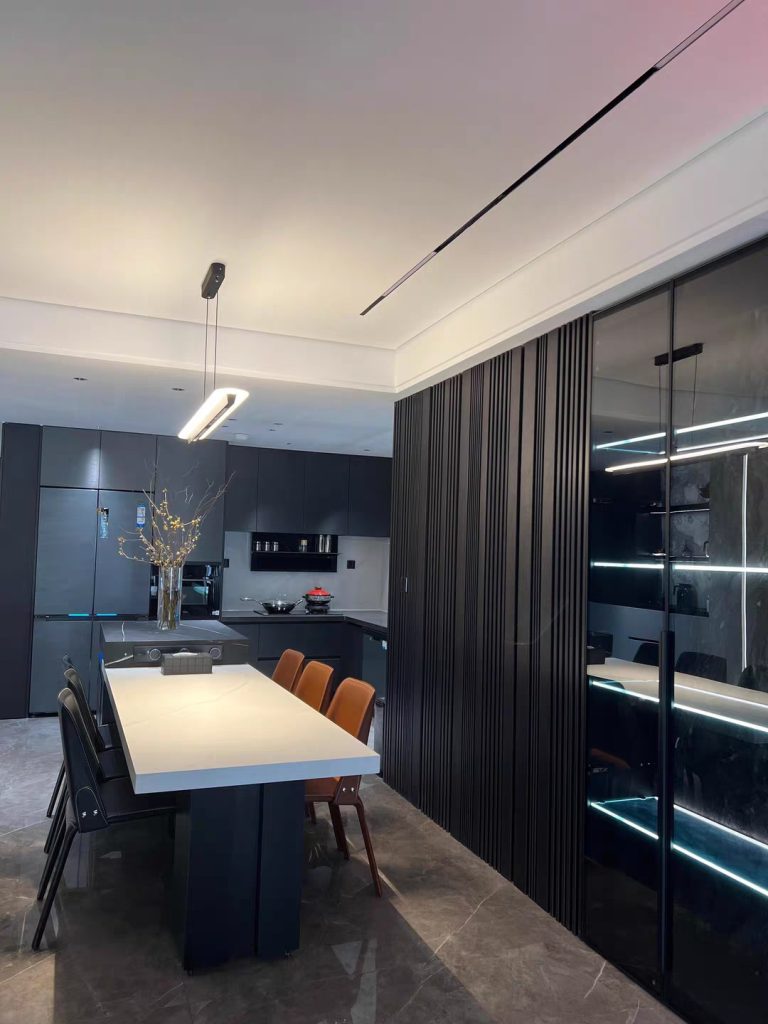
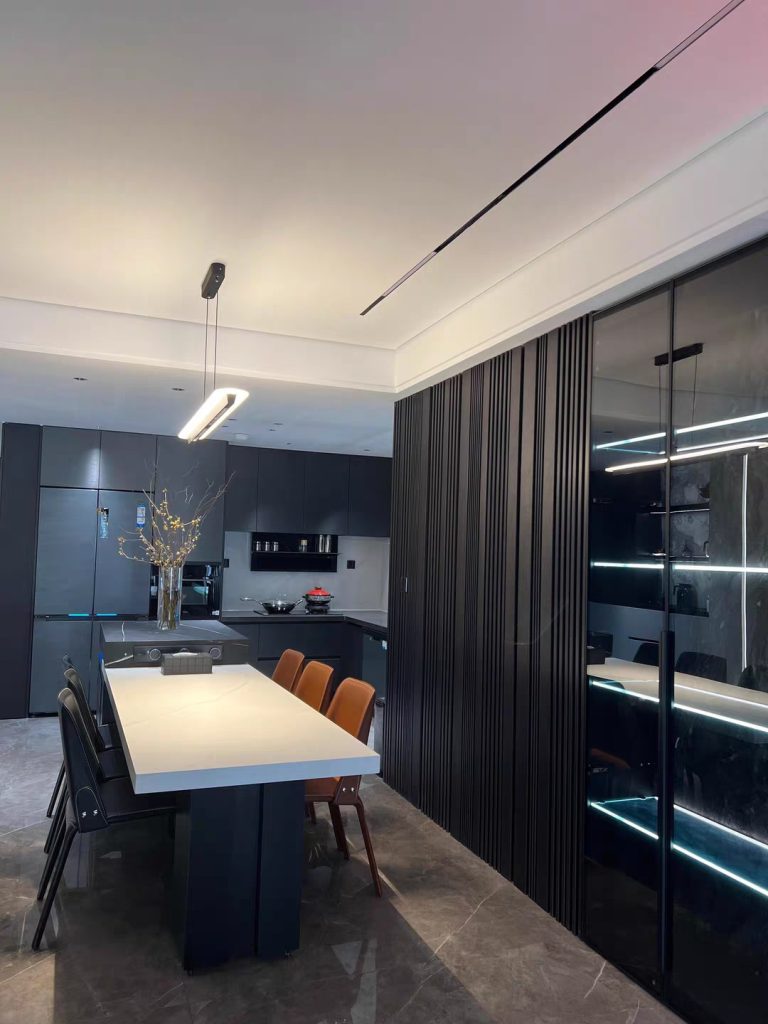
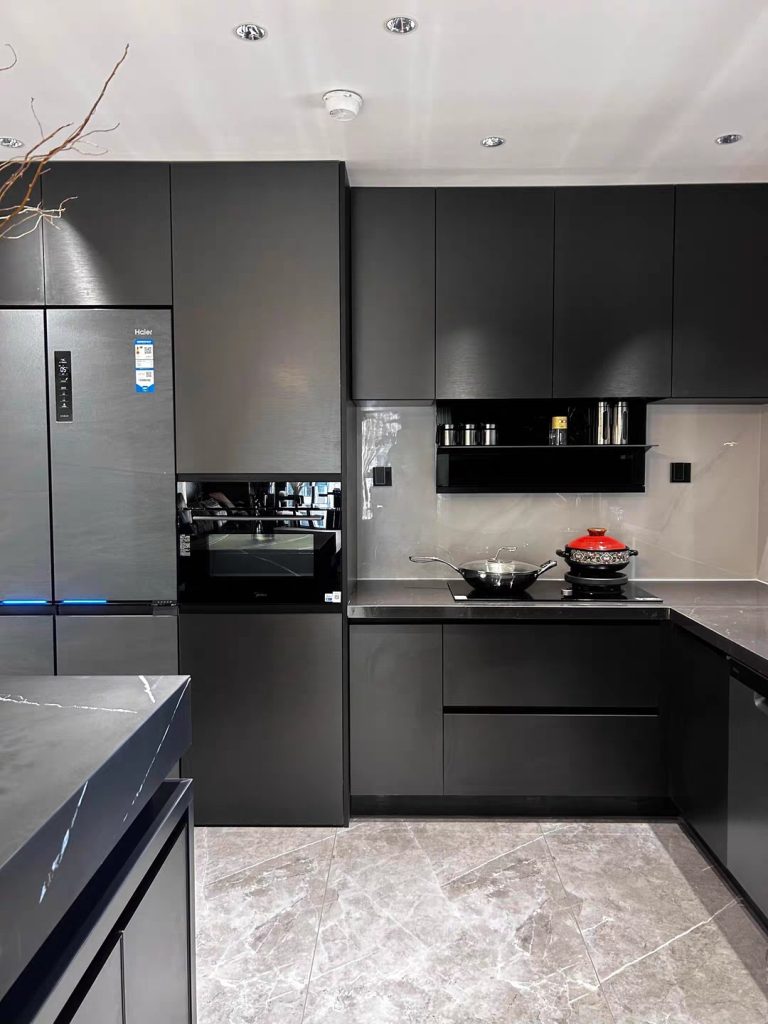
How to Choose a Good Kitchen Furniture Custom Company: A Complete Guide
When it comes to designing your dream kitchen, the right custom furniture can transform a functional space into a heart of the home. However, selecting a reliable kitchen furniture custom company is no small task—it requires research, attention to detail, and a clear understanding of your needs. With so many options available, how do you ensure you partner with a team that delivers quality, style, and value? This guide walks you through the key factors to consider, helping you make an informed decision.
1. Define Your Needs and Budget First
Before reaching out to any company, take time to clarify your goals. A well-defined vision will help you filter out unsuitable options and communicate effectively with potential partners.
Assess Your Space and Lifestyle
-
Measure your kitchen: Note dimensions, existing layout, and structural elements (e.g., windows, doors, outlets).
-
Identify pain points: Do you need more storage? Is counter space limited? Do you want a specific aesthetic (modern, farmhouse, minimalist)?
-
Consider daily use: If you cook frequently, prioritize durable materials and easy-to-clean surfaces. For entertaining, focus on open shelving or a large island.
Set a Realistic Budget
Custom kitchens vary widely in cost, depending on materials, size, and complexity. Research average costs in your area (e.g., 10,000–50,000+ for a full custom project) and allocate 10–15% extra for unexpected expenses. Be transparent about your budget with companies—this helps them propose feasible solutions rather than overpriced designs.
2. Check Credentials and Experience
A company’s track record speaks volumes about its reliability. Look for these signs of professionalism:
Licenses and Certifications
Ensure the company is licensed to operate in your state/region. While not all areas require specific certifications for custom furniture, memberships in industry groups (e.g., the National Kitchen & Bath Association) signal commitment to best practices.
Portfolio of Past Projects
Review their portfolio to see if their style aligns with yours. Pay attention to:
-
Diversity: Do they work on different kitchen sizes and styles?
-
Quality of finishes: Are edges smooth? Do drawers close quietly?
-
Client photos: Authentic before-and-after shots (not stock images) are a good sign.
Years in Business
While new companies can be innovative, established firms often have proven systems for handling challenges (e.g., supply chain delays, design revisions). Aim for a company with at least 5 years of experience in custom kitchen projects.
3. Evaluate Design Capabilities
A great custom company doesn’t just build furniture—they co-create a space that reflects your personality.
In-House Design Team vs. Outsourced
Some companies use third-party designers, which can lead to miscommunication. Opt for firms with dedicated in-house designers who collaborate closely with craftsmen. Ask if you’ll work directly with the designer throughout the project.
Technology Tools
Modern tools streamline the design process and reduce errors:
-
3D rendering software: Allows you to visualize cabinets, countertops, and layouts before production.
-
CAD drawings: Detailed blueprints ensure precision during installation.
-
Virtual consultations: Useful if you prefer remote collaboration.
Collaborative Approach
A good designer listens more than they talk. During initial meetings, share inspiration boards (Pinterest, Houzz) and note how they respond—do they ask clarifying questions or push their own ideas? The goal is a partnership, not a dictatorship.
4. Inspect Material Quality and Craftsmanship
The durability of your kitchen furniture depends on two things: materials and construction.
Materials Matter
Ask about the types of wood, hardware, and finishes used:
-
Cabinet boxes: Plywood is stronger than particleboard (resists warping). Solid wood adds luxury but costs more.
-
Door fronts: Hardwoods (maple, oak) are durable; MDF with veneer is budget-friendly but less scratch-resistant.
-
Hardware: Soft-close hinges/drawers are essential for longevity. Brands like Blum or Hettich are industry standards.
-
Countertops: Quartz is low-maintenance; granite offers natural beauty but requires sealing.
Craftsmanship Details
Visit their workshop (if possible) or ask for photos of unfinished pieces. Look for:
-
Precision cuts: Edges should be straight, joints tight.
-
Finish consistency: No bubbles, streaks, or uneven coloring.
-
Joinery techniques: Dovetail joints (for drawers) are stronger than stapled ones.
5. Understand the Project Timeline and Process
Delays can derail your plans, so clarify timelines upfront.
Typical Timeline Breakdown
-
Design phase: 2–4 weeks (revisions included).
-
Production: 6–12 weeks (depends on material availability).
-
Installation: 3–7 days (requires coordination with plumbers/electricians).
Ask how they handle delays (e.g., supply shortages). Reputable companies provide contingency plans and regular updates.
Communication Channels
Choose a company that assigns a single point of contact (project manager) to avoid confusion. They should respond to emails/calls within 24 hours and send weekly progress reports.
6. Read Reviews and Ask for References
Client feedback reveals what brochures don’t.
Online Reviews
Check Google, Yelp, and Houzz for patterns in reviews:
-
Positive signs: Praise for communication, craftsmanship, and problem-solving.
-
Red flags: Complaints about missed deadlines, hidden fees, or poor after-sales support.
Direct References
Ask the company for 3–5 recent clients to contact. Prepare questions like:
-
“Did the final product match the design?”
-
“Were there any unexpected costs?”
-
“Would you hire them again?”
7. Compare Pricing Structures Transparently
Avoid companies that give vague quotes. A detailed estimate should include:
-
Materials (by line item: cabinets, countertops, hardware).
-
Labor (design, fabrication, installation).
-
Additional fees (delivery, disposal of old furniture).
Be wary of extremely low prices—they may cut corners on materials or labor. Instead, look for value: a mid-range company that uses high-quality components might offer better long-term returns than a cheap one.
8. Review the Contract Carefully
A written contract protects both parties. Ensure it includes:
-
Scope of work: Exact dimensions, materials, and features.
-
Payment schedule: Typically 30% deposit, 50% mid-production, 20% on completion.
-
Warranty: Covers defects in materials/workmanship (aim for 1–5 years).
-
Cancellation policy: Under what conditions can you back out?
If anything is unclear, ask for clarification—never sign a contract with blank spaces.
9. Post-Installation Support
A good company stands by its work. Inquire about:
-
Adjustment period: Can they fix minor issues (e.g., loose handles) for free within 30 days?
-
Maintenance advice: Do they provide care instructions for your materials?
-
Repair services: What’s the process for replacing damaged parts down the line?
Final Thoughts: Trust Your Instincts
Choosing a kitchen furniture custom company is a significant investment, but the right choice will pay off in years of joy. Prioritize companies that align with your values (sustainability, craftsmanship, customer service) and make you feel heard. By following this guide, you’ll turn your kitchen from a project into a passion.
Remember: A great custom kitchen isn’t just about pretty cabinets—it’s about creating a space that works for you. Take your time, ask questions, and enjoy the journey!


No reply content