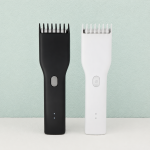
China Professional Hair Clipper Manufacturing Co., Ltd.
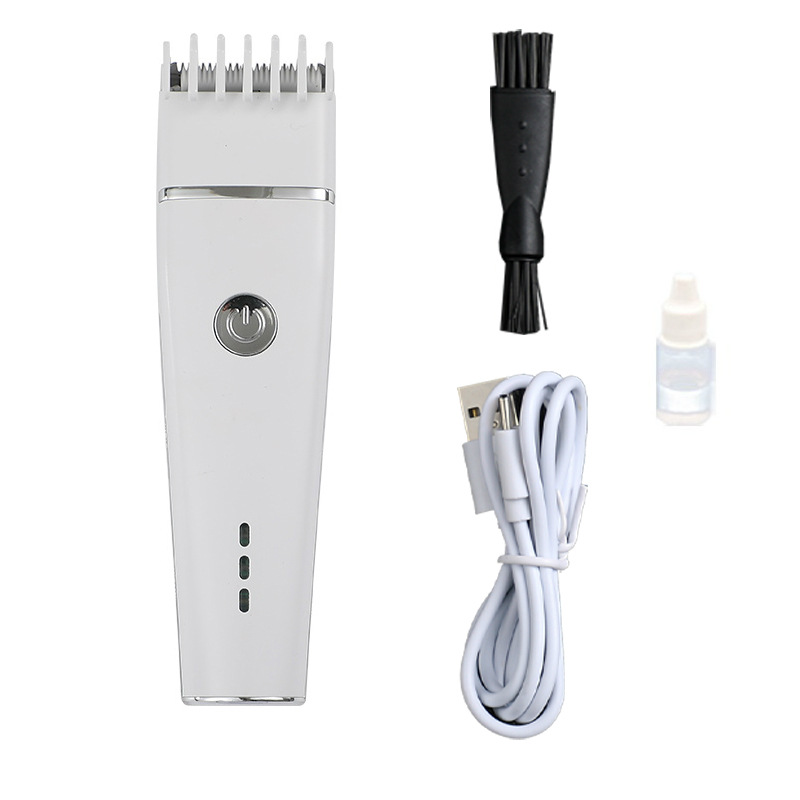
Choosing the right hair clipper manufacturer is an important decision for professional barber shops, salon chains, distributors, wholesalers, and private-label brands.
Professional barbers use clippers much more frequently than ordinary consumers. A clipper may be used dozens of times every day, so cutting performance, motor stability, battery life, ergonomics, durability, and maintenance can directly affect the working experience.
For buyers purchasing in bulk, the challenge is not simply finding a manufacturer with the lowest price. The better approach is to identify a supplier that can consistently produce reliable professional hair clippers and provide the specifications, customization, quality control, and support required by the target market.
This guide explains the key factors to evaluate before choosing a hair clipper manufacturer.
1. Start With the Needs of Professional Barbers
Before contacting manufacturers, define how the clippers will be used.
Professional barber shops may need products for:
-
Hair cutting
-
Skin fades
-
Tapering
-
Lineups
-
Beard trimming
-
Detail work
-
High-volume daily use
-
Cordless operation
-
Travel and mobile barber services
Different applications can require different product characteristics.
For example, a barber who performs frequent fades may prioritize cutting precision and motor performance, while a mobile barber may place greater importance on battery capacity, charging convenience, and product weight.
Understanding the application makes it easier to select the right manufacturer and model.
2. Evaluate the Motor Performance
The motor is one of the most important components of a professional hair clipper.
A good motor should provide stable performance during continuous use.
When evaluating a manufacturer, ask about:
-
Motor type
-
Motor speed
-
Operating stability
-
Heat generation
-
Noise level
-
Load performance
-
Expected service life
A powerful motor is not automatically a better motor.
The overall performance depends on how the motor, blade system, battery, control circuit, and mechanical structure work together.
For professional use, consistent performance can be more important than simply achieving a high advertised RPM.
3. Check the Blade System
The blade directly affects cutting performance.
Ask the manufacturer about:
-
Blade material
-
Blade design
-
Blade width
-
Adjustable blade mechanism
-
Fixed blade options
-
Replacement blade availability
-
Blade maintenance
-
Blade lifespan
Professional barbers may require different blade configurations for different techniques.
For example, a clipper used for fades may need an adjustable blade system that allows the barber to control cutting length precisely.
A manufacturer with several blade options can provide greater flexibility for different professional markets.
4. Test Cutting Performance
Do not judge a professional clipper only from product photographs or specifications.
Request samples and test them in realistic conditions.
Check whether the clipper can:
-
Cut efficiently
-
Maintain consistent power
-
Handle different hair types
-
Produce clean lines
-
Perform fades smoothly
-
Maintain performance during extended use
If you are purchasing for a professional barber shop, ask experienced barbers to test the sample.
Their feedback can be more valuable than a simple technical specification sheet.
5. Evaluate Battery Performance
Cordless operation is now an important feature for many professional barbers.
However, battery capacity alone does not determine actual operating time.
Consider:
-
Battery chemistry
-
Battery capacity
-
Charging time
-
Actual runtime
-
Battery management system
-
Battery replacement options
-
Charging interface
-
Charger specifications
For example, a manufacturer may advertise a large battery capacity, but actual runtime depends on motor efficiency, operating conditions, blade resistance, and electronic control.
Ask the manufacturer for realistic runtime information under normal working conditions.
6. Check Charging and Power Options
Professional users need convenient charging.
Depending on the target market, useful features may include:
-
USB charging
-
USB-C charging
-
Charging stand
-
Direct charging cable
-
Fast charging
-
Battery indicator
-
Travel charging compatibility
For international buyers, also confirm the charger specifications for the destination market.
Questions may include:
-
What input voltage is supported?
-
Which plug type is available?
-
Are different chargers available?
-
Is certification available for the target market?
The manufacturer should be able to provide the appropriate documentation for the products being supplied.
7. Consider Ergonomics and Weight
A professional barber may hold a clipper for several hours a day.
Therefore, ergonomics can have a major impact on usability.
Check:
-
Overall weight
-
Handle shape
-
Grip design
-
Button position
-
Balance
-
Vibration
-
Heat around the housing
A clipper that feels comfortable for five minutes may not necessarily be comfortable during a full working day.
When evaluating samples, have professional users test them for extended periods.
8. Check Heat and Noise Levels
Professional equipment can generate heat during continuous operation.
Excessive heat can affect user comfort and may indicate that the motor or electronics are under stress.
Similarly, excessive noise can be undesirable in a professional salon environment.
Ask the manufacturer about:
-
Motor noise
-
Operating temperature
-
Continuous-use testing
-
Thermal protection
-
Overload protection
The exact acceptable levels depend on the product design and intended market.
9. Look at Build Quality
A professional clipper should be designed for repeated daily use.
Inspect:
-
Housing material
-
Switch quality
-
Button durability
-
Blade mounting
-
Charging port
-
Battery compartment
-
Screws
-
Internal structure
-
Surface finish
Pay particular attention to components that users frequently touch or operate.
A weak switch or charging port can become a significant problem when the product is used intensively.
10. Ask About Quality Control
A reliable manufacturer should have a defined quality-control process.
Quality checks may cover:
Incoming Materials
-
Motors
-
Batteries
-
Blades
-
Circuit boards
-
Housing components
-
Chargers
-
Accessories
Production
-
Assembly
-
Blade alignment
-
Motor installation
-
Battery installation
-
Charging function
-
Switch operation
Finished Product
-
Cutting performance
-
Charging
-
Runtime
-
Noise
-
Appearance
-
Packaging
Ask the manufacturer whether products are individually tested before shipment.
For professional equipment, functional testing can be particularly important.
11. Check Battery Safety and Documentation
Because cordless hair clippers commonly use rechargeable lithium batteries, buyers should pay close attention to battery specifications and shipping documentation.
Ask for relevant information such as:
-
Battery type
-
Battery capacity
-
Battery voltage
-
Safety documentation
-
Transportation documentation where applicable
-
Product certifications required for the target market
Do not assume that a supplier’s statement that a product is “certified” automatically means it meets every requirement in your destination country.
Confirm which certification applies to the exact product model.
12. Verify Certifications for Your Target Market
Different countries and markets can have different compliance requirements.
Depending on where you plan to sell the clippers, requirements may involve:
-
Electrical safety
-
Electromagnetic compatibility
-
Battery requirements
-
Charger requirements
-
Labeling
-
Packaging
-
User instructions
Tell the manufacturer your destination market before production.
For example, requirements for the European market may differ from those for the United States or other regions.
The manufacturer should provide documentation corresponding to the actual model being supplied.
13. Evaluate OEM and Private-Label Capability
If you are building your own barber-equipment brand, OEM capability becomes especially important.
Possible customization options include:
-
Brand logo
-
Housing color
-
Blade design
-
Packaging
-
User manual
-
Product labels
-
Charging accessories
-
Gift boxes
-
Retail cartons
-
Product combinations
Ask whether the manufacturer can provide a complete private-label solution rather than only adding a logo to an existing product.
14. Check MOQ Requirements
Minimum order quantity can significantly affect your purchasing decision.
Ask about:
-
MOQ for standard models
-
MOQ for custom colors
-
MOQ for custom packaging
-
MOQ for logo printing
-
MOQ for customized components
-
Sample order quantities
For a new brand, a lower MOQ can reduce inventory risk.
For established distributors, a higher MOQ may be acceptable if it provides better unit economics.
15. Compare the Total Cost, Not Just Unit Price
The cheapest quotation is not necessarily the cheapest purchasing solution.
Consider:
Total Cost = Product Price + Packaging + Shipping + Import Costs + Quality Losses + Warranty Costs
For example, a low-cost clipper with a high defect rate may create:
-
Returns
-
Replacements
-
Customer complaints
-
Warranty claims
-
Negative reviews
These costs can exceed the original price difference.
Therefore, compare manufacturers based on overall value.
16. Test Samples Before Ordering in Bulk
Sample testing is one of the most important steps when choosing a manufacturer.
Test the sample under realistic conditions.
Cutting
Test different hair types and cutting techniques.
Battery
Measure actual working time.
Charging
Check charging speed and charging stability.
Heat
Use the clipper continuously and monitor how it feels during operation.
Noise
Compare the sound level with competing products.
Ergonomics
Ask barbers to use it for an extended period.
Durability
Check buttons, blade adjustment, charging port, and housing quality.
The goal is to discover problems before committing to a large order.
17. Evaluate Replacement Parts
Professional users may need replacement components during the product’s service life.
Ask whether the manufacturer can supply:
-
Replacement blades
-
Blade screws
-
Batteries
-
Chargers
-
Charging stands
-
Guards
-
Switches
-
Housing components
A manufacturer with a reliable spare-parts supply can make after-sales service much easier.
This is particularly important for distributors and barber-equipment brands.
18. Ask About Warranty Support
Warranty terms should be clearly defined before placing a large order.
Ask:
-
What is the warranty period?
-
What defects are covered?
-
How are defective products handled?
-
Are replacement parts available?
-
Who pays the replacement shipping cost?
-
Is there a minimum defect threshold?
-
How are warranty claims documented?
A clear warranty policy can prevent disagreements later.
19. Check Production Capacity
A manufacturer may produce excellent samples but struggle to maintain quality when the order becomes large.
Ask about:
-
Monthly production capacity
-
Current production schedule
-
Peak-season capacity
-
Number of assembly lines
-
Quality-control staff
-
Battery supply
-
Motor supply
-
Repeat-order lead time
If your business grows rapidly, you want a manufacturer capable of increasing production without significantly reducing quality.
20. Evaluate Communication
Communication is often overlooked when choosing a manufacturer.
Before placing an order, see whether the supplier can clearly answer questions about:
-
Motor specifications
-
Battery performance
-
Blade materials
-
Certifications
-
MOQ
-
Production time
-
Packaging
-
Warranty
-
Spare parts
A supplier that provides detailed technical answers is generally easier to work with than one that only focuses on price.
21. Check Packaging for International Shipping
Hair clippers may travel through several logistics stages before reaching the customer.
Packaging should protect:
-
Housing
-
Blades
-
Charging ports
-
Accessories
-
Display screens
-
Switches
-
Chargers
For retail products, packaging also affects the customer’s first impression.
Ask the manufacturer whether they can provide:
-
Individual retail boxes
-
Protective inserts
-
Outer cartons
-
Custom packaging
-
Barcode labels
-
Shipping marks
For large orders, request the carton dimensions and gross weight so that freight costs can be calculated accurately.
22. Compare Manufacturers With the Same Specifications
When requesting quotations from several factories, use the same product requirements.
For example:
Product: Professional Cordless Hair Clipper
Motor: Required specification
Battery: Required capacity
Blade: Required material
Runtime: Required target
Charging: USB-C or specified method
Color: Custom
Logo: Private label
Packaging: Retail box
Quantity: 500 units
This makes supplier comparison much more meaningful.
Otherwise, one manufacturer may quote a lower price simply because it is offering a different specification.
23. A Practical Manufacturer Evaluation Table
Factor |
What to Evaluate |
|---|---|
Motor |
Stability and performance |
Blade |
Material and cutting quality |
Battery |
Capacity and actual runtime |
Charging |
Speed and convenience |
Ergonomics |
Weight, grip and balance |
Heat |
Comfort during continuous use |
Noise |
Operating sound |
Quality Control |
Testing procedures |
Certifications |
Target-market compliance |
OEM |
Customization capability |
MOQ |
Standard and customized orders |
Spare Parts |
Availability |
Warranty |
Support policy |
Production |
Capacity and lead time |
Packaging |
Export and retail packaging |
A scoring system can help buyers objectively compare several manufacturers.
24. Common Mistakes When Choosing a Manufacturer
Mistake 1: Choosing Only by Price
A low price does not guarantee professional quality.
Mistake 2: Trusting Advertised Runtime
Always test actual battery performance.
Mistake 3: Ignoring Motor Performance
Professional users need consistent cutting performance.
Mistake 4: Skipping Sample Testing
A sample can reveal problems before mass production.
Mistake 5: Ignoring Spare Parts
Professional customers may need replacement components.
Mistake 6: Not Confirming Certifications
Compliance requirements depend on the target market.
Mistake 7: Ordering Too Many Models
New distributors can reduce inventory risk by testing a smaller number of carefully selected models first.
25. Questions to Ask a Hair Clipper Manufacturer
Before placing an order, consider asking:
-
What motor do you use?
-
What is the motor speed?
-
What blade materials are available?
-
Is the blade adjustable?
-
What is the battery capacity?
-
What is the realistic working time?
-
How long does charging take?
-
What charging methods are available?
-
How is heat controlled during continuous use?
-
What quality-control tests are performed?
-
What certifications are available for the target market?
-
Can you provide samples?
-
What is the MOQ?
-
Can you customize the logo and packaging?
-
Can you supply replacement blades and batteries?
-
What is the warranty policy?
-
What is the production lead time?
-
What is your monthly production capacity?
A professional manufacturer should be able to provide clear and specific answers.
26. How to Choose the Right Manufacturer for Your Business
The ideal manufacturer depends on your business model.
Barber Shop
Prioritize:
-
Cutting performance
-
Reliability
-
Ergonomics
-
Battery life
-
Durability
Distributor
Prioritize:
-
Stable quality
-
Competitive pricing
-
Production capacity
-
Packaging
-
Spare parts
-
Warranty support
Private-Label Brand
Prioritize:
-
OEM capability
-
Custom design
-
Packaging
-
Product development
-
Quality consistency
-
Compliance documentation
Online Retailer
Prioritize:
-
Product quality
-
Appearance
-
Packaging
-
Competitive landed cost
-
Low defect rate
-
Reliable fulfillment


No reply content