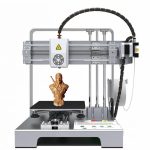
3D Printer Suppliers in Shenzhen China
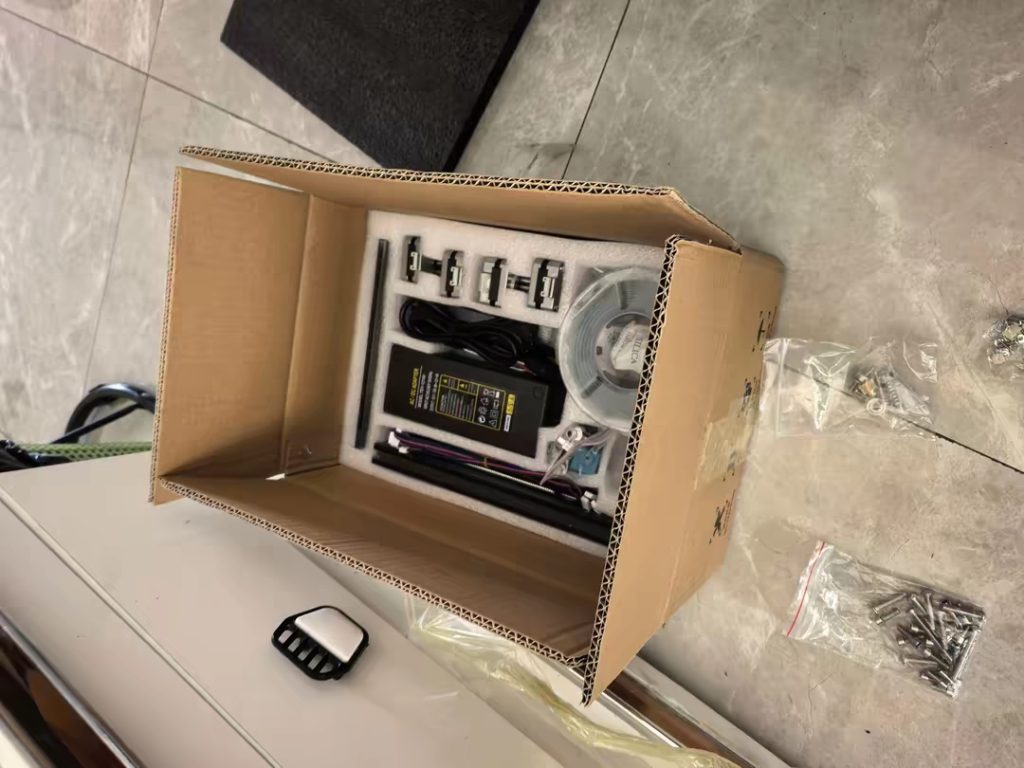
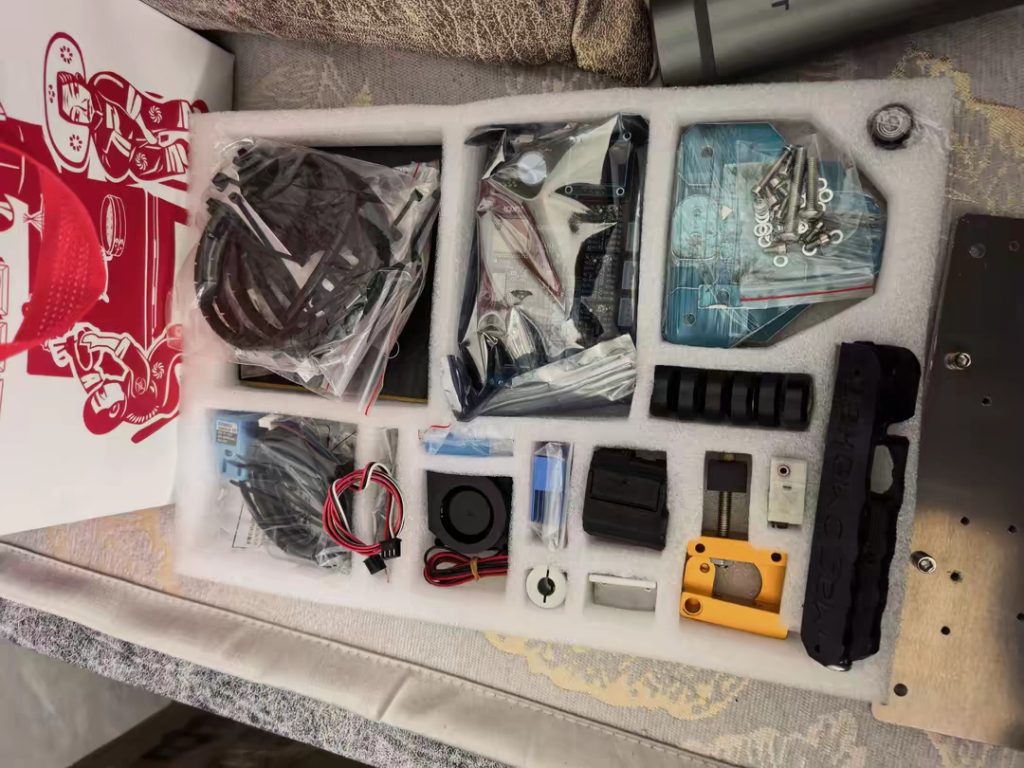
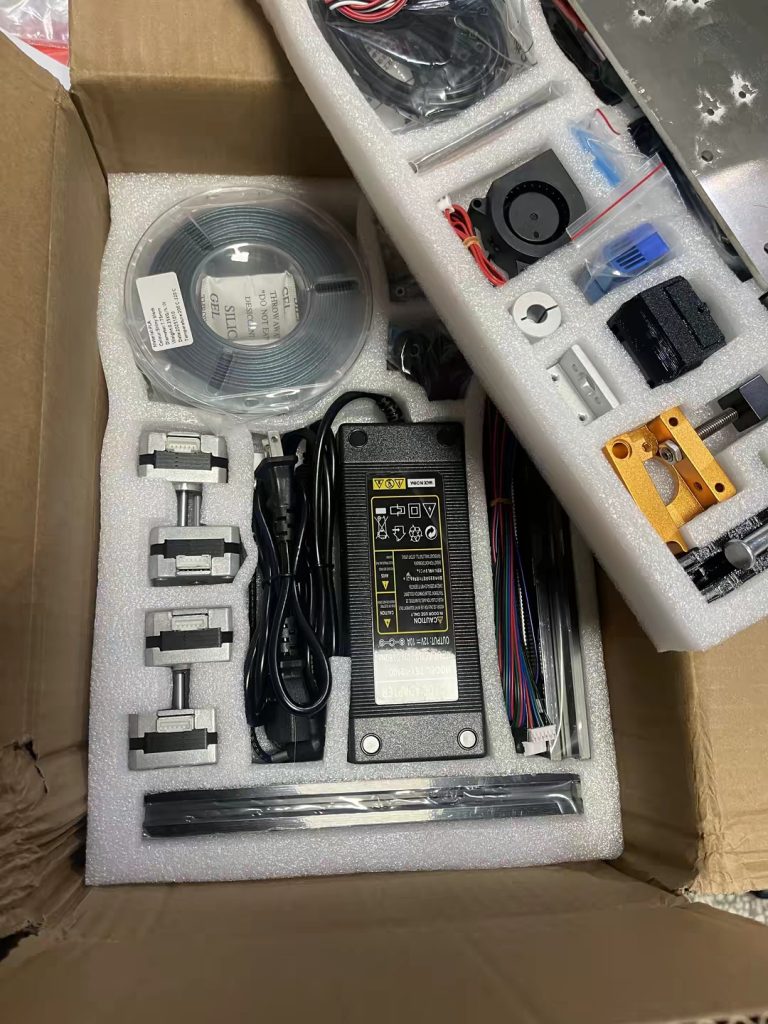
In the rapidly evolving world of additive manufacturing, the phrase “you get what you pay for” is no longer an absolute rule. The Chinese desktop 3D printer market has matured to a point where affordability no longer requires sacrificing performance. For startups, makers, and small businesses on a tight budget, 2026 presents a unique opportunity: access to industrial-grade features at a fraction of the legacy cost.
However, navigating the sea of options requires a strategic eye. Here is how to select a high-performance machine without breaking the bank.
1. Look Beyond the Print Bed Size
Many budget buyers fall into the trap of thinking “bigger is better.” A massive build volume is useless if the frame is flimsy or the motion system is inaccurate.
-
The Strategy: Prioritize core rigidity and component quality. Look for stable frames and reliable extrusion systems. A slightly smaller, more precise machine will produce better functional parts than a large, unstable one.
2. Prioritize Open-Source Compatibility
Proprietary ecosystems can lock you into expensive branded filaments or limited software.
-
The Strategy: Opt for brands that embrace open-source slicing software and standardized components. This ensures you can use third-party materials and easily find replacement parts, drastically reducing your long-term operating costs.
3. Evaluate the Firmware and User Experience
A cheap printer that takes days to calibrate is an expensive waste of time.
-
The Strategy: Look for features that minimize setup friction. Auto-bed leveling, intuitive touchscreen interfaces, and quiet stepper drivers are no longer luxuries; they are necessities for a smooth workflow.
4. Assess Community and Support
When a print fails at midnight, you need answers fast.
-
The Strategy: Research the brand’s online presence. Is there an active user community? Are troubleshooting guides readily available? A strong community acts as a free, 24/7 support team.


No reply content