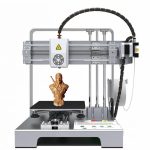
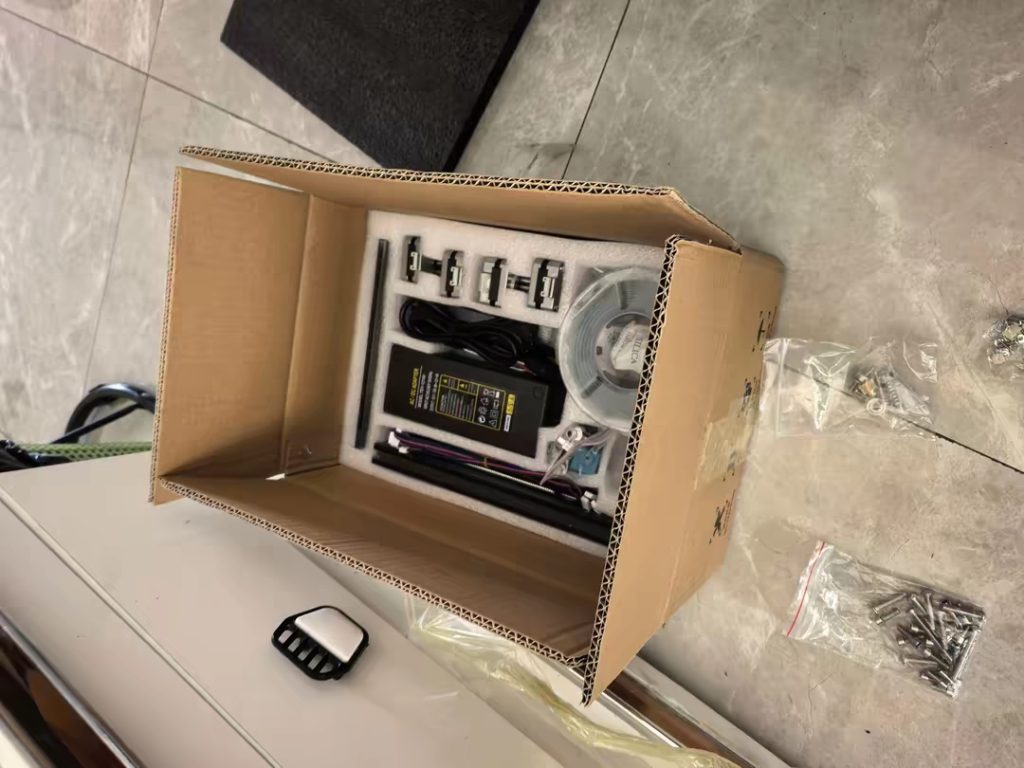
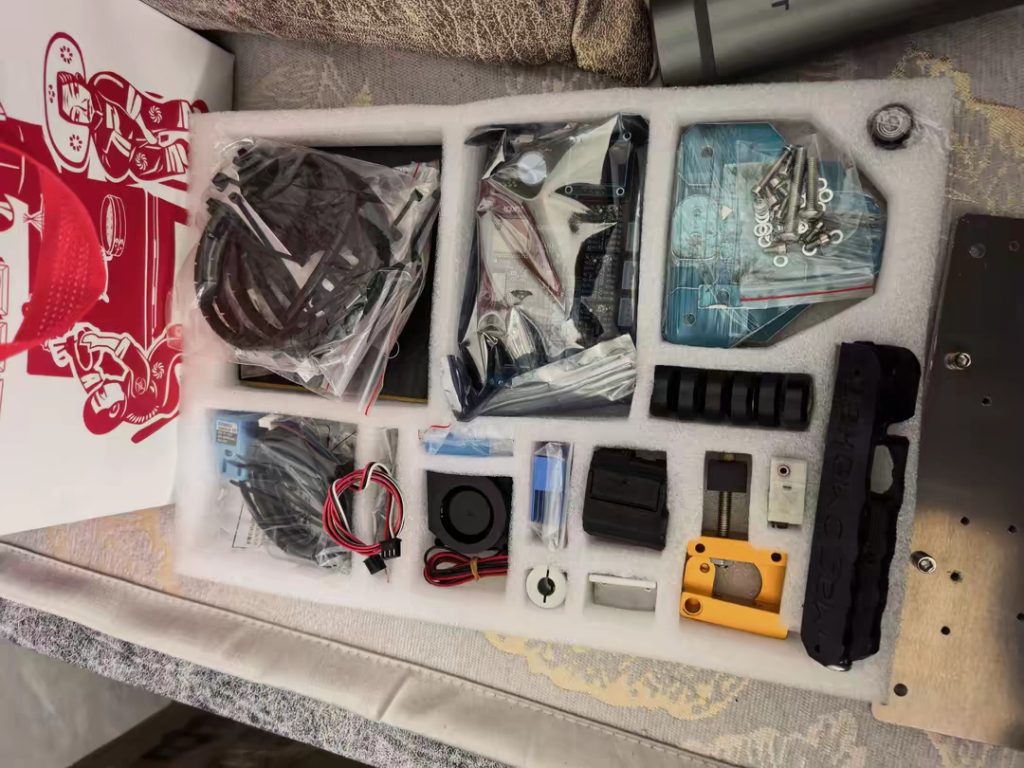
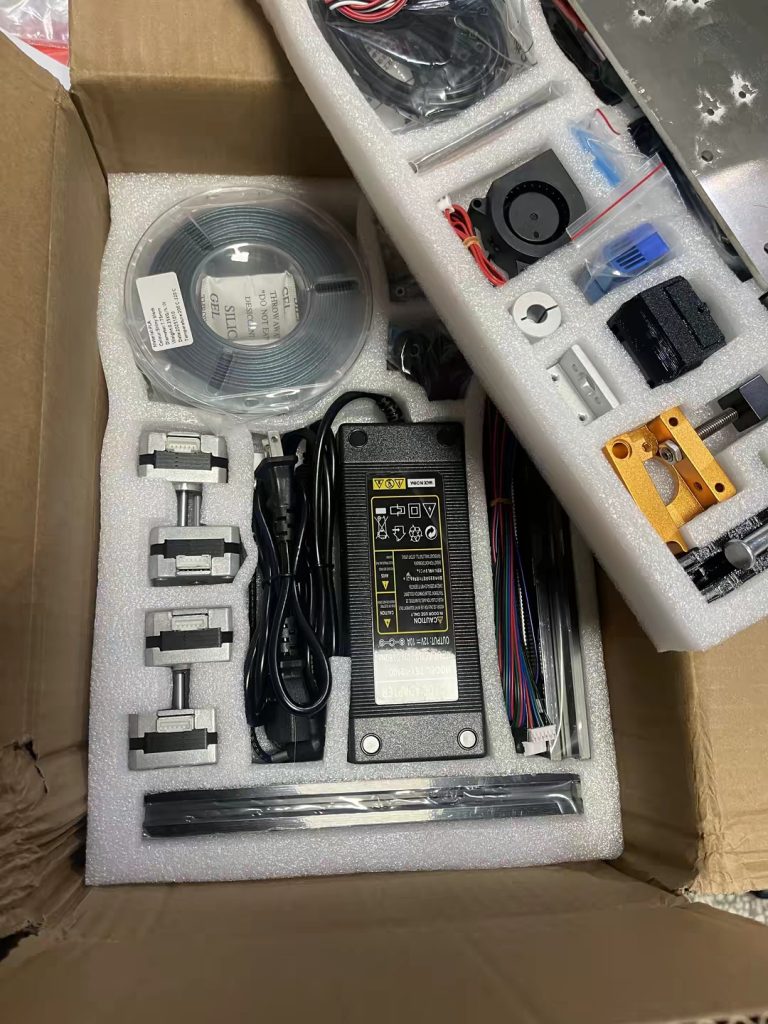
Finding a reliable 3D printer supplier in China can significantly improve your product quality, reduce procurement costs, and help your business scale faster. Whether you are an importer, distributor, reseller, educational institution, or industrial manufacturer, choosing the right supplier is one of the most important decisions you will make.
China is home to thousands of 3D printer manufacturers, but not every factory offers the same level of quality, technical support, or production capability. This guide explains how to evaluate suppliers and avoid common sourcing mistakes.
Why Buy 3D Printers from China?
China has become one of the world’s largest manufacturing hubs for desktop and industrial 3D printers.
Advantages include:
- Competitive factory pricing
- Advanced manufacturing capabilities
- OEM & ODM customization
- Fast production lead times
- Strong supply chain
- Wide range of printer technologies
- Global shipping experience
Whether you need FDM, SLA, DLP, LCD, or industrial-grade printers, Chinese manufacturers can provide solutions for different industries.
Types of 3D Printers Available
A professional supplier usually offers multiple product categories.
FDM 3D Printers
Ideal for:
- Education
- Hobbyists
- Product prototyping
- Small businesses
Advantages:
- Low operating cost
- Easy maintenance
- Large material selection
Resin (SLA/LCD) 3D Printers
Suitable for:
- Jewelry
- Dental
- Medical models
- Miniatures
Advantages:
- High precision
- Smooth surface finish
- Excellent detail
Industrial 3D Printers
Designed for:
- Automotive
- Aerospace
- Manufacturing
- Engineering
Features:
- Large build volume
- High-speed printing
- Industrial-grade materials
- Continuous production
How to Evaluate a 3D Printer Supplier
1. Manufacturing Experience
Choose suppliers with years of production experience.
Check whether they have:
- Dedicated production lines
- Professional R&D teams
- Quality control systems
- Export experience
Experienced manufacturers are more likely to provide stable product quality.
2. Product Certifications
International certifications indicate compliance with market requirements.
Common certifications include:
- CE
- FCC
- RoHS
- ISO 9001
These certifications help simplify customs clearance and market entry.
3. Production Capacity
Ask questions such as:
- Monthly production capacity
- Lead time
- Factory size
- Number of employees
Large production capacity ensures timely delivery for bulk orders.
4. Quality Control
Reliable suppliers inspect products before shipment.
Quality inspections may include:
- Component inspection
- Printing accuracy tests
- Functional testing
- Packaging inspection
- Burn-in testing
Quality control reduces warranty claims and customer complaints.
5. Technical Support
Good suppliers provide:
- User manuals
- Assembly videos
- Firmware updates
- Remote troubleshooting
- Spare parts supply
Strong after-sales support helps reduce downtime.
OEM and ODM Services
Many businesses need customized products.
Professional suppliers usually offer:
- Logo printing
- Custom packaging
- Private labeling
- Firmware customization
- Software branding
- Customized colors
- New product development
OEM services help distributors build their own brands.
Questions to Ask Before Ordering
Before placing an order, ask your supplier:
- What printing technologies do you offer?
- What materials are supported?
- Can you provide sample testing?
- What is the warranty period?
- Do you provide spare parts?
- Can you support dropshipping?
- What certifications do your products have?
- What is your production lead time?
These questions reduce purchasing risks.
Shipping Options
Most Chinese suppliers offer worldwide shipping.
Common methods include:
Express
Best for:
- Samples
- Small orders
Delivery:
3–7 days
Air Freight
Suitable for:
- Medium orders
- Fast delivery
Delivery:
5–10 days
Sea Freight
Ideal for:
- Bulk purchases
- Container shipments
Lower transportation costs.
Door-to-Door Shipping
Many suppliers can arrange:
- Customs clearance
- Tax handling
- Final delivery
This simplifies the import process.
Industries Using 3D Printers
Professional 3D printers are widely used in:
- Education
- Healthcare
- Automotive
- Aerospace
- Architecture
- Consumer products
- Electronics
- Jewelry
- Dental laboratories
- Product design
- Manufacturing
- Research institutions
Common Mistakes When Choosing a Supplier
Avoid these common sourcing errors:
- Choosing only the lowest price
- Ignoring factory verification
- Not requesting samples
- Overlooking after-sales service
- Failing to confirm certifications
- Ignoring spare parts availability
- Not checking production capacity
A low purchase price may lead to higher maintenance and warranty costs later.
Why Long-Term Cooperation Matters
Working with the same supplier can bring several advantages:
- Better pricing
- Stable quality
- Faster production
- Priority scheduling
- Easier communication
- Continuous technical support
Long-term partnerships often improve supply chain efficiency.
Why Choose Our 3D Printer Supply Solutions?
We work with experienced Chinese manufacturers to provide reliable 3D printing solutions for global buyers.
Our services include:
- OEM & ODM manufacturing
- Factory-direct pricing
- Strict quality inspection
- Worldwide shipping
- Fast quotation
- Technical support
- Private label solutions
- Flexible MOQ
- Export documentation assistance
- Professional customer service
Whether you need desktop 3D printers, industrial machines, or customized manufacturing solutions, we can help you find the right products for your market.
Request a Free Quote Today
Looking for a dependable 3D printer supplier in China?
Contact us today with your requirements, including printer type, quantity, destination country, and customization needs. Our team will provide a competitive quotation, recommend the most suitable solution, and help you source high-quality 3D printers with reliable global delivery.
FAQ
1. What is the minimum order quantity (MOQ)?
MOQ varies by model. Many suppliers support sample orders before mass production.
2. Can I customize the printer with my own brand?
Yes. OEM and private-label services are available for logos, packaging, firmware, and user manuals.
3. Do you ship worldwide?
Yes. We support express, air freight, sea freight, and door-to-door delivery to most countries.
4. How long is the production lead time?
Sample orders are typically ready within 3–7 days, while bulk production usually takes 15–35 days, depending on order size.
5. What file formats do your 3D printers support?
Most printers support common formats such as STL, OBJ, and 3MF, depending on the model and slicing software.
6. Do you provide technical support after purchase?
Yes. We offer user documentation, troubleshooting assistance, firmware updates, and spare parts support.
7. How can I get an accurate quotation?
Please send your required printer type, quantity, destination country, and any customization requirements. We will prepare a tailored quotation as quickly as possible.


No reply content