3D Printer Suppliers in Shenzhen China
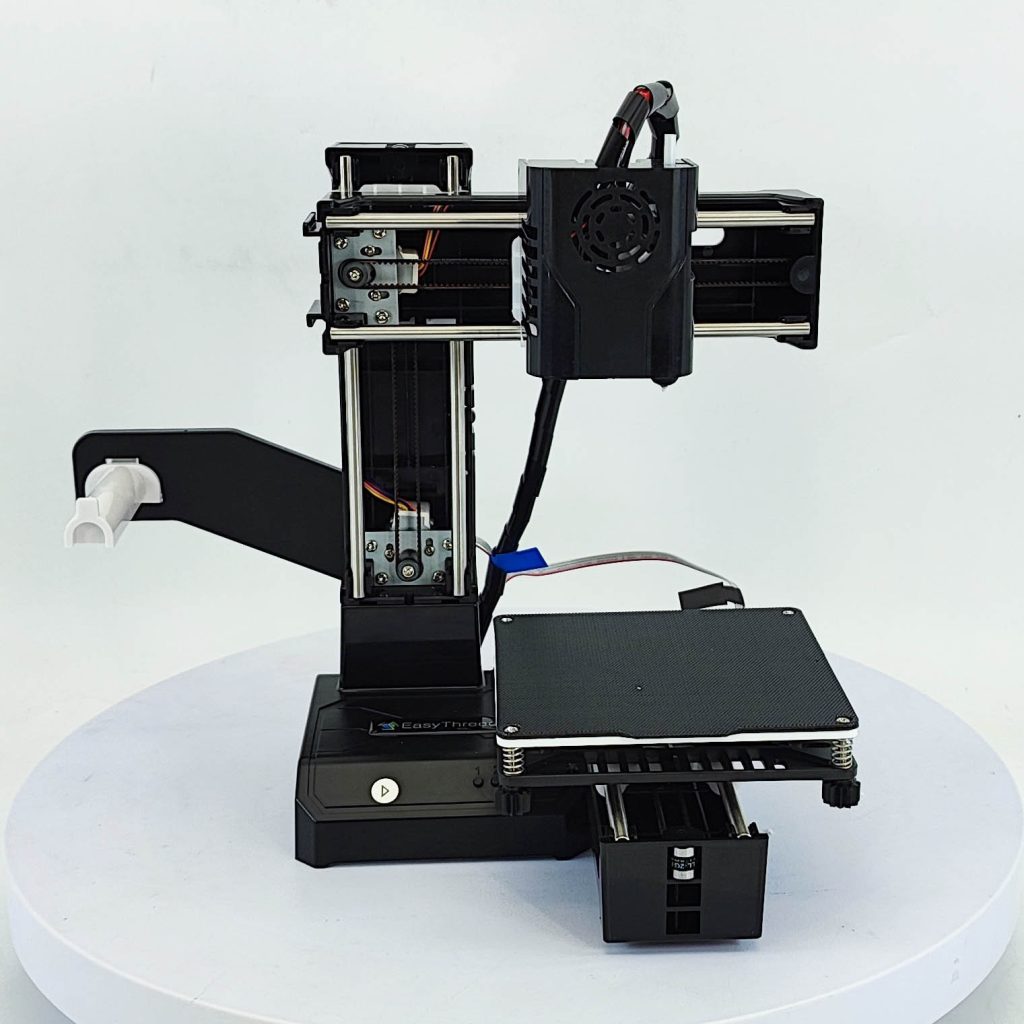
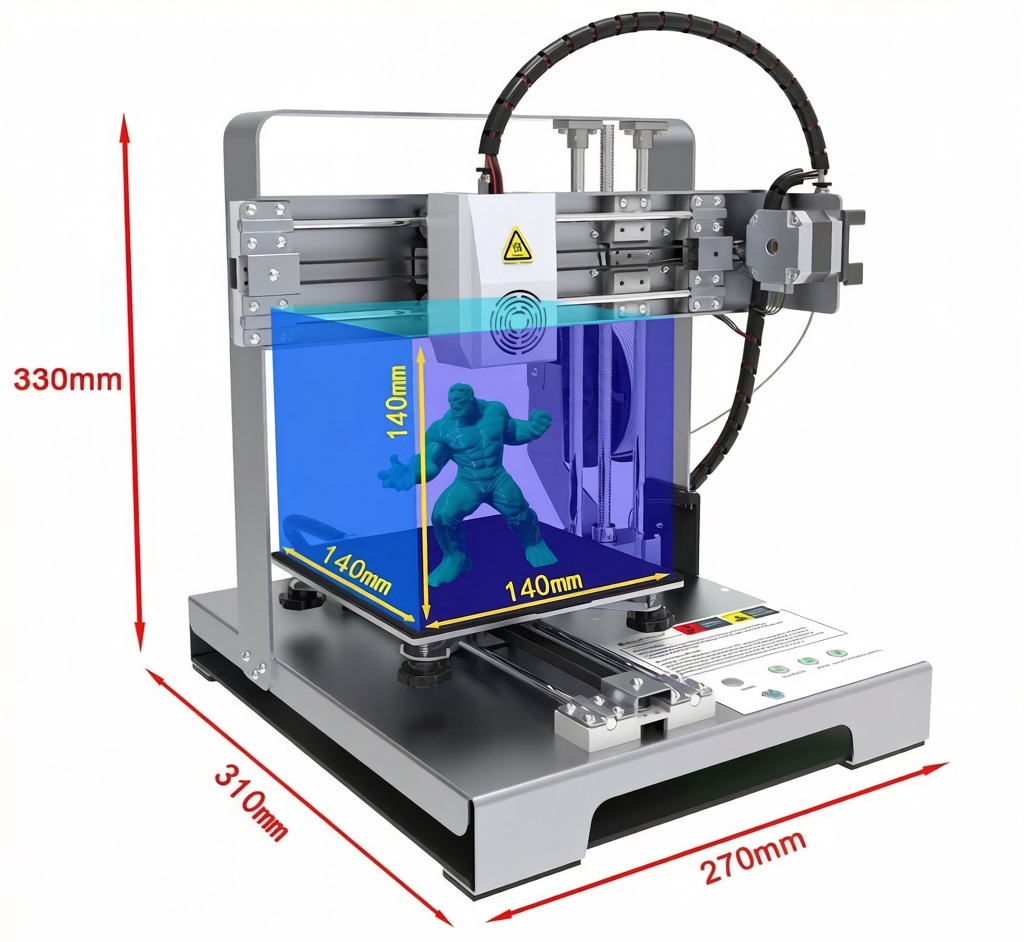
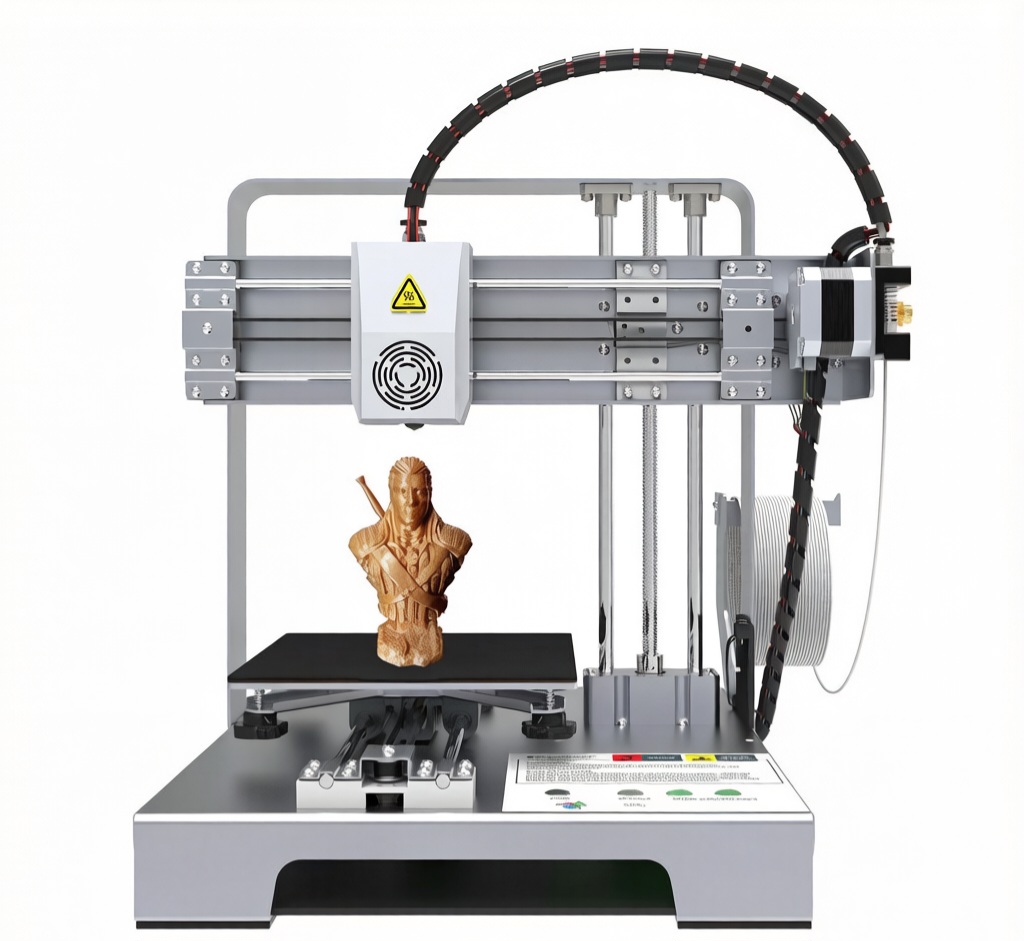
As 3D printing technology continues to revolutionize manufacturing, education, healthcare, and product development, global demand for affordable and high-quality 3D printers is growing rapidly. China has become one of the world’s leading exporters of 3D printers, supplying customers across North America, Europe, Southeast Asia, the Middle East, and South America.
However, with hundreds of suppliers available, many buyers face the same challenge: how to find a reliable China 3D printer exporter that offers consistent quality, competitive prices, and dependable after-sales support.
This guide will help you avoid common mistakes and choose the right supplier for your business.
Why Import 3D Printers from China?
Chinese manufacturers have become major players in the global 3D printing industry because they offer:
-
Competitive factory prices.
-
Advanced manufacturing capabilities.
-
Wide product selections.
-
OEM and ODM customization services.
-
Fast production and worldwide shipping.
-
Mature supply chains and spare parts availability.
Whether you are a distributor, retailer, educational institution, or industrial user, sourcing from China can significantly reduce costs while maintaining product quality.
Understand Your Application Requirements
Before contacting suppliers, determine what type of 3D printer you need.
FDM 3D Printers
Suitable for:
-
Home users
-
Schools
-
Prototyping
-
Small businesses
Advantages include:
-
Low cost
-
Easy operation
-
Wide material compatibility
Resin 3D Printers
Ideal for:
-
Jewelry production
-
Dental models
-
Miniatures
-
High-precision parts
Benefits include:
-
Excellent surface finish
-
High accuracy
-
Fine detail reproduction
Industrial 3D Printers
Used for:
-
Automotive manufacturing
-
Aerospace applications
-
Medical devices
-
Engineering prototypes
These machines provide higher speed, precision, and durability.
Choose an Experienced Manufacturer
Working directly with a professional manufacturer helps reduce risks.
Reliable exporters usually offer:
-
Years of manufacturing experience.
-
Professional R&D teams.
-
Quality control systems.
-
International certifications.
-
Technical support.
-
Spare parts supply.
Experienced factories understand international market requirements and provide better customer service.
Evaluate Product Quality
Quality should always be your top priority.
Check whether the supplier uses:
-
High-quality guide rails.
-
Durable stepper motors.
-
Stable control boards.
-
Reliable power supplies.
-
Precision nozzles and extruders.
Good components improve printing accuracy and reduce maintenance costs.
Compare Printing Specifications
Different projects require different printing capabilities.
Important factors include:
Build Volume
Common sizes include:
-
220×220×250 mm
-
300×300×400 mm
-
Larger industrial dimensions
Printing Accuracy
Higher precision is essential for engineering and medical applications.
Printing Speed
Fast printing improves productivity and reduces production time.
Material Compatibility
Popular materials include:
-
PLA
-
ABS
-
PETG
-
TPU
-
Nylon
-
Carbon fiber composites
Ensure the printer supports the materials required for your applications.
Verify Certifications
Professional China 3D printer exporters often provide:
-
CE certification
-
FCC certification
-
RoHS certification
-
ISO9001 quality management certification
These certifications ensure compliance with international safety and quality standards.
Check OEM and ODM Capabilities
Many distributors and wholesalers prefer private-label products.
Reliable manufacturers can provide:
-
Customized logos.
-
Customized colors.
-
Packaging design.
-
User manuals.
-
Firmware customization.
-
Software integration.
OEM services help businesses build their own brands and improve market competitiveness.
Request Product Samples
Before placing bulk orders, ask for a sample unit.
Testing a sample allows you to evaluate:
-
Print quality.
-
Machine stability.
-
Noise levels.
-
Ease of operation.
-
Software compatibility.
This step helps avoid quality problems in mass purchases.
Compare Software Compatibility
A good 3D printer should support popular slicing software, such as:
-
Cura
-
PrusaSlicer
-
Simplify3D
-
OrcaSlicer
User-friendly software improves printing efficiency and customer satisfaction.
Evaluate After-Sales Service
After-sales support is crucial for long-term success.
Reliable exporters should provide:
-
Technical support.
-
Spare parts supply.
-
Firmware updates.
-
Video tutorials.
-
Installation guidance.
-
Warranty service.
Fast response and professional support can greatly reduce downtime.
Check Production Capacity
Large factories usually provide:
-
Stable supply chains.
-
Faster delivery times.
-
Better quality control.
-
Flexible OEM production.
Ask about:
-
Monthly output.
-
Lead time.
-
Production facilities.
-
Export experience.
These factors affect delivery reliability.
Compare Prices Carefully
Avoid choosing suppliers based solely on low prices.
Extremely cheap products may use:
-
Inferior components.
-
Low-quality electronics.
-
Poor packaging.
-
Weak technical support.
Instead, compare overall value, including quality, warranty, and service.
Questions to Ask a China 3D Printer Exporter
Before placing an order, ask:
-
Are you a manufacturer or trading company?
-
What certifications do your products have?
-
Do you provide OEM and ODM services?
-
Can you send sample machines?
-
What materials are supported?
-
Which slicing software is compatible?
-
What warranty do you provide?
-
Do you supply spare parts?
-
What is your production lead time?
-
Which countries have you exported to?


No reply content