China agricultural product suppliers
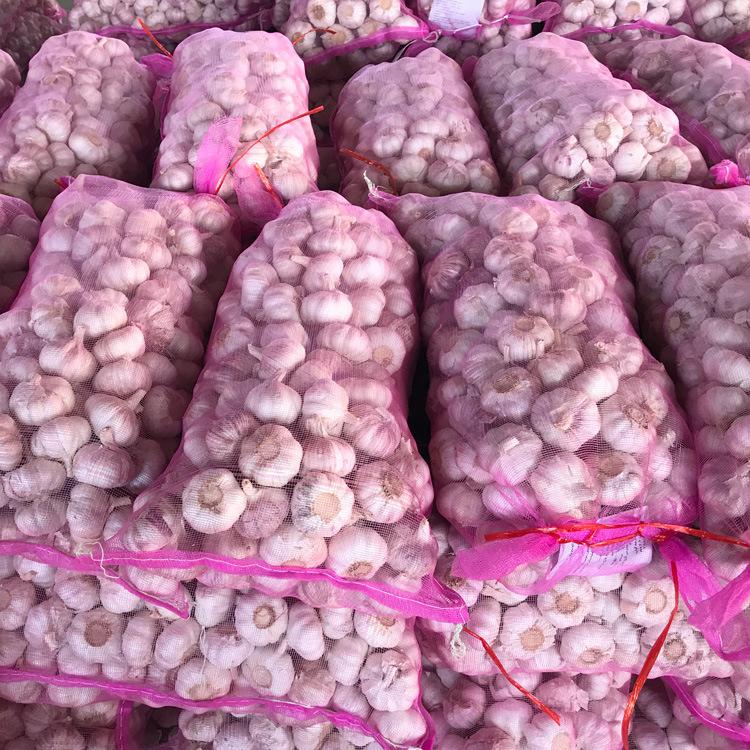
China is the world’s largest producer and exporter of garlic, supplying millions of tons of fresh garlic to more than 160 countries every year. Importers from Europe, the Middle East, Southeast Asia, North America, Africa, and South America rely on Chinese garlic manufacturers because of their stable production capacity, competitive pricing, and consistent product quality.
However, choosing the right garlic manufacturer is more than finding the lowest price. Product quality, food safety, packaging, export experience, and supply reliability all play an important role in a successful import business.
This guide explains how international buyers can select a reliable China garlic manufacturer for bulk import while minimizing purchasing risks and maximizing long-term profitability.
Why Import Garlic from China?
China has become the world’s leading garlic supplier due to its favorable climate, modern farming techniques, and well-developed export infrastructure.
Major advantages include:
-
Large annual production capacity
-
Competitive factory prices
-
Stable year-round supply
-
Advanced grading and processing facilities
-
Experienced export teams
-
Flexible OEM and private label services
-
Multiple packaging options
-
Fast international shipping
Chinese garlic is exported to supermarkets, wholesalers, distributors, food processors, restaurants, and retail chains worldwide.
Main Garlic Producing Regions in China
Several provinces are famous for producing premium garlic.
Jinxiang, Shandong
Known as the “Garlic Capital of China,” Jinxiang produces high-quality garlic with excellent flavor, long storage life, and strong export capability.
Pizhou, Jiangsu
Pizhou is another important garlic-producing region, offering fresh garlic suitable for international wholesale markets.
Henan Province
Henan produces large volumes of garlic for both domestic consumption and export.
Reliable manufacturers often source directly from these production areas to ensure consistent quality and competitive pricing.
Types of Garlic Available
Professional manufacturers offer various garlic products to meet different market demands.
Fresh White Garlic
Suitable for wholesale markets, supermarkets, and food distributors.
Pure White Garlic
Popular in premium retail markets due to its attractive appearance.
Normal White Garlic
Widely used for food processing and general wholesale.
Peeled Garlic
Ready for restaurants, food factories, and catering businesses.
Garlic Cloves
Convenient for industrial food production.
Garlic Powder
Used by seasoning manufacturers and food processors.
Frozen Garlic
Ideal for long-distance transportation and food manufacturing.
Garlic Size Standards
International buyers usually purchase garlic according to size.
Common export sizes include:
-
4.5 cm
-
5.0 cm
-
5.5 cm
-
6.0 cm
-
6.5 cm
-
7.0 cm and above
Larger garlic bulbs generally command higher market prices because of their appearance and consumer preference.
Quality Standards
Professional garlic manufacturers implement strict quality control throughout production.
Quality inspections include:
-
Freshness
-
Size grading
-
Moisture content
-
Skin condition
-
Color consistency
-
Root trimming
-
Cleanliness
-
Pest inspection
-
Damage inspection
Only garlic meeting export standards is packed for international shipment.
Food Safety and Certifications
International buyers should verify that suppliers comply with recognized food safety standards.
Common certifications include:
-
ISO 9001
-
HACCP
-
GlobalG.A.P.
-
BRC (where applicable)
-
FDA registration (for the U.S. market)
-
Phytosanitary Certificate for export
These certifications help ensure compliance with importing country regulations.
Packaging Options
Manufacturers provide a wide range of export packaging.
Popular options include:
-
Mesh bags
-
Cartons
-
Plastic boxes
-
Vacuum packaging
-
Small retail packs
-
Private label packaging
Typical package weights include:
-
500 g
-
1 kg
-
5 kg
-
10 kg
-
20 kg
Custom packaging is available for supermarkets and brand owners.
Storage Conditions
Proper storage extends garlic shelf life and maintains quality.
Recommended conditions include:
-
Temperature: -3°C to 0°C
-
Low humidity control
-
Good ventilation
-
Clean storage facilities
Professional manufacturers use modern cold storage warehouses before export.
Shipping Methods
Fresh garlic is mainly exported by sea because it offers the best balance between cost and efficiency.
Common shipping options include:
-
20-foot containers
-
40-foot containers
-
Refrigerated containers
-
Air freight for urgent orders
Exporters carefully arrange loading plans to maximize container capacity while protecting product quality during transit.
OEM and Private Label Services
Many Chinese garlic manufacturers offer OEM services for international buyers.
Customization options include:
-
Customer logo
-
Private brand packaging
-
Retail bag design
-
Carton printing
-
Barcode labels
-
Custom language labels
OEM services help distributors build their own brands in local markets.
How to Choose a Reliable Garlic Manufacturer
Before placing an order, buyers should evaluate several factors.
Manufacturing Experience
Choose suppliers with years of export experience and a proven production history.
Production Capacity
Ensure the manufacturer can supply the required quantity consistently throughout the season.
Quality Control
Ask about grading procedures, inspection standards, and quality assurance processes.
Export Experience
Experienced exporters understand customs documentation, phytosanitary requirements, and international shipping procedures.
Customer Service
Reliable suppliers respond quickly, communicate clearly, and provide accurate quotations and shipping schedules.
Questions to Ask Before Ordering
Before confirming a supplier, ask the following questions:
-
What garlic varieties do you export?
-
Which sizes are available?
-
What certifications do you have?
-
Can you provide quality inspection reports?
-
What packaging options are available?
-
What is your minimum order quantity?
-
What is the delivery time?
-
Which countries do you currently export to?
-
Can you provide product samples?
-
Do you offer OEM packaging?
These questions help buyers evaluate professionalism and reduce sourcing risks.
Common Mistakes Buyers Should Avoid
Many importers make purchasing decisions based only on price.
Common mistakes include:
-
Ignoring product quality
-
Choosing inexperienced exporters
-
Not requesting samples
-
Overlooking food safety certifications
-
Failing to inspect packaging
-
Ignoring shipping schedules
-
Not verifying export documents
Selecting a reliable supplier is far more valuable than simply choosing the lowest quotation.
Benefits of Long-Term Cooperation
Working with the same manufacturer over time offers several advantages.
These include:
-
Stable product quality
-
Better pricing
-
Priority production
-
Faster delivery
-
Consistent packaging
-
Easier communication
-
Stronger supply chain reliability


No reply content