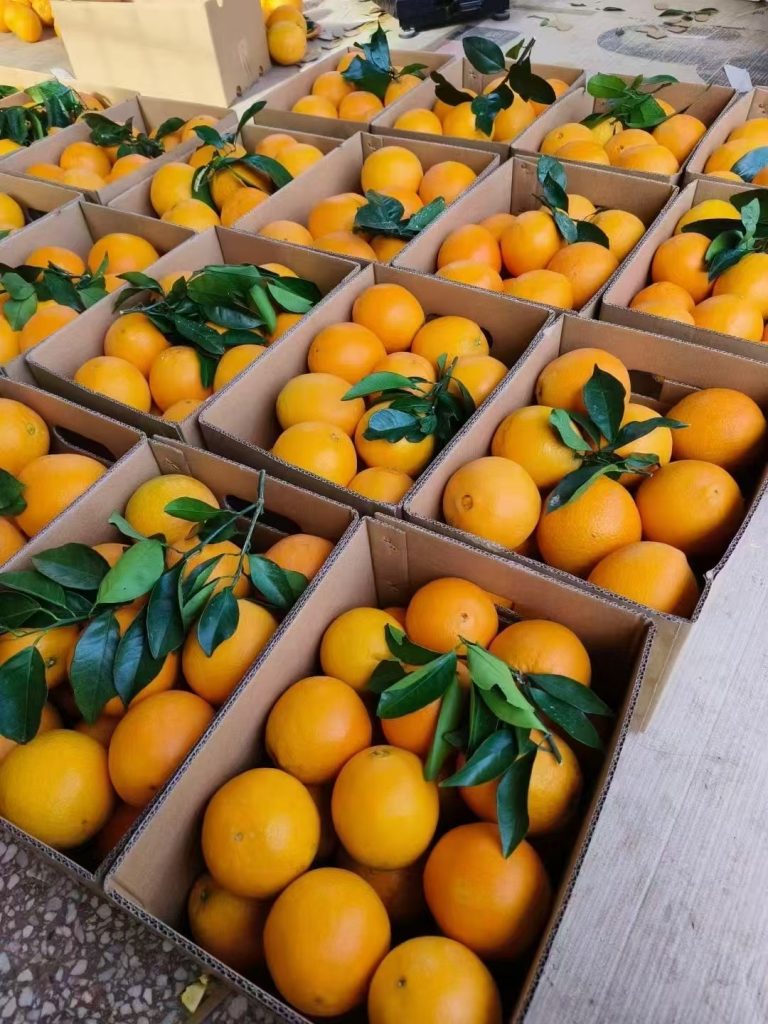
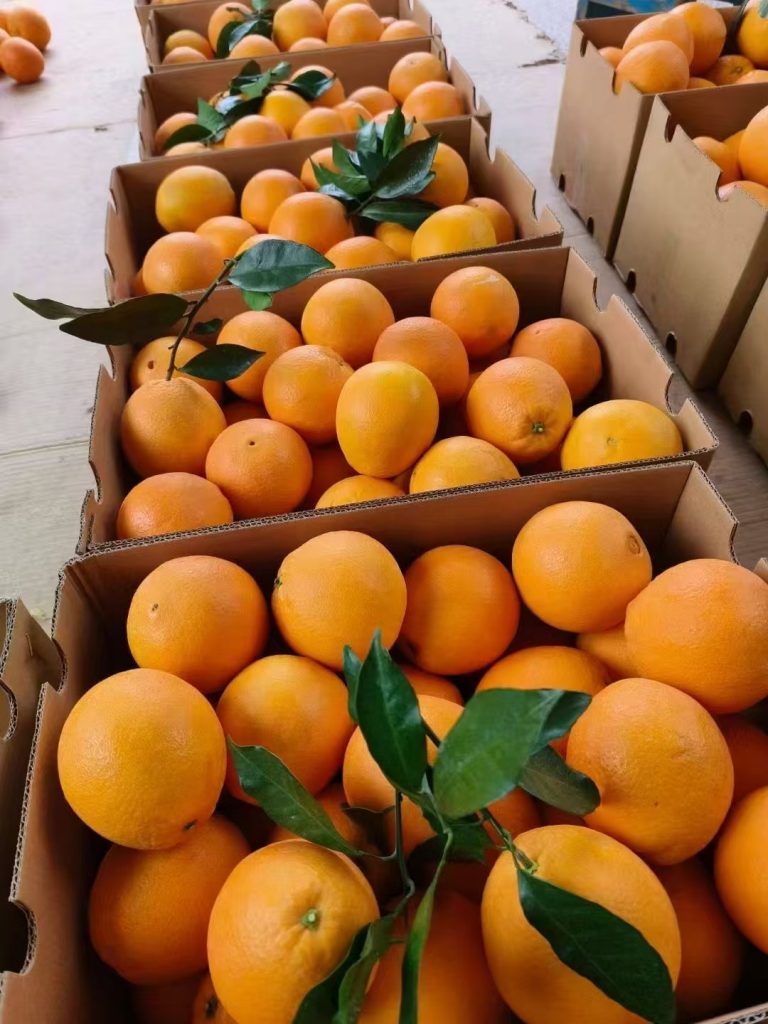
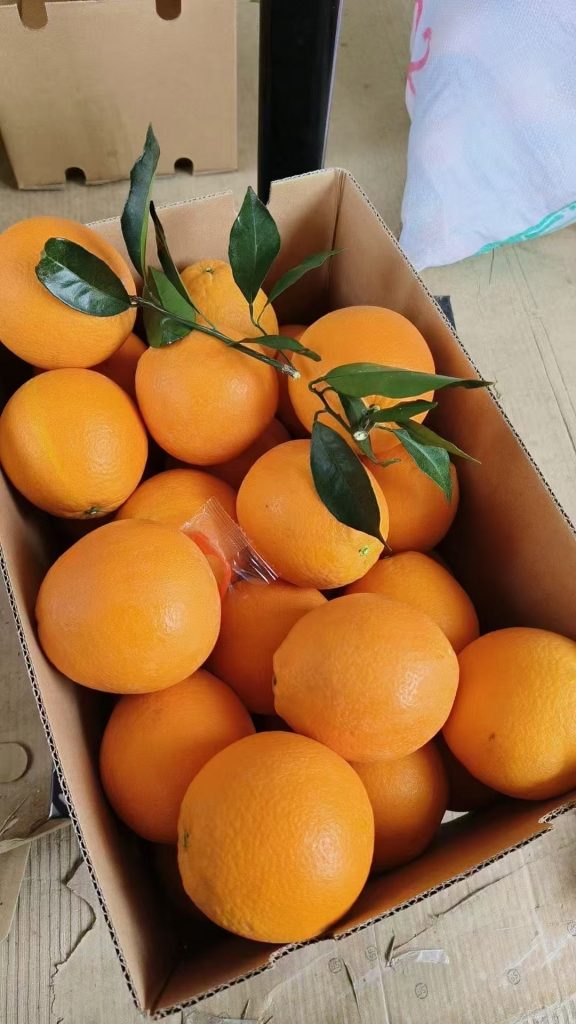
China is one of the world’s largest producers and exporters of navel oranges, supplying fresh citrus to supermarkets, wholesalers, distributors, retailers, and food processing companies worldwide. With abundant harvests, competitive prices, and improving export standards, Chinese navel oranges have become a popular choice in international markets. However, selecting the right China navel orange exporter is essential to ensure consistent quality, smooth customs clearance, and on-time delivery.
This guide answers the most common questions buyers have when importing navel oranges from China.
Why Import Navel Oranges from China?
Chinese navel oranges are well known for their sweet taste, rich juice content, bright color, and long shelf life. Major production areas benefit from favorable climates and advanced cultivation techniques, allowing exporters to supply premium-quality fruit to global markets.
Key advantages include:
- Competitive export pricing
- Large and stable seasonal supply
- Excellent sweetness and flavor
- Multiple fruit sizes and grades
- Strict sorting and quality inspection
- Modern packing facilities
- Cold-chain logistics support
- OEM and private-label packaging
These advantages make China an attractive sourcing destination for fresh citrus importers.
What Should You Check Before Choosing an Exporter?
Before signing a purchase agreement, evaluate the exporter’s capabilities.
Important factors include:
Stable Fruit Supply
Choose an exporter that cooperates with professional orchards or owns production bases to ensure consistent supply throughout the export season.
Product Quality
High-quality navel oranges should have:
- Bright natural color
- Smooth and clean peel
- High sugar content
- Rich juice
- Uniform size
- Fresh appearance
- Long storage life
Request recent harvest photos, packing videos, or samples whenever possible.
Export Experience
Experienced exporters understand:
- International quality standards
- Phytosanitary requirements
- Cold-chain transportation
- Customs documentation
- Shipping schedules
- Destination market regulations
Export experience helps reduce shipment delays and import risks.
Available Fruit Sizes
Professional exporters usually offer various grades to meet different market demands, including:
- 48
- 56
- 64
- 72
- 80
- 88
- 100
- 113
Different countries and retail channels may prefer different fruit sizes, so confirm your market requirements before ordering.
Packaging Options
Reliable exporters provide flexible packaging solutions, such as:
- Export cartons
- Retail gift boxes
- Mesh bags
- Plastic crates
- Customized labels
- Private-brand packaging
Customized packaging helps distributors strengthen their brand image in local markets.
Cold Chain and Shipping
Maintaining freshness during transportation is critical.
Refrigerated Sea Freight
Ideal for large-volume exports.
Advantages include:
- Lower shipping costs
- Stable temperature control
- Suitable for long-distance transportation
- Better cost efficiency for wholesalers
Air Freight
Recommended for:
- Small trial orders
- Premium fruit
- Urgent deliveries
Although more expensive, air freight significantly reduces transit time.
Quality Control Process
Professional exporters follow strict quality management procedures:
- Harvest fruit at optimal maturity.
- Remove damaged or defective oranges.
- Wash and clean the fruit.
- Sort by size and grade.
- Inspect appearance and quality.
- Pack using export-grade materials.
- Store in refrigerated warehouses.
- Load into refrigerated containers.
This process helps preserve freshness and minimize losses during transportation.
Required Export Documents
Depending on the destination country, exporters may provide:
- Commercial Invoice
- Packing List
- Bill of Lading
- Certificate of Origin
- Phytosanitary Certificate
- Fumigation Certificate (if required)
- Other import documents requested by the destination market
Always confirm local import regulations before shipment.
Industries Served
China navel orange exporters supply:
- Fresh fruit importers
- Supermarket chains
- Fruit wholesalers
- Retail distributors
- Hotels and restaurants
- Juice manufacturers
- Food processing companies
- Online grocery platforms
Their products support both retail and commercial food supply chains.
Tips for Choosing a Reliable Exporter
Before placing a bulk order, ask the supplier:
- How many years have you exported fresh fruit?
- Which countries do you currently serve?
- Can you provide product samples?
- How do you maintain the cold chain?
- What certifications do you hold?
- Can you provide customized packaging?
- What is your average delivery time?
A professional exporter will provide clear answers and detailed documentation.
Common Import Mistakes
Many buyers experience problems because they:
- Choose suppliers based only on price
- Ignore cold-chain logistics
- Do not verify export documents
- Skip sample inspections
- Fail to confirm packaging requirements
- Overlook destination-country regulations
Avoiding these mistakes can improve product quality and reduce import risks.
Conclusion
Choosing the right China navel orange exporter is essential for ensuring product quality, stable supply, and successful international trade. Beyond competitive pricing, buyers should focus on orchard resources, quality control, export experience, cold-chain logistics, packaging options, and customer service.
A reliable exporter can help you deliver fresh, high-quality navel oranges to your market while building a dependable long-term supply chain.
FAQ
1. When is the export season for Chinese navel oranges?
The main export season generally begins in autumn and extends through winter, depending on the production region and annual harvest conditions.
2. Can I customize the packaging with my own brand?
Yes. Most professional exporters provide OEM and private-label packaging services, including custom cartons, labels, and retail packaging.
3. What documents are required for importing navel oranges?
Common export documents include the Commercial Invoice, Packing List, Bill of Lading, Certificate of Origin, and Phytosanitary Certificate. Additional documents may be required depending on your country’s regulations.
4. How are navel oranges transported internationally?
Large shipments are usually exported in refrigerated sea containers, while smaller or urgent orders can be transported by air to maintain freshness.
5. How can I choose a reliable China navel orange exporter?
Evaluate the supplier’s export experience, orchard resources, quality control system, cold-chain logistics, packaging capabilities, certifications, and customer support instead of selecting based only on the lowest price.



No reply content