

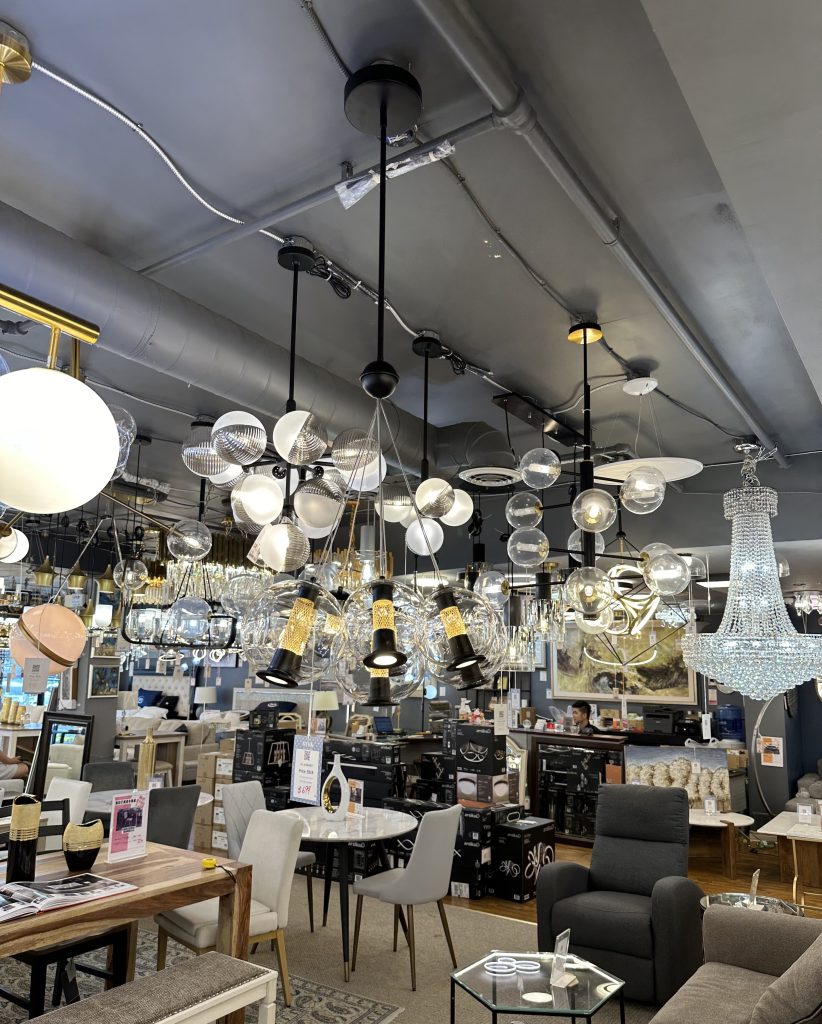
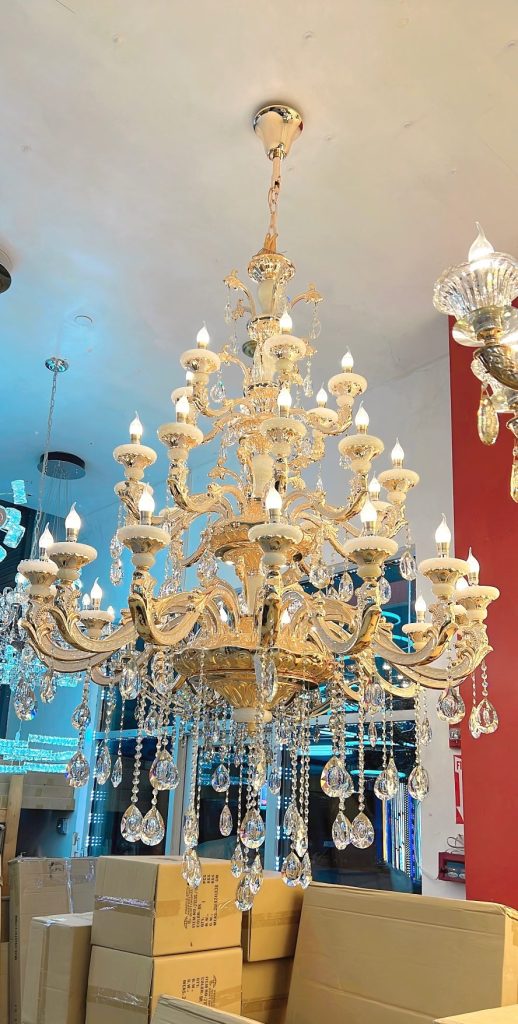
Finding a reliable China table lamp manufacturer is one of the most important steps for importers, wholesalers, retailers, e-commerce sellers, and lighting brands. China is the world’s largest producer of lighting products, offering competitive prices, advanced manufacturing capabilities, and flexible OEM and private label services. However, choosing the right supplier requires more than comparing prices.
This guide explains what buyers should look for before placing an order and how to reduce sourcing risks while ensuring consistent product quality.
Why Buy Table Lamps from China?
Chinese manufacturers offer several advantages for global buyers:
- Competitive factory-direct pricing
- Wide range of modern, classic, LED, smart, and decorative table lamps
- OEM and ODM customization
- Large production capacity
- Experienced export teams
- International safety certifications
- Flexible packaging and branding solutions
Whether you are launching a new lighting brand or expanding your existing product line, working directly with a qualified manufacturer can improve your competitiveness.
Define Your Product Requirements
Before contacting suppliers, prepare clear specifications.
Consider the following:
- Lamp style and appearance
- Material (metal, wood, glass, ceramic, plastic)
- LED or traditional bulb compatibility
- Voltage requirements
- Plug type for your target market
- Color temperature
- Dimming function
- USB or wireless charging features
- Smart control compatibility
- Packaging requirements
- Private label logo
The more detailed your requirements are, the faster a manufacturer can provide an accurate quotation.
Verify Manufacturing Experience
Not every supplier is an actual manufacturer.
Ask questions such as:
- How many years have you produced table lamps?
- Do you own your factory?
- Which countries do you export to?
- What is your monthly production capacity?
- Can you provide factory photos or videos?
- Have you worked with international brands?
Experienced manufacturers usually have mature production processes and better quality control systems.
Check Product Certifications
Different countries require different compliance standards.
Common certifications include:
- CE
- RoHS
- FCC
- UL
- ETL
- UKCA
- SAA
- ERP
Ask suppliers to provide valid certification reports before placing large orders.
Evaluate Quality Control
Reliable manufacturers inspect products throughout production.
Typical quality inspections include:
- Raw material inspection
- Electronic component testing
- Assembly inspection
- Functional testing
- Aging test
- Appearance inspection
- Packaging inspection
- Final random inspection
A complete quality control process helps reduce product defects and customer complaints.
Ask About OEM and Private Label Services
Many buyers want products that stand out in the market.
Reliable manufacturers should support:
- Logo printing
- Custom colors
- New mold development
- Packaging design
- User manual customization
- Barcode labels
- Amazon FBA packaging
- Retail-ready packaging
These services help build your own brand rather than selling generic products.
Compare More Than Price
The lowest quotation is not always the best choice.
Evaluate suppliers based on:
- Product quality
- Communication speed
- Delivery reliability
- Production capacity
- Engineering support
- After-sales service
- Export experience
A stable supplier often saves much more money over the long term than choosing the cheapest option.
Request Samples Before Mass Production
Always order samples before confirming a large purchase.
During sample evaluation, check:
- Material quality
- Surface finish
- Stability
- Brightness
- Wiring quality
- Packaging protection
- User experience
Testing samples helps identify problems before mass production begins.
Understand Production Lead Time
Production schedules vary depending on order size.
Typical timelines include:
- Sample production: 7–15 days
- Mass production: 30–45 days
- Customized products: 45–60 days
Discuss delivery schedules in advance to avoid delays during peak seasons.
Choose a Manufacturer with Strong Export Experience
Experienced exporters understand international shipping requirements.
They can assist with:
- Export documentation
- HS codes
- Product labeling
- Container loading optimization
- Customs requirements
- Shipping coordination
This reduces logistics risks and helps ensure smoother deliveries.
Questions to Ask Before Selecting a Supplier
Before signing a purchase agreement, ask:
- What is your minimum order quantity (MOQ)?
- Can you produce according to our drawings?
- What warranty do you provide?
- What is your defect rate?
- Can third-party inspections be arranged?
- What payment terms do you accept?
- How do you handle quality claims?
Professional manufacturers answer these questions clearly and transparently.
Frequently Asked Questions
Can I customize the lamp design?
Yes. Most experienced manufacturers offer OEM and ODM services, including custom appearance, colors, packaging, logos, and product functions.
What is the usual MOQ?
MOQ depends on the product. Standard models may require 100–500 pieces, while customized products may require higher quantities.
How long does production take?
Standard orders generally take 30–45 days, while customized projects may require additional development time.
Which certifications are needed?
Requirements depend on your target market. CE and RoHS are common for Europe, while UL or ETL are often required for North America.
Can manufacturers arrange shipping?
Many manufacturers cooperate with freight forwarders and can support FOB, EXW, CIF, DDP, and other international shipping terms.
Conclusion
Choosing the right China table lamp manufacturer is about much more than finding the lowest price. A trustworthy factory should offer proven manufacturing experience, strict quality control, international certifications, customization capabilities, and reliable export services. By carefully evaluating suppliers, requesting product samples, and confirming production details before placing bulk orders, buyers can reduce sourcing risks, improve product quality, and build long-term partnerships that support sustainable business growth.


No reply content